
Palencia
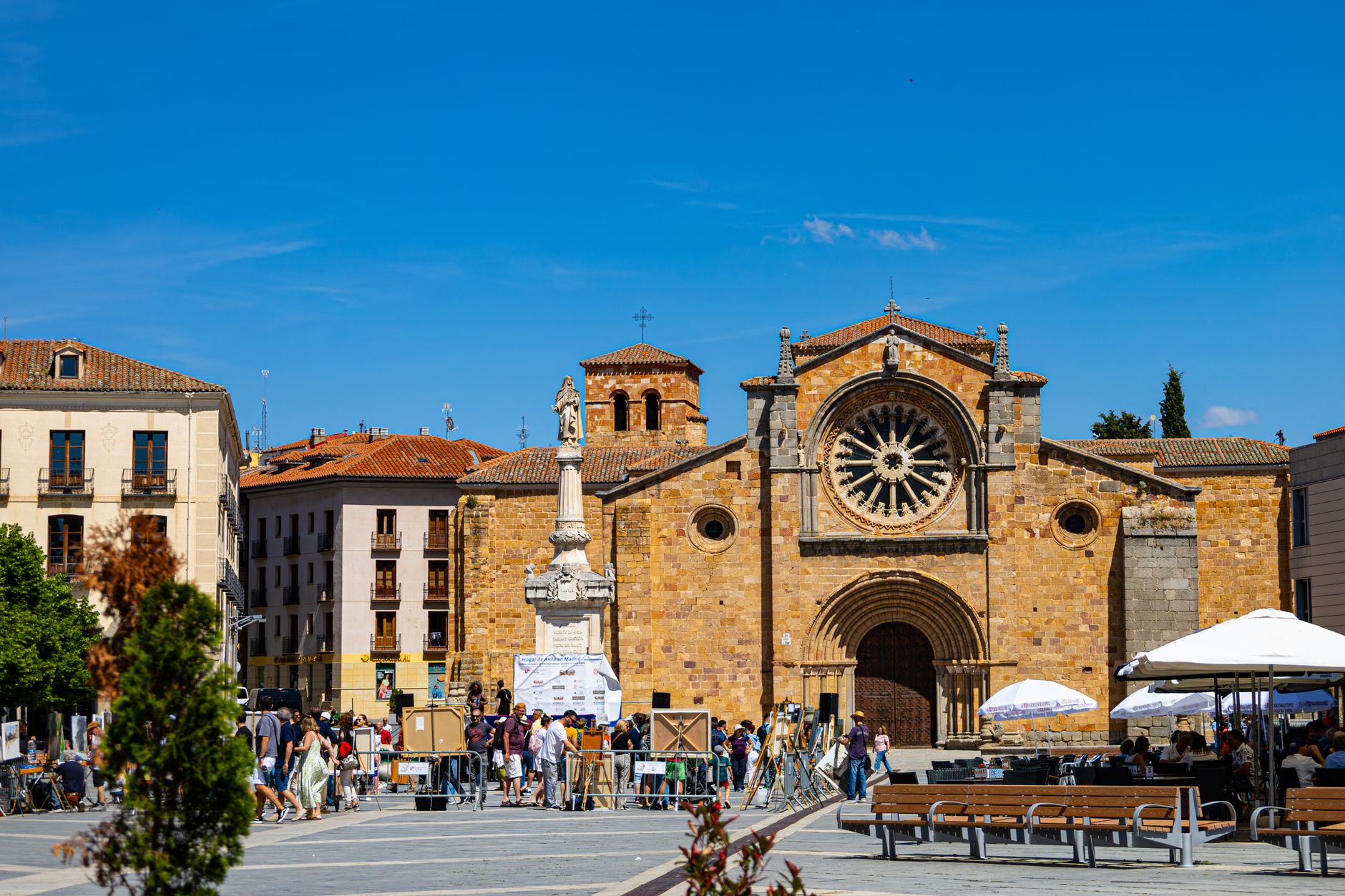
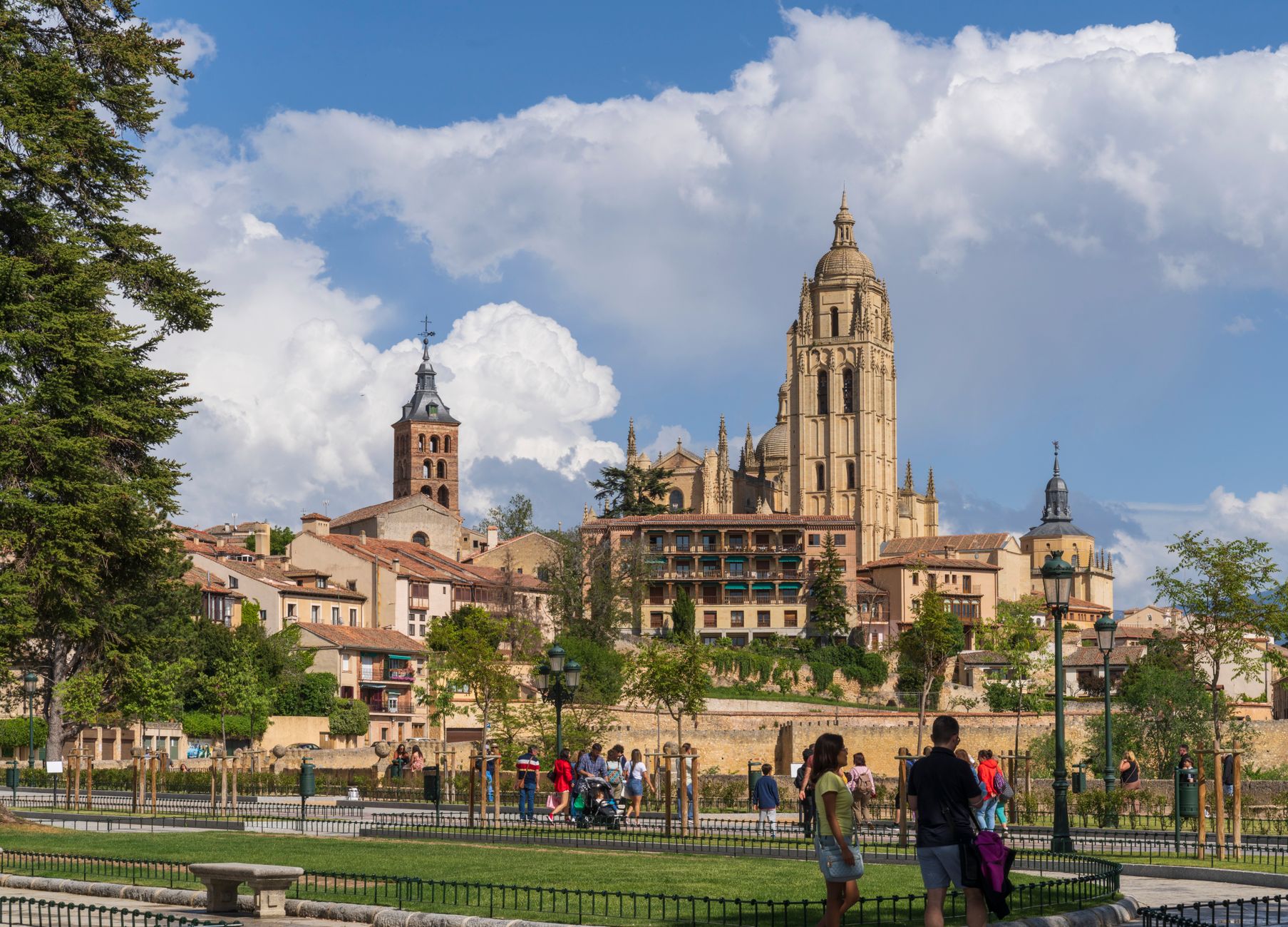
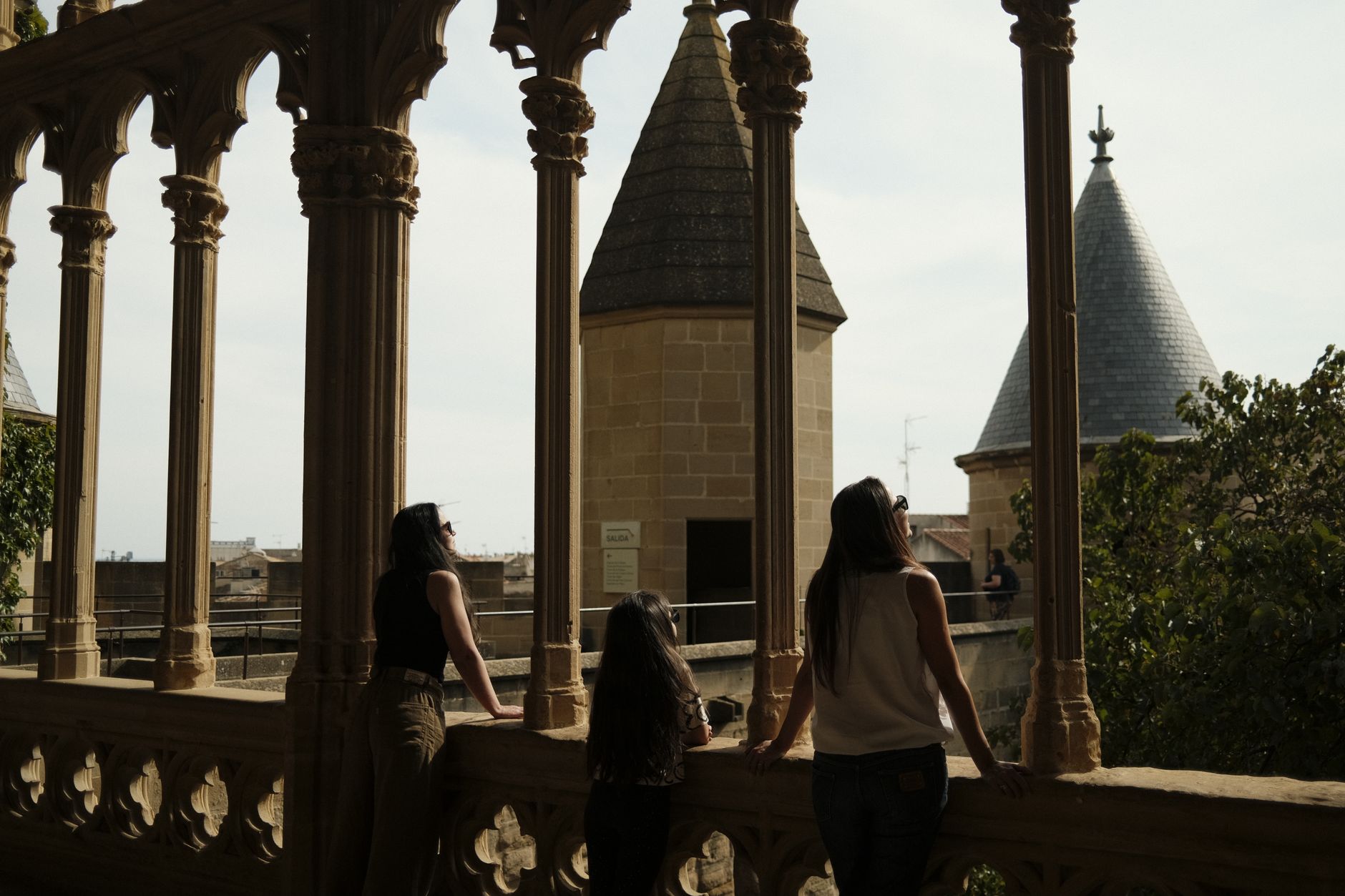
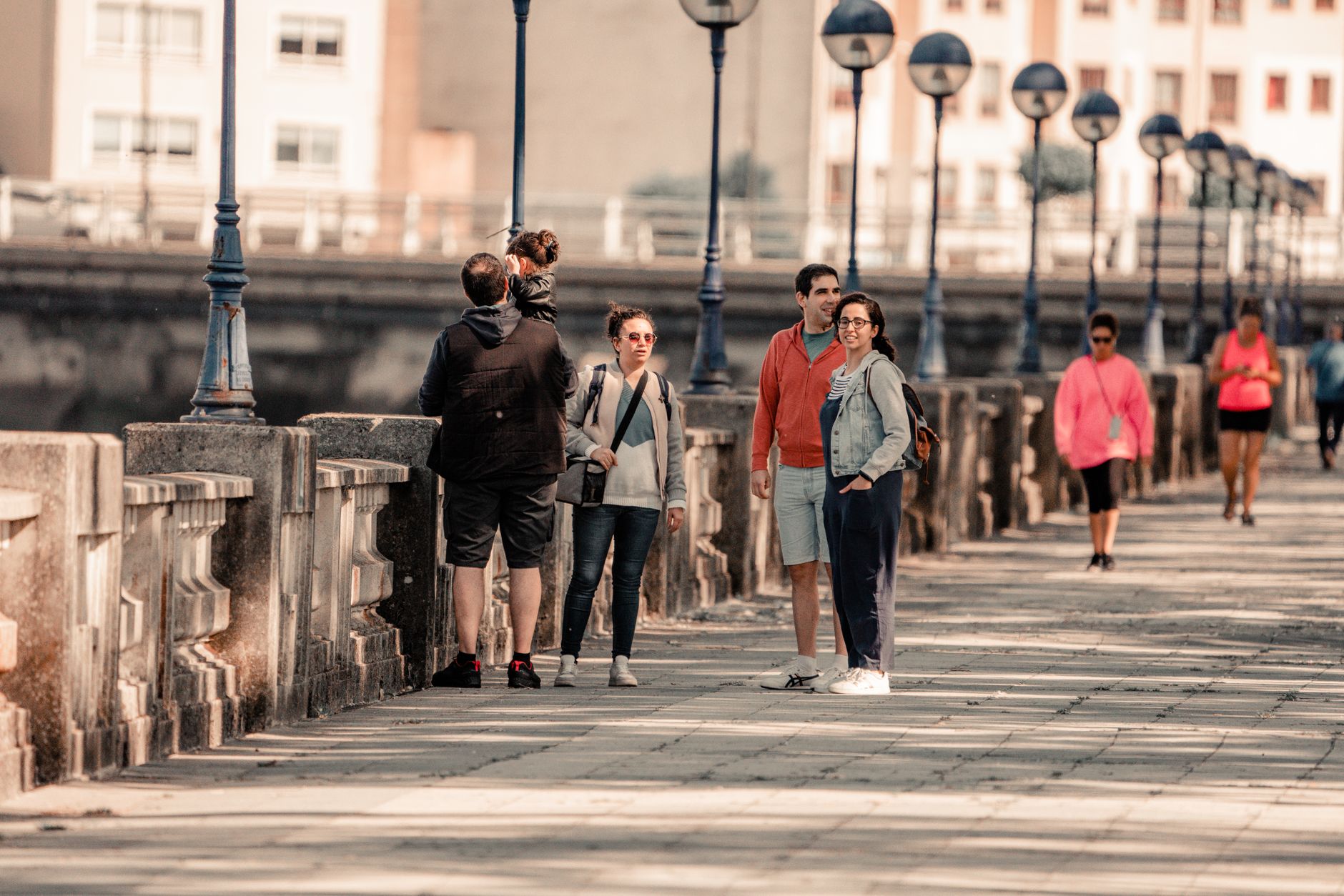
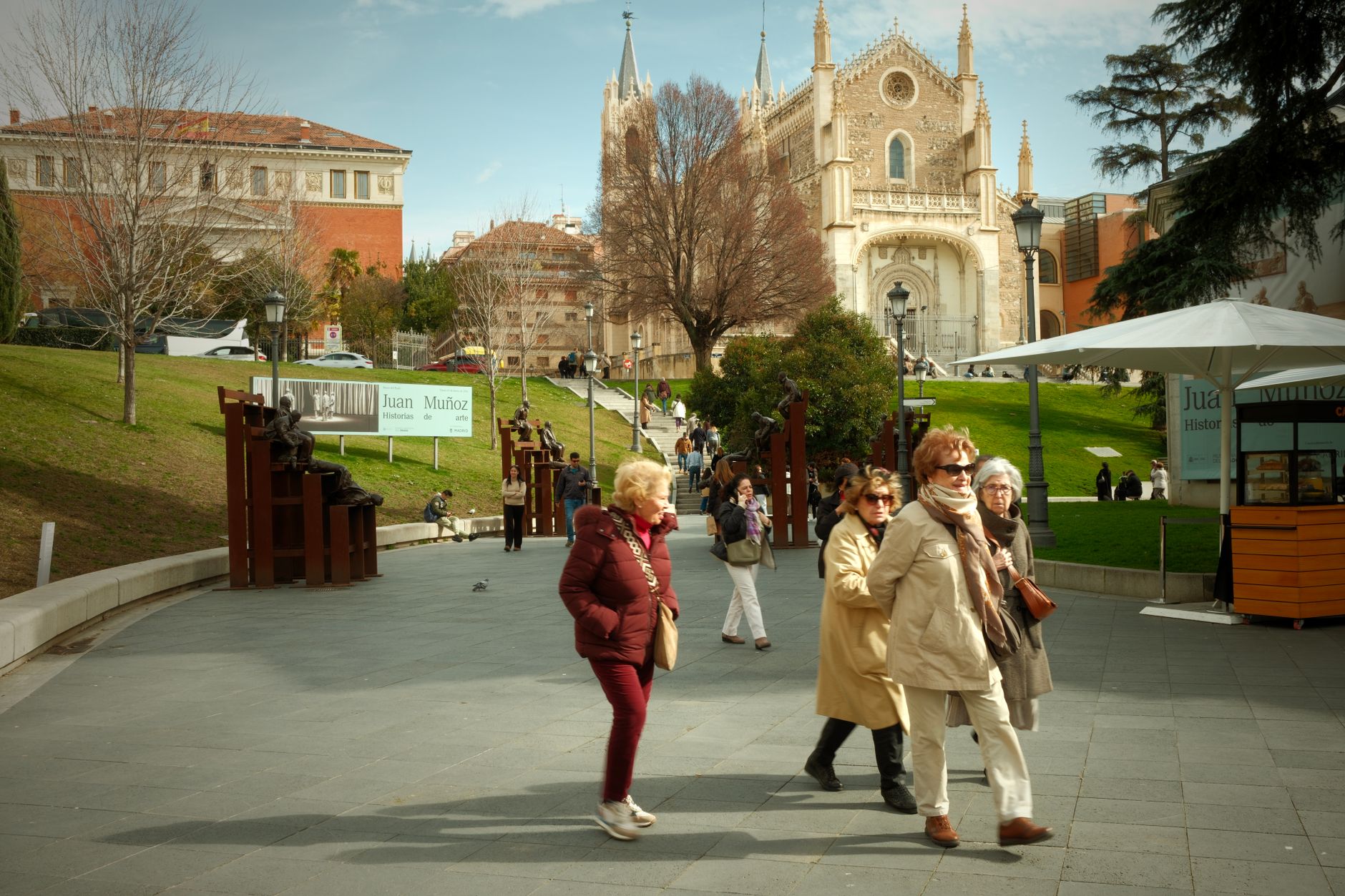
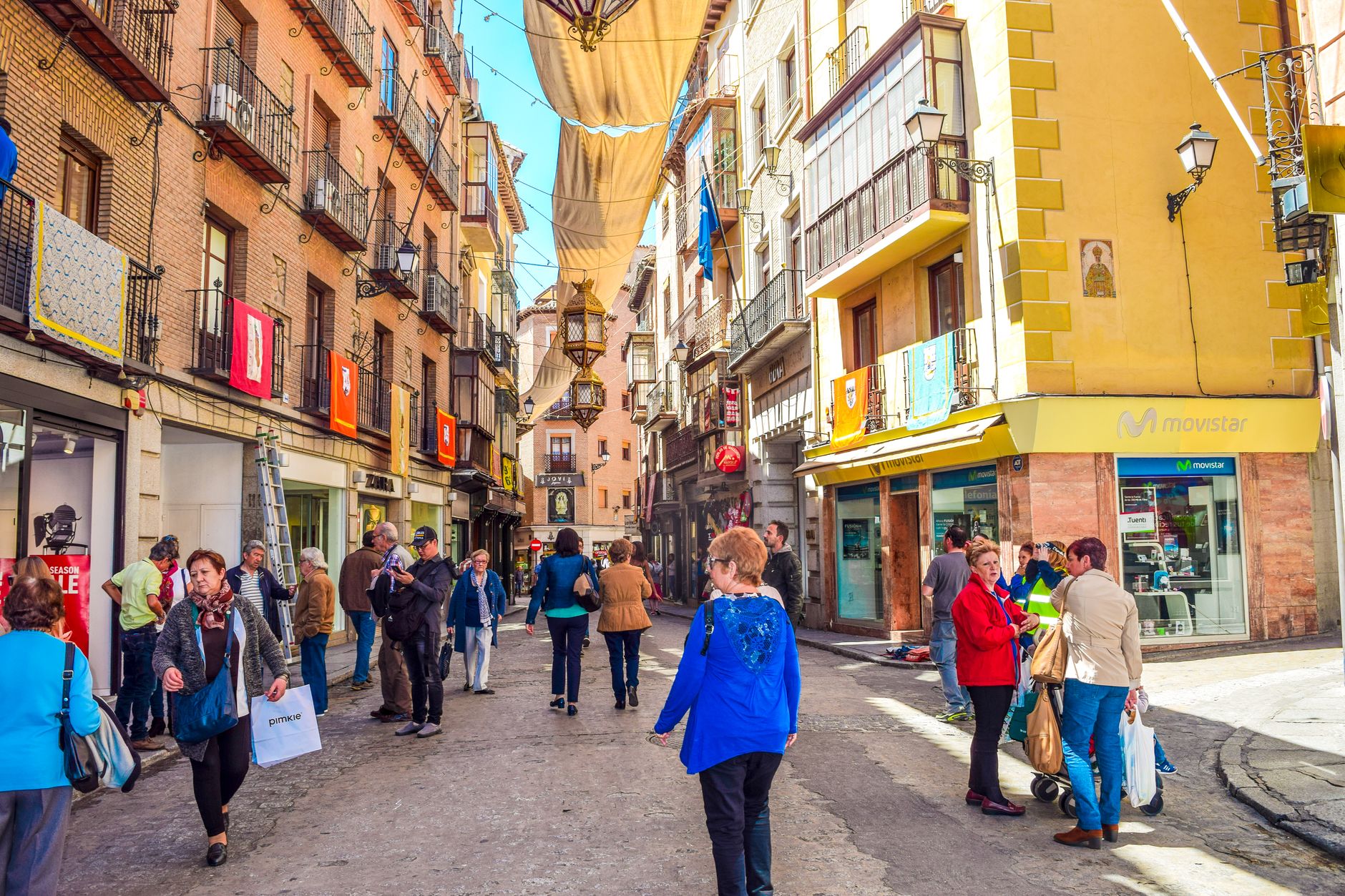
Palencia is the kind of Spanish city that rewards patience. Its cathedral — over 130 metres long, begun in 1172 and not finished until 1504 — contains an El Greco canvas and a twelve-panel retablo by Juan de Flandes, yet the building sits quietly at the edge of its own Plaza, with no queue at the door. Walk down Calle Mayor on any weekday afternoon and you'll find the rhythm of a place largely left to itself.
The city sits on the Castilian plain, a landscape that explains its name: the root *pala*, meaning flat ground. That plainness extends to the atmosphere — unpretentious, unhurried, and genuinely local in a way that its more celebrated neighbours in the region no longer quite manage.
💛 What travellers fall for
People who come back tend to mention the cathedral crypt — the low-vaulted Visigothic chamber beneath the nave, built in the 7th century to house the relics of Saint Antoninus. It's easy to walk past the entrance. Don't. Tuesday afternoons admission is free, which is worth timing your visit around.
Experiences you don't want to miss




Deals in Palencia
Book directly at the provider


How Palencia came to be
The settlement the Romans called Pallantia was already old when Strabo wrote about it — a Celtiberian town on the plain, eventually starved into submission by Rome in the 2nd century BC and absorbed into Hispania Tarraconensis. A bishopric followed, possibly as early as the 3rd century, and with it the slow accumulation of ecclesiastical weight that still defines the skyline.
In 1208, Alfonso VIII founded here the first university in Spain — a studium generale where, among others, the poet Gonzalo de Berceo and a young Domingo de Guzmán (later Saint Dominic) studied. It lasted barely three decades before the enterprise was transferred to Salamanca in 1239, leaving Palencia to settle into a quieter, more durable kind of importance.
Who and what shaped it
People who shaped it
Landmark buildings
See Palencia in motion
Plan your visit
On the map
When to go
Winters are cold and honest — January highs rarely clear 8°C, with frost likely overnight. Summer is dry and warm. The most comfortable windows for walking the old town are April through June and September through October, when the light on the cathedral stone is at its best.
Right now
Background & history adapted from Wikipedia (CC BY-SA) · specs from Wikidata (CC0) · weather from Open-Meteo · map data © OpenStreetMap contributors · photos from Wikimedia Commons / Unsplash with per-image credit. No third-party reviews or social posts reproduced.