
Ortisei
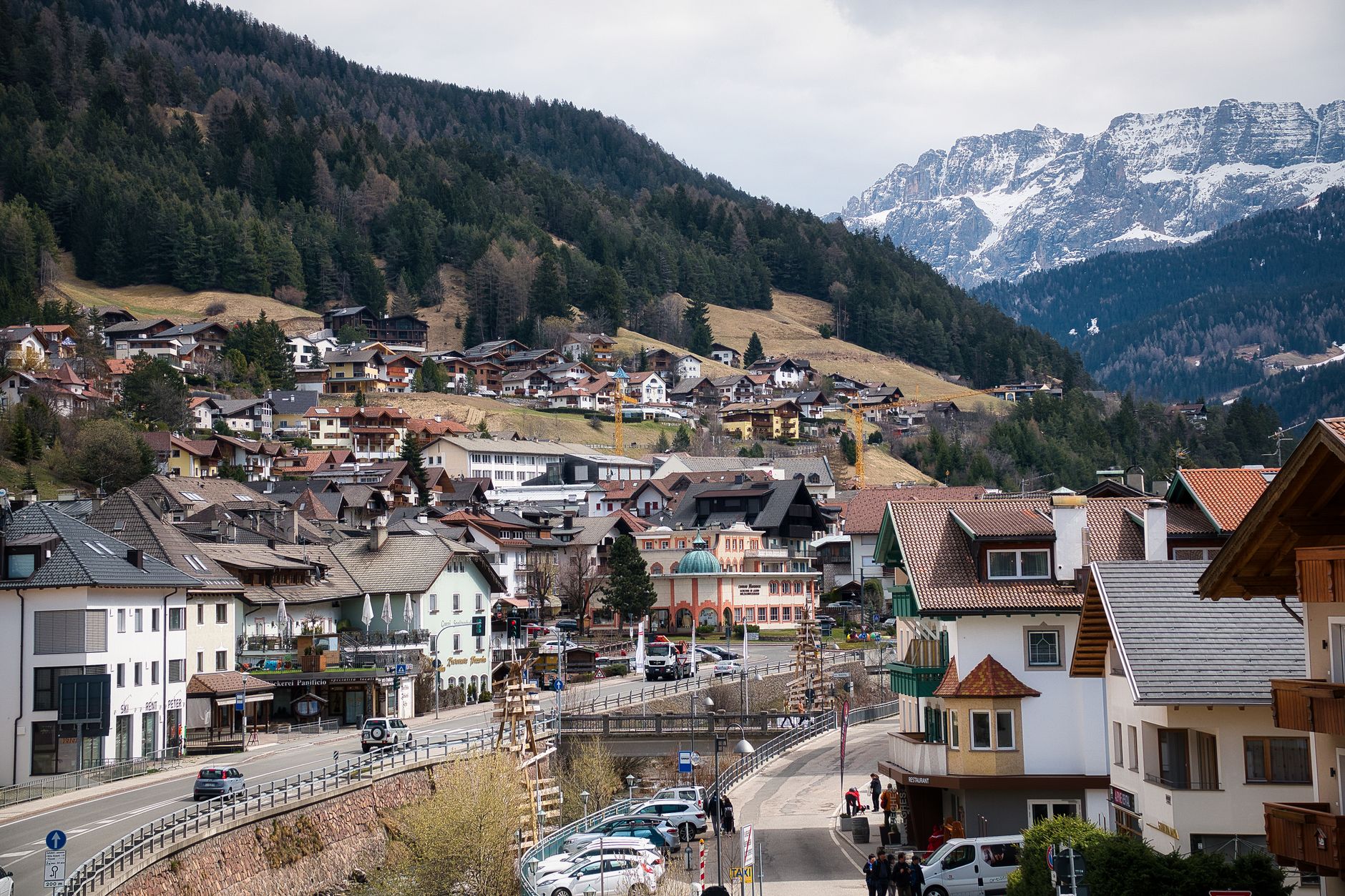
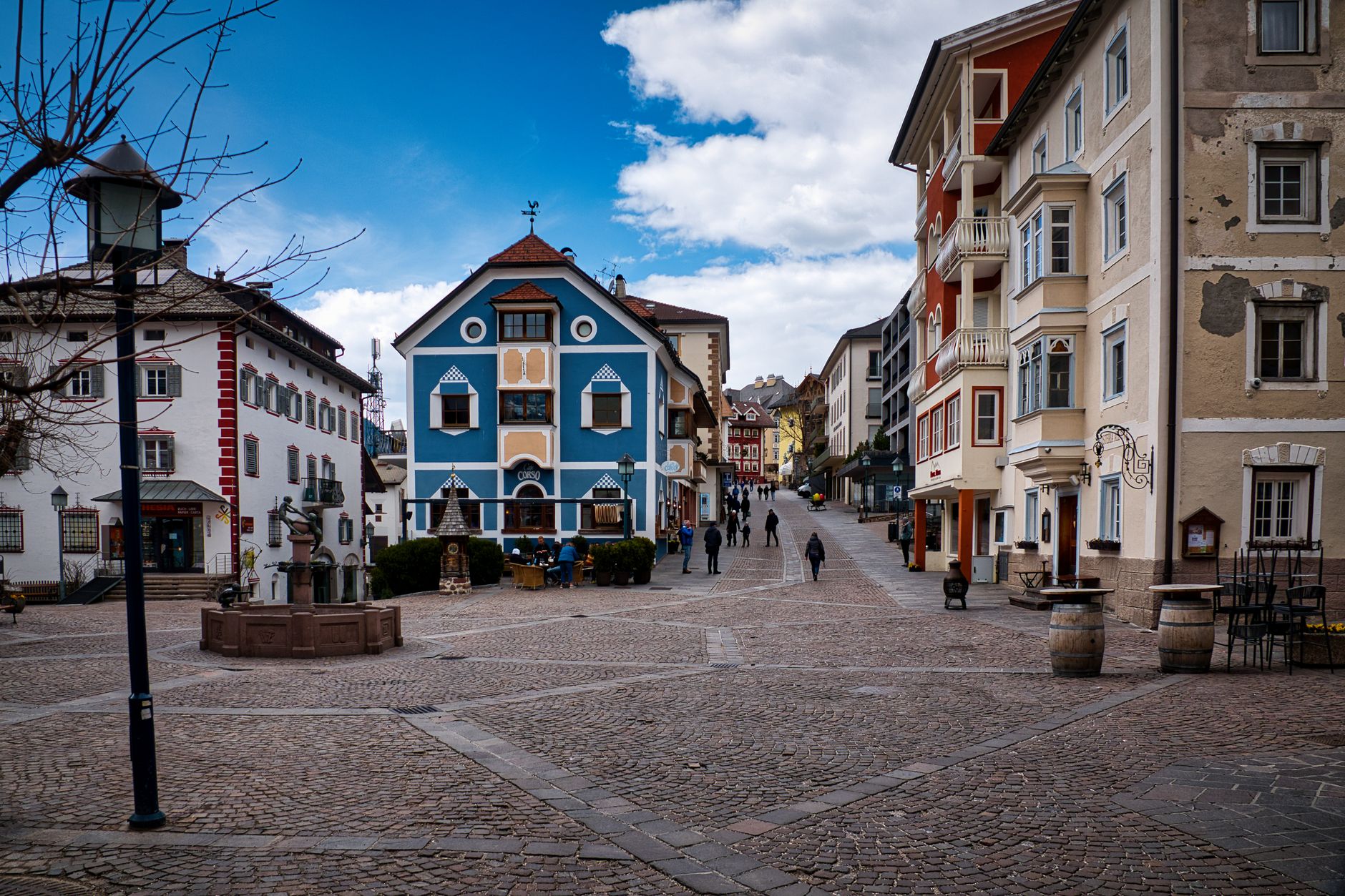
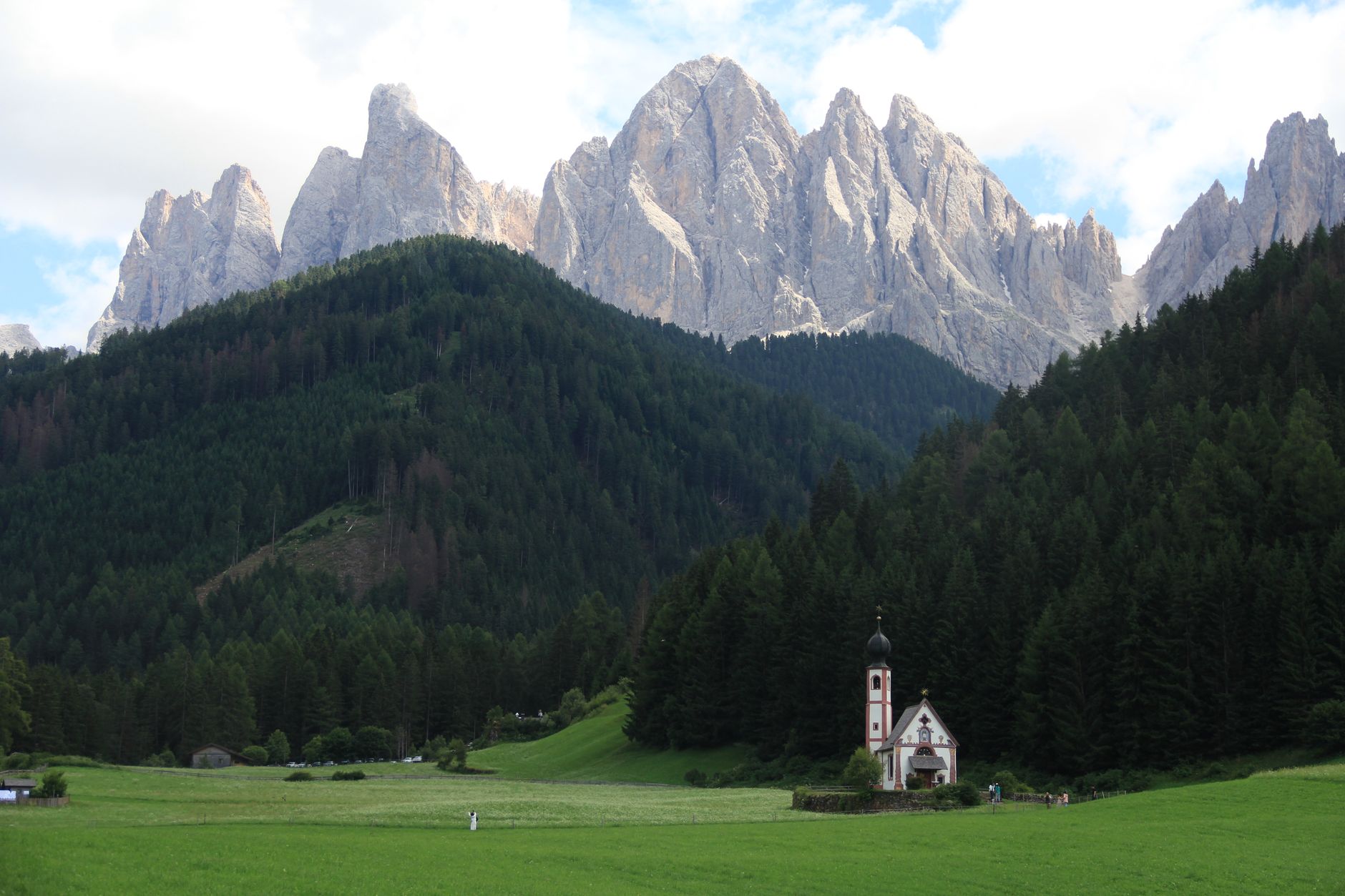
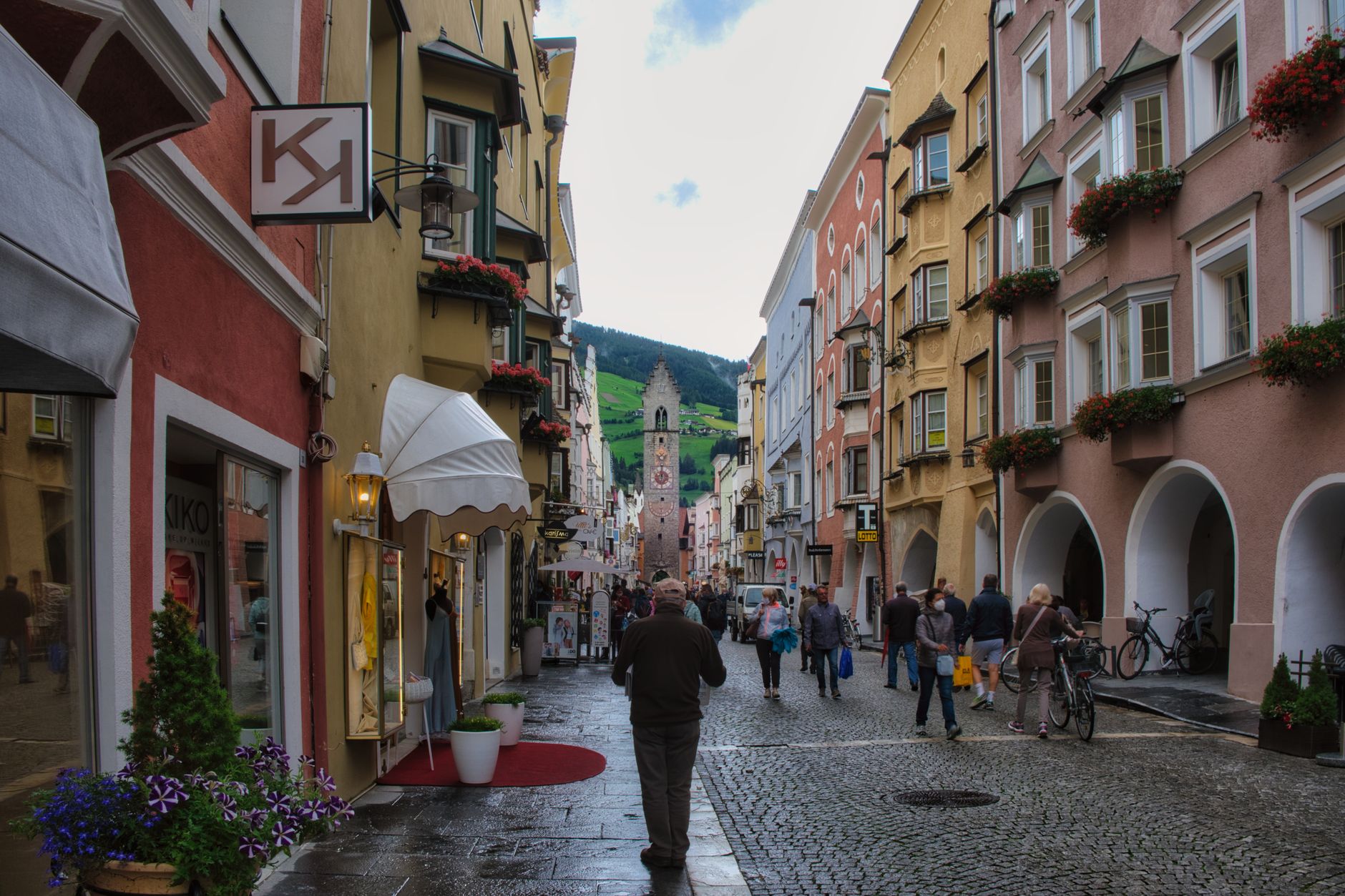
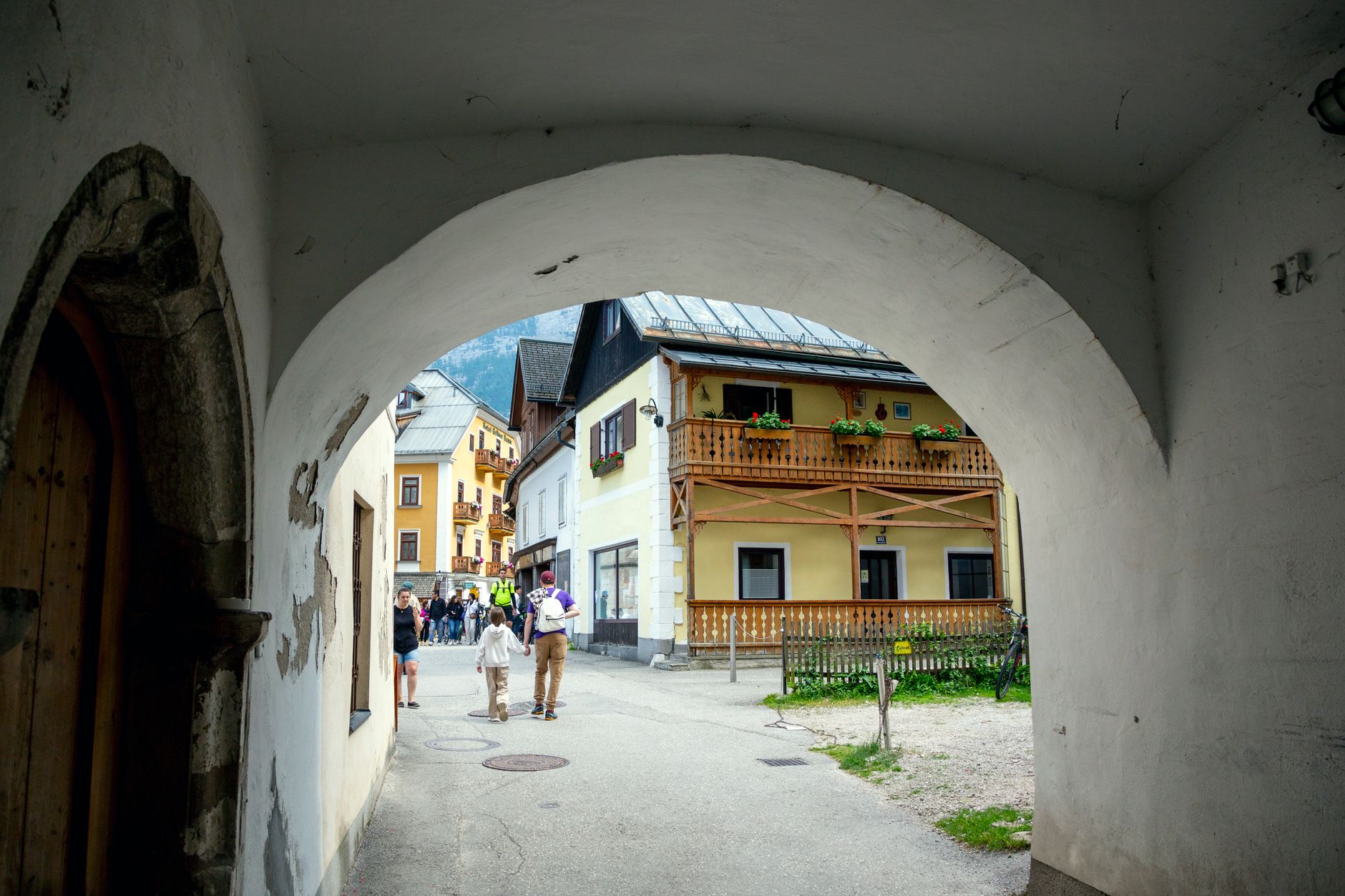
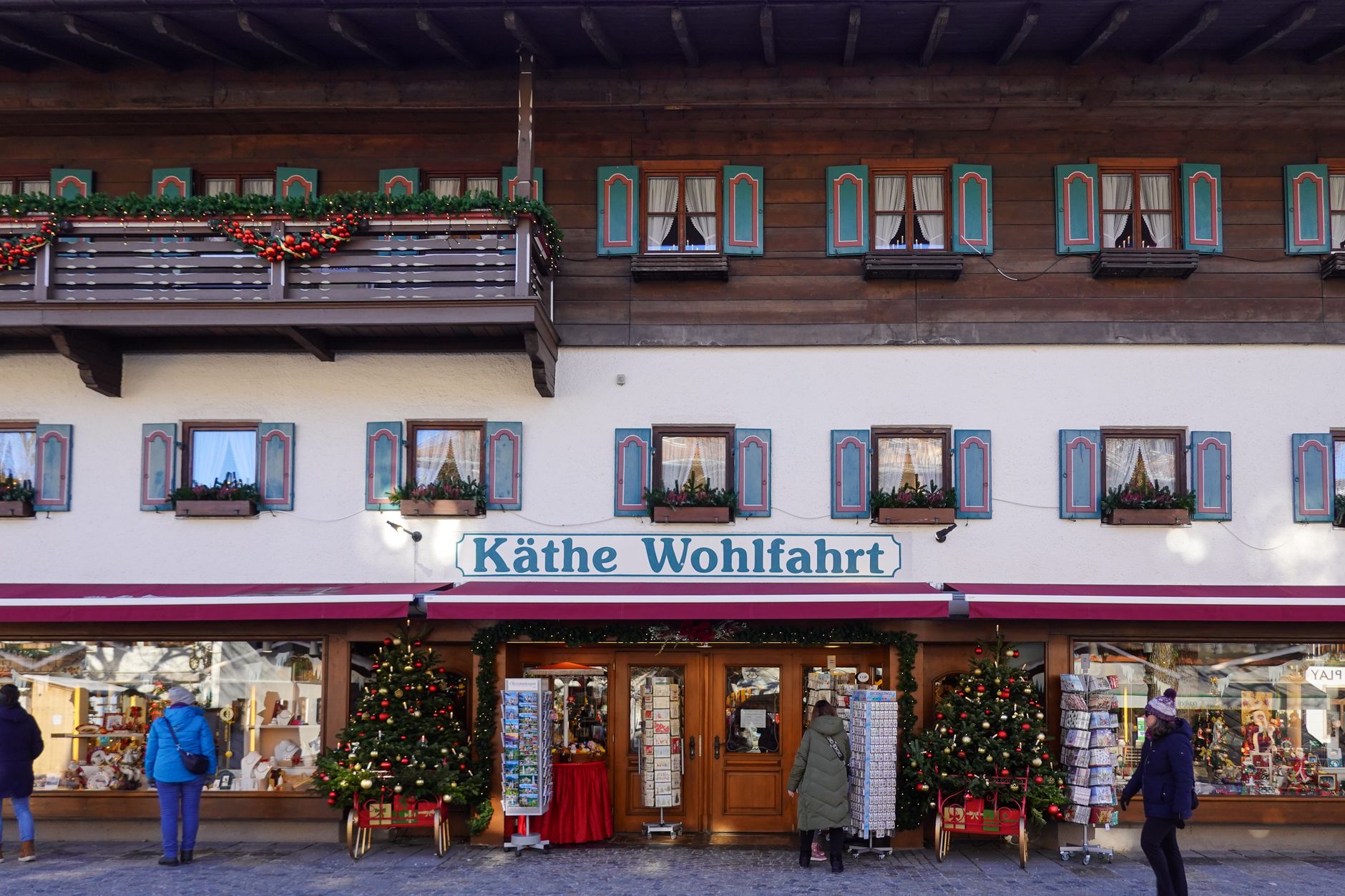
The name comes from the Latin for nettles — *urtica* — and Ortisei has been documented since at least 1497, a working valley town long before the ski lifts arrived. What defines it more than the mountains is wood: since the 17th century, a significant share of the population has carved it, shaped it into sacred figures and toys, and sold it across Europe. Walk the pedestrian street between the Parish Church of St. Ulrich and the small Renaissance Church of St. Anthony and you'll pass boutiques stacked with hand-carved sculpture alongside speck and local textiles.
Ortisei sits at the heart of Val Gardena, where Ladin, German and Italian all have standing. The Museum Gherdëina holds the geological and paleontological record of this valley alongside wooden sculptures that show where the real craft history lives. The churches are worth your time too — S. Giacomo traces its origins to the 12th century, making it the oldest in the valley.
💛 What travellers fall for
People who return tend to mention the same things: the bus pass that comes with most hotel stays (it covers the whole valley), the Rosarium up in Pufels in July when all 6,000 rose bushes are open, and lunch at Paratoni, an 800-year-old farmhouse that runs on the logic of using what's freshest rather than what's fashionable.
Experiences you don't want to miss


Deals in Ortisei
Book directly at the provider

How Ortisei came to be
The settlement name appears in Bolzano records in 1497, derived from an older farmstead called 'Ortiseyt' — a place of nettles. The German name St. Ulrich points to the Catholic parish dedicated to Saint Ulrich, the town's patron. From the early 17th century, woodcarving became the valley's defining trade: in 1625 the Trebinger brothers established a carving dynasty, and Melchiorre Vinazer earned a sculpting diploma in 1650 after training near Bressanone.
By the turn of the 20th century, Ferdinand Demetz founded an art school here with Austrian government backing, raising the technical standard of the craft. The Val Gardena railway, built largely by Russian prisoners of war during the First World War, connected Ortisei to Klausen until 1960. A road link to the main rail network had opened decades earlier, and by 1970 the town was hosting the Alpine Ski World Championships.
Who and what shaped it
People who shaped it
Landmark buildings
See Ortisei in motion
Plan your visit
On the map
When to go
Summers are mild and long on sunshine — daily highs around 20°C in June through August, which is also the wettest stretch, so pack a layer for afternoon storms. Winters run cold, with January and February averaging well below freezing; the ski season holds from December through April.
Right now
Background & history adapted from Wikipedia (CC BY-SA) · specs from Wikidata (CC0) · weather from Open-Meteo · map data © OpenStreetMap contributors · photos from Wikimedia Commons / Unsplash with per-image credit. No third-party reviews or social posts reproduced.