
Orewa
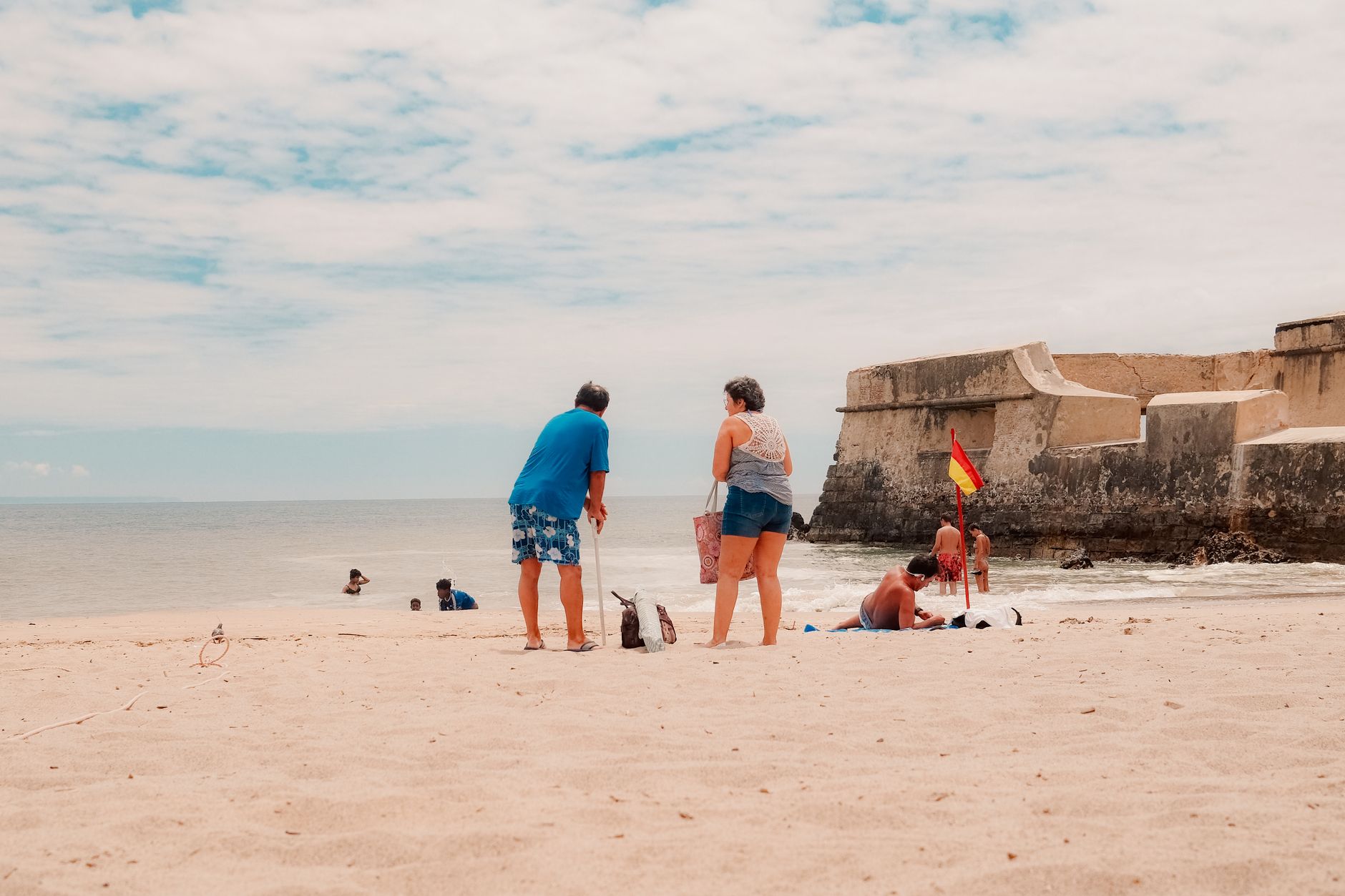
Stand at the southern end of Orewa Beach on a February morning and the three kilometres of sand ahead of you look almost implausibly long for a place this close to a major city. The water sits at or above 20°C through the swimming season, the Norfolk pines mark the esplanade, and somewhere behind you, a bronze Edmund Hillary looks out from Hillary Square toward the same coastline his family drove to from Auckland in the 1930s.
Orewa sits 40 kilometres north of the CBD — half an hour by car on a clear run — which explains why it spent most of the twentieth century as a summer escape before becoming a commuter town in its own right. The Ōrewa River gives the place its name: ō-rewa, a reference to the rewarewa tree, though the word attached to the river long before it attached to the beach.
💛 What travellers fall for
People who come back tend to walk Te Ara Tahuna first thing in the morning before the car parks fill. The 7.6-kilometre estuary loop takes roughly two hours and the Māori carvings along the path repay slow attention. Most regulars also note that parking on the northern end of the beachfront is easier than the centre on summer weekends.
Deals in Orewa
Book directly at the provider
How Orewa came to be
The Ōrewa River mouth was Māori country from at least the thirteenth century — a shark fishery, a food-gathering estuary, and the site of Nukuhau, a Kawerau defensive pā on the ridge above. Maraeariki, younger son of the warrior leader Maki, settled along the river. By 1841 the broader Mahurangi Block, forest and all, had been sold to the Crown.
Captain Isaac Rhodes Cooper of the 58th Regiment took up land in 1856 and built Orewa House, a cottage that stood for more than 150 years beside the Nukumea stream. The surrounding land moved through kauri logging and gum digging, then orchards and dairy farms, before the beach drew Auckland families who pitched tents along the foreshore through the 1920s and 1930s. The Auckland Harbour Bridge opened in 1959 and the arithmetic changed: Orewa was suddenly commutable, and the town that had been a summer camp became a suburb with ambitions.
Who and what shaped it
People who shaped it
Landmark buildings
See Orewa in motion
Plan your visit
On the map
When to go
Orewa runs a mild marine climate year-round at just six metres above sea level. February is the warmest month, reaching around 24°C, and the sea stays swimmable — above 20°C — from December through April. Winter is cool and damp rather than cold, but the beach is walkable in any season.
Right now
Background & history adapted from Wikipedia (CC BY-SA) · specs from Wikidata (CC0) · weather from Open-Meteo · map data © OpenStreetMap contributors · photos from Wikimedia Commons / Unsplash with per-image credit. No third-party reviews or social posts reproduced.