
Omdurman
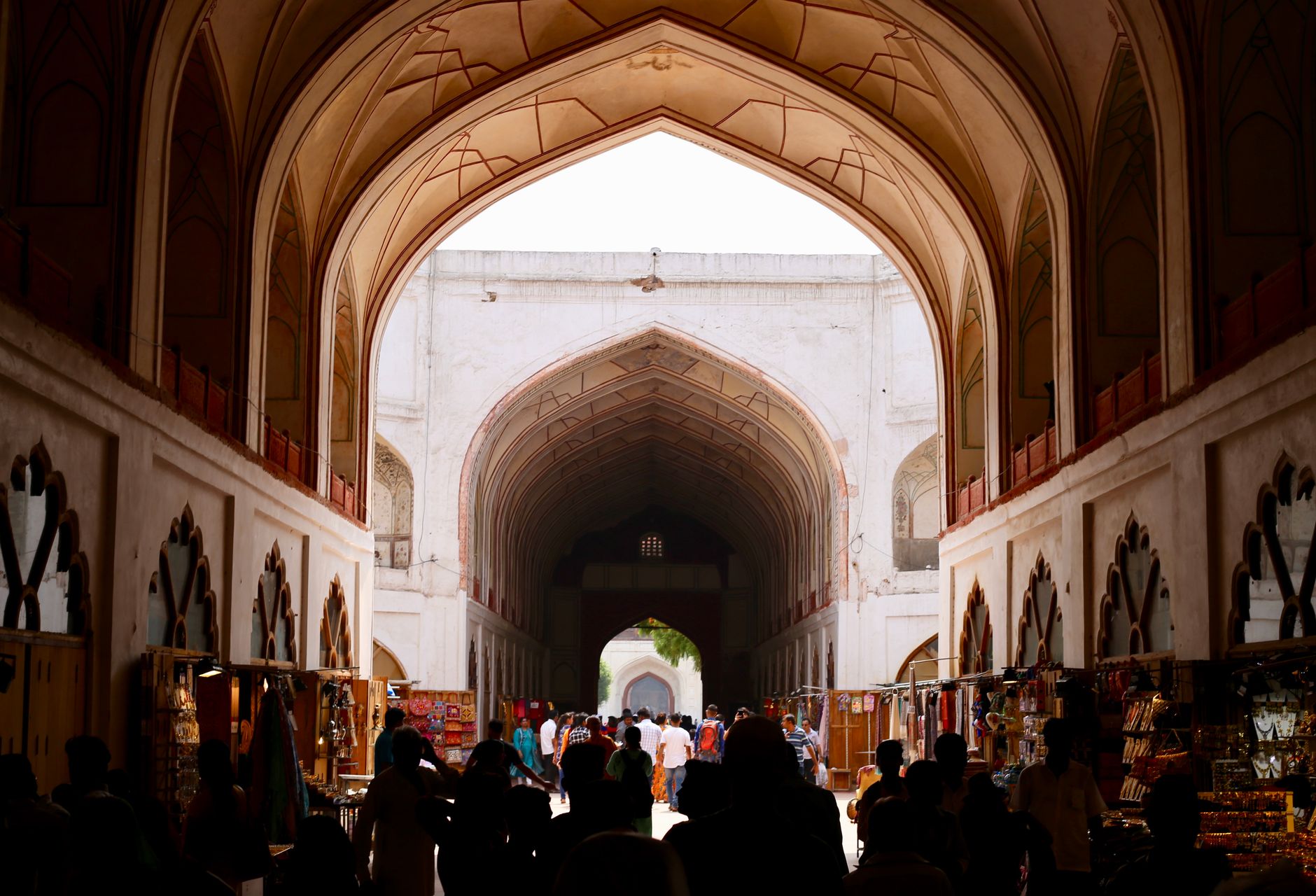
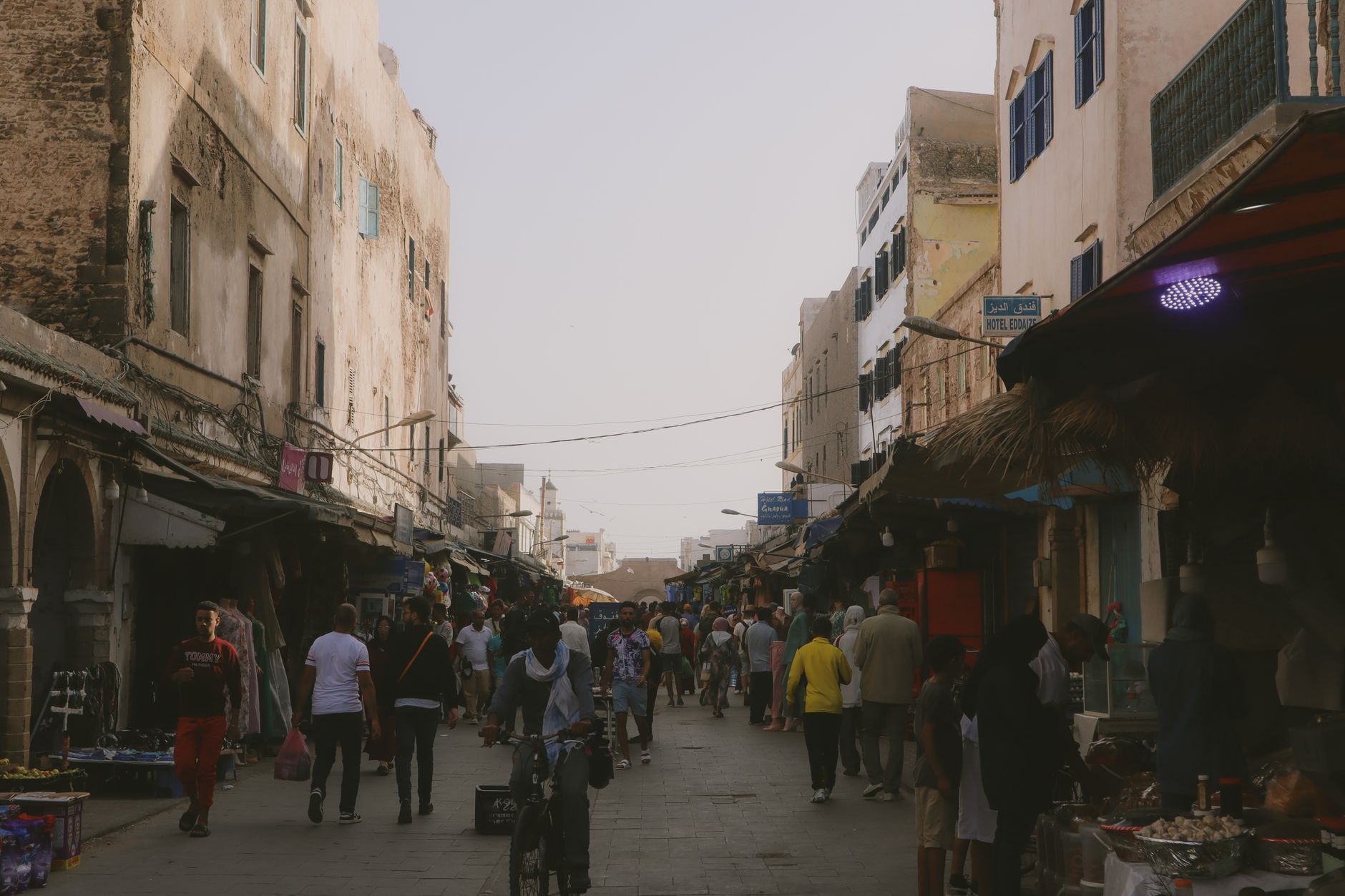
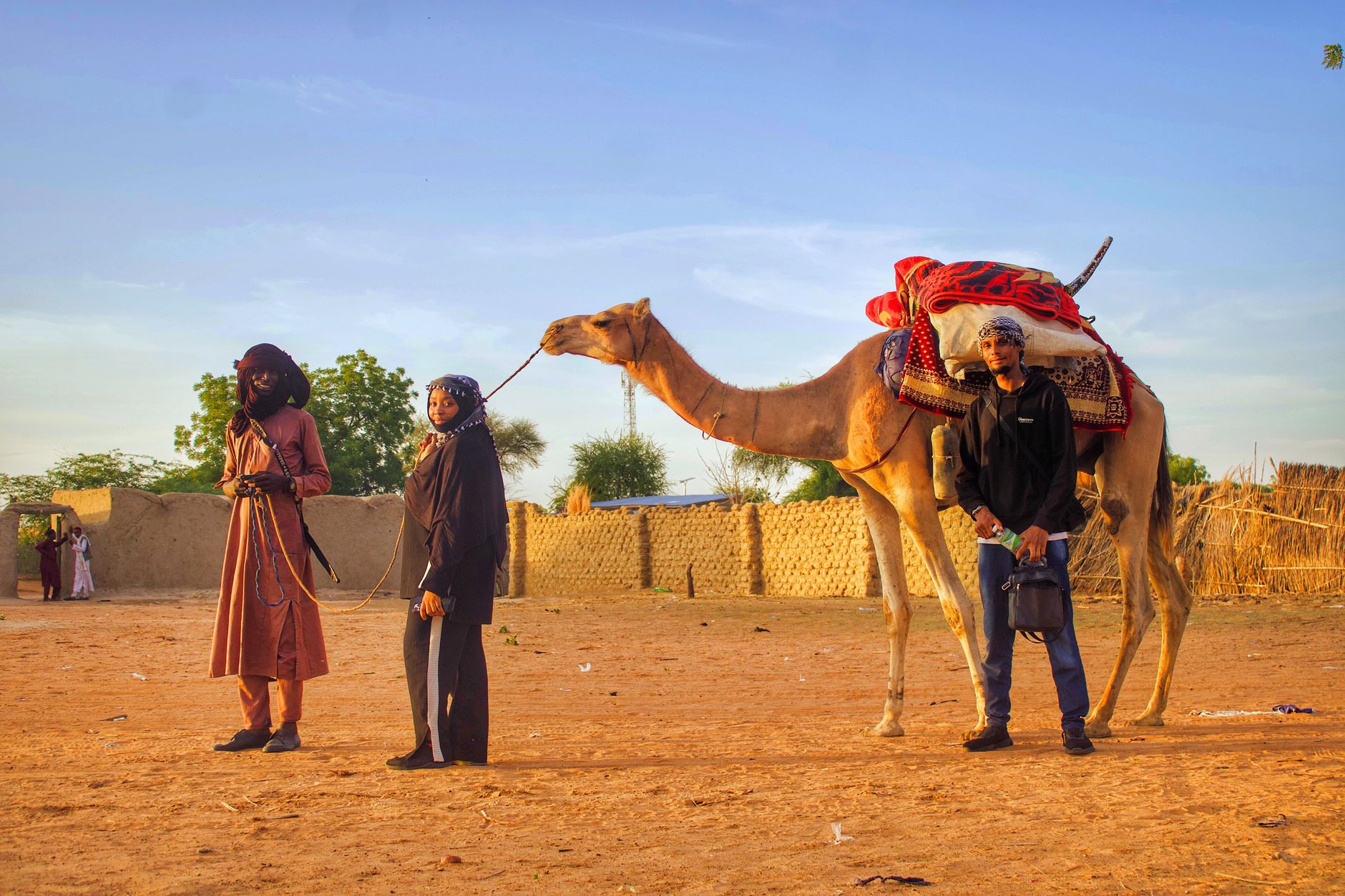
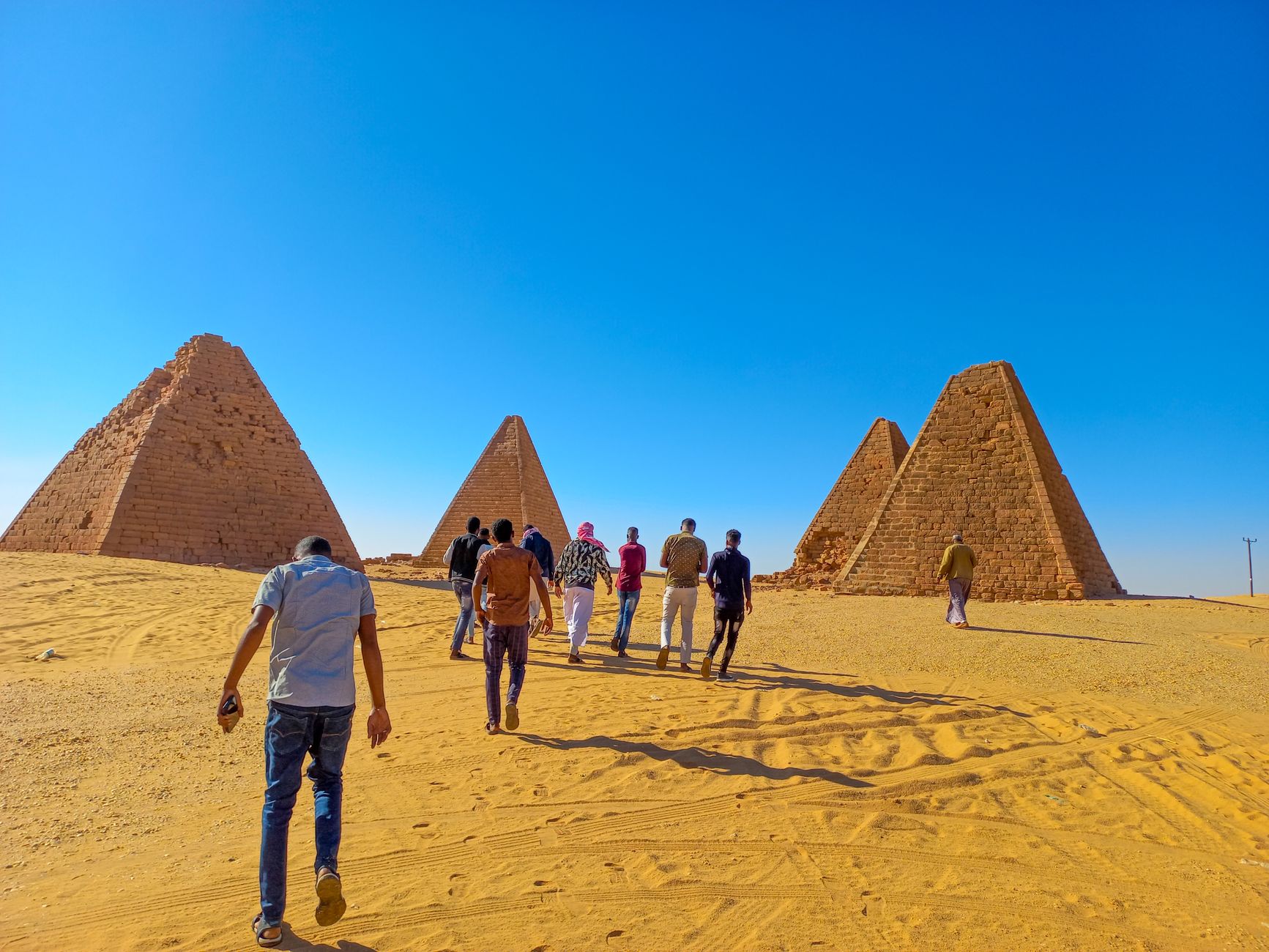
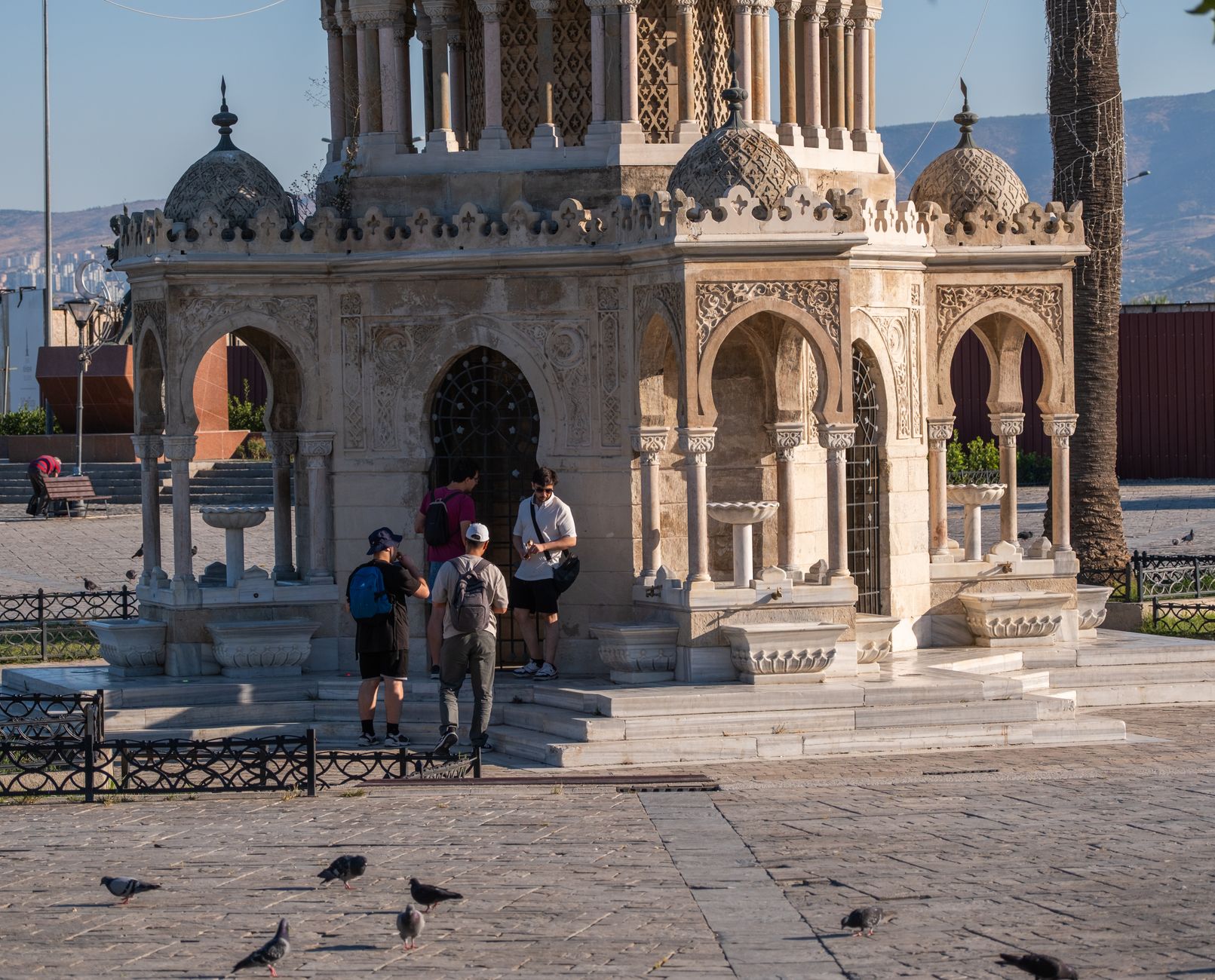
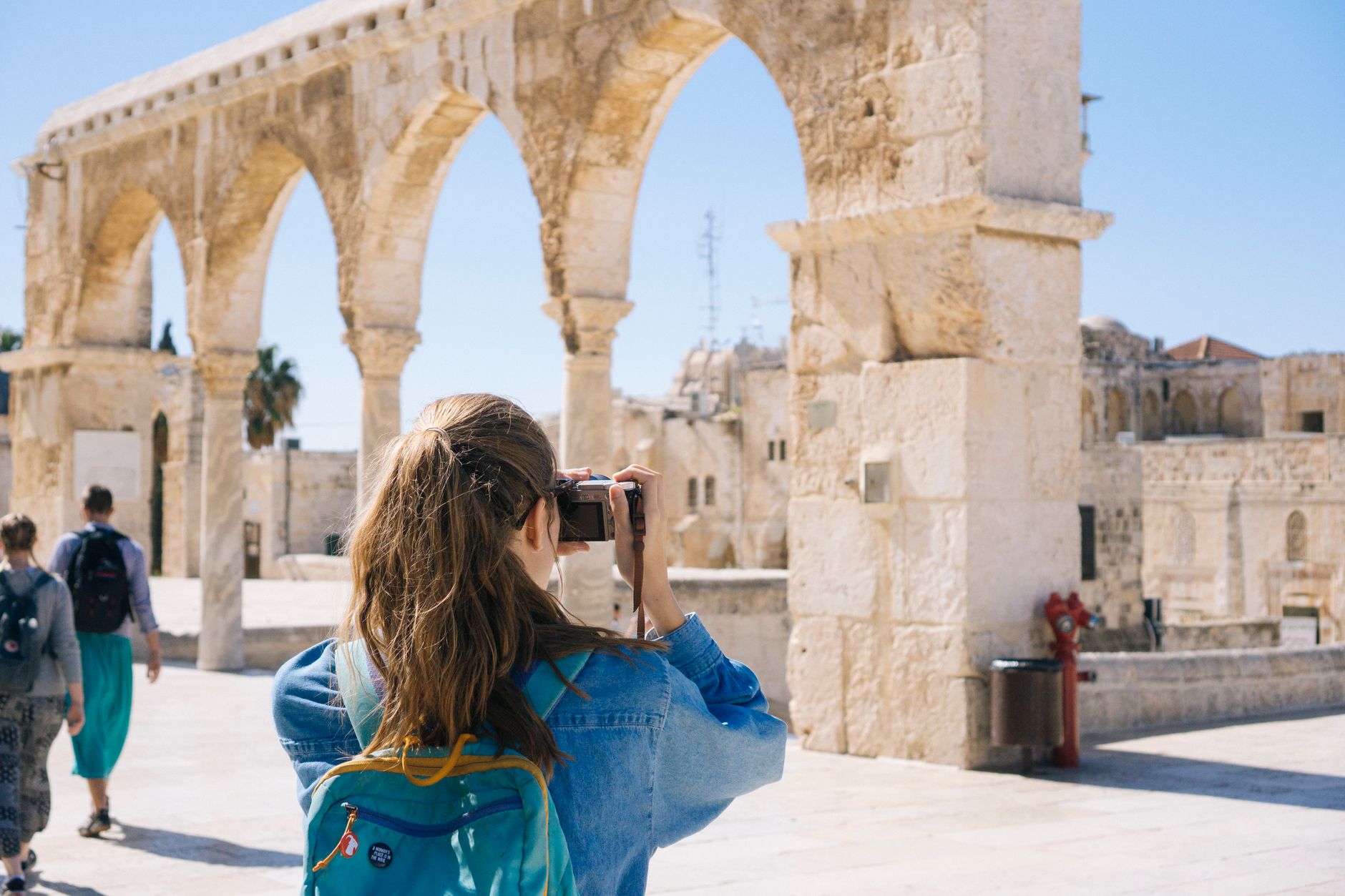
Omdurman announces itself with a silver dome. The Mahdi's tomb rises from the west bank of the Nile, catching the light in a way that stops you mid-step, and the rest of the city radiates outward from that point — souqs, mosques, clay-walled compounds, a clock tower outside the old city hall. This is Sudan's largest city by population, and for a brief, extraordinary period in the 1880s and 1890s, it was the capital of an independent Mahdist state that had expelled the most powerful colonial forces on the continent.
Friday evenings, the Hamad al-Nil Mosque fills with Sufi dervishes whose rhythmic spinning draws a circle of onlookers in the last hour before dark. That moment, more than any monument, tells you what kind of city this is.
💛 What travellers fall for
People who come back tend to go straight to Souq Al Naga for freshly grilled shaya before anything else, and they time the Khalifa House Museum for the cooler morning hours. The artefacts inside — including General Gordon's chair — reward slow looking. Evening at Omdurman Souq, when the heat lifts, is when the place makes the most sense.
Deals in Omdurman
Book directly at the provider
How Omdurman came to be
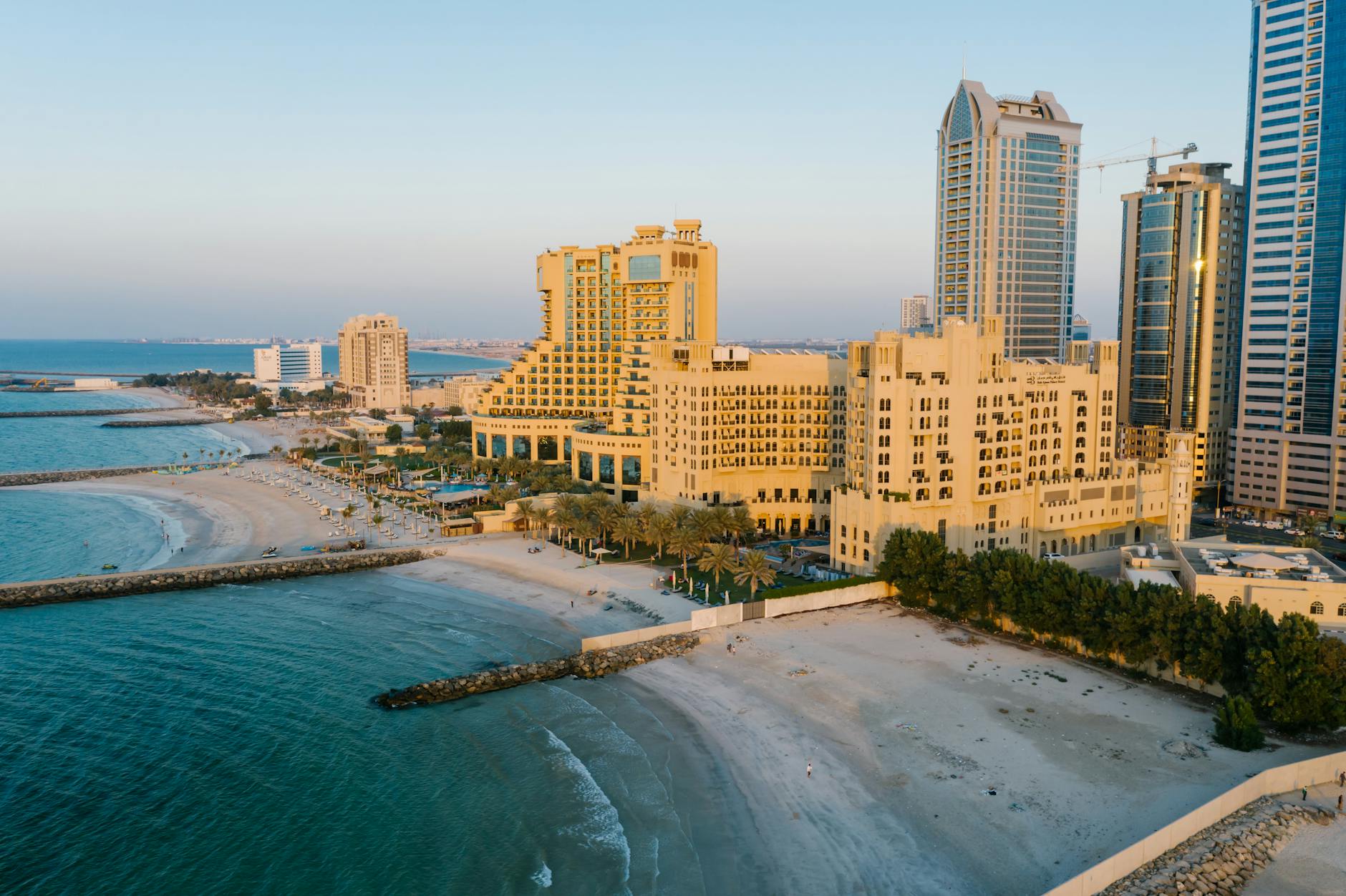
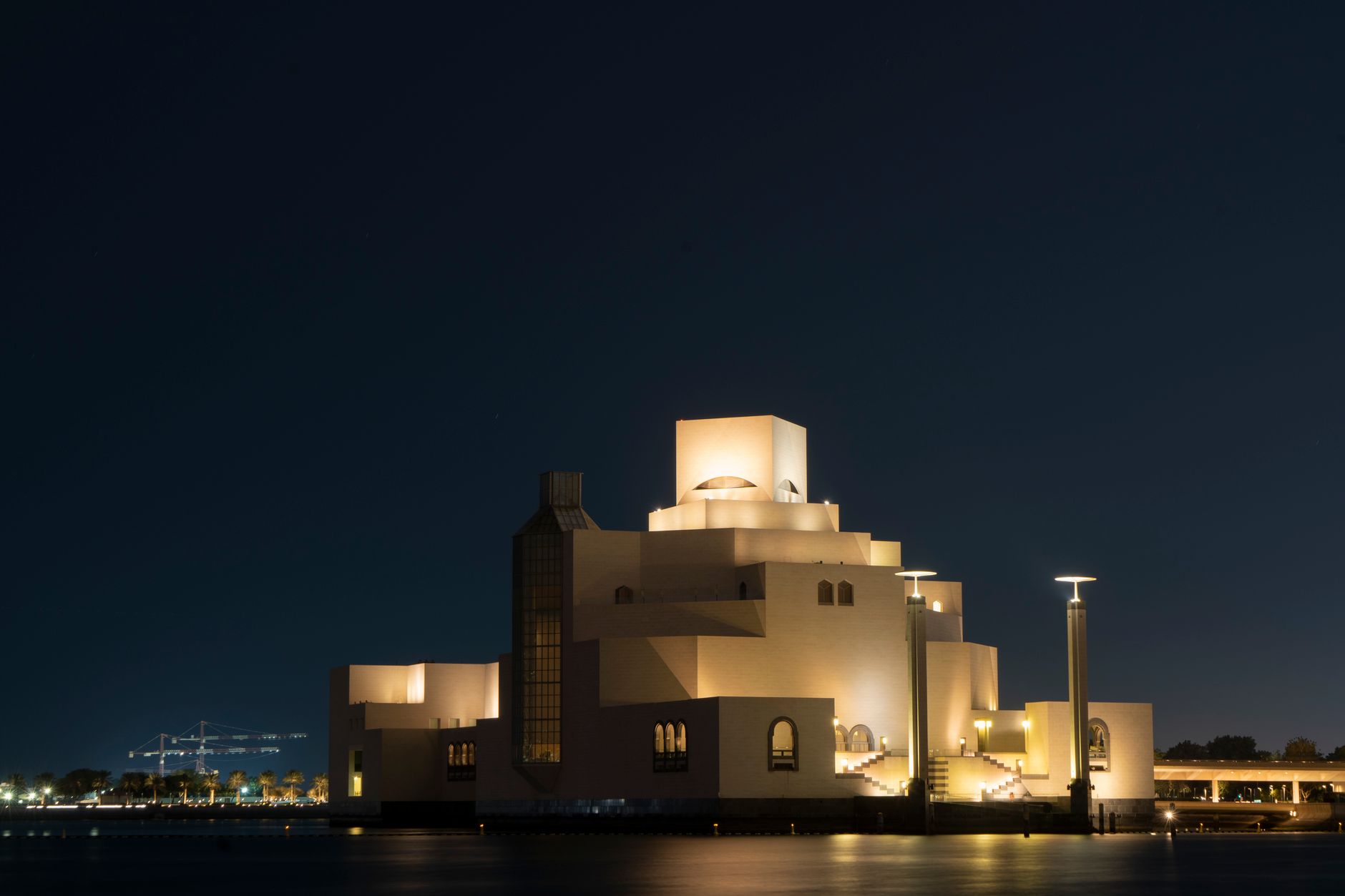
Omdurman was a village until 1884, when Muhammad Ahmad — the Mahdi, a religious leader who had declared a holy war against Ottoman-Egyptian rule — established his military headquarters here. He died the following year, but his successor, Khalifa Abdallahi ibn Muhammad, formally proclaimed Omdurman the capital of the Mahdist state. Through the late 1880s and 1890s the city grew into a genuine political and commercial centre, ringed by mud-and-rock defensive walls, portions of which still stand at the Abdul Qayyum Gate.
The era ended at the Battle of Omdurman in 1898, when Lord Kitchener's Anglo-Egyptian forces defeated the Mahdist army at the nearby village of Kerreri. Sudan passed into joint British-Egyptian governance until independence in 1956 — a moment led by Ismail al-Azhari, who was born in Omdurman and became the country's first Prime Minister.
Who and what shaped it
People who shaped it
Landmark buildings
See Omdurman in motion
Plan your visit
On the map
When to go
Omdurman is hot and largely dry; temperatures between November and February are the most manageable, often reaching the mid-20s Celsius by day. From April through September the heat is serious — mid-afternoon in summer can exceed 40°C — so early mornings and evenings become the working hours of any visit.
Right now
Background & history adapted from Wikipedia (CC BY-SA) · specs from Wikidata (CC0) · weather from Open-Meteo · map data © OpenStreetMap contributors · photos from Wikimedia Commons / Unsplash with per-image credit. No third-party reviews or social posts reproduced.