
Olite
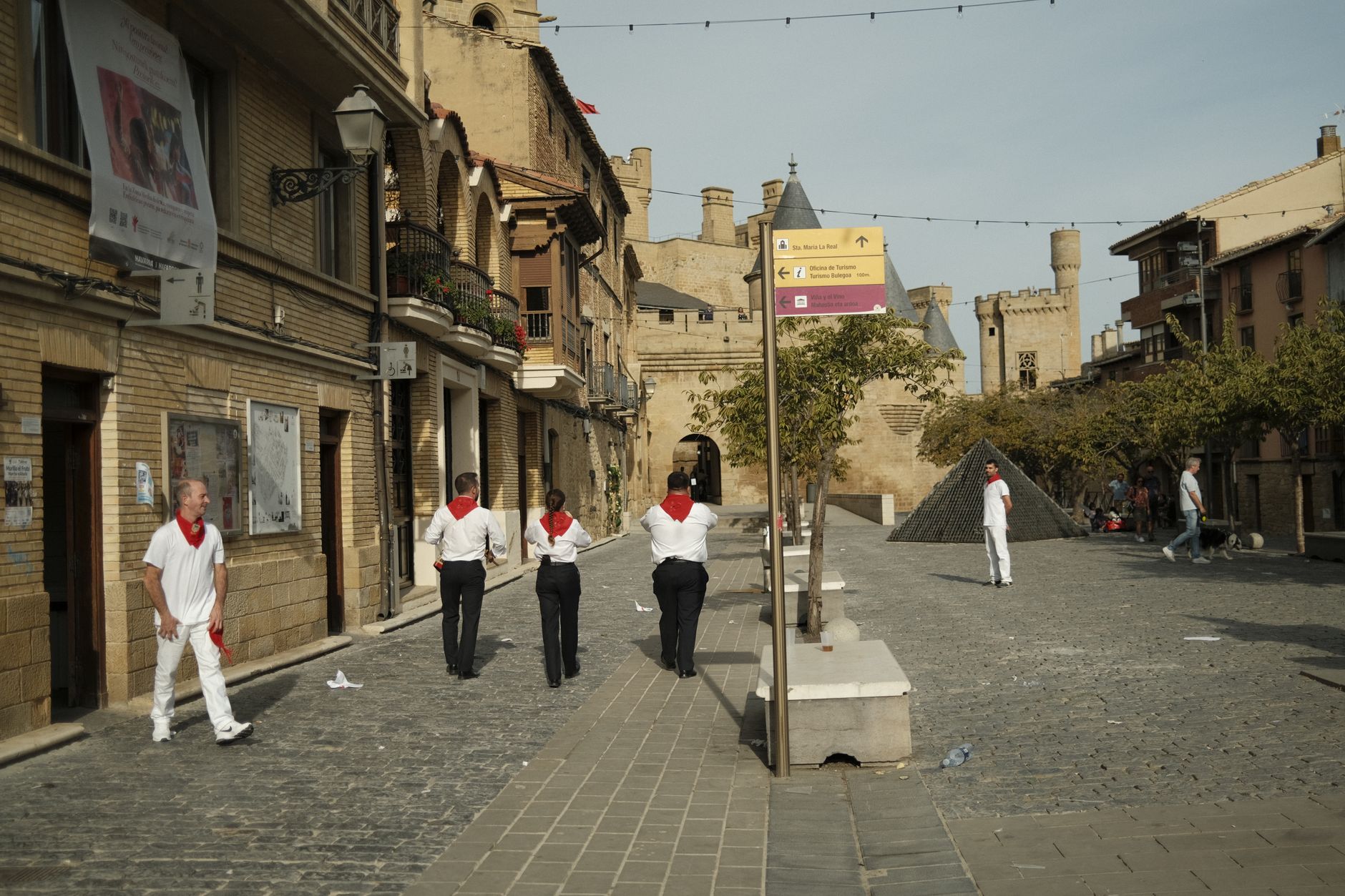
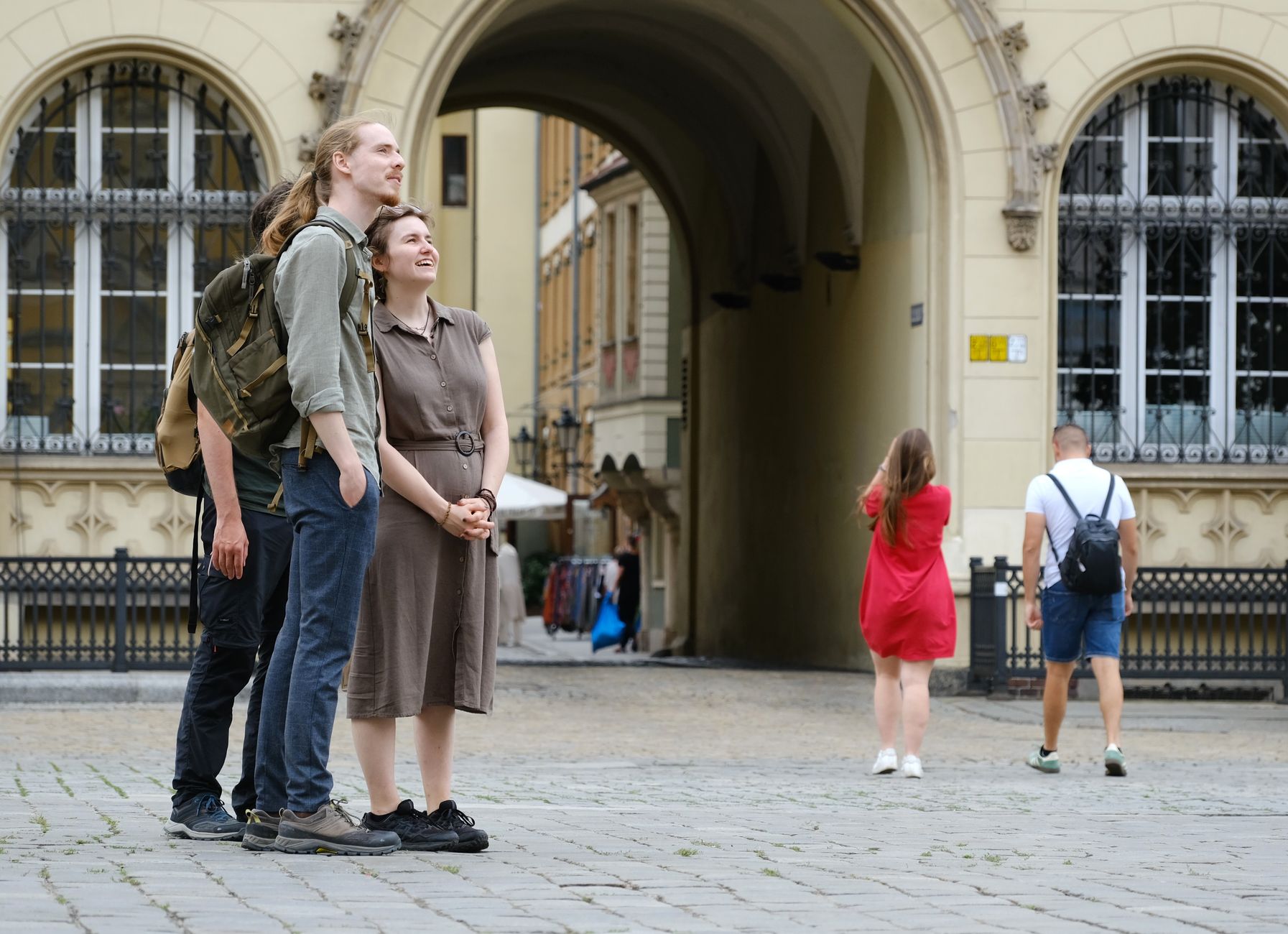
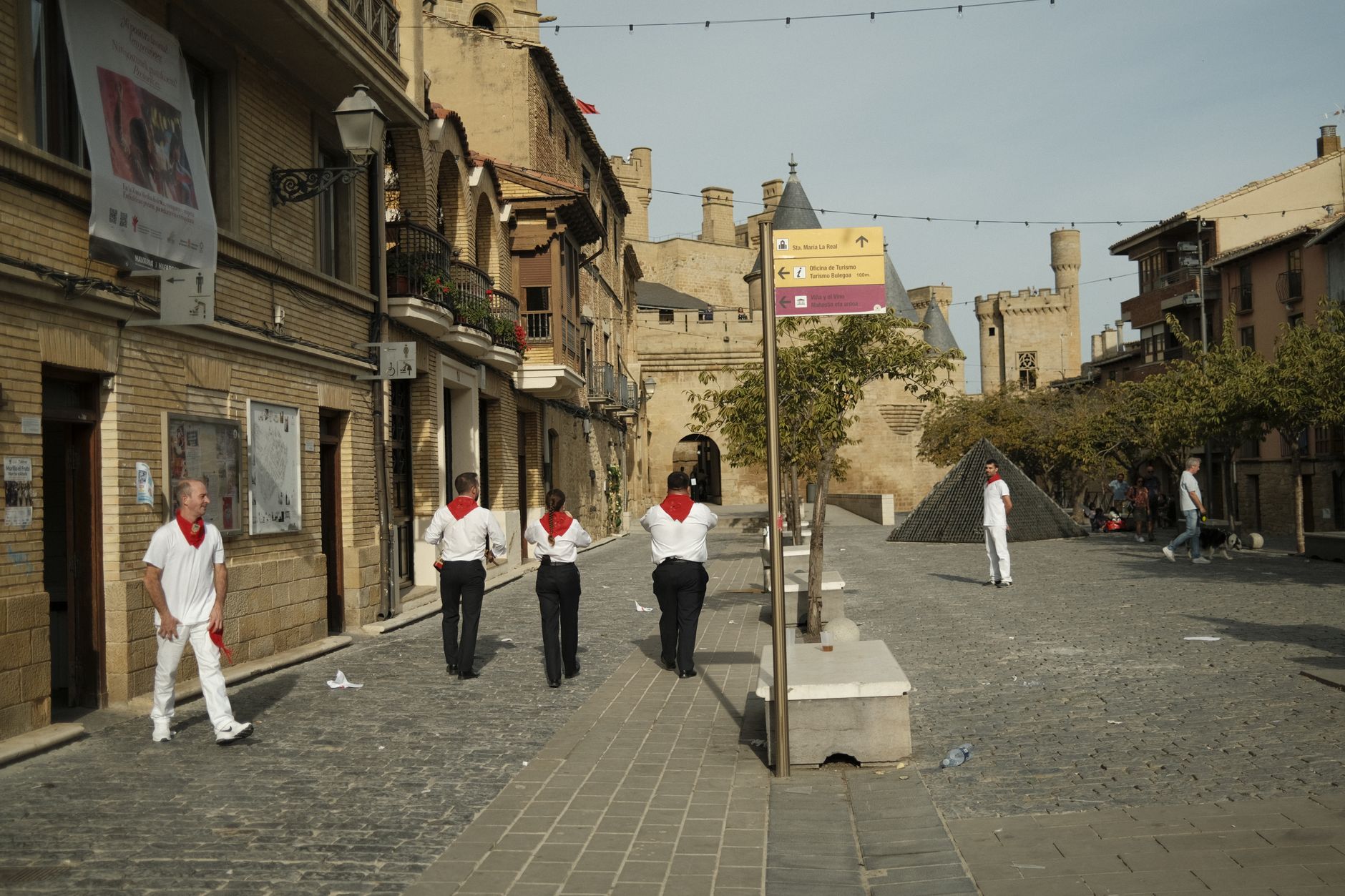
The towers of Olite's Royal Palace rise above the Navarrese plain like something a medieval king dreamed up after too much wine — which, given Charles III's documented ambitions, is not far from the truth. Seven towers, French Gothic stonework, Mudejar ornament, and gardens once planted with jasmine and citron fruits that had never been seen in Europe: this was the seat of the Kingdom of Navarre until 1512, and the town has been living in that shadow, mostly contentedly, ever since.
Today Olite is compact enough to walk in an afternoon but layered enough to reward a night's stay. The palace, the two medieval churches, the old walls — they all sit within a few minutes of each other, and the parador inside the Old Palace means you can sleep in what was once a royal fortress.
💛 What travellers fall for
People who return to Olite tend to mention the same thing: climb the Tower of the Vit — 133 spiral steps — early, before the tour groups arrive, and you get the plain to yourself. Then double back to the Church of San Pedro's Romanesque cloister, which most visitors walk past without stopping.
Experiences you don't want to miss



Deals in Olite
Book directly at the providerHow Olite came to be
Olite's origins stretch back to the Visigoths: King Swinthila founded a settlement here in the early seventh century to keep watch over the Vascones, though the town then disappears from the record for five centuries. It resurfaces in the 12th century when García IV Ramírez granted it a charter and market rights, and Teobaldo II later added a fifteen-day annual fair that pulled merchants from across the region.
The palace that defines Olite today was the project of Charles III, who became king in 1387 and commissioned the New Palace in 1399 after his wife, Leonor de Trastámara, declined to live in the older Gothic structure. Construction ran until 1420, with Catalan painters, French artists, and craftsmen Charles had dispatched to study palaces in France and Castile all contributing to the result. When Napoleon's forces moved through in 1813, General Espoz y Mina burned much of it rather than leave it to the French. Restoration by architects José and Javier Yarnoz Larrosa began in 1937 and took thirty years.
Who and what shaped it
People who shaped it
Landmark buildings
See Olite in motion
Plan your visit
On the map
When to go
Olite sits on an open plain with a continental climate: summers are hot and dry, often pushing above 35°C in July and August, while winters are cold and occasionally frosty. April through June and September through October offer the most comfortable conditions for walking the old town and the palace grounds.
Right now
Background & history adapted from Wikipedia (CC BY-SA) · specs from Wikidata (CC0) · weather from Open-Meteo · map data © OpenStreetMap contributors · photos from Wikimedia Commons / Unsplash with per-image credit. No third-party reviews or social posts reproduced.