
Oberwesel
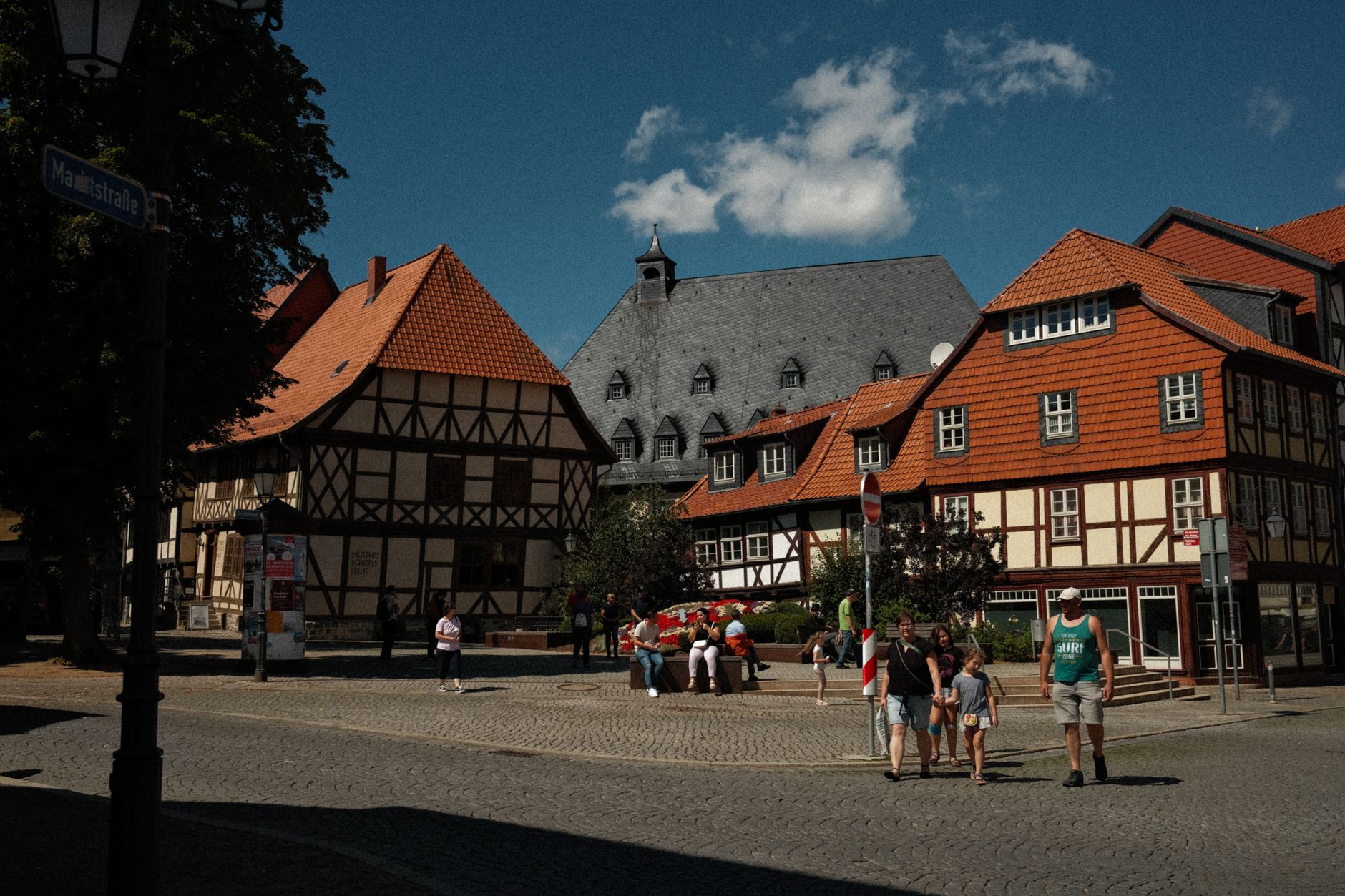
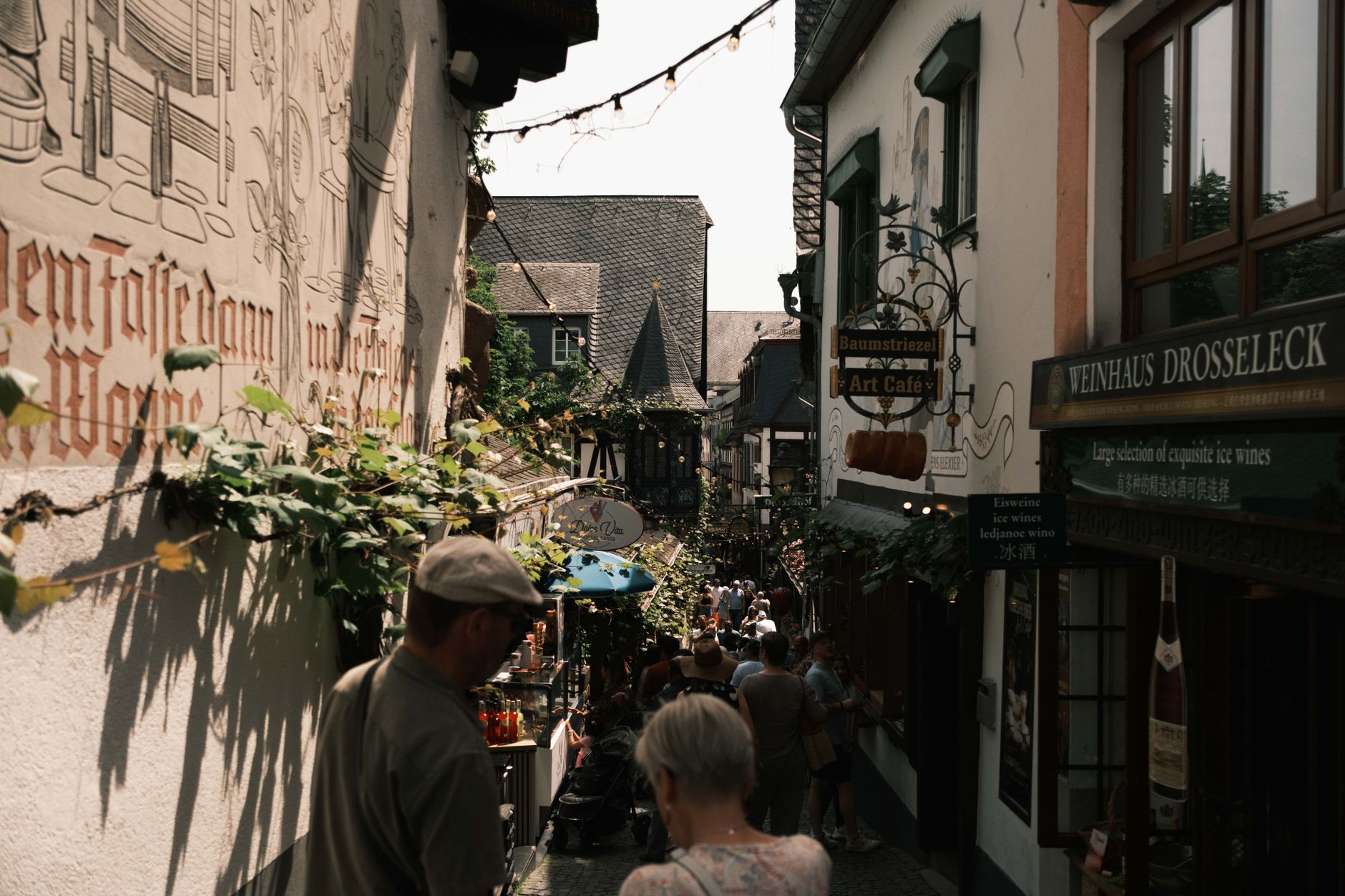

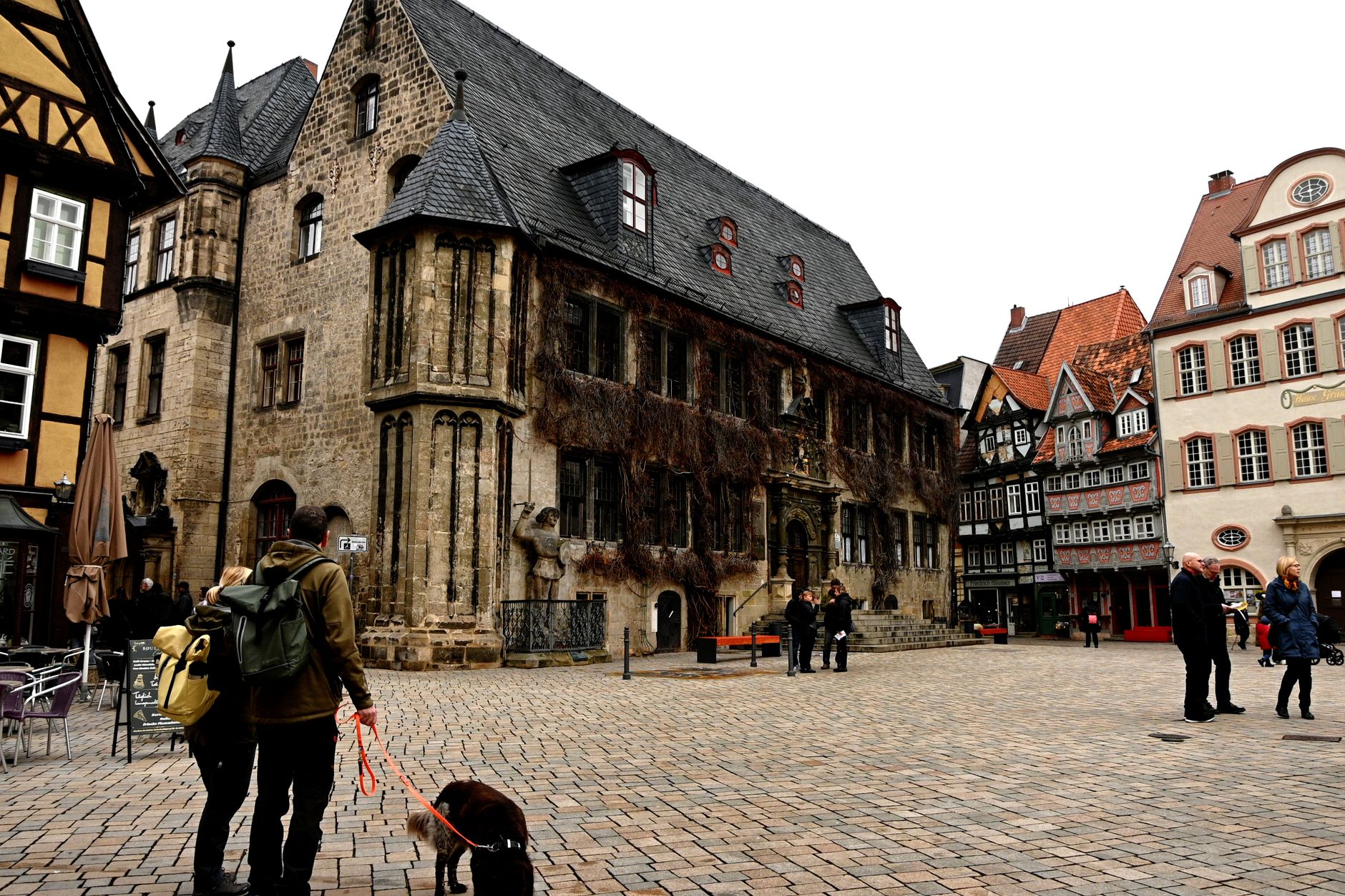
Oberwesel keeps sixteen medieval towers standing along its Rhine-side walls — a fortification that took two hundred years to build and has outlasted armies, floods, and the French burning the place to the ground in 1689. Walk the wall-walk on a quiet morning and you get the town's logic all at once: vines climbing the slopes above, the river wide and slow below, Schönburg Castle presiding from its crag.
The town is compact enough to cover on foot in a few hours, but specific things earn longer attention — a gold altar in the Liebfrauenkirche with fifty-six individual figures, a ruined Franciscan monastery Napoleon dissolved in 1802, and a farmhouse relocated here for a TV shoot that now pours local Riesling.
💛 What travellers fall for
People who come back tend to time a visit around the Liebfrauenkirche's afternoon opening, then follow it with wine at Günderodehaus before the kitchen closes. The ferry crossing from Kaub is worth doing for its own sake — a two-minute trip that reframes the whole riverbank.
Deals in Oberwesel
Book directly at the provider

How Oberwesel came to be
The Romans used the site as a relay post, and a Celtic settlement may have preceded them — the town's earliest recorded names, Vosavia or Volsolvia, suggest a pre-Roman presence. The decisive moment came in 1220, when Holy Roman Emperor Frederick II granted Oberwesel the status of free imperial city and construction of the walls began. The town joined the Rhenish League of Towns in 1255, a coalition of Rhine cities asserting collective rights, before losing its imperial status in 1309 and passing to the Electorate of Trier.
The Nine Years' War brought French forces in 1689, destroying much of what centuries had built — Schönburg Castle among it. French Revolutionary troops occupied the town again in 1794, and by 1802 it had been annexed outright. After the Congress of Vienna it passed to Prussia, setting it on the path to becoming part of unified Germany.
Who and what shaped it
People who shaped it
Landmark buildings
See Oberwesel in motion
Plan your visit
On the map
When to go
The Rhine Valley runs mild relative to much of Germany — spring and early autumn are the most comfortable seasons for walking the walls, with summer bringing warmth but also river-cruise crowds. Winter is quiet and often grey, though the fortifications look striking under low light.
Right now
Background & history adapted from Wikipedia (CC BY-SA) · specs from Wikidata (CC0) · weather from Open-Meteo · map data © OpenStreetMap contributors · photos from Wikimedia Commons / Unsplash with per-image credit. No third-party reviews or social posts reproduced.