
Nuits-Saint-Georges
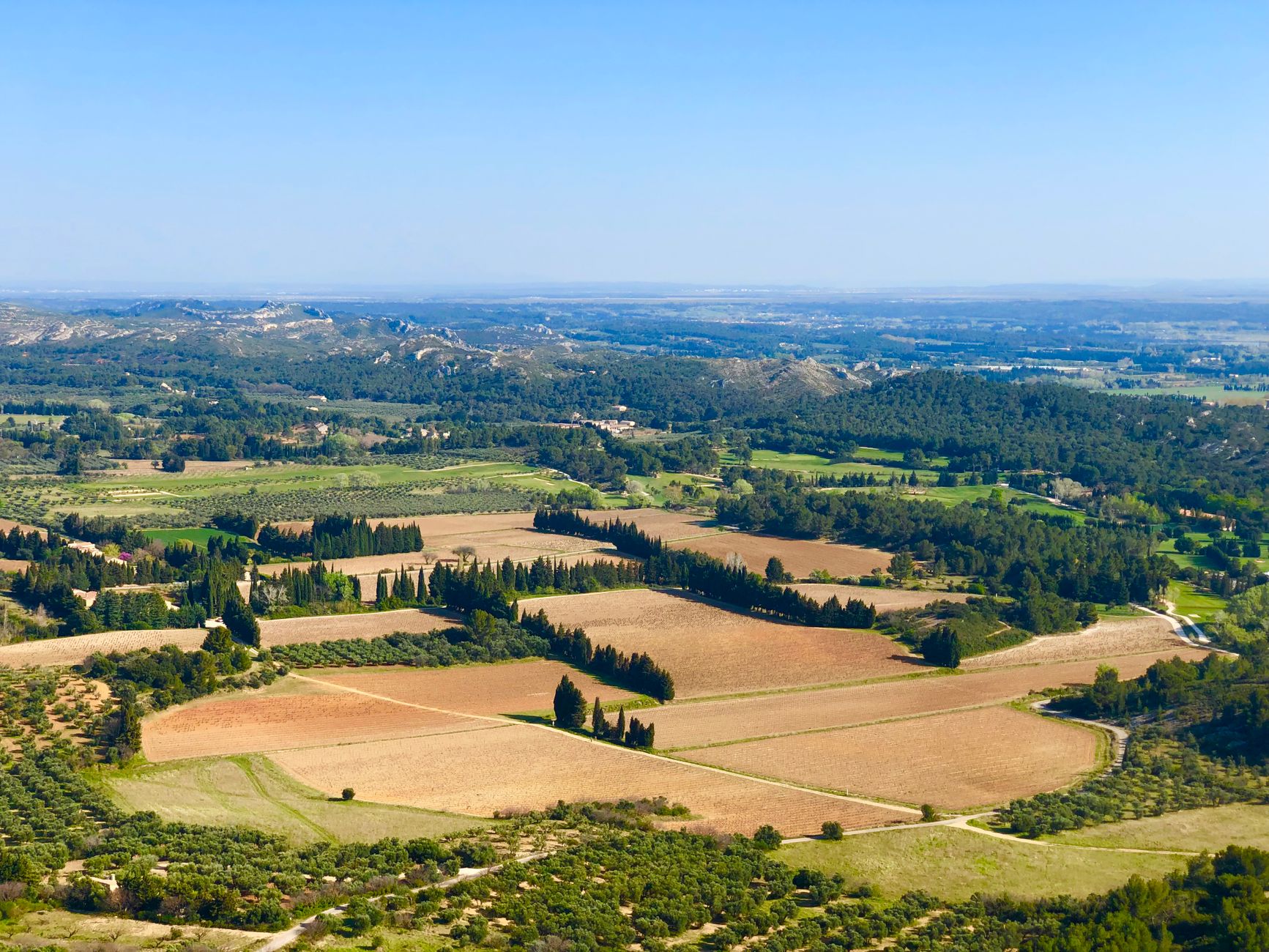
The name has nothing to do with nights. Nuits comes from *nutium* — Latin for walnuts — a nod to the hazelnut and walnut trees that once defined these slopes before the vine took over completely. Today the town's identity is so thoroughly tied to its grand cru vineyards that in 1892 it formally appended the name of its most celebrated plot, Les Saint-Georges, to its own. The vineyard itself dates to the year 1000.
Beneath the surface, literally, there's another story: Gallo-Roman excavations at Bolards show a trading crossroads here from the 1st century, and a seam of local limestone called the Comblanchien runs south from town all the way to Nevers, once making the region's quarries as famous as its cellars.
💛 What travellers fall for
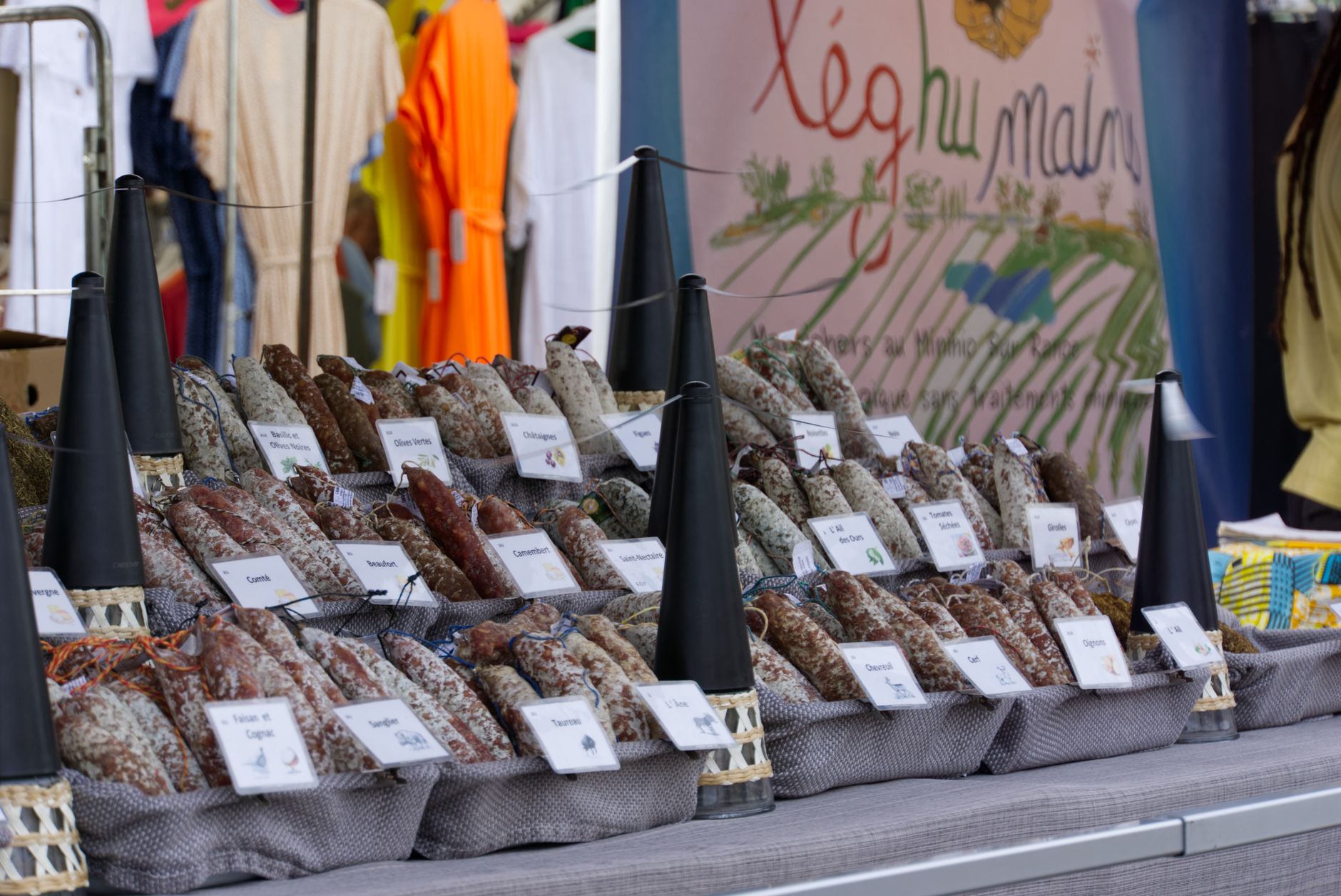
People who come back tend to time it for a Friday, when the market runs and many of the wine growers' cellars are open on foot. The belfry is worth a look for the 1619 bell alone. And if you're in town in September, the Château d'Entre-Deux-Monts opens its doors for the Journées du Patrimoine — one of those rare chances to see a private estate properly.
Experiences you don't want to miss



Deals in Nuits-Saint-Georges
Book directly at the provider

How Nuits-Saint-Georges came to be
Romans planted vines on these clay-limestone slopes in the 1st century, and the ground has barely stopped producing since. Cîteaux Abbey, the Cistercian mother house founded in 1098, shaped the region's viticultural philosophy for centuries. The formal appellation of Nuits-Saint-Georges was granted in September 1936 — but the commercial ambition came earlier: Henri Gouges, who formed his domaine in 1920, was among the first in Burgundy to bottle and sell his own wine rather than sell fruit to négociants, a transition complete by 1933.
In 1934, wine merchants Georges Faiveley and Camille Rodier founded the Confrérie des Chevaliers du Tastevin here — the brotherhood that turned Burgundy's wine culture into something with ceremony and staying power. By 1892, the town had already rebranded itself around its most important vineyard. The railway, which arrived in 1849 under the provisional name 'Nuits-sous-Beaune', made the wine exportable. The rest followed.
Who and what shaped it
People who shaped it
Landmark buildings
See Nuits-Saint-Georges in motion
Plan your visit
On the map
When to go
Summers are warm — July averages a high of 27°C — while winters run genuinely cold, with January highs around 7°C and frequent wind. May, June, and September sit in the sweet spot: temperatures between 20°C and 26°C, manageable rainfall, and the vines at their most photogenic.
Right now
Background & history adapted from Wikipedia (CC BY-SA) · specs from Wikidata (CC0) · weather from Open-Meteo · map data © OpenStreetMap contributors · photos from Wikimedia Commons / Unsplash with per-image credit. No third-party reviews or social posts reproduced.