
Northern Serengeti (Lamai Wedge)
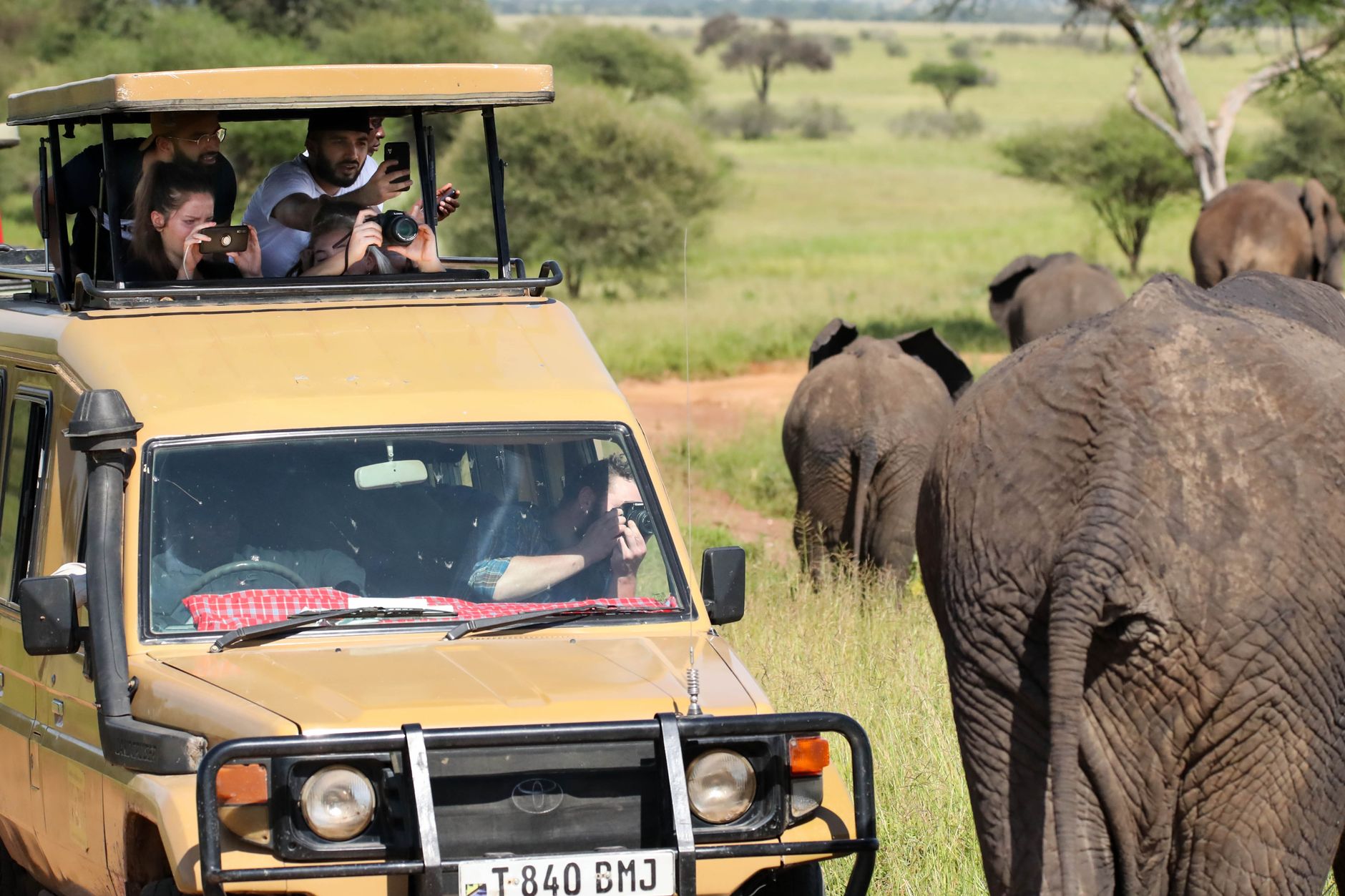


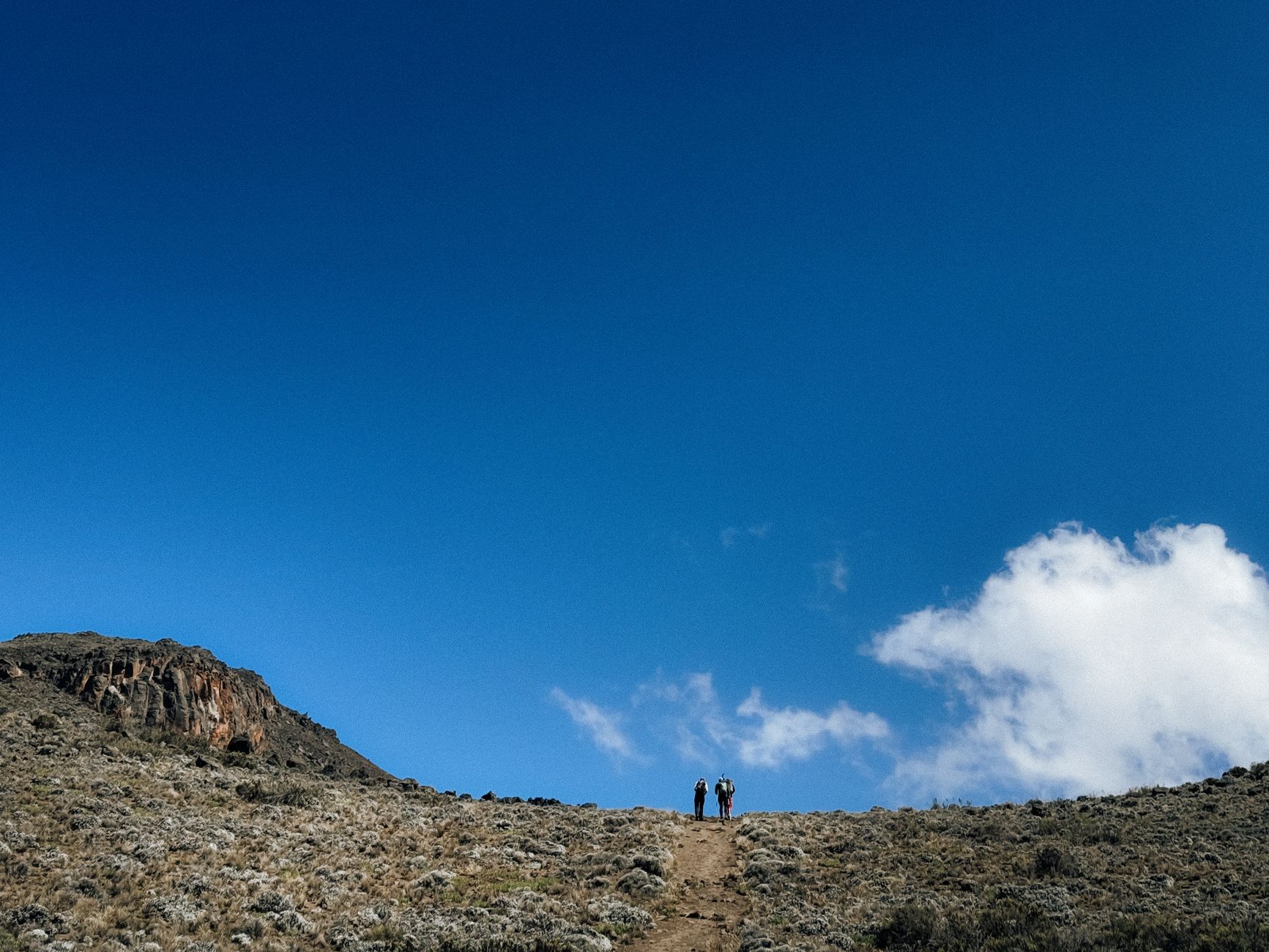

The Lamai Wedge sits at the top of the Serengeti like a triangle someone drew with a ruler — bounded by the Mara River to the south and east, the Kenyan border to the north. Getting here means crossing that river on a small seasonal bridge and driving rough road for the better part of an hour from Kogatende Airstrip, through acacia woodland that opens suddenly onto vast, shadow-striped plains dotted with Desert date trees.
What the distance buys you is silence. There simply aren't enough beds up here to generate crowds, so when a column of wildebeest pushes toward the water, you watch it on your own terms. Four resident lion prides work this territory year-round, leopards move through regularly, and elephant herds cross the plains with the unhurried confidence of animals that rarely see a second vehicle.
💛 What travellers fall for
People who've been more than once tend to say the same thing: fly in, don't drive from central Serengeti unless you enjoy corrugated red earth for five hours. June is the quiet window — the tail of the Grumeti crossings, the beginning of the northern push, almost no one else around. Book four nights minimum; three always feels like you arrived just as something was starting.
How Northern Serengeti (Lamai Wedge) came to be
The Lamai Wedge was added to Serengeti National Park in 1965, specifically to create a continuous corridor for wildebeest moving between the Serengeti plains and the Loita Plains to the north — a recognition that the migration didn't stop at an administrative line.
The park itself had a longer and more contested formation. The British colonial administration established a game reserve here in 1921, and Serengeti was formally gazetted as a national park in 1951. In 1959, the Maasai people who had lived within its boundaries were relocated to the Ngorongoro Conservation Area. German explorer Dr. Oscar Baumann had passed through in 1882, the first European to document the region; later, Bernhard Grzimek and his son Michael brought international attention to the ecosystem through their book and film, Serengeti Shall Not Die.
Who and what shaped it
People who shaped it
Landmark buildings
Plan your visit
On the map
When to go
The dry season from May through October is when most people come — cooler mornings (down to 13°C in June and July), warm afternoons, and no mud on the river crossings. The short rains arrive unpredictably in November and December; the long rains run March through May and make the seasonal bridge unreliable.
Right now
Background & history adapted from Wikipedia (CC BY-SA) · specs from Wikidata (CC0) · weather from Open-Meteo · map data © OpenStreetMap contributors · photos from Wikimedia Commons / Unsplash with per-image credit. No third-party reviews or social posts reproduced.