
North Shore
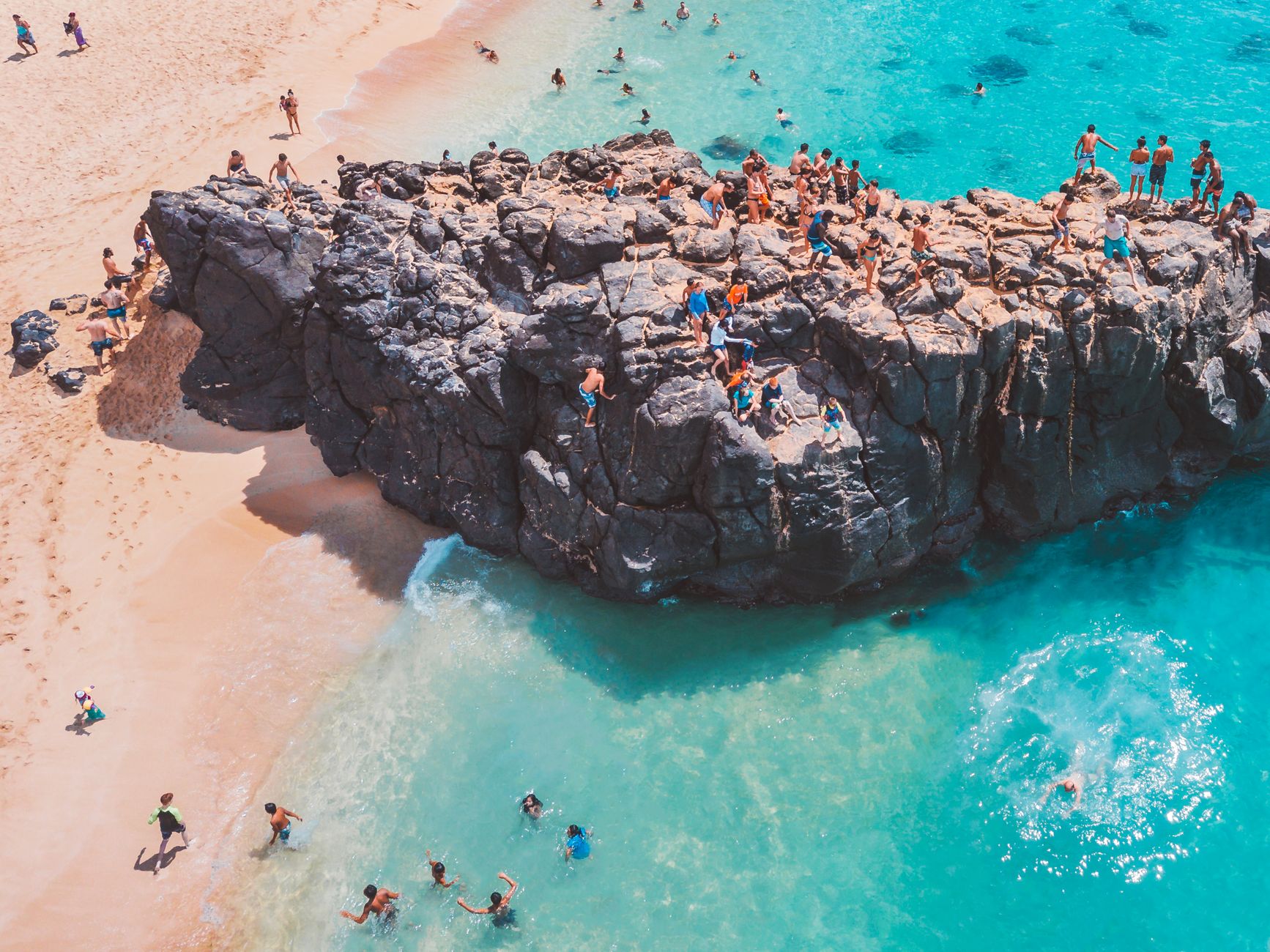
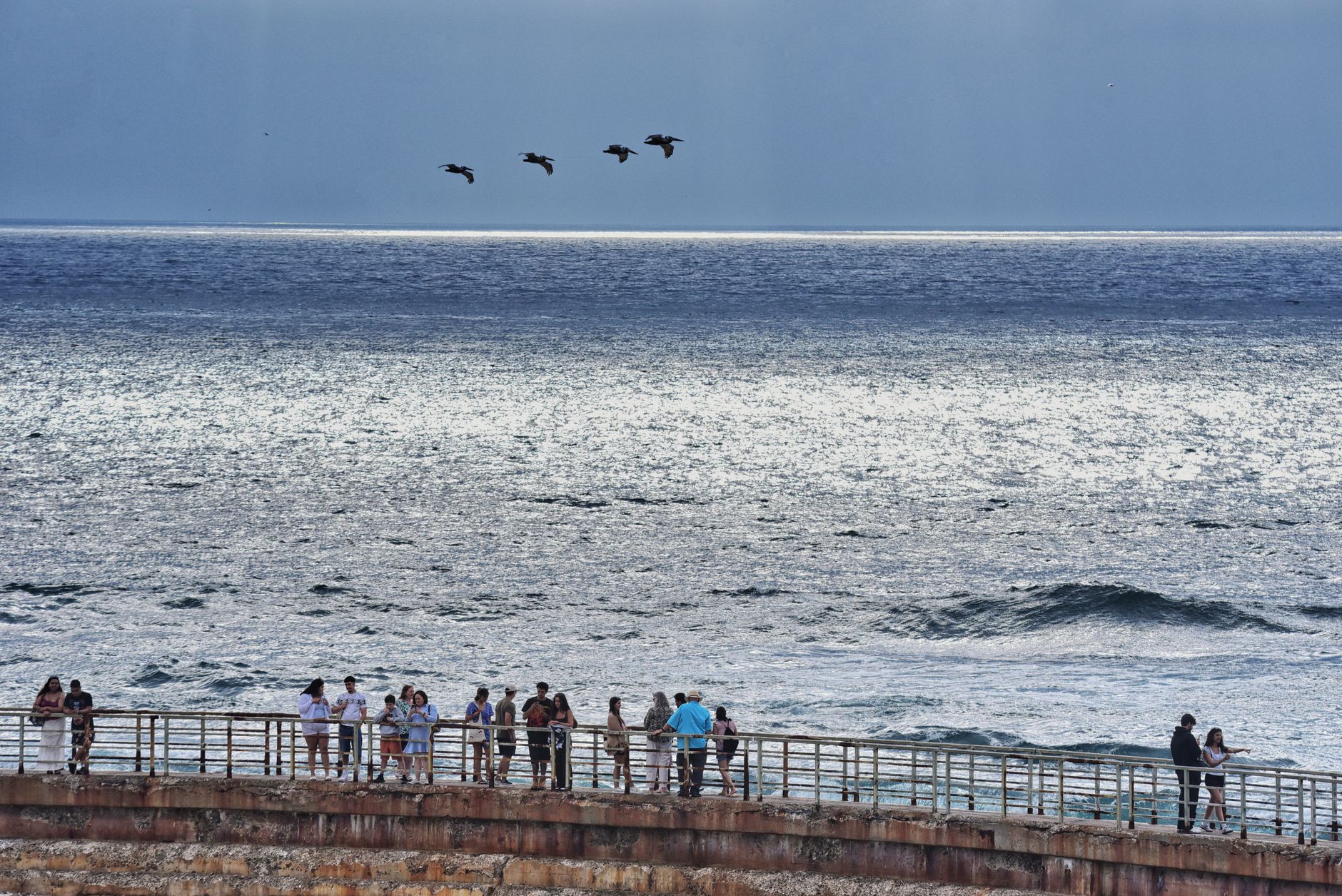
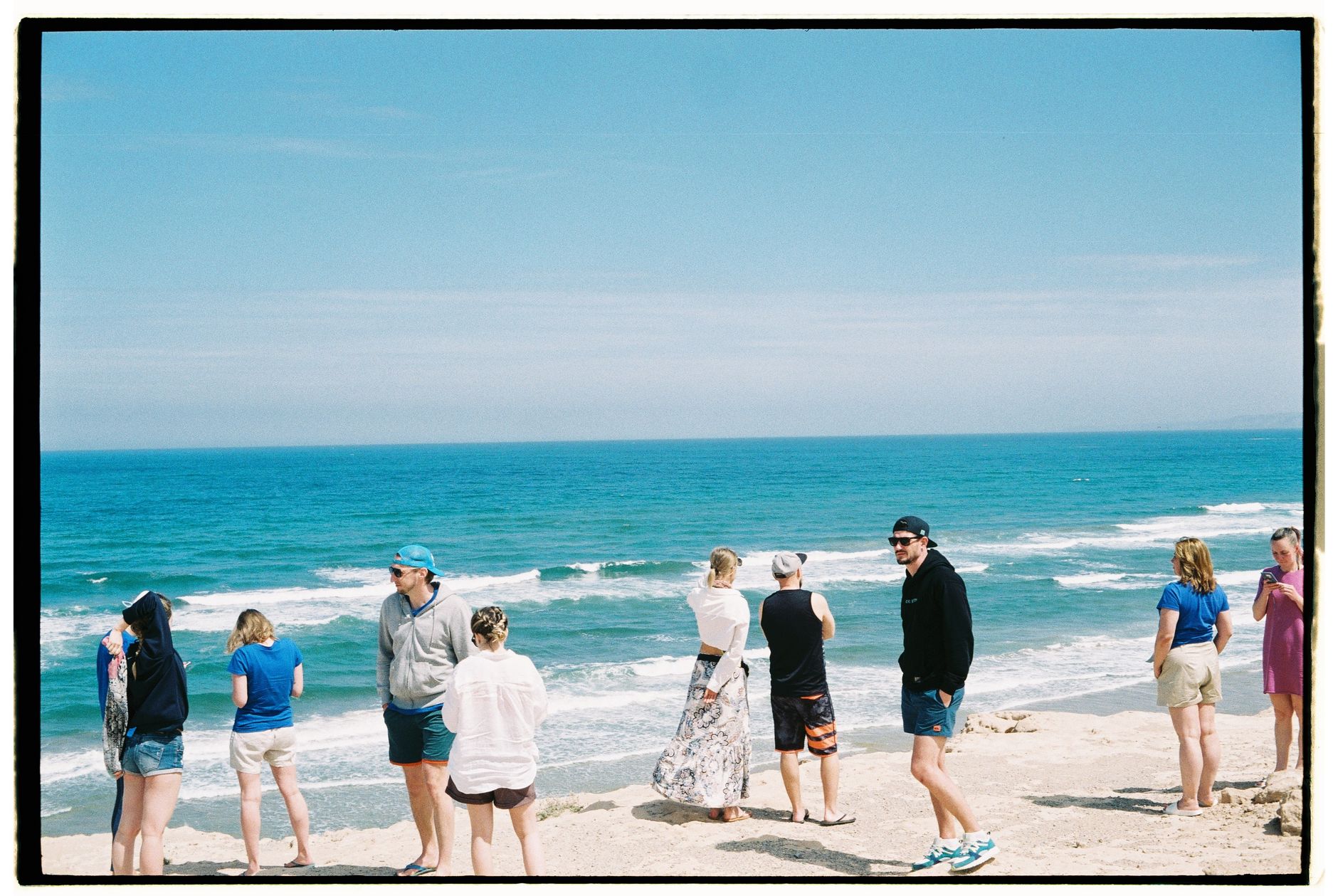
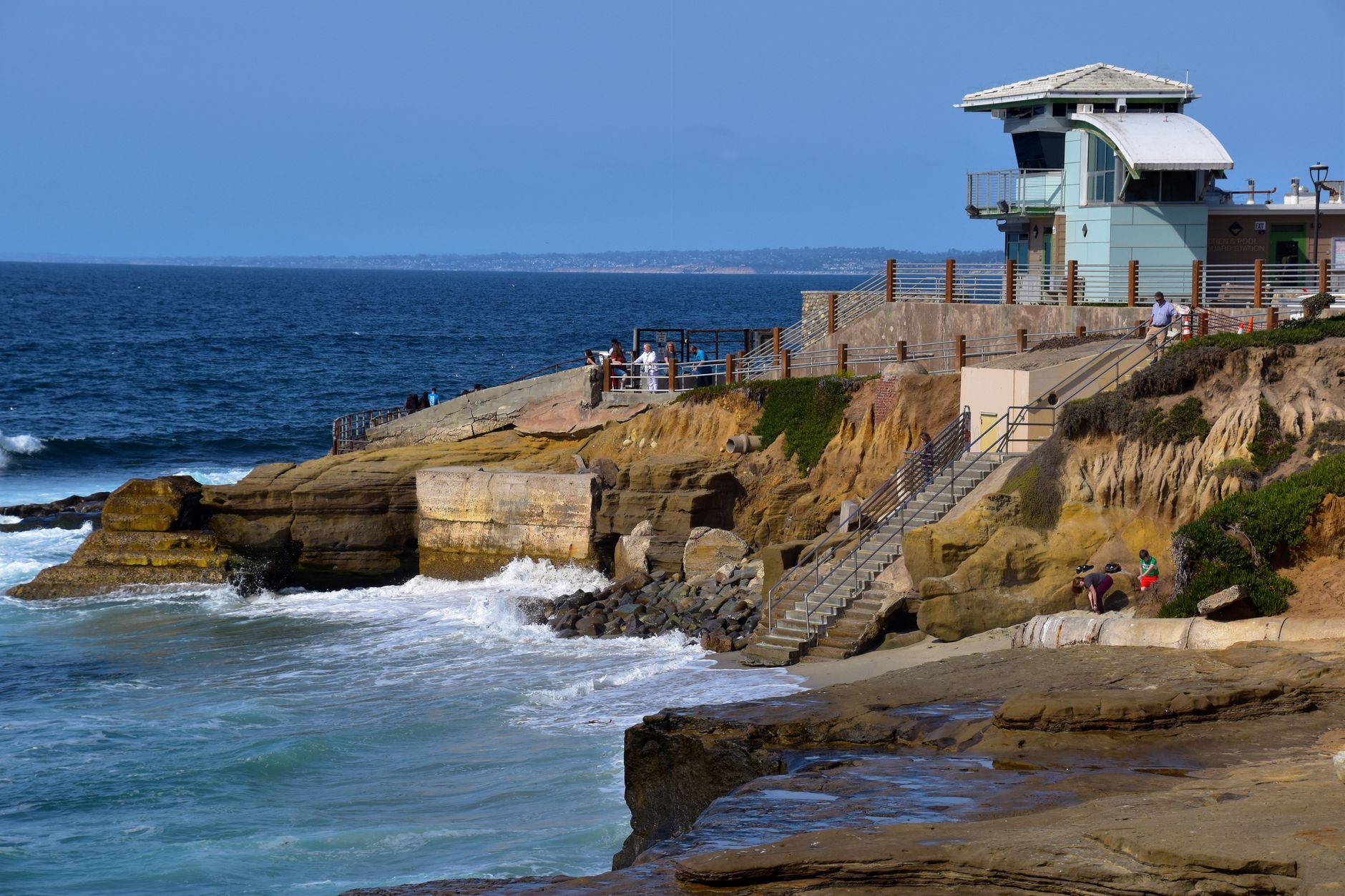
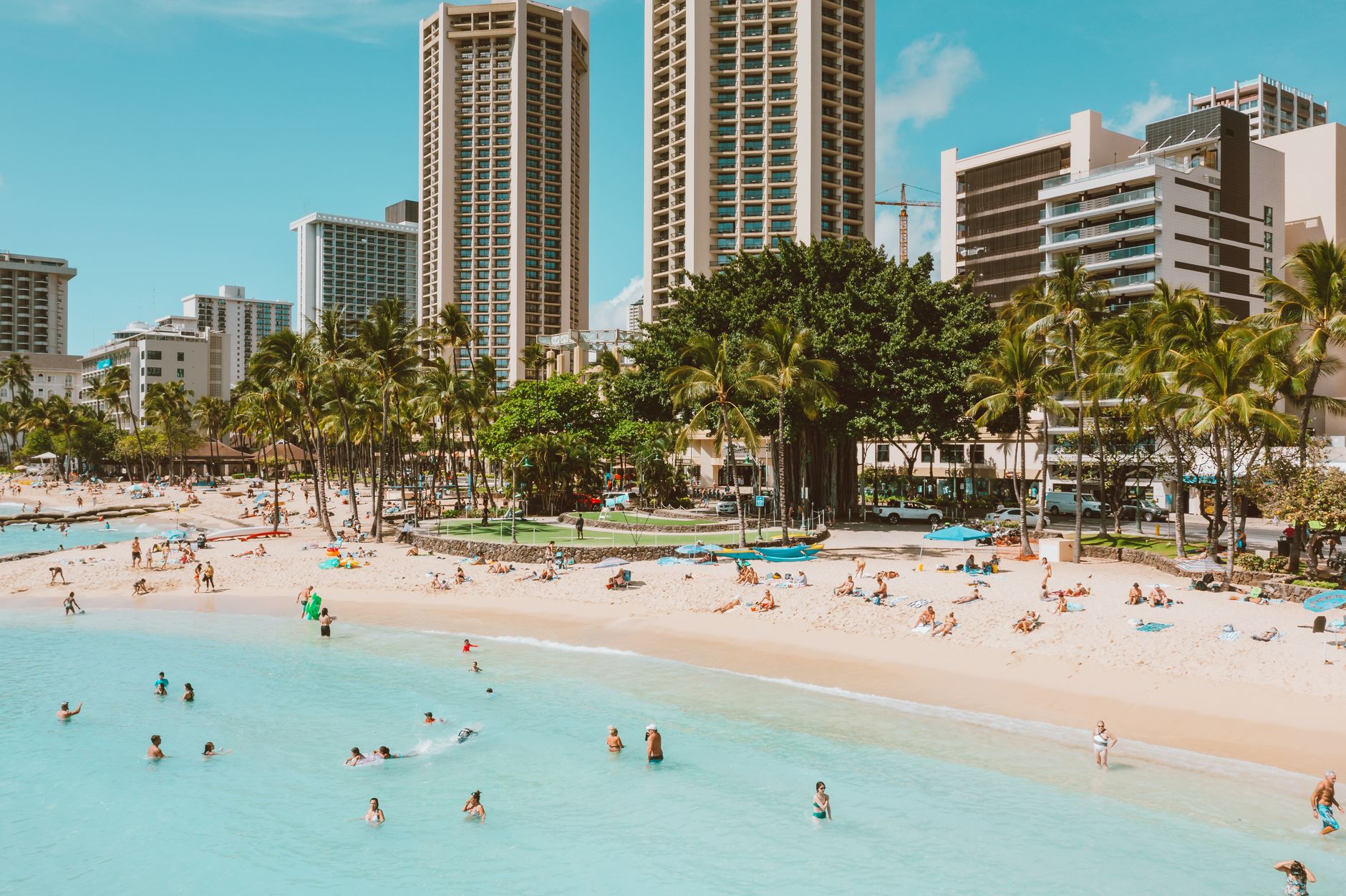
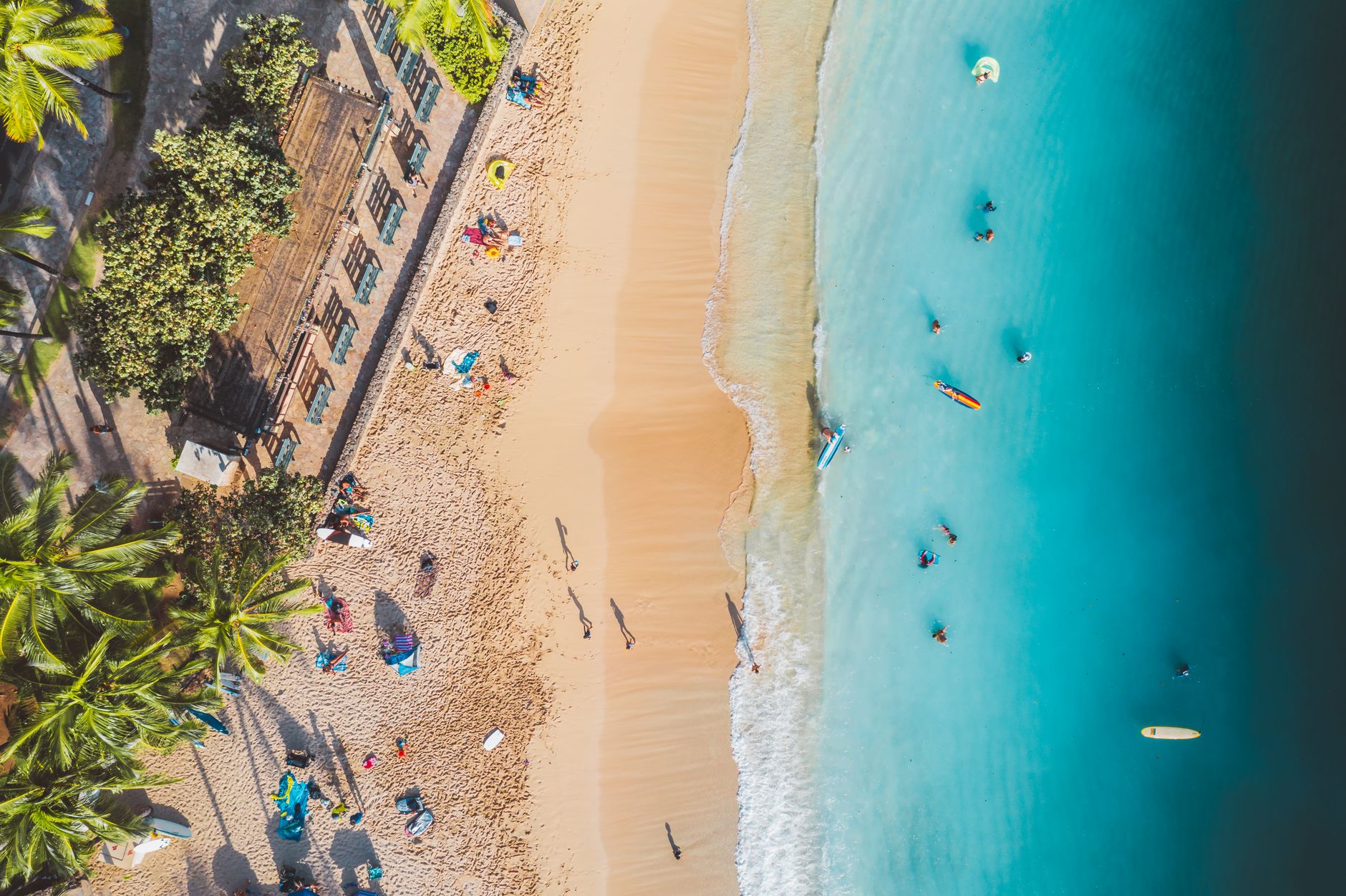
The Auckland Harbour Bridge changed everything. Before it opened in 1959, North Shore was a loose collection of small boroughs — Devonport, Birkenhead, Northcote, Takapuna — each with its own ferry route and its own pace. Within twelve years of that single span of steel, the population had doubled. Today the Shore is a city in all but name: more than ten beaches, a volcanic crater lake filled with spring water, a navy base, a sugar refinery still running after 140 years, and a rapid-transit busway that deposits you in the city centre before your coffee cools.
What makes it worth your time is the grain of it. Walk the black lava shoreline between Takapuna and Milford, catch a ferry from Devonport's Victorian waterfront, or follow the Korean-language menus into the suburbs — Korean is the second most spoken language here, and the food reflects it.
💛 What travellers fall for
People who keep coming back tend to do the Takapuna–Milford coastal walk early, before the wind picks up, then eat somewhere along Lake Road. The Devonport ferry is worth taking at least once just for the approach — the naval base, the volcanic cones, the timber villas stepping down to the water. Budget the AT HOP card; cash isn't accepted on buses.
Deals in North Shore
Book directly at the provider


How North Shore came to be
Māori settled the Tāmaki isthmus in the 13th or 14th century, and the site near Lake Pupuke — a 150,000-year-old volcanic crater — was once home to Ngāti Whātua Ōrākei. European settlers arrived in the 1840s; a signalling station on Takarunga (Mt Victoria) in 1841 gave Devonport its first European function, and the name Flagstaff stuck until 1868. Gun emplacements followed in the 1880s, and by 1909 the area had become a permanent naval base — a role it still holds.
Birkenhead's trajectory was industrial: the Chelsea Sugar Refinery opened in 1884 and pulled a working population north. Ferry services, then borough status for each settlement, then the harbour bridge in 1959 — that last event compressed decades of growth into a single decade. The separate boroughs were folded into North Shore City in 1989, and into greater Auckland in 2010.
Who and what shaped it
People who shaped it
Landmark buildings
See North Shore in motion
Plan your visit
On the map
When to go
Summers are warm and long, with February highs around 24°C and rarely a frost in sight all year. Winter (June–August) stays mild — around 15°C on a good day — but brings the bulk of the annual 1,200mm of rain, so a layer and a compact umbrella earn their keep.
Right now
Background & history adapted from Wikipedia (CC BY-SA) · specs from Wikidata (CC0) · weather from Open-Meteo · map data © OpenStreetMap contributors · photos from Wikimedia Commons / Unsplash with per-image credit. No third-party reviews or social posts reproduced.