
Norderney
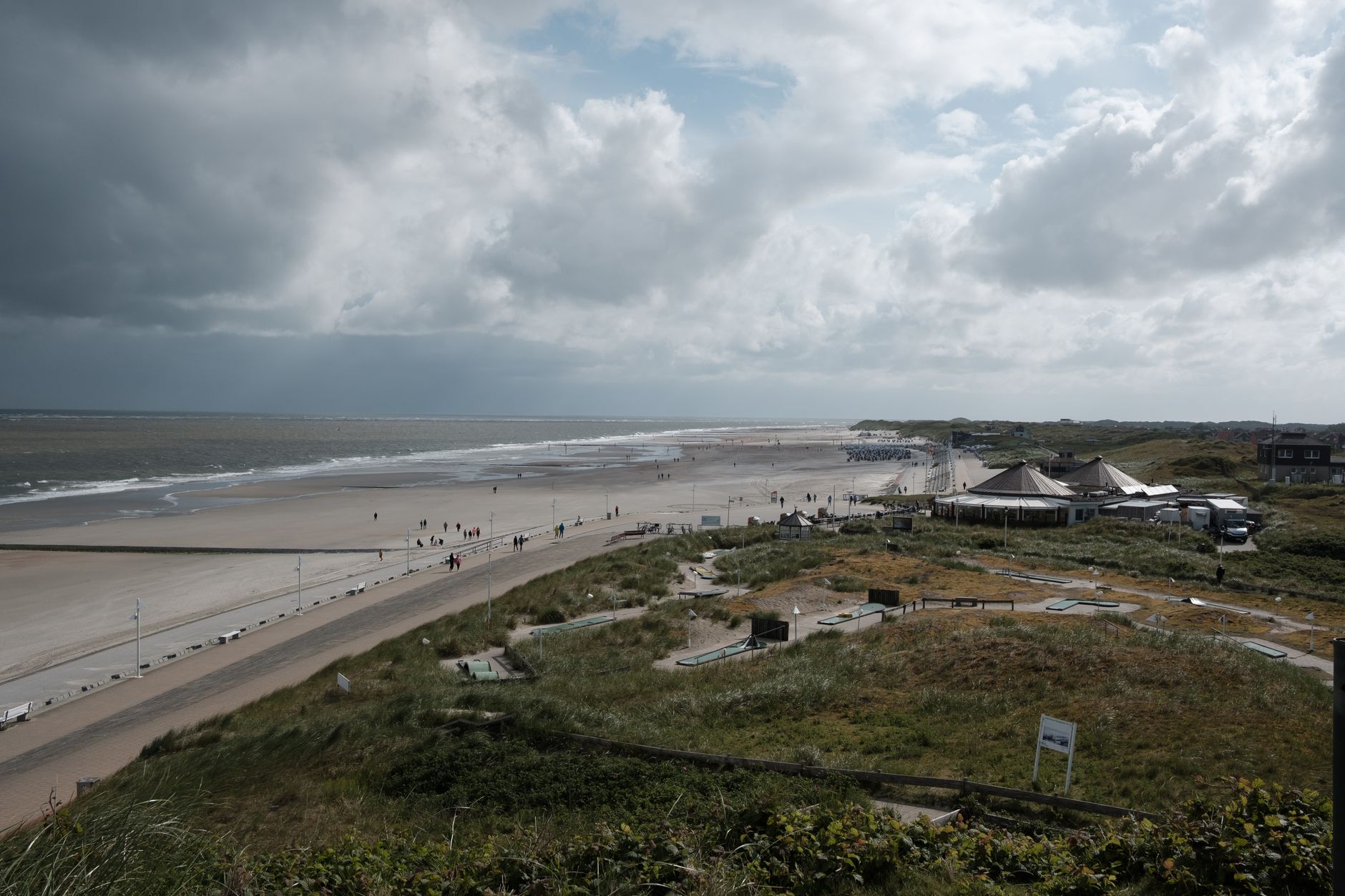
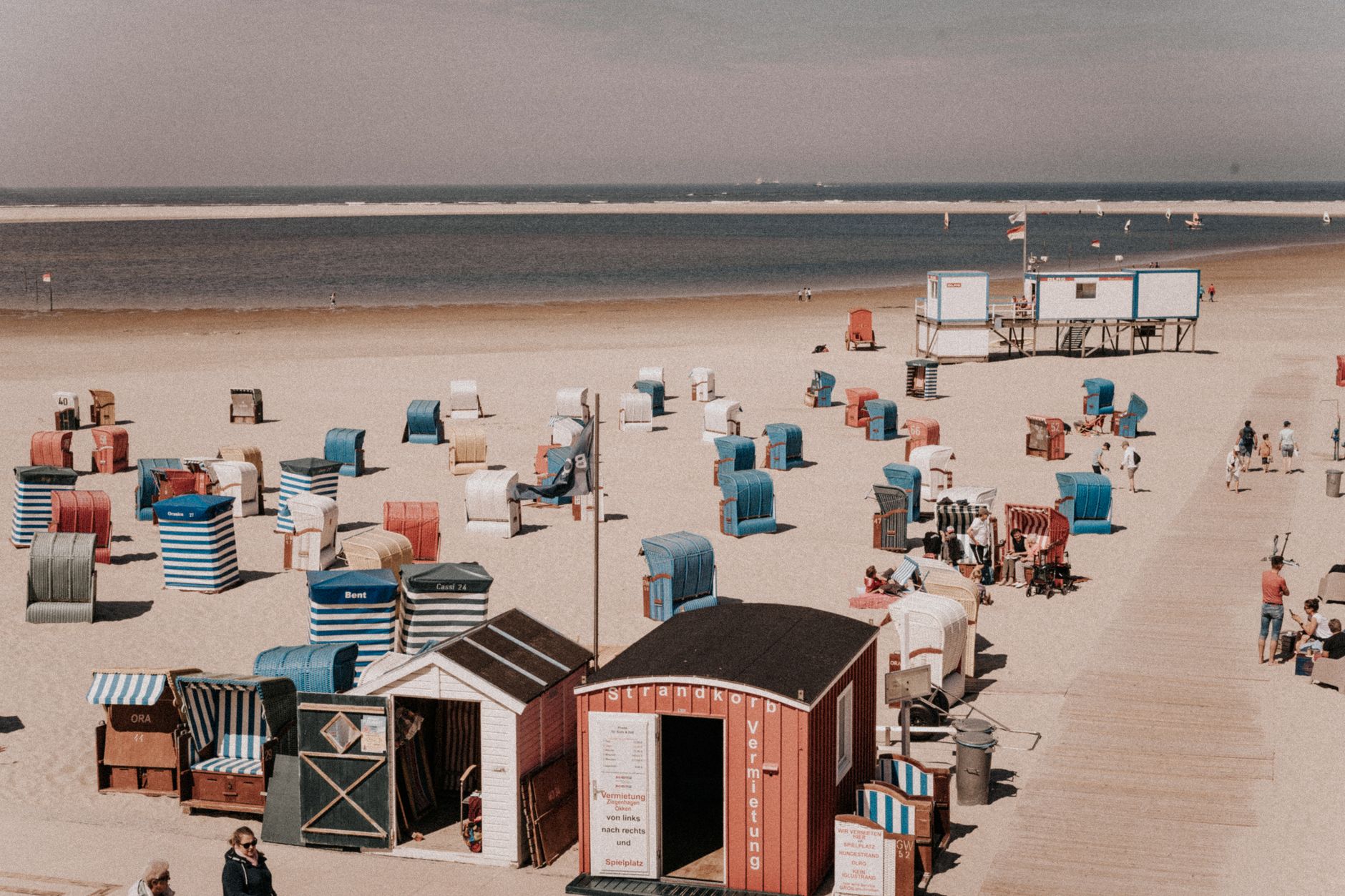

Norderney announces itself with rabbits. They outnumber the island's permanent residents five to one — descendants of animals brought over in 1620 as hunting prey for German nobility — and they graze the dune grass with complete indifference to the ferry passengers filing past. The 14-kilometre beach along the northern coast stretches far enough that you can walk for an hour and still find a stretch of sand that feels like yours.
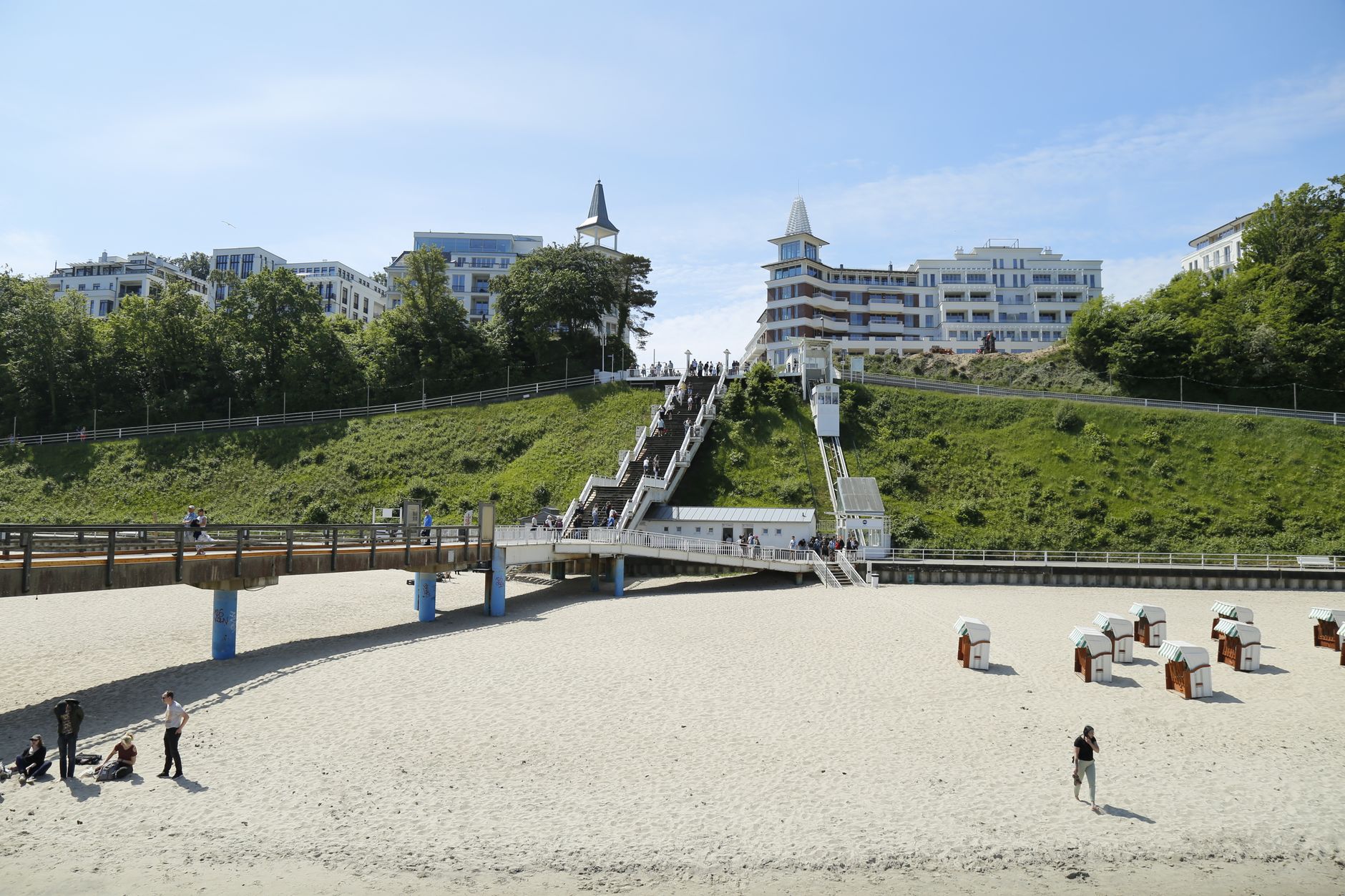
This is Germany's oldest North Sea resort, opened in 1797, and the architecture carries the weight of that early ambition: white Bäderarchitektur facades, a Neoclassical Conversationshaus from 1800, a red-brick Imperial Post Office that looks like a small castle. More than a hundred of these buildings hold protected status. The island earns its history quietly, in the details.
💛 What travellers fall for
People who come back tend to time it for May — the sunniest month, averaging 218 hours of sunshine, before the summer crowds arrive. They walk east toward the shipwreck Capella, grounded at the island's tip since 1965, and they climb the 253 steps of the 1874 lighthouse for the view over the Wadden Sea tidal flats at low water.
Deals in Norderney
Book directly at the provider


How Norderney came to be
The island as it exists today is a product of disaster. The catastrophic Grote Mandrenke flood of 1362 broke apart a larger landmass called Buise; Norderney formed as its eastern remnant over the following centuries and appears in a 1550 census — recorded as 'Norder neys Oog', Northern New Island — with a church and eighteen houses. Its transformation from fishing settlement to resort happened in 1797, when it became the first German seaside resort on the North Sea.
The decisive shift in character came with the Hanoverian royal family. Crown Prince Georg visited in 1836, and from 1851 George V — the last King of Hanover — held court here each summer, converting a modest island into an official royal residence. That patronage drew Chancellor Otto von Bismarck, composer Robert Schumann, and writer Franz Kafka. Heinrich Heine had arrived earlier still, spending summers between 1825 and 1827, and the Wadden Sea tidal landscape fed directly into his poem cycle Die Nordsee.
Who and what shaped it
People who shaped it
Landmark buildings
See Norderney in motion
Plan your visit
On the map
When to go
The Gulf Stream keeps winters mild and mostly frost-free, with January temperatures hovering between roughly 1°C and 4°C; sea winds moderate summer heat, though July can reach 21°C and the island recorded 35.4°C in July 2019. May is the sunniest month; November brings the heaviest rain.
Right now
Background & history adapted from Wikipedia (CC BY-SA) · specs from Wikidata (CC0) · weather from Open-Meteo · map data © OpenStreetMap contributors · photos from Wikimedia Commons / Unsplash with per-image credit. No third-party reviews or social posts reproduced.