
Niagara Falls, New York
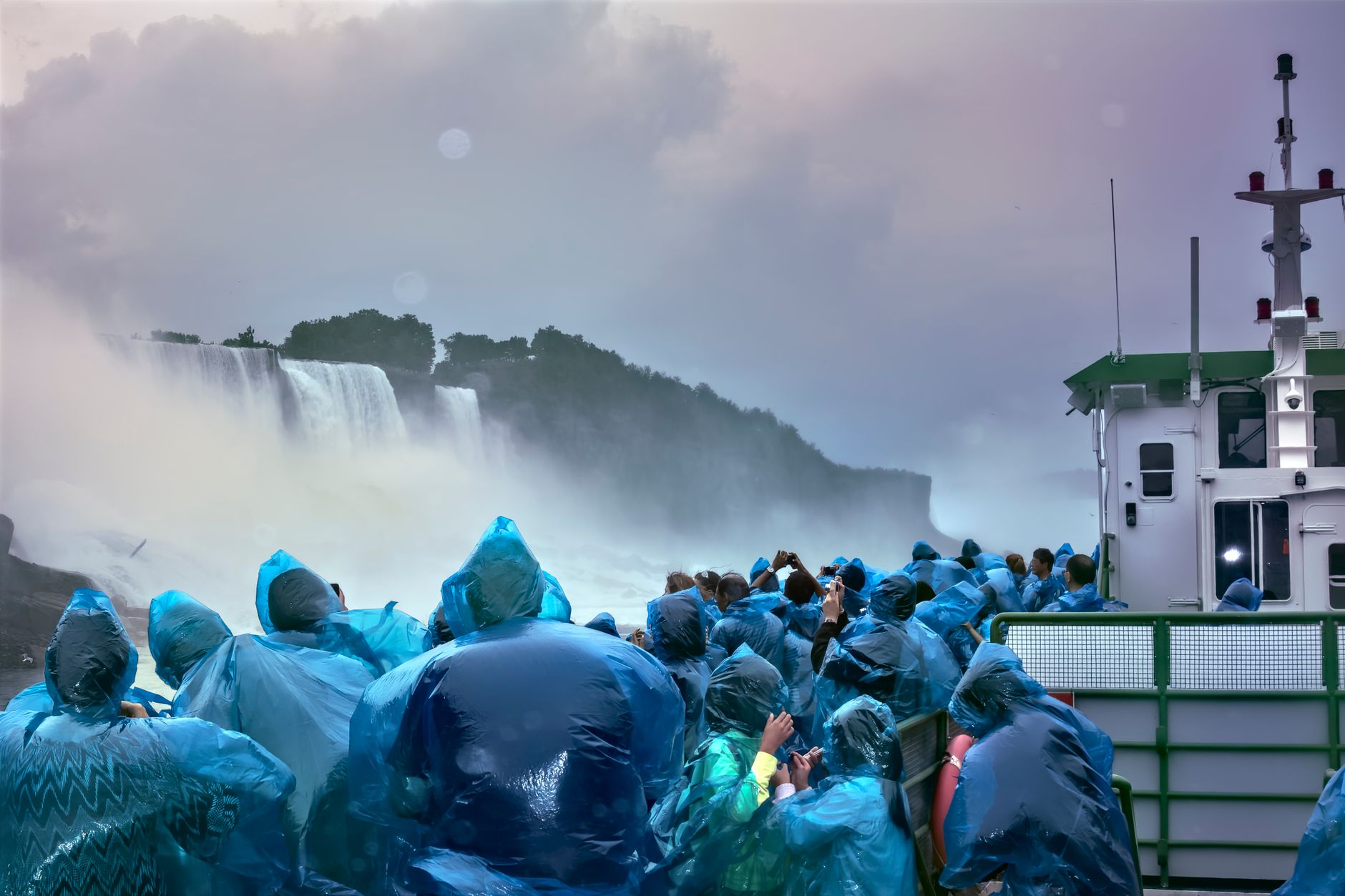
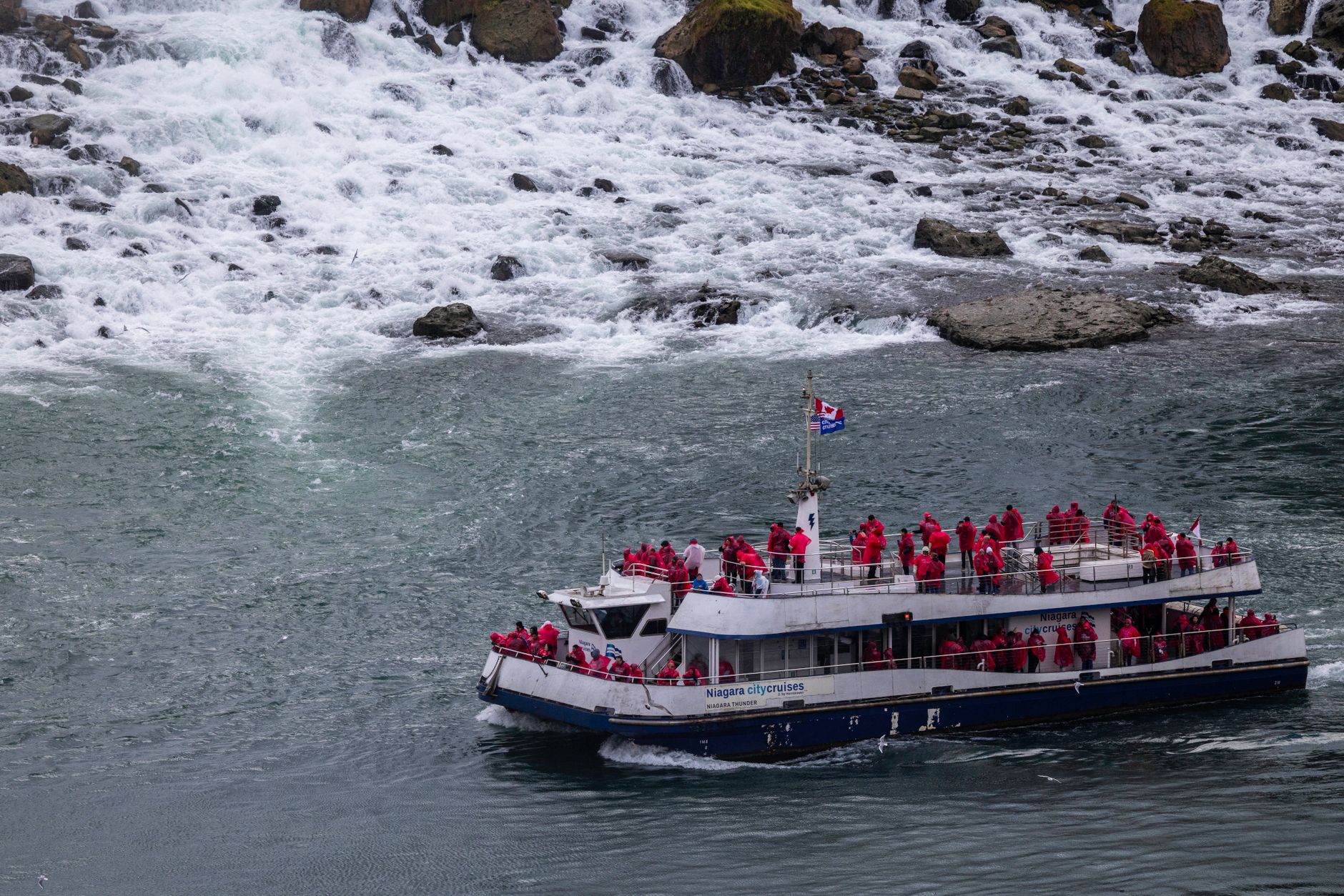
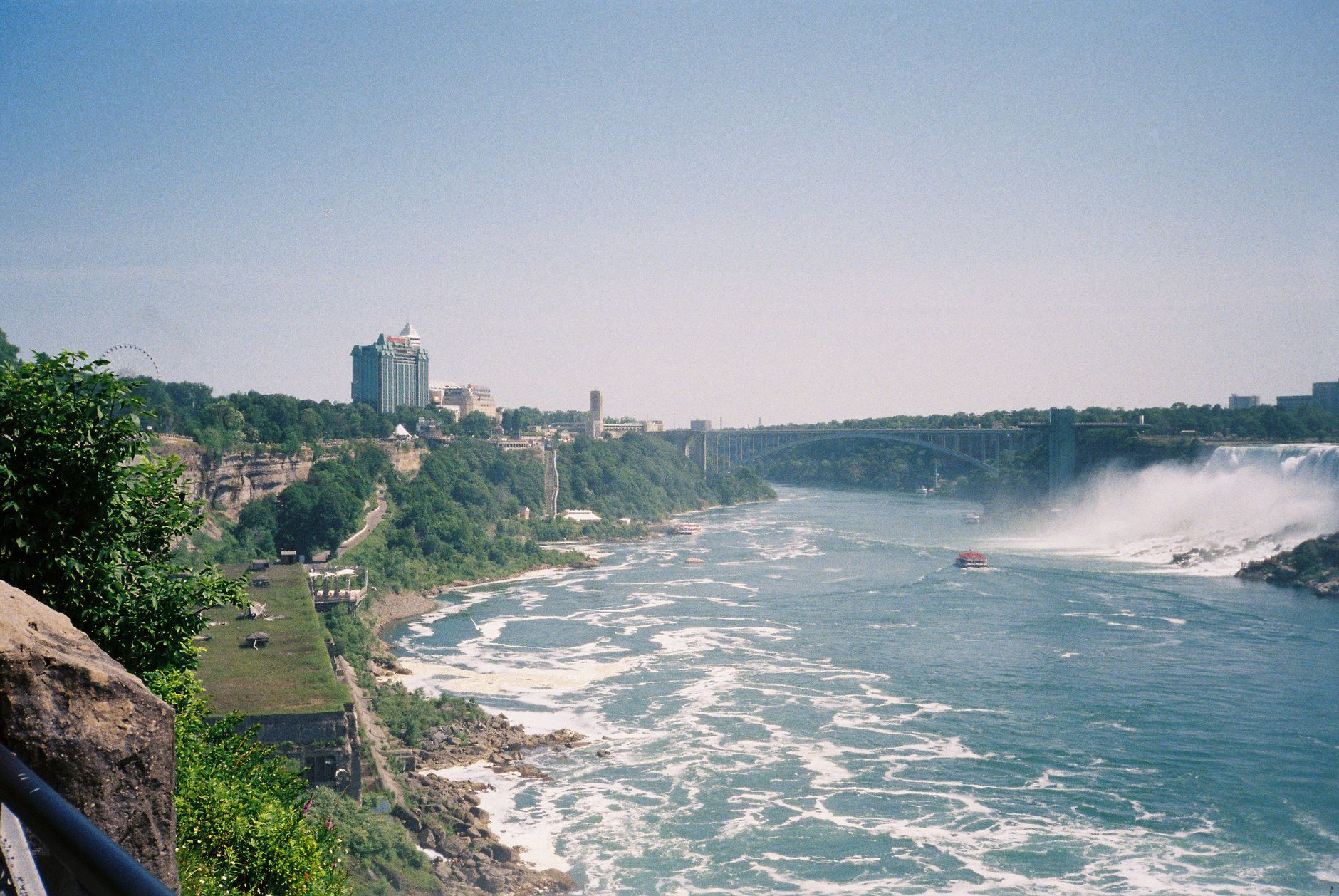
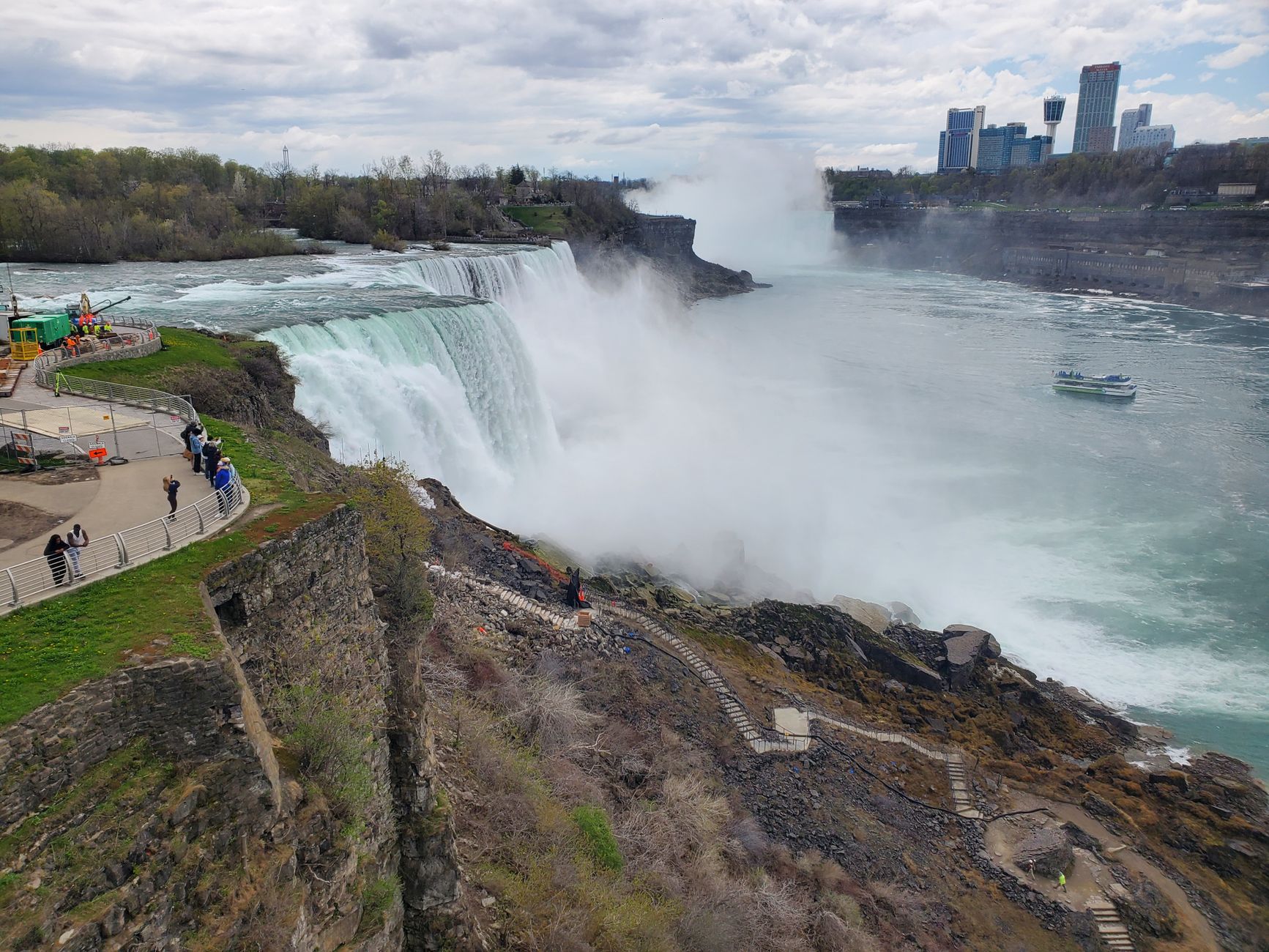
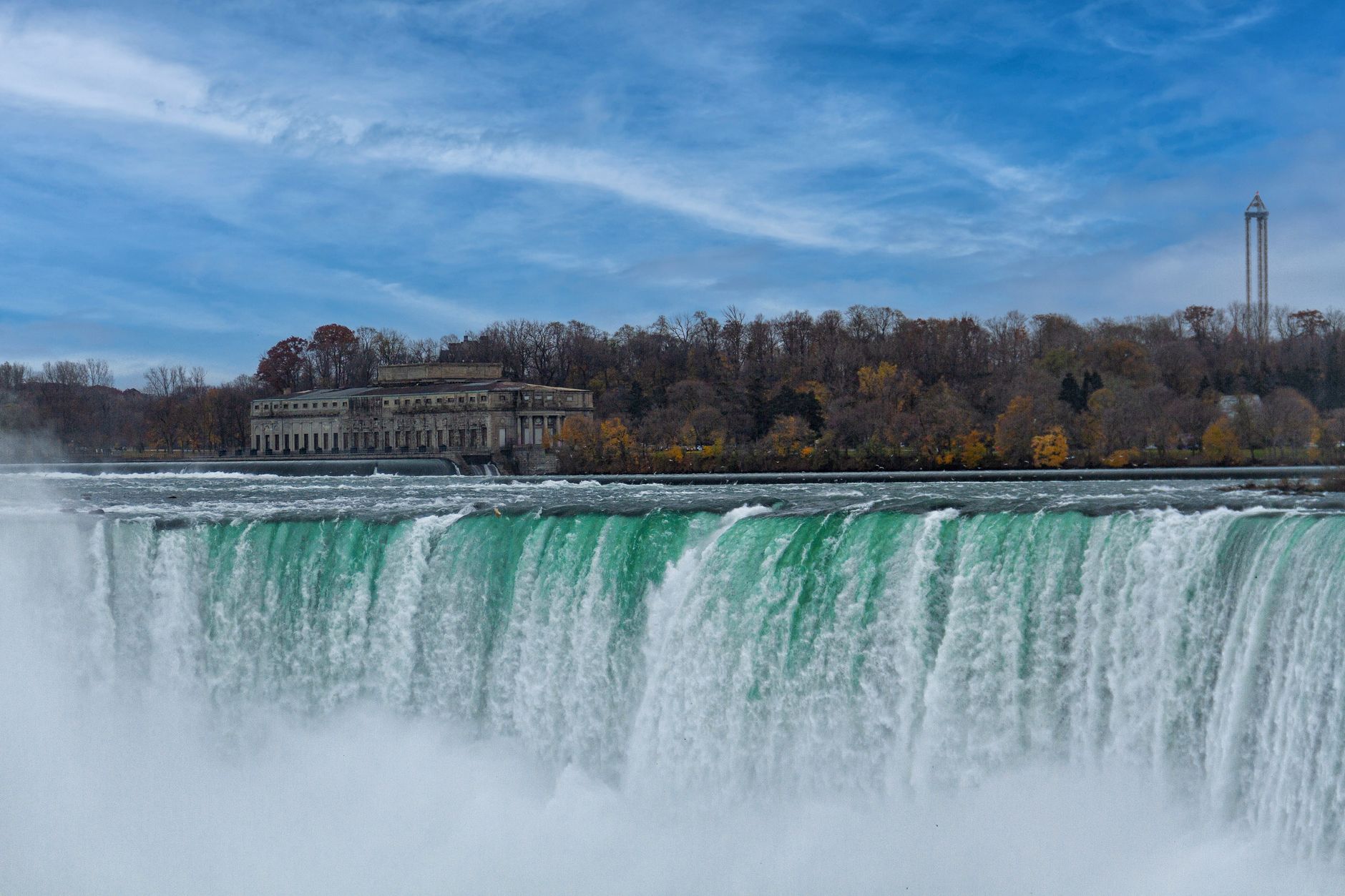
The American Falls drop roughly 70 feet into the Niagara River gorge, and the mist reaches you long before you see the water. That's the thing about standing on the New York side — the scale is physical, not scenic. Niagara Falls, New York sits at the edge of one of the continent's great geological events, a waterfall that has been retreating upstream for more than 12,000 years, carving its way through the Niagara Escarpment since the glaciers let go.
The city that grew up around it is a different story — a working-class place that has seen the rise and fall of heavy industry, the promise of hydroelectric power, and decades of reinvention. The state park, the oldest in the country, holds the best of it.
💛 What travellers fall for
People who come back tend to arrive early — the park opens around the clock, and the falls before 9 a.m. belong almost entirely to you. The Cave of the Winds on Goat Island is worth the poncho and the soaking; Prospect Point, less so in high season. Skip the paid parking lots near Rainbow Blvd and walk in from the north.
Deals in Niagara Falls, New York
Book directly at the provider


How Niagara Falls, New York came to be
Father Louis Hennepin, a French explorer, recorded what Europeans called a discovery of the falls in December 1678 — though the Haudenosaunee had lived alongside them for centuries before. The American shoreline didn't pass into private hands until after 1805, when New York State began selling parcels. Surveyor Augustus Porter, who had first visited in the 1790s, was among the earliest settlers on the American side.
By the late 19th century, the falls had become both a spectacle and a resource. The 'Free Niagara' movement, championed in part by assemblyman Thomas V. Welch, pushed back against commercialization and secured the State Reservation at Niagara in 1885 — designed by Frederick Law Olmsted and Calvert Vaux. A decade later, Nikola Tesla demonstrated that alternating current could carry power generated at the river all the way to Buffalo, changing the logic of electricity distribution for the world. The city was formally chartered on St. Patrick's Day, 1892.
Who and what shaped it
People who shaped it
Landmark buildings
See Niagara Falls, New York in motion
Plan your visit
On the map
When to go
Summers are warm and humid, ideal for the boat tours and gorge walks; winters are genuinely cold, with average highs barely above freezing and snowfall that can exceed two feet in a single month. The falls in winter, partly iced at the edges, are a different spectacle entirely — fewer crowds, more atmosphere, dress accordingly.
Right now
Background & history adapted from Wikipedia (CC BY-SA) · specs from Wikidata (CC0) · weather from Open-Meteo · map data © OpenStreetMap contributors · photos from Wikimedia Commons / Unsplash with per-image credit. No third-party reviews or social posts reproduced.