
Nevers
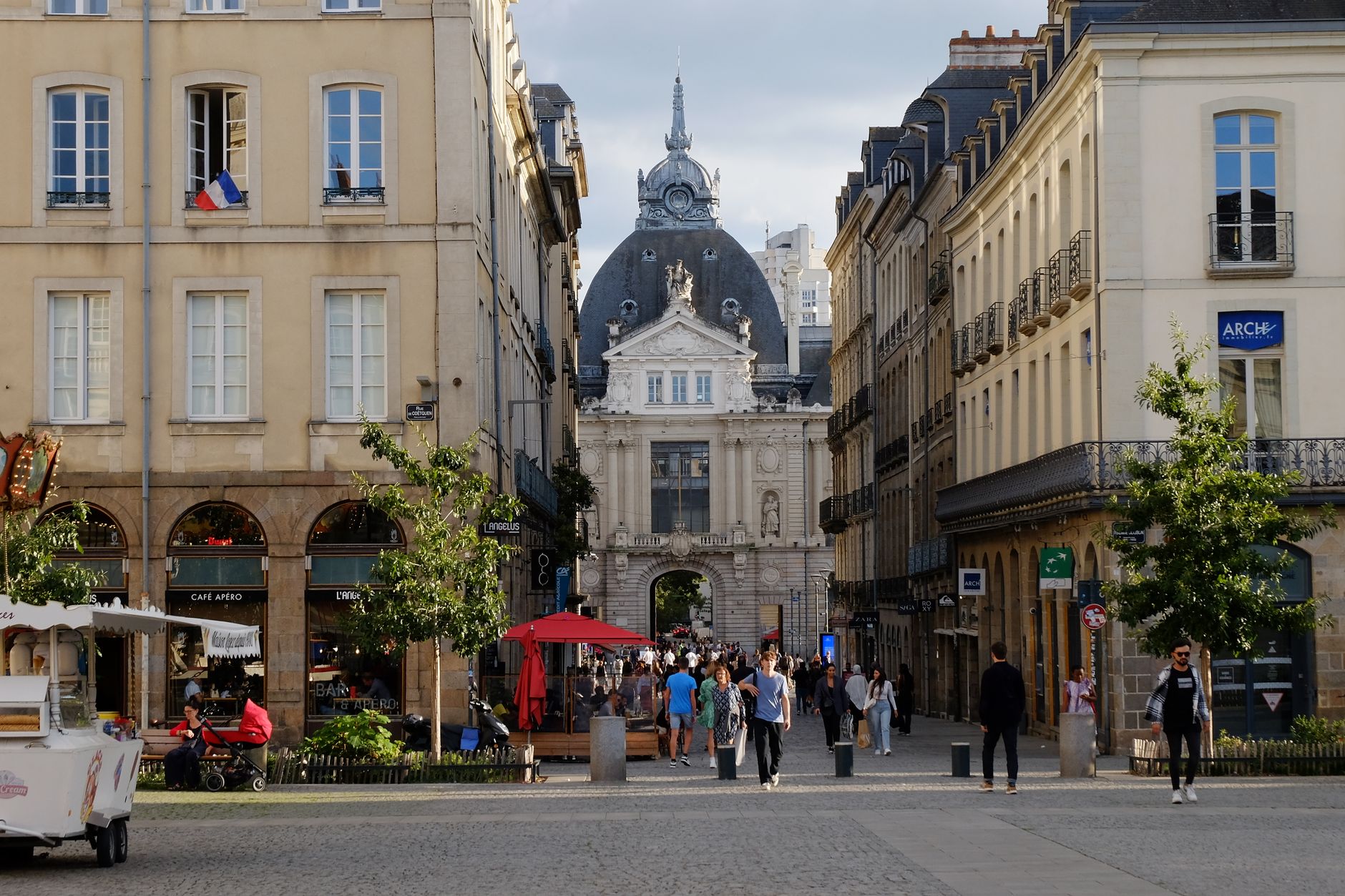
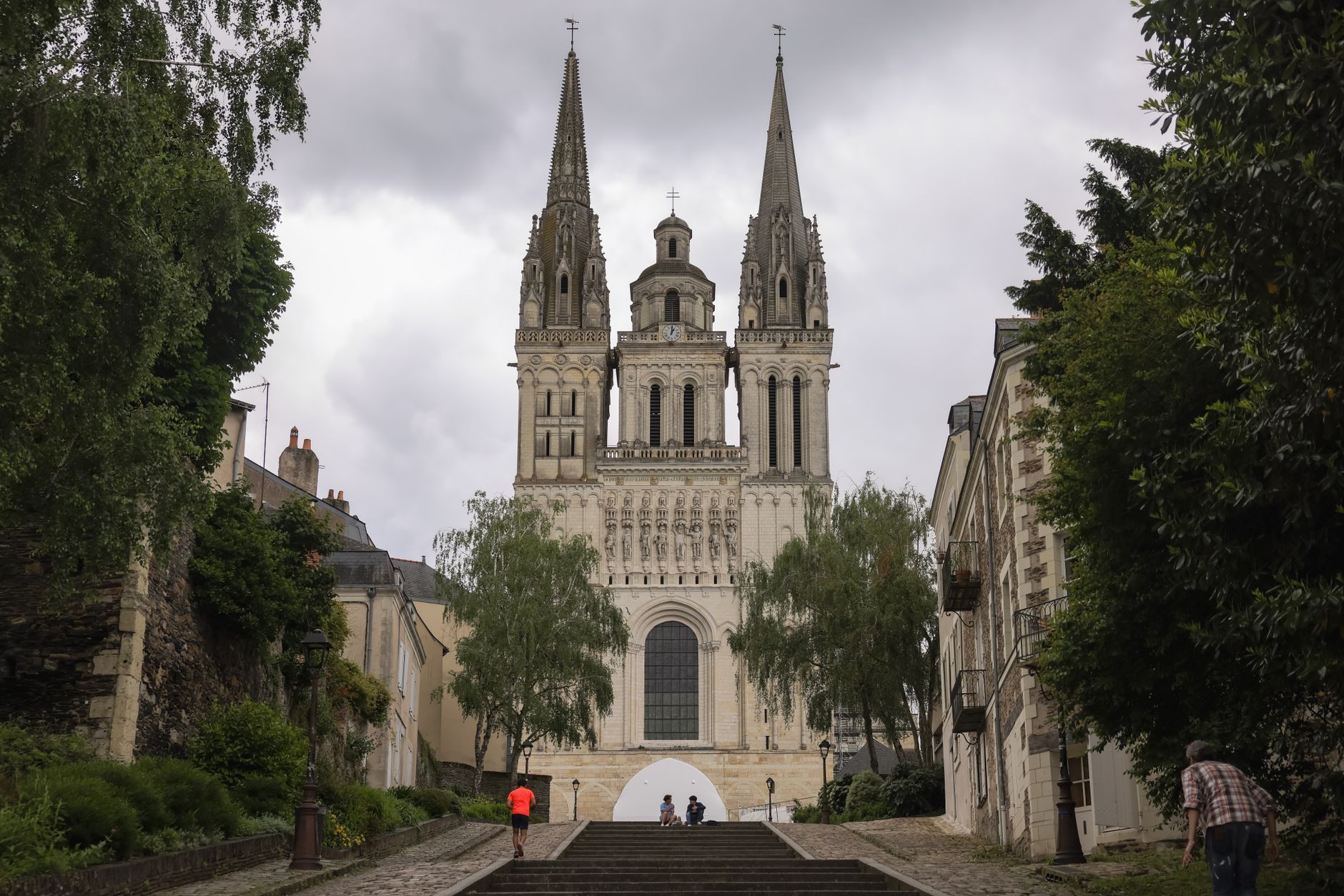
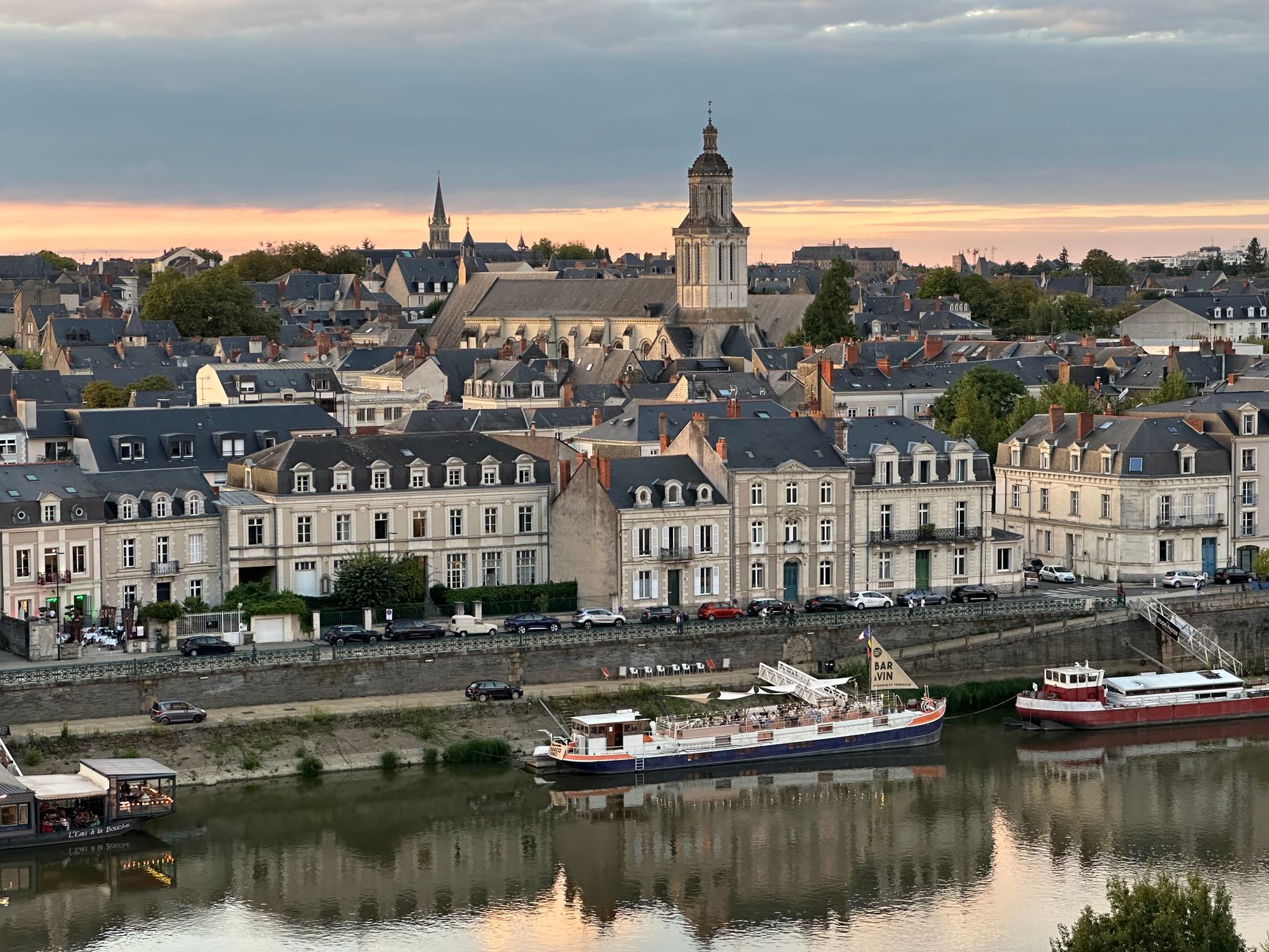
Nevers sits at the confluence of the Loire and the Allier, a mid-sized Burgundian city that most trains pass through rather than stop at. That's a mistake worth correcting. The old town climbs a hill above the river, anchored by a cathedral with a strange, particular distinction: its nave faces both east and west, the result of centuries of additions that left two apses pointing in opposite directions. It's the kind of architectural accident that only makes sense once you're standing inside it.
The Gonzaga family of Mantua arrived in the 16th century and left behind a faïence tradition — tin-glazed earthenware in deep blues and yellows — that still defines what people take home from Nevers. The Palais Ducal, completed in 1491, stands as one of the earliest Loire châteaux. And in a convent chapel on the edge of town, the body of Bernadette Soubirous lies under glass, drawing a quieter, more private kind of pilgrim.
💛 What travellers fall for
People who return to Nevers tend to mention the Saturday market first, then the Église Saint-Étienne — the 11th-century Romanesque church whose 18-metre nave surprises everyone who wanders in expecting something modest. The cathedral's contemporary stained glass, made over 30 years by a roster of artists, repays a second look once you know its post-war origin.
Experiences you don't want to miss



Deals in Nevers
Book directly at the provider


How Nevers came to be
Julius Caesar knew this place as Noviodunum, a Celtic Aedui settlement he turned into a military depot on the Loire in 52 BCE. By the 10th century it was the capital of the Hereditary County of Nevers. The decisive cultural shift came in the 16th century, when the Gonzaga family of Mantua took ownership of the county and introduced Italian ceramic techniques that would evolve into the distinctive faïence de Nevers.
The city's modern story carries more weight than most. Pierre Bérégovoy — who rose from factory worker to Prime Minister of France — served as mayor from 1983, steering major infrastructure projects during a period of growth. He died in Nevers in 1993. The RAF bombing of July 1944 badly damaged the cathedral's gothic nave and chevet; the 30-year project to replace its stained glass with contemporary works became, in its own way, a second history of the building.
Who and what shaped it
People who shaped it
Landmark buildings
See Nevers in motion
Plan your visit
On the map
When to go
Summers are warm and partly cloudy, with highs around 25°C — comfortable for walking. Winters run cold and grey, with January temperatures hovering just above freezing. April is mild but variable; pack a layer.
Right now
Background & history adapted from Wikipedia (CC BY-SA) · specs from Wikidata (CC0) · weather from Open-Meteo · map data © OpenStreetMap contributors · photos from Wikimedia Commons / Unsplash with per-image credit. No third-party reviews or social posts reproduced.