
Neuquén
Neuquén sits where the Limay and Neuquén rivers meet, a desert city that oil and ambition built fast. The railroad arrived in 1902, the city was formally decreed into existence two years later, and within a few decades it had grown into one of Argentina's quickest-expanding urban centres — a place that still carries that sense of forward momentum in its bones.
The railroad tracks still divide the city into Alto and Bajo, the hills to the north and the commercial low ground to the south. All the museums are free, the bus costs less than a dollar, and the branch of the national fine-arts museum here — the only one outside Buenos Aires — sits in a building designed by Mario Roberto Alvarez.
💛 What travellers fall for
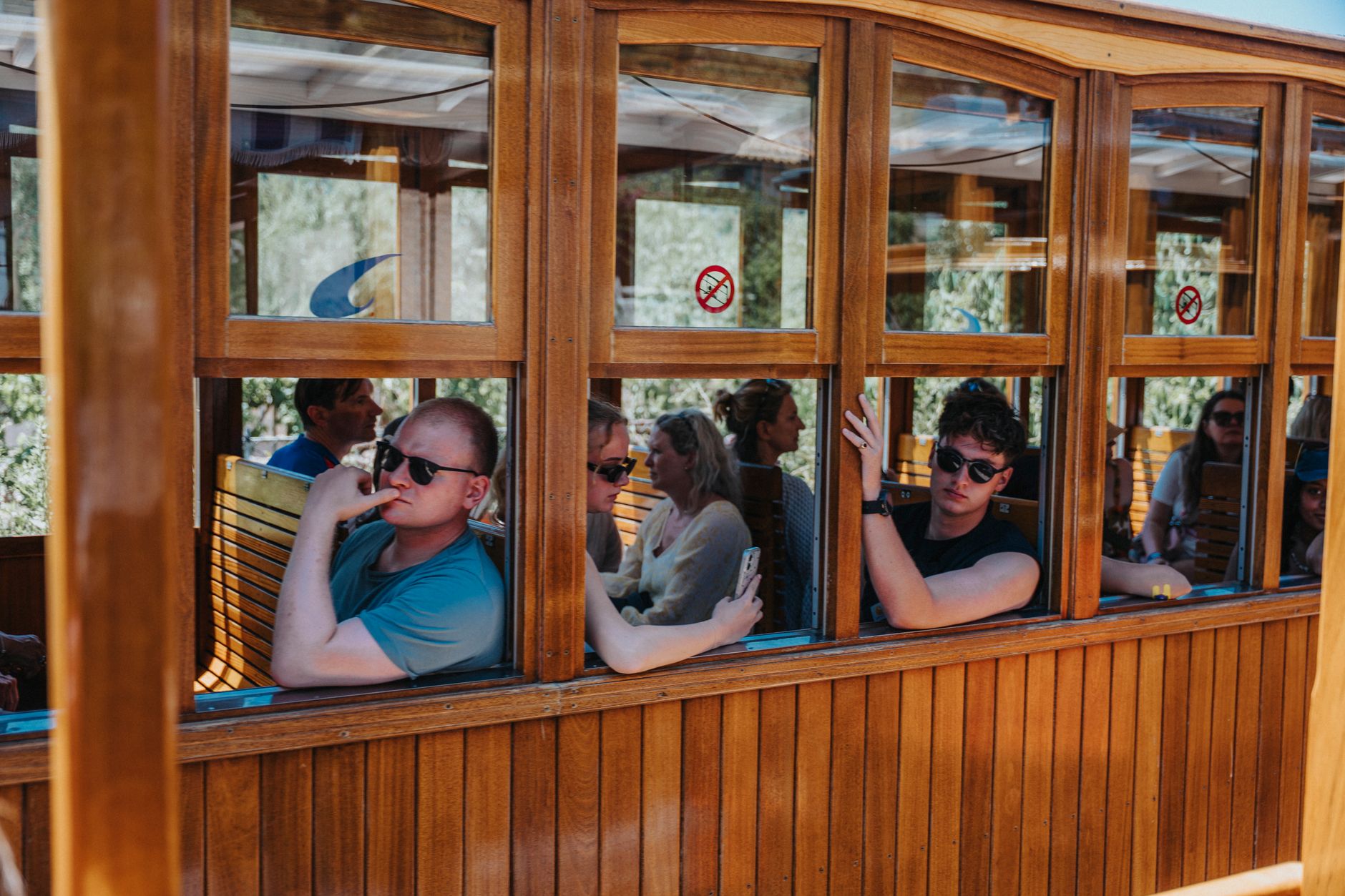
People who come back tend to time it around the shoulder seasons and spend a morning in the Gregorio Álvarez Museum — the one inside the 1901 railway shed — before walking south into the Bajo for lunch. The Tren del Valle to Plottier is worth the ride just to see the valley open up around you.
Deals in Neuquén
Book directly at the provider


How Neuquén came to be
Neuquén was founded by presidential decree on 12 September 1904, when Julio Argentino Roca moved the provincial capital south from Chos Malal to follow the railroad that had reached the Confluencia two years earlier. It holds the distinction of being Argentina's newest provincial capital city. Utilities arrived in 1916, and then in 1918 oil was struck near Plaza Huincul — the discovery that would define the region's economy for the century to come.
Elias Sapag, a Lebanese-born businessman who had arrived with the railroad around 1910, went on to found the Movimiento Popular Neuquino, the political party that has dominated provincial life ever since. The National University of Comahue opened in 1970, and the city's population grew at a pace that surprised even Argentina. In 2020, Sister Mónica Astorga Cremona established the Costa Limay Sustainable Complex here — the first permanent housing programme in the world specifically for transgender women.
Who and what shaped it
People who shaped it
Landmark buildings
See Neuquén in motion
Plan your visit
On the map
When to go
Summers are fierce — January has touched 41.6°C — and winters bring cold spells that dip to around -10°C. The sweet spots are mid-March to late April and mid-October to late November, when temperatures sit between 17°C and 23°C and the westerly winds feel more like companions than obstacles.
Right now
Background & history adapted from Wikipedia (CC BY-SA) · specs from Wikidata (CC0) · weather from Open-Meteo · map data © OpenStreetMap contributors · photos from Wikimedia Commons / Unsplash with per-image credit. No third-party reviews or social posts reproduced.