
Neuhaus am Rennweg
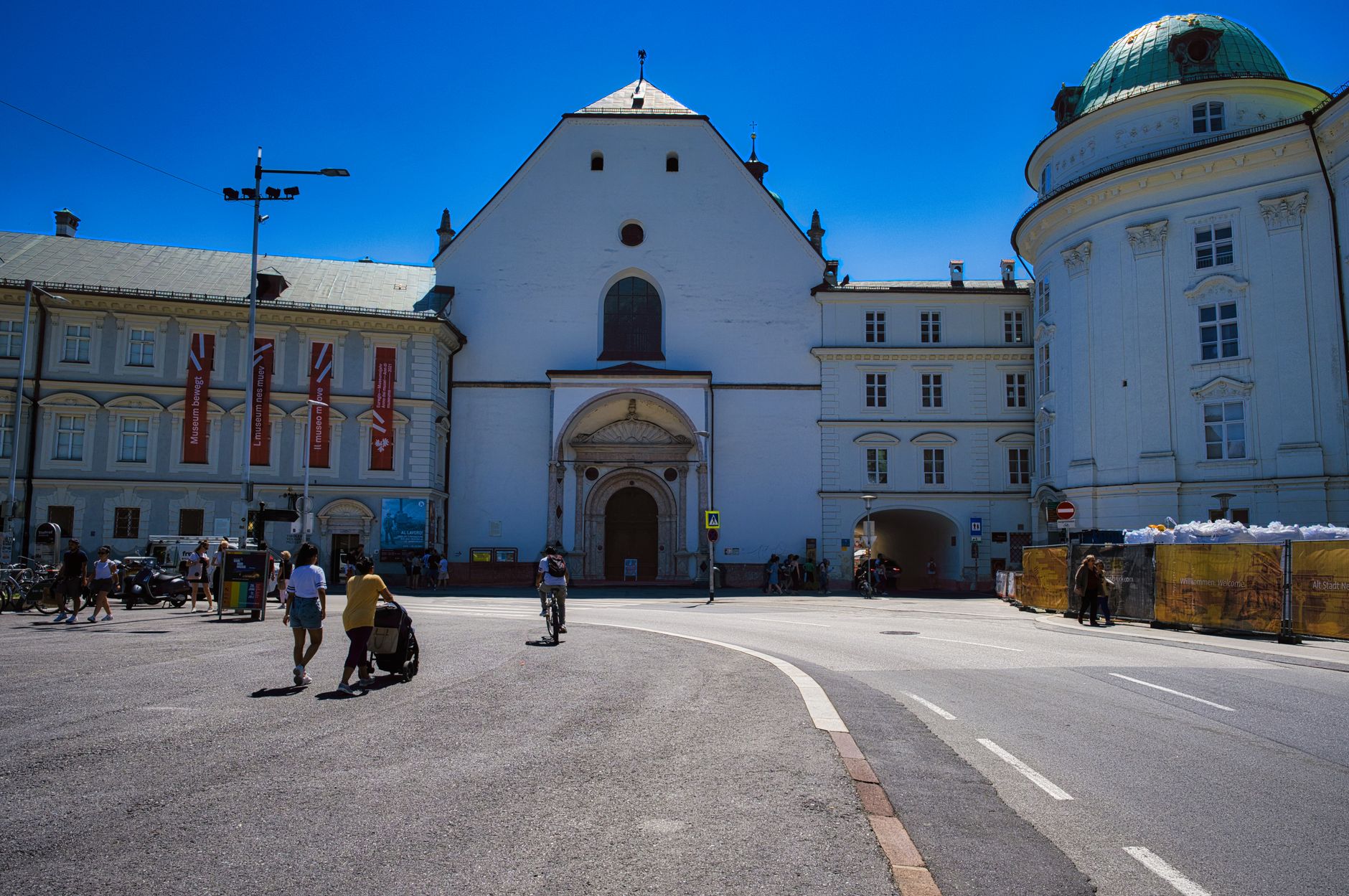
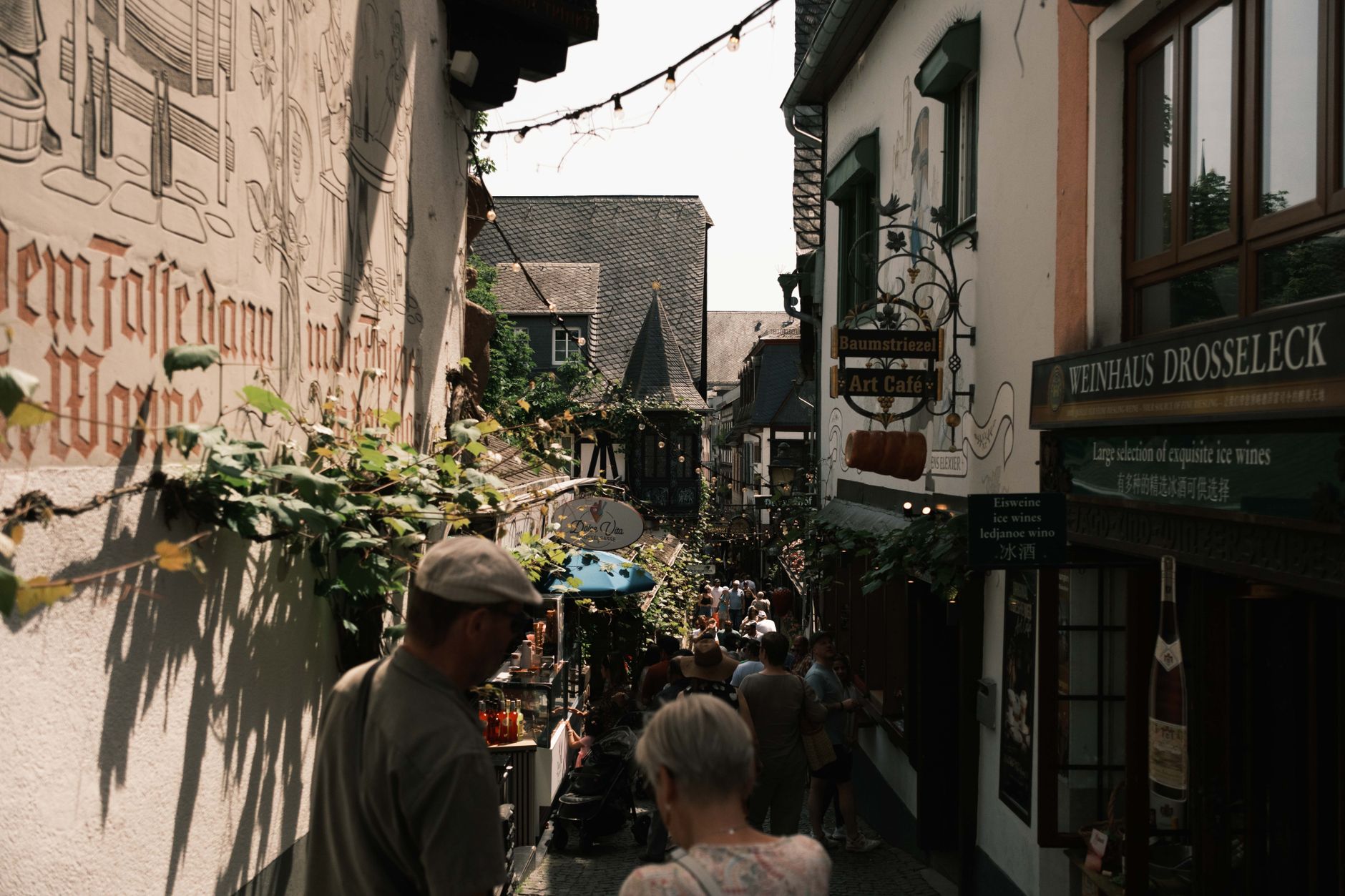
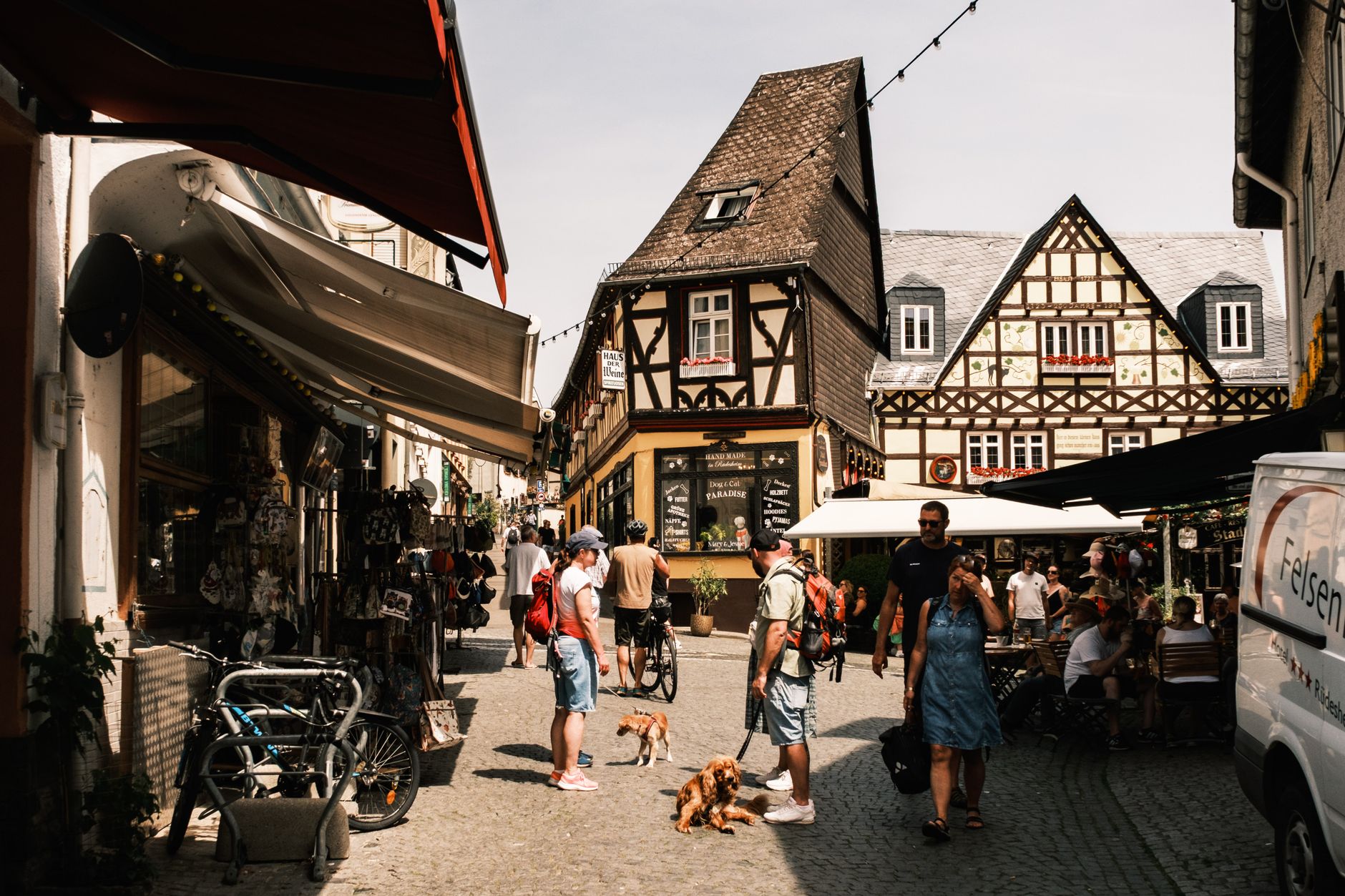
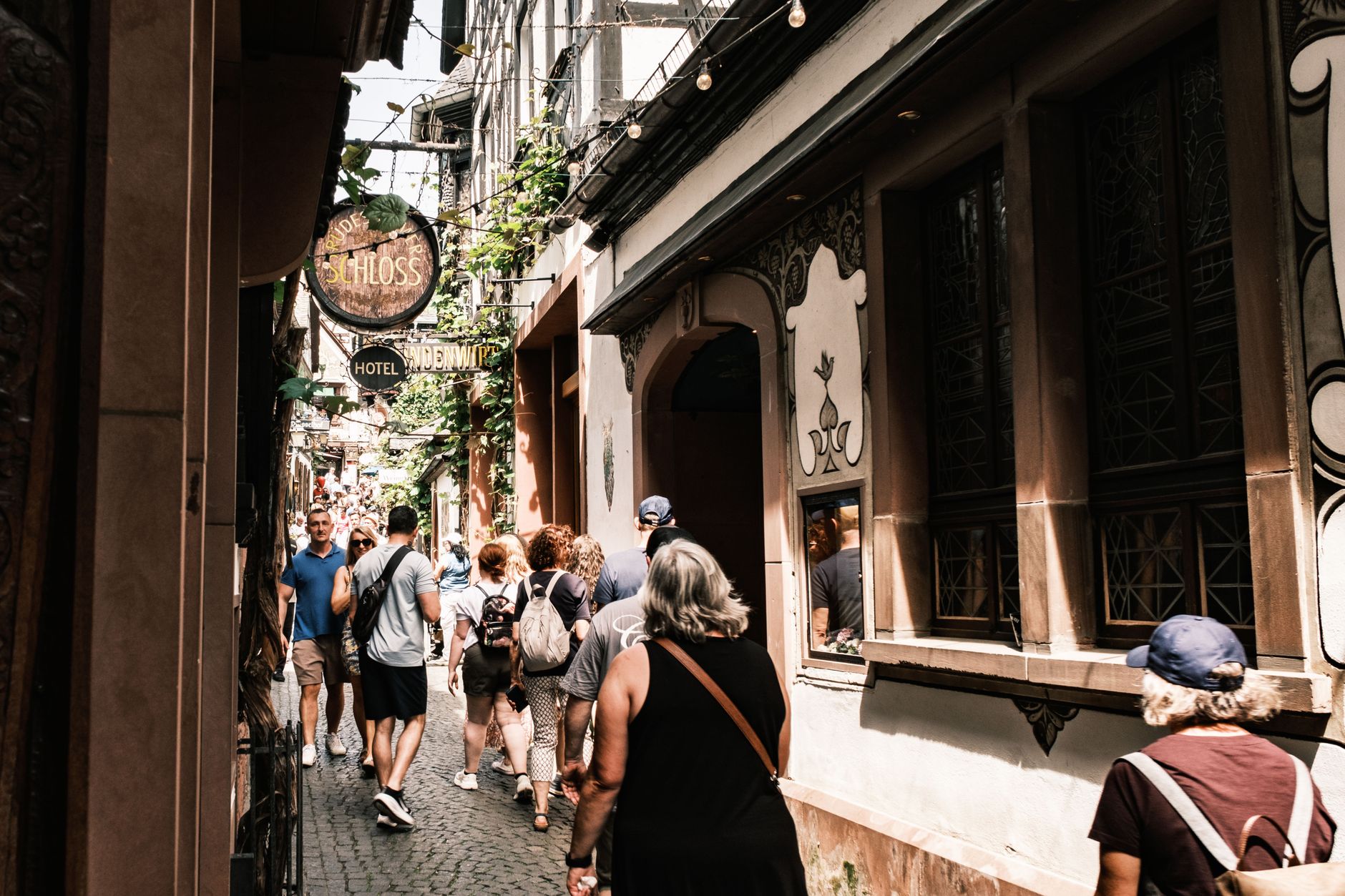
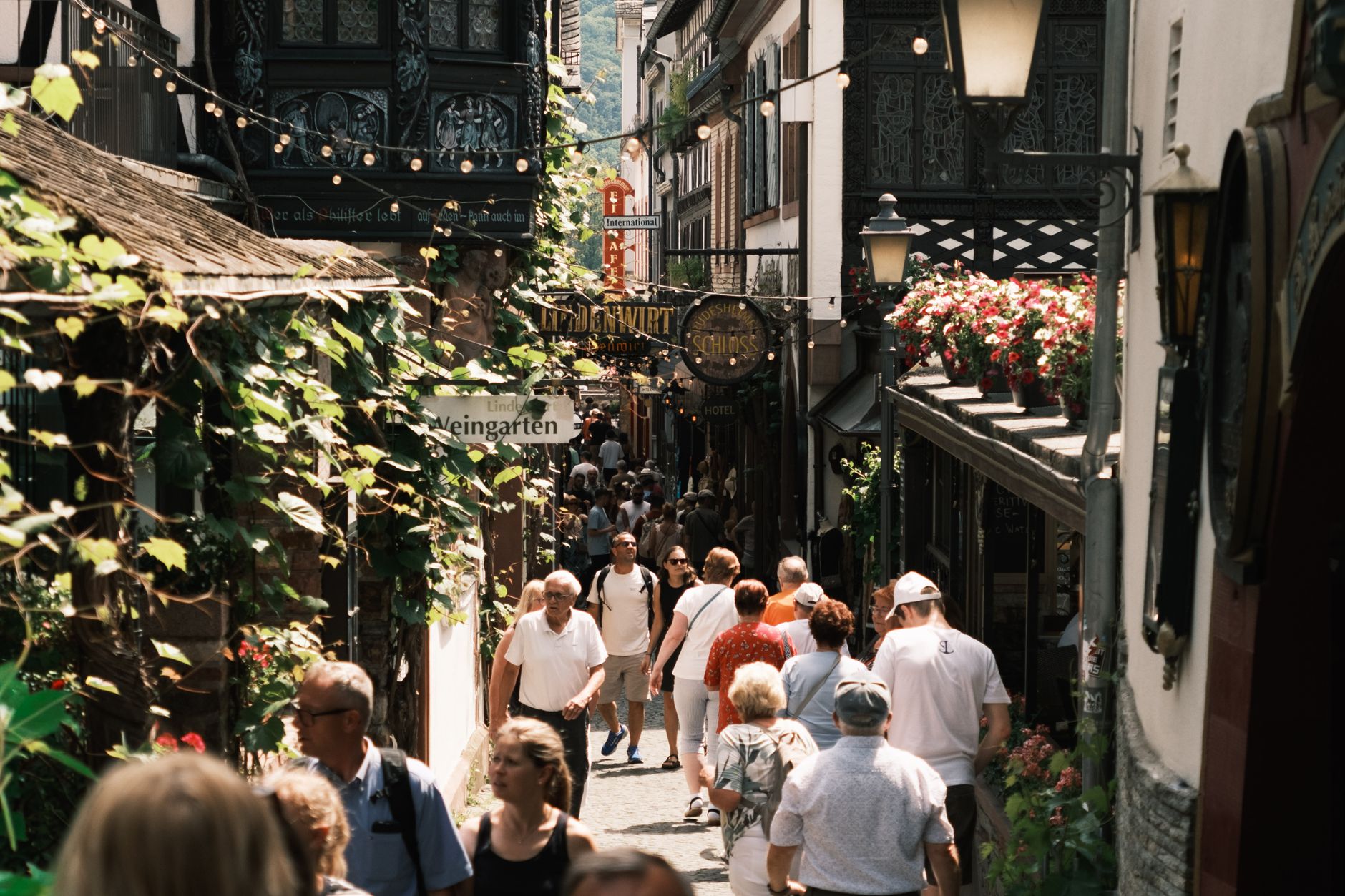

The Rennsteig ridge trail passes through Neuhaus am Rennweg at 835 metres, and that elevation explains almost everything about the town: the slate roofs weighted against the wind, the dense spruce forest pressing in on three sides, the particular quality of light in summer. This is a working Thuringian mountain town, not a resort, built around glass-blowing, timber and, for a few centuries, the hunting lodge of a Schwarzburg count.
The Werra river begins nearby — one of its two sources sits just outside town at Fehrenbach, marked by a small hut where you can eat local food and stand beside something that will eventually become a significant river.
💛 What travellers fall for
People who return tend to do the Blessberg Tower on a clear morning before the cloud comes in — the view reaches Franconia and the Fichtelgebirge on a good day. The Geißlerhaus on Sonneberger Straße 106 gets mentioned too, less for spectacle than for the oddly satisfying specificity of medical-technical glass instruments.
Deals in Neuhaus am Rennweg
Book directly at the provider


How Neuhaus am Rennweg came to be
The story of Neuhaus begins not in one place but three. Schmalenbuche was founded in 1607 by Christoph Müller — the same man behind Lauscha — when a glass hut went up in the forest. Igelshieb grew from a charcoal-burner settlement around the same period. Neuhaus itself dates to 1673, when Anton von Schwarzburg-Rudolstadt built a hunting lodge in the trees and called it simply the Neue Haus, the new house. A settlement followed, market rights came in 1729, and the three communities merged in 1923, with 1607 adopted as the official founding year. City status followed in 1933.
The centre was largely destroyed in American bombardment on 11–12 April 1945, killing ten people. What you see today — the slate-roofed civic buildings, the wooden Evangelische Kirche — was rebuilt in the years after.
Who and what shaped it
People who shaped it
Landmark buildings
See Neuhaus am Rennweg in motion
Plan your visit
On the map
When to go
At over 830 metres, the town runs cooler than the German average year-round: July highs reach around 24°C, but January can sit at or below freezing with reliable snow cover. Spring arrives slowly — May mornings still dip to 6°C — so pack a layer whatever the season.
Right now
Background & history adapted from Wikipedia (CC BY-SA) · specs from Wikidata (CC0) · weather from Open-Meteo · map data © OpenStreetMap contributors · photos from Wikimedia Commons / Unsplash with per-image credit. No third-party reviews or social posts reproduced.