
Ndutu Area (Southern Serengeti)
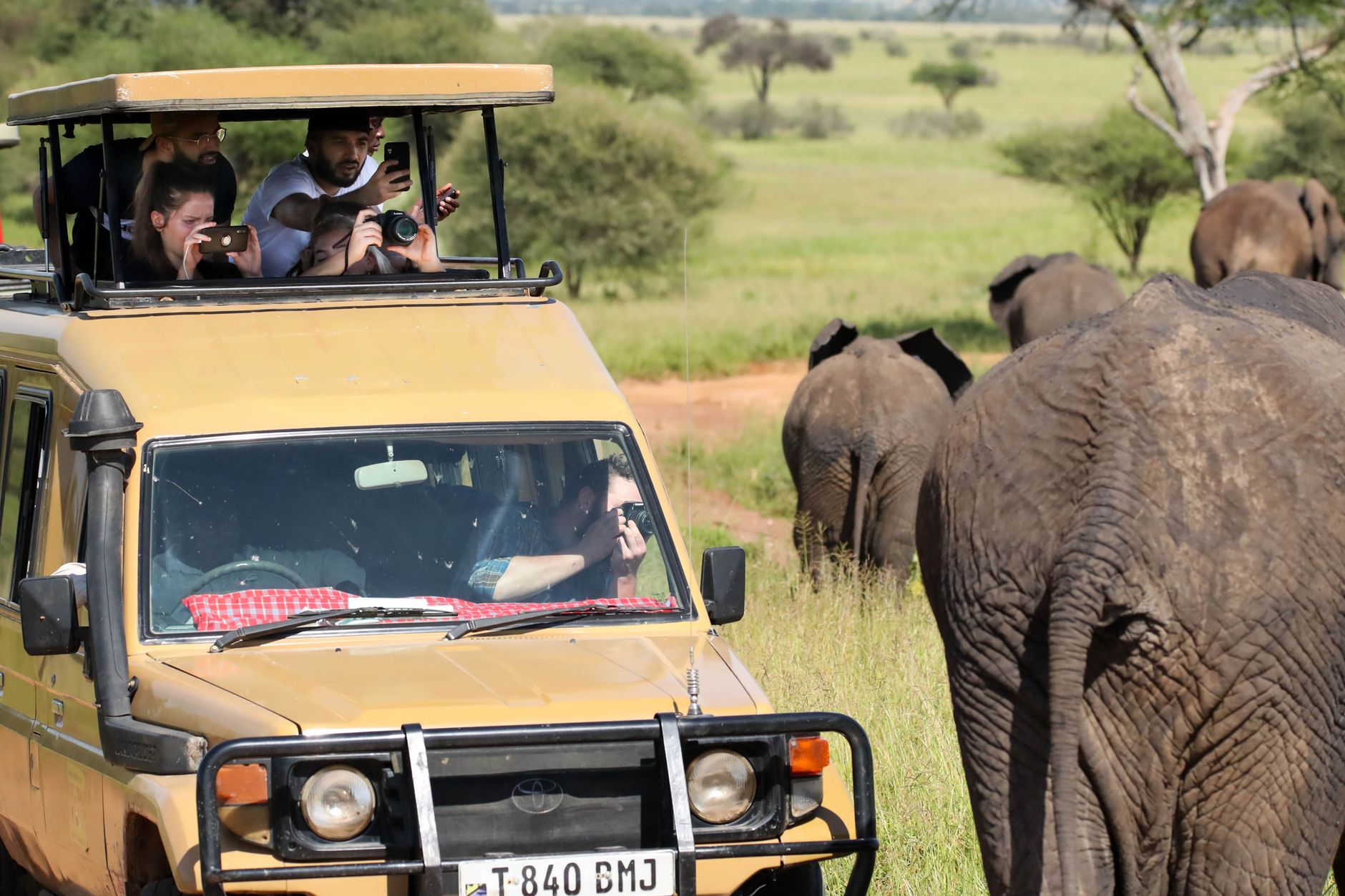


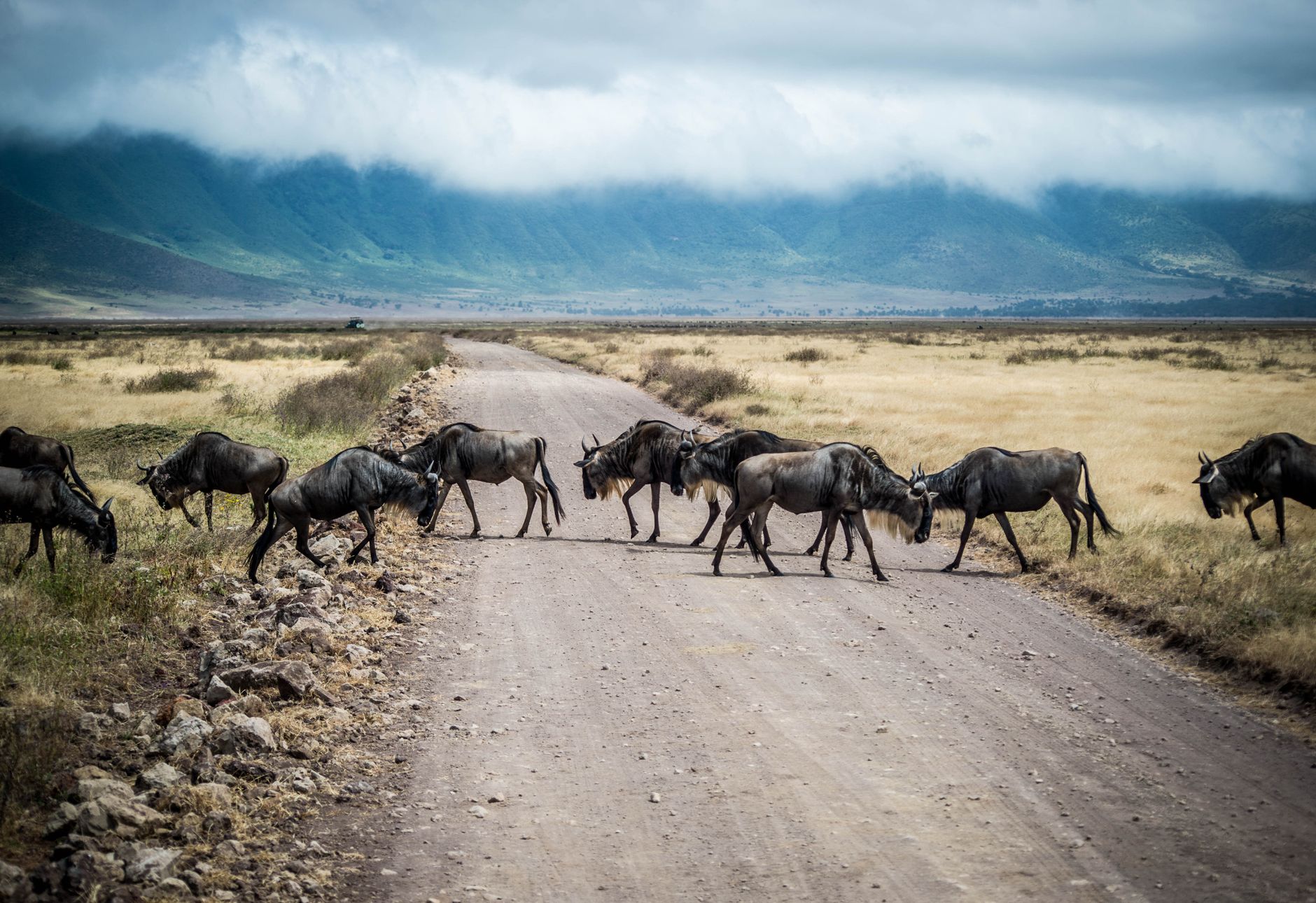

Every morning during calving season, roughly 8,000 wildebeest calves take their first steps somewhere on the short-grass plains around Lake Ndutu — and within minutes, something is usually hunting them. This shallow alkaline lake sits on the eastern edge of Serengeti National Park, and from late January through March it becomes the gravitational centre of the Great Migration's most raw chapter. Lions work the open ground, cheetahs sprint through golden grass, and the whole drama plays out under a sky wide enough to hold all of it.
Ndutu is not a town or a crossing point. It's a particular stretch of southern Serengeti where the land flattens, the herds mass, and the predator-to-prey ratio tips into something you won't see anywhere else on the continent.
💛 What travellers fall for
People who come back tend to mention two small things alongside the big wildlife: the Fischer's lovebirds that crowd the ground-level birdbath twenty metres from the Ndutu Safari Lodge restaurant, and the genets that appear at dinner to run the rafters above your head. Plan at least six nights — the dynamics shift day by day, and one afternoon rarely tells the whole story.
How Ndutu Area (Southern Serengeti) came to be
George Dove built the first permanent camp here in 1968, making Ndutu Safari Lodge Tanzania's oldest. Dove was neighbours and close friends with Mary Leakey, who was excavating nearby and in 1973 led the team that uncovered the Ndutu cranium — a skull and tool remains dating back more than 500,000 years — from a 140-square-metre dig at the lake's edge. Olduvai Gorge, one of the world's most significant paleoanthropological sites, lies just 25 kilometres away.
Jane Goodall and the wildlife filmmaker Hugo van Lawick also worked this ground, researching and filming wild dogs in the area. The lodge passed to its current owners in 1986, who have renovated it gradually while keeping its 34 stone-and-thatch cottages in their elevated position above the lake.
Who and what shaped it
People who shaped it
Landmark buildings
Plan your visit
On the map
When to go
The peak season runs December to March — the short rains bring light, passing showers but rarely disrupt game drives, and this is when the calving and the predator activity peak. April and May bring heavier, more persistent rain and difficult roads; by June the herds have largely moved north and the plains quiet down considerably.
Right now
Background & history adapted from Wikipedia (CC BY-SA) · specs from Wikidata (CC0) · weather from Open-Meteo · map data © OpenStreetMap contributors · photos from Wikimedia Commons / Unsplash with per-image credit. No third-party reviews or social posts reproduced.