
National Mall
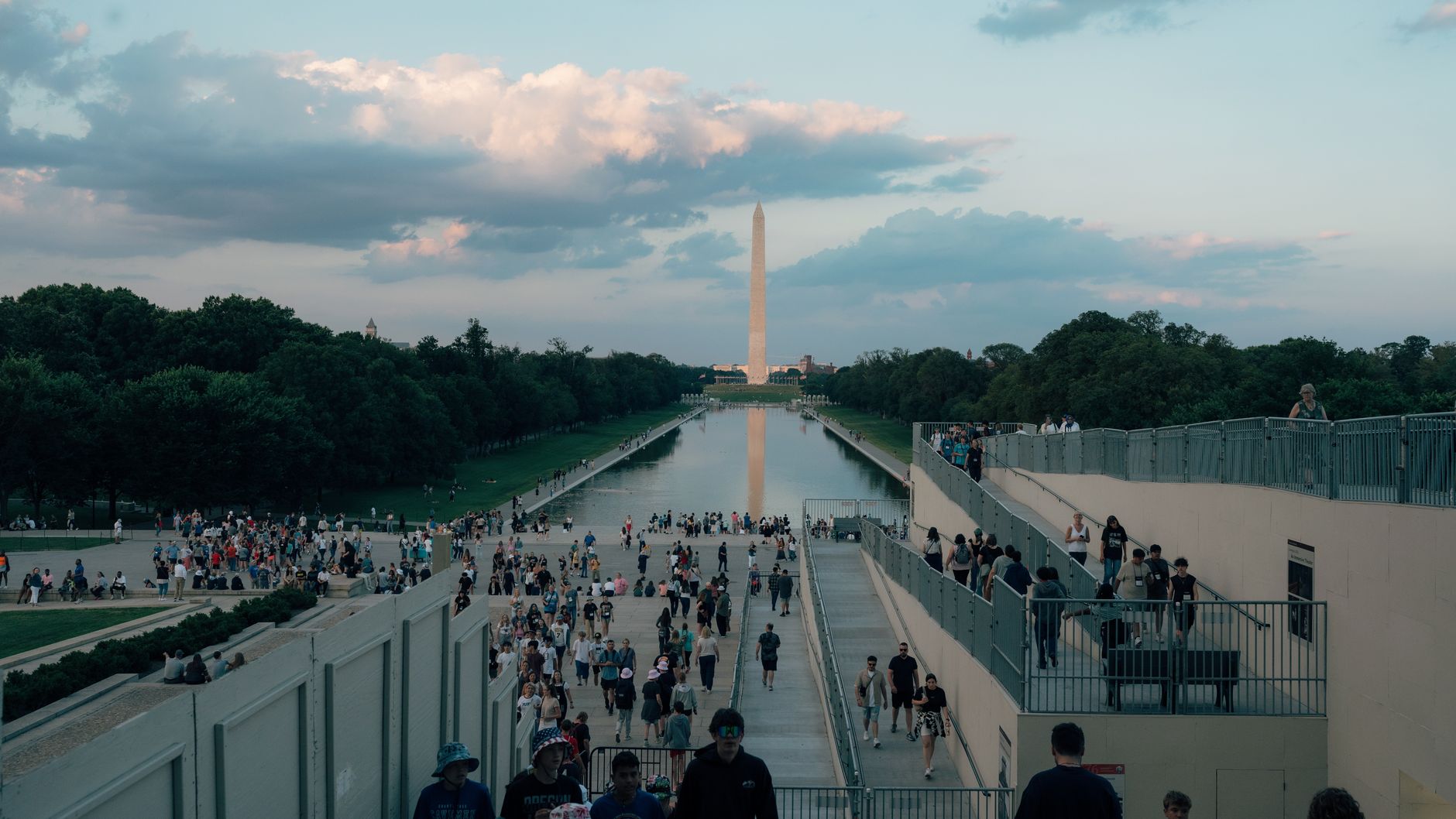
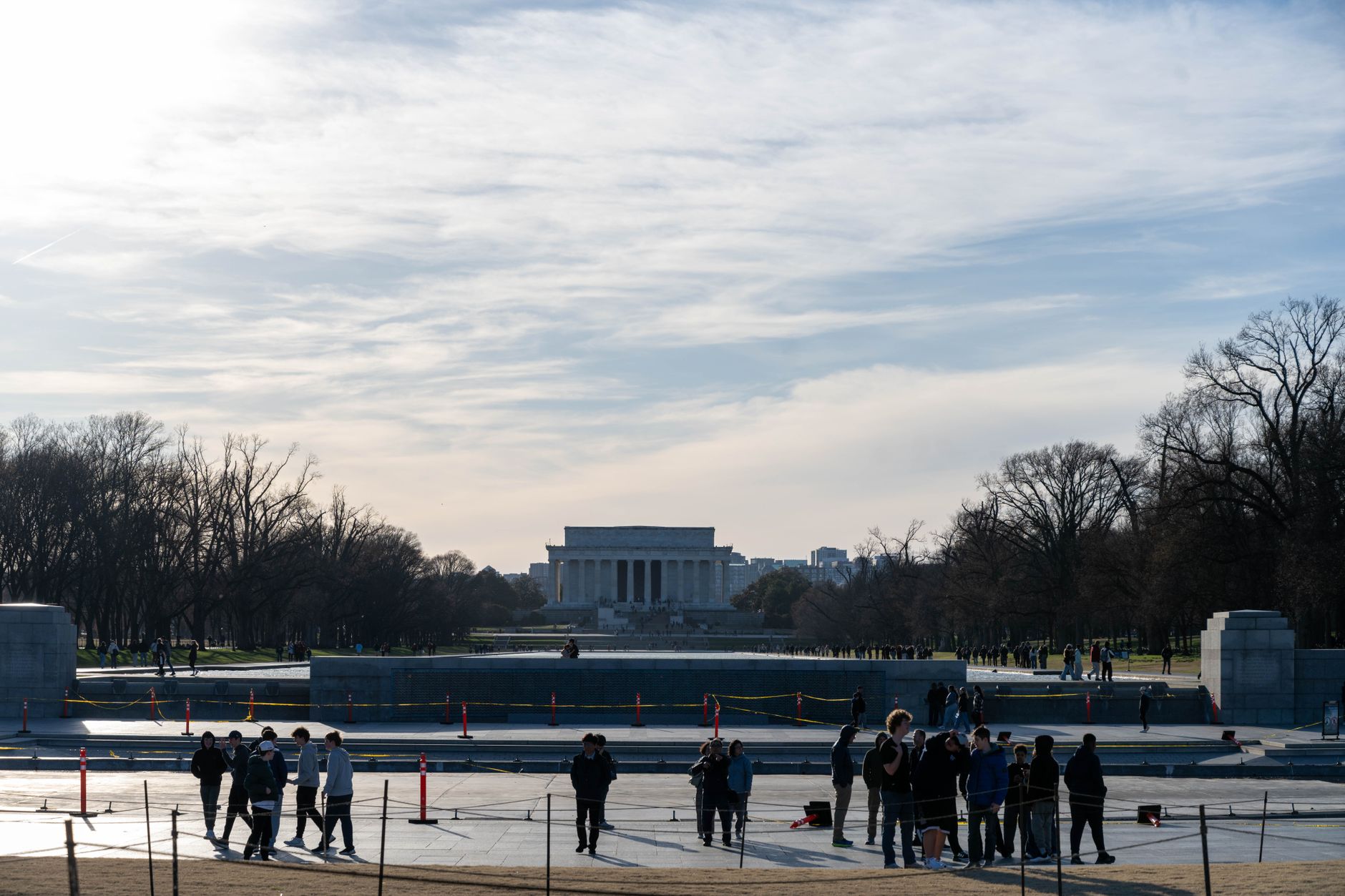
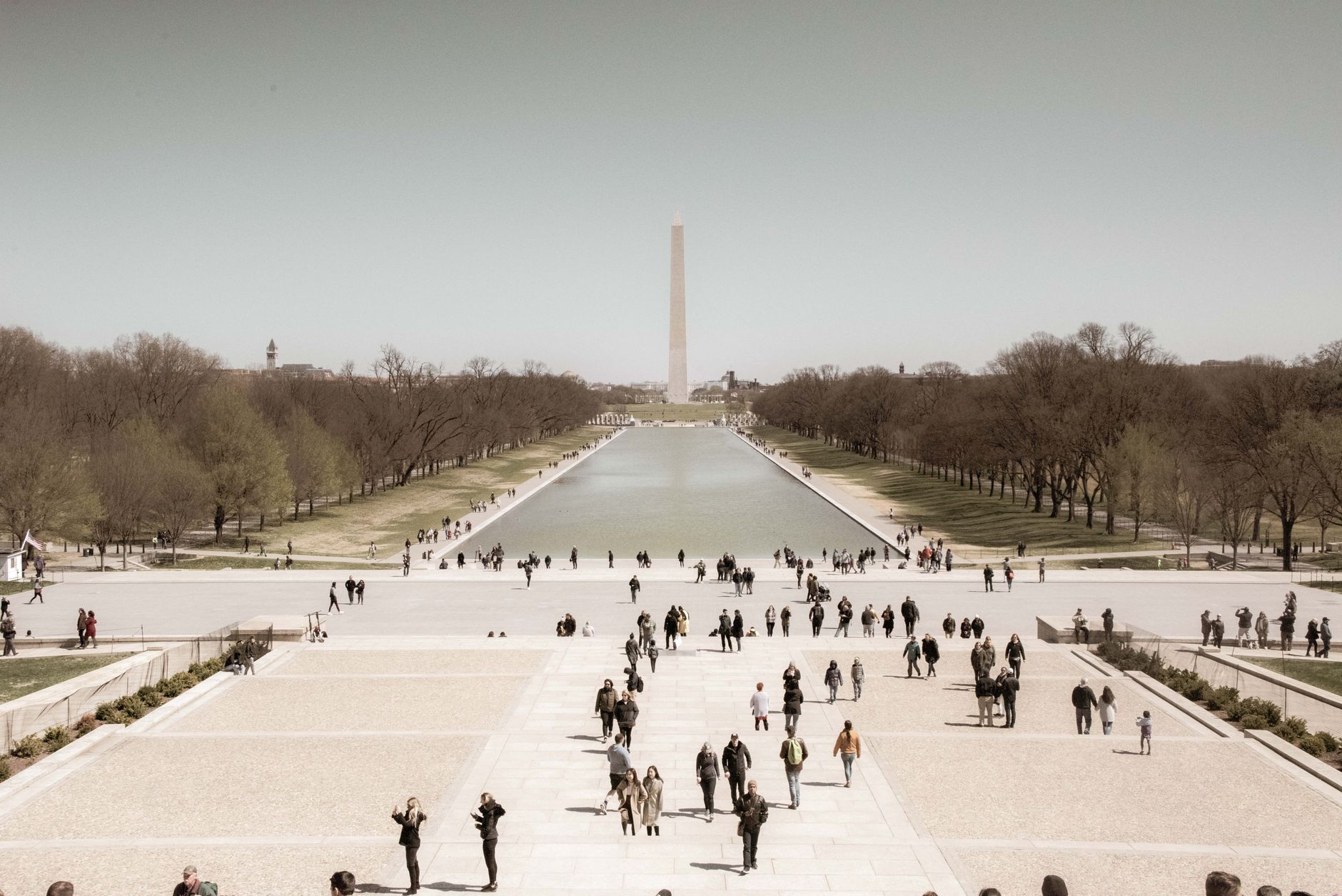
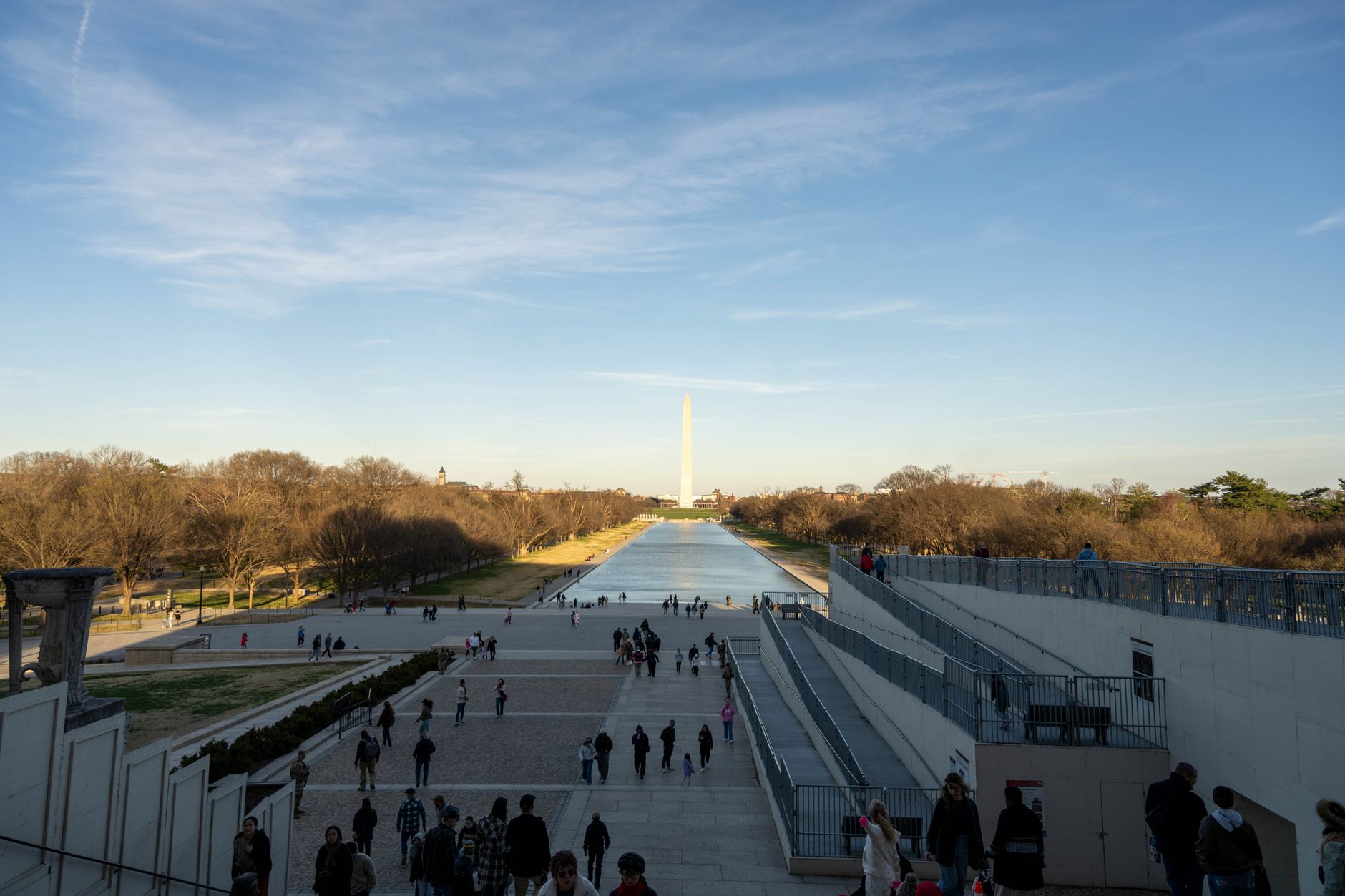
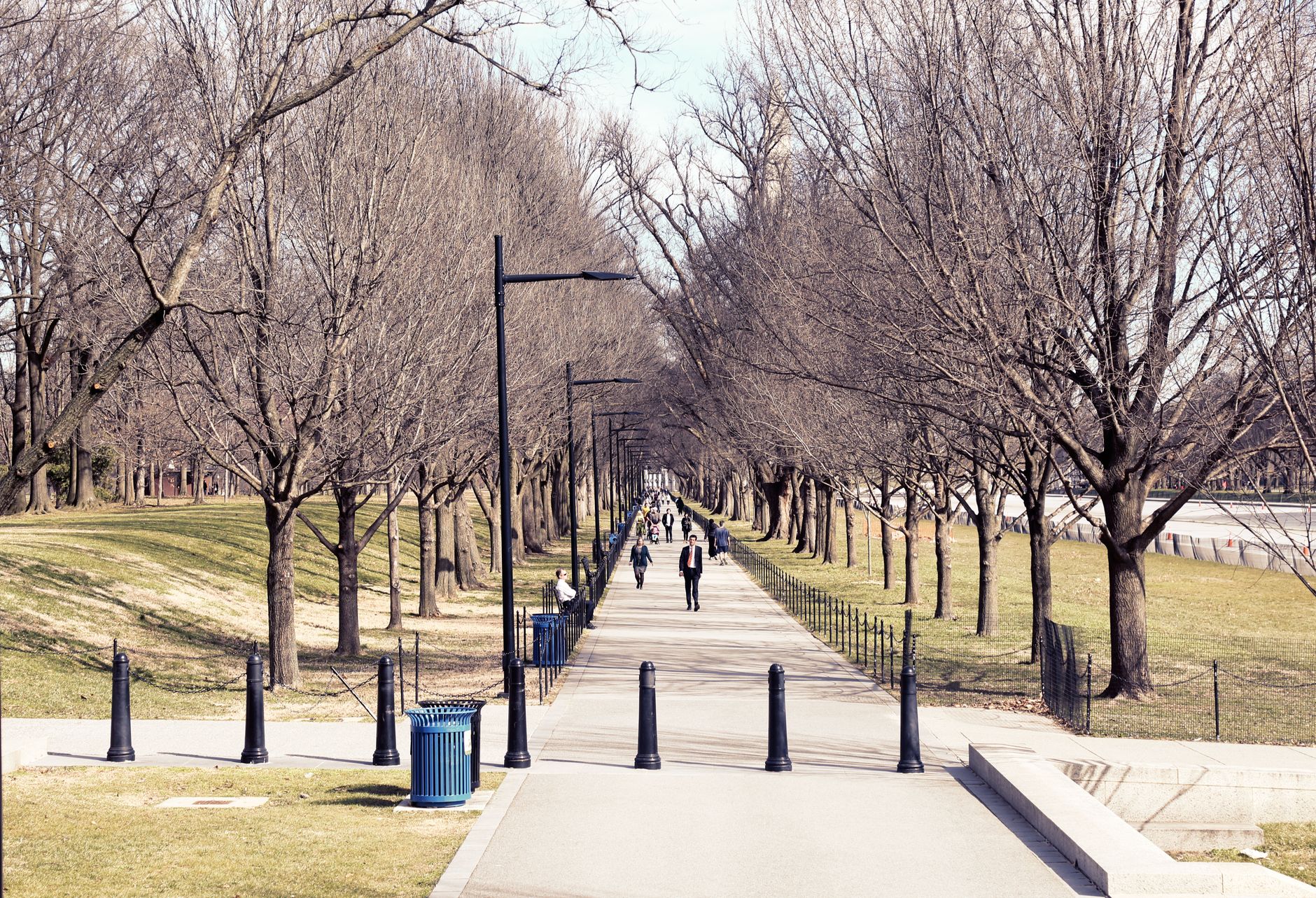
The Washington Monument is taller than it looks on television — 555 feet 5 and an eighth inches of white Maryland marble, rising from a flat two-mile corridor of grass and gravel that stretches between the Capitol and the Potomac. That corridor is the National Mall, and almost everything here is free: the Air and Space Museum's Wright Brothers' Flyer, the Hope Diamond at Natural History, the Hirshhorn's sculpture garden, I. M. Pei's angular East Building at the National Gallery.
People come expecting monuments and leave surprised by the museums. The National Museum of African American History and Culture, which opened in 2016, routinely requires timed-entry passes booked days in advance — plan ahead or queue early. The Smithsonian Carousel, returned to its spot on the Mall in April 2026 after renovations, still costs a dollar or two and still draws a crowd.
💛 What travellers fall for
People who come back tend to work the edges rather than the center strip. The Freer and Sackler galleries — combined now as the National Museum of Asian Art — are quieter than their neighbors and genuinely world-class. The U.S. Botanic Garden, tucked near the Capitol end, has 28,000 square feet of plants and almost no wait.
Deals in National Mall
Book directly at the provider


How National Mall came to be
Pierre L'Enfant laid out the Mall in 1791 as a 400-foot-wide Grand Avenue running west from the Capitol — a green spine for a capital city that barely existed yet. The first map to label it 'The Mall' appeared in 1802, drawn by Mathew Carey. Construction on the Smithsonian Castle began in 1847; the Washington Monument broke ground in 1848 and took decades to finish. A city canal once ran through the area and was filled in during the 1870s.
The 1902 McMillan Commission — which included landscape architect Frederick Law Olmsted — expanded and formalized L'Enfant's vision into something closer to what you walk today. Maya Lin, then a 21-year-old Yale architecture student, won the open competition for the Vietnam Veterans Memorial in 1981; it was completed in 1982. The Mall was officially established as a unit of the National Park Service in 1965.
Who and what shaped it
People who shaped it
Landmark buildings
See National Mall in motion
Plan your visit
On the map
When to go
Spring (March–May) brings mild temperatures and the famous cherry blossoms, along with the year's largest crowds. Summer is hot and humid — often above 90°F — but the museums offer relief; fall is the most comfortable season for walking the length of the Mall, and winter is cold but uncrowded, with occasional snow that transforms the monuments entirely.
Right now
Background & history adapted from Wikipedia (CC BY-SA) · specs from Wikidata (CC0) · weather from Open-Meteo · map data © OpenStreetMap contributors · photos from Wikimedia Commons / Unsplash with per-image credit. No third-party reviews or social posts reproduced.