
Mürren
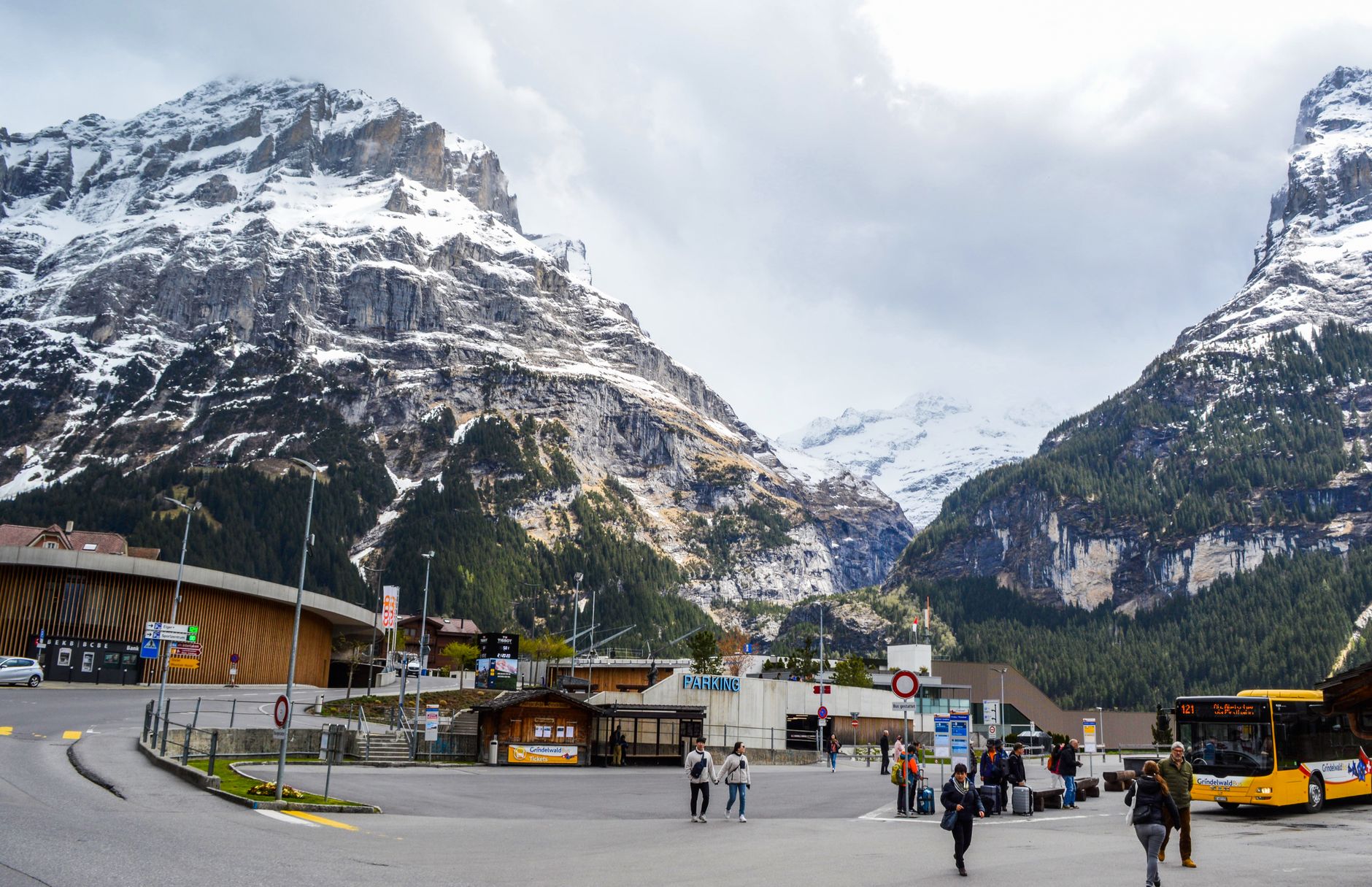
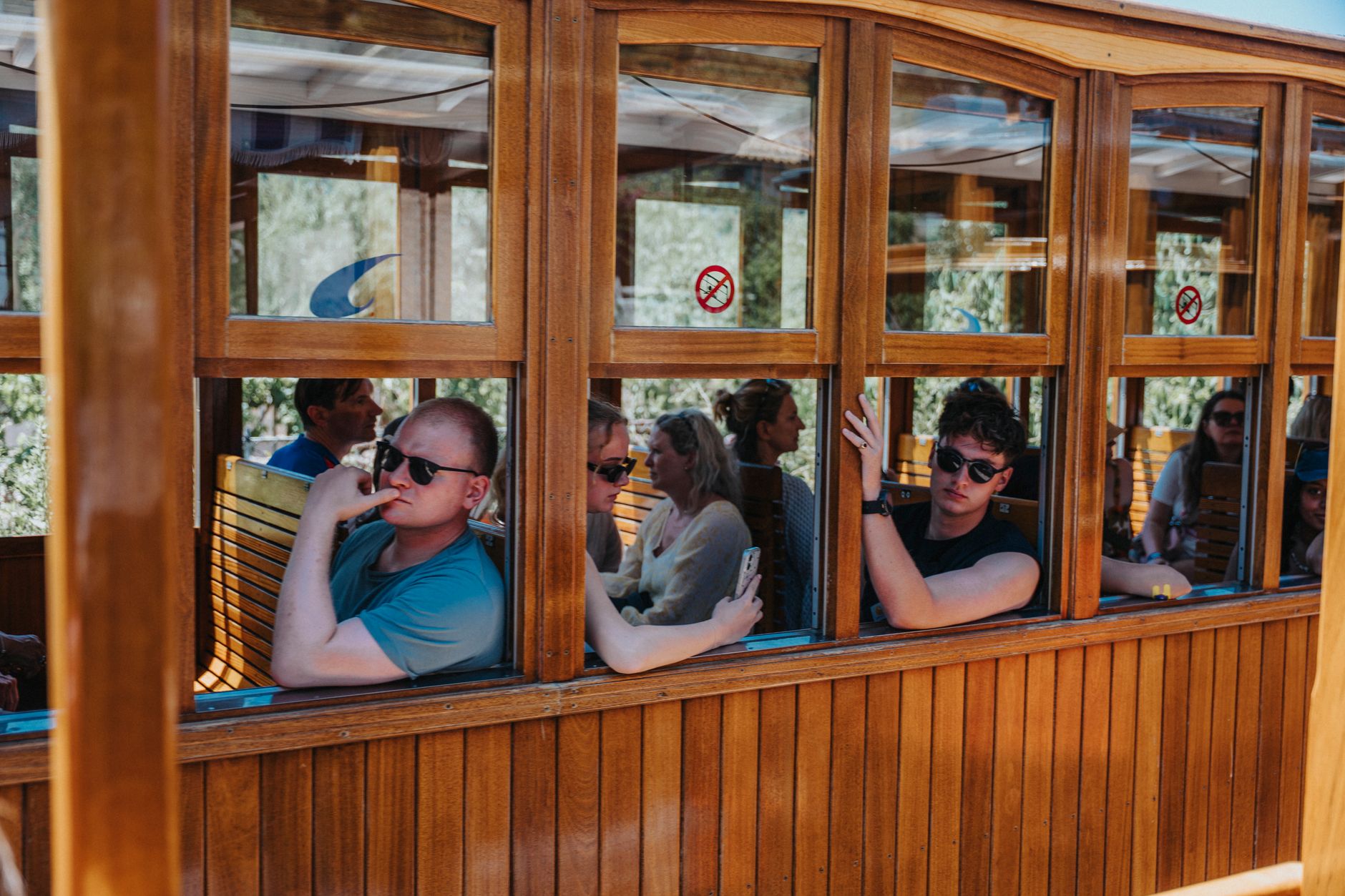
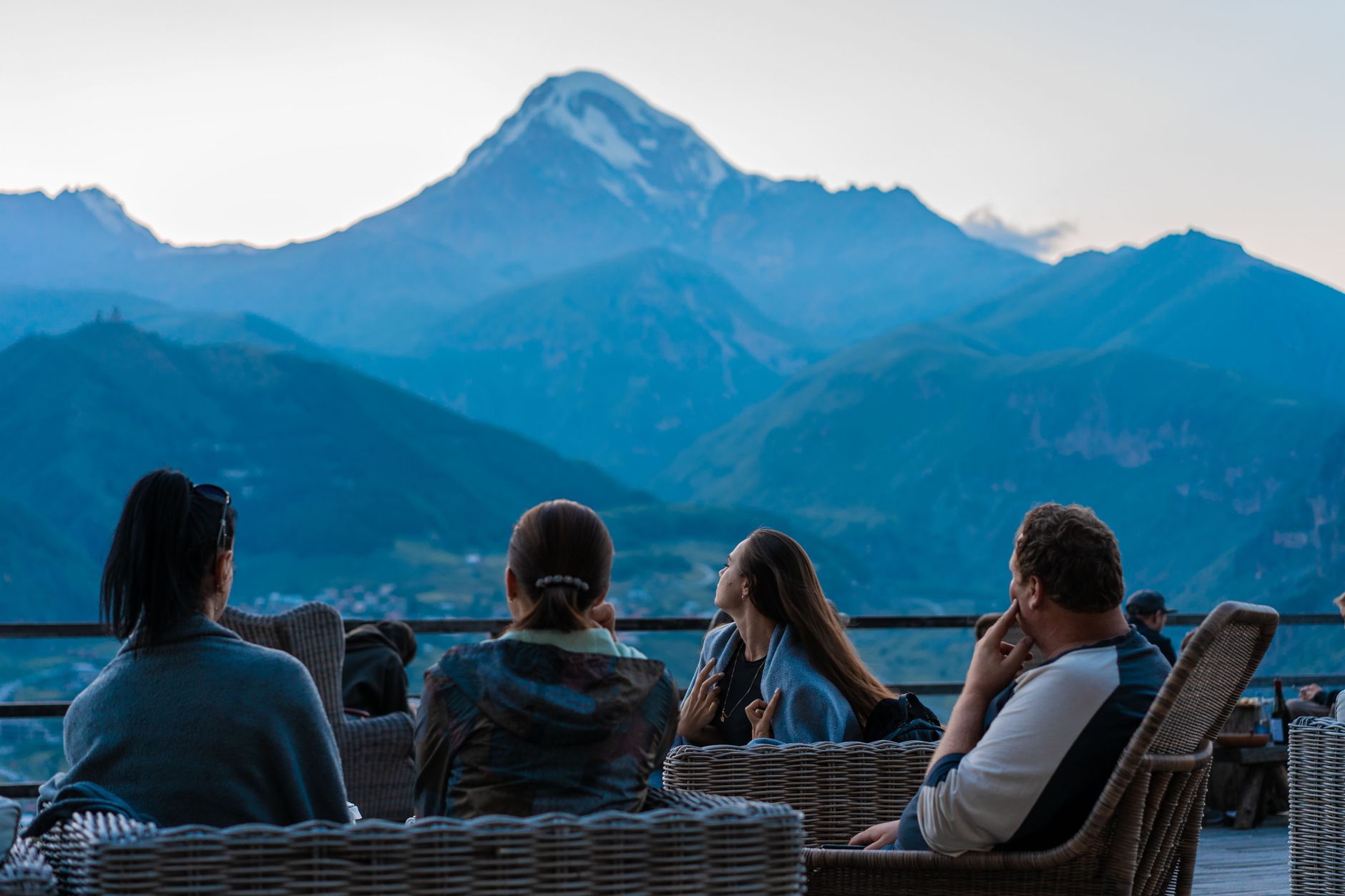
Mürren sits at 1,638 metres on a cliff-edge terrace above the Lauterbrunnen valley, and it has no road in. That single fact shapes everything: the quiet, the pace, the way the Eiger, Mönch and Jungfrau fill the skyline without a car park in the foreground. You arrive by gondola to Grütschalp, then a small train threads along the cliff to the village — or, since December 2024, by a new cable car direct from Stechelberg.
With 430 year-round residents and roughly 2,000 hotel beds, Mürren is never going to feel anonymous. The skating rink becomes a mini-golf course in summer. The tennis courts, at 1,650 metres, are among the highest in the world. Above the village, a revolving restaurant named Piz Gloria turns slowly on the Schilthorn summit — and yes, that is exactly where they filmed the Bond villain's lair.
💛 What travellers fall for
People who come back tend to time it around the Inferno Race in January — watching 1,800 amateur skiers drop 15.8 kilometres from the Schilthorn to Lauterbrunnen is genuinely unlike anything else in the Alps. Off-season, the gondola from Stechelberg runs every thirty minutes and the village is almost entirely yours.
Deals in Mürren
Book directly at the provider

How Mürren came to be
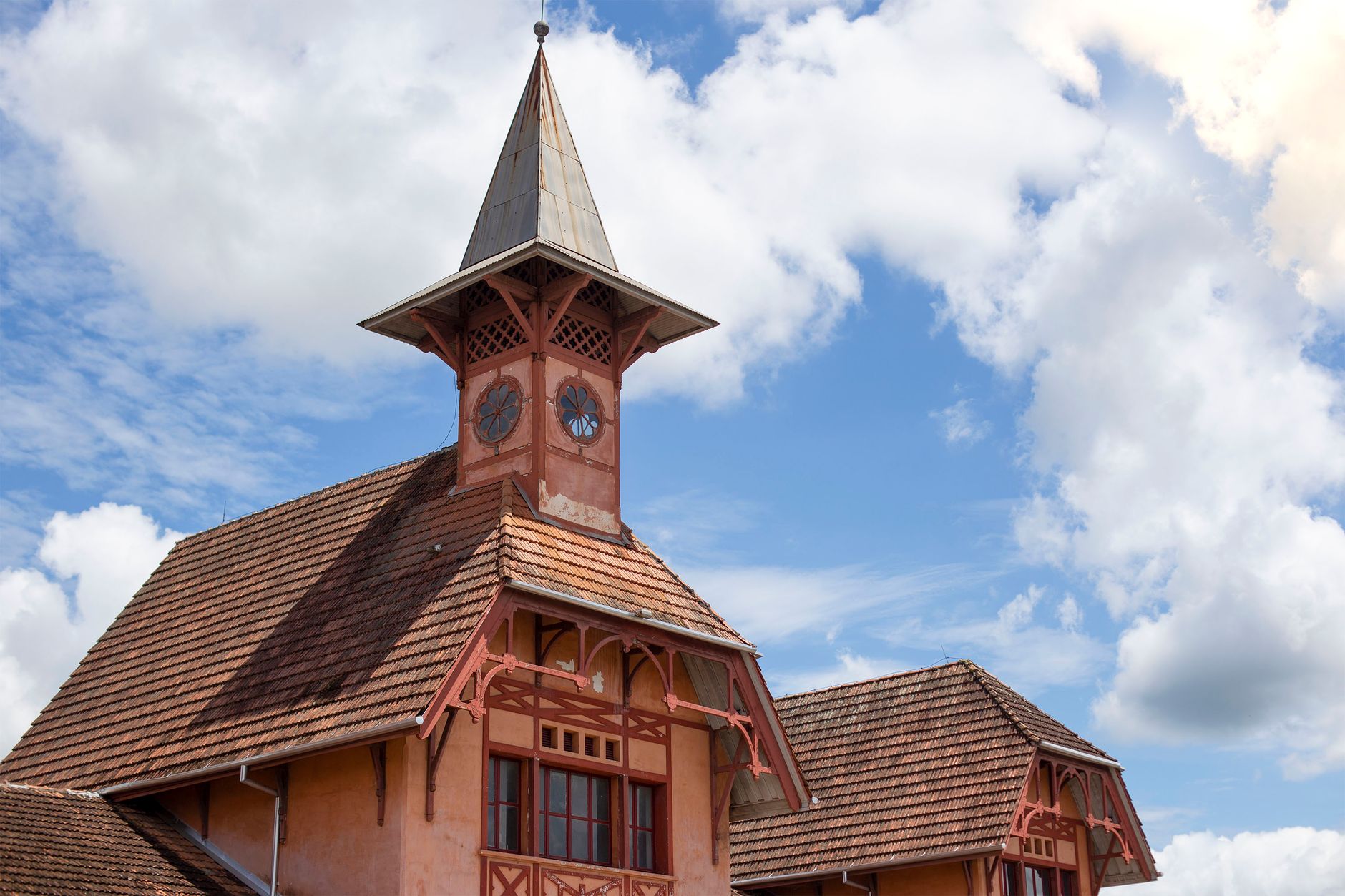
Mürren appears in the record books as early as 1257, noted as Mons Murren, though it was likely little more than alpine grazing land until settlers from the Lötschental arrived around 1300. The farming cooperative — the Bäuert — built the first hotel in 1857, and for decades guests reached it only by mule. The Lauterbrunnen–Mürren railway changed that in 1891; the Allmendhubel funicular followed in 1912.
British winter tourists arrived in 1911, and the village's modern identity began to crystallise around them. Sir Arnold Lunn — whose statue stands outside the rail station — co-founded the Kandahar Ski Club here in 1924 with eight other British skiers. Four years later the Inferno Race was born, a 15.8-kilometre descent that still runs annually with a cap of 1,800 entrants, making it the longest and largest amateur ski race in the world.
Who and what shaped it
People who shaped it
Landmark buildings
See Mürren in motion
Plan your visit
On the map
When to go
Winters run cold and deep, averaging -5°C to 0°C with two to three metres of accumulated snow — skiing conditions are reliable from December through March. Summers are mild (around 16–17°C in July and August) but genuinely wet, so a waterproof layer earns its place in your bag whatever the forecast says.
Right now
Background & history adapted from Wikipedia (CC BY-SA) · specs from Wikidata (CC0) · weather from Open-Meteo · map data © OpenStreetMap contributors · photos from Wikimedia Commons / Unsplash with per-image credit. No third-party reviews or social posts reproduced.