
Morzine
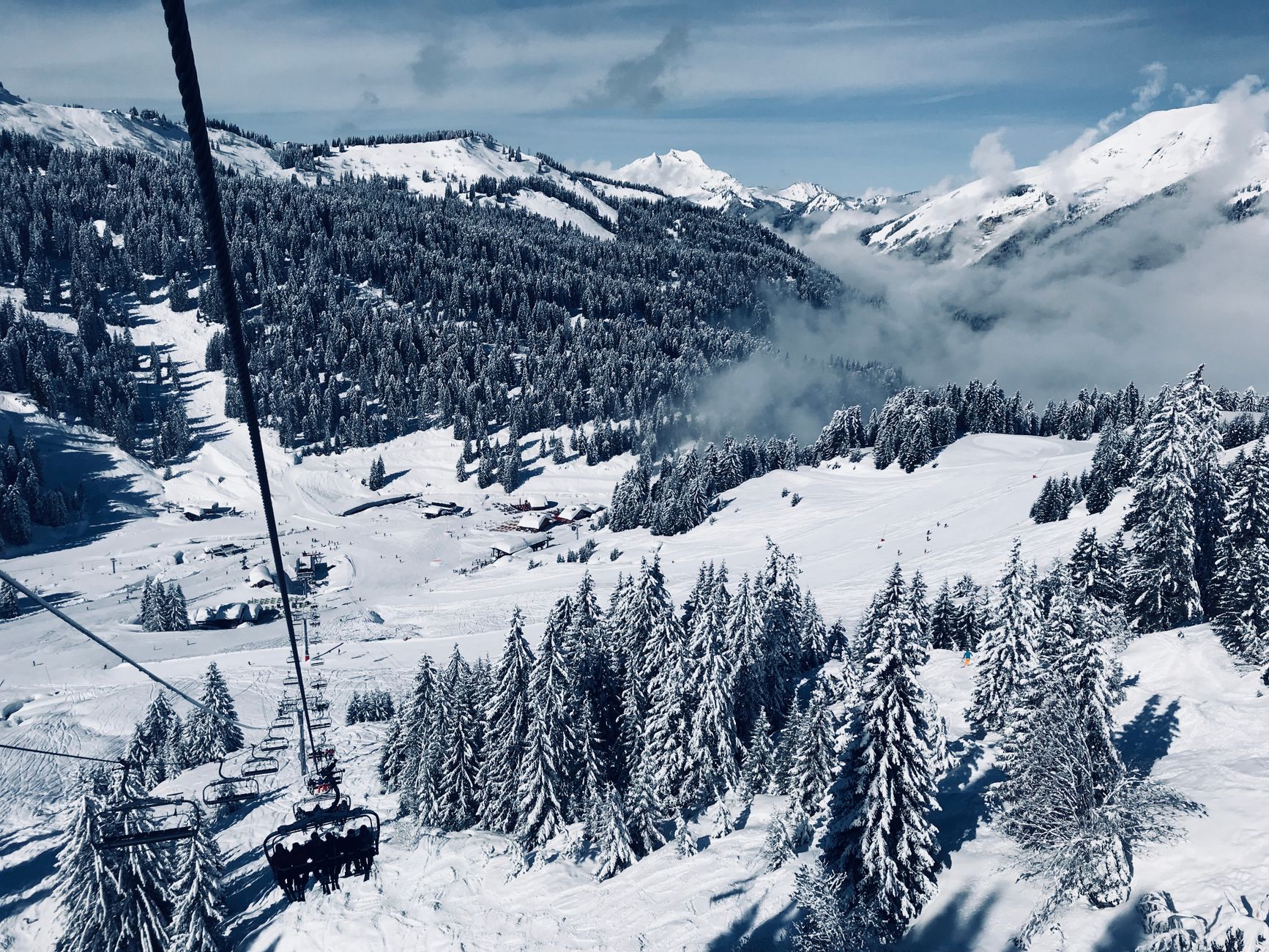
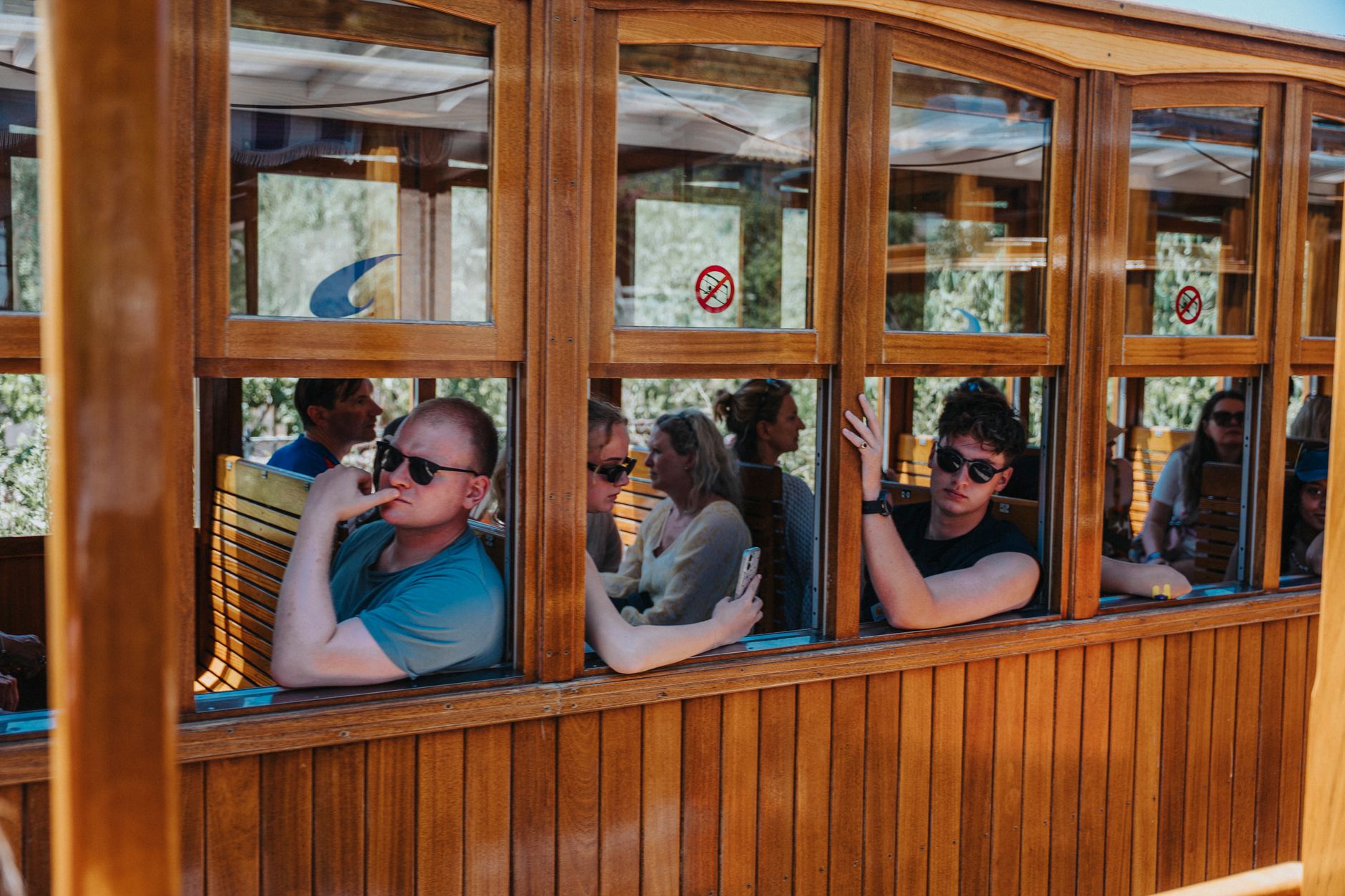
The name comes from the Latin for 'border area,' and Morzine still feels like a place that sits between things — between France and Switzerland, between winter and summer, between a working mountain village and one of the Alps' most connected ski territories. The old square, the Vieux Bourg, anchors it: town hall, church, war memorial, a bridge over the Dranse, and the Hôtel des Alpes, which has been standing since 1809.
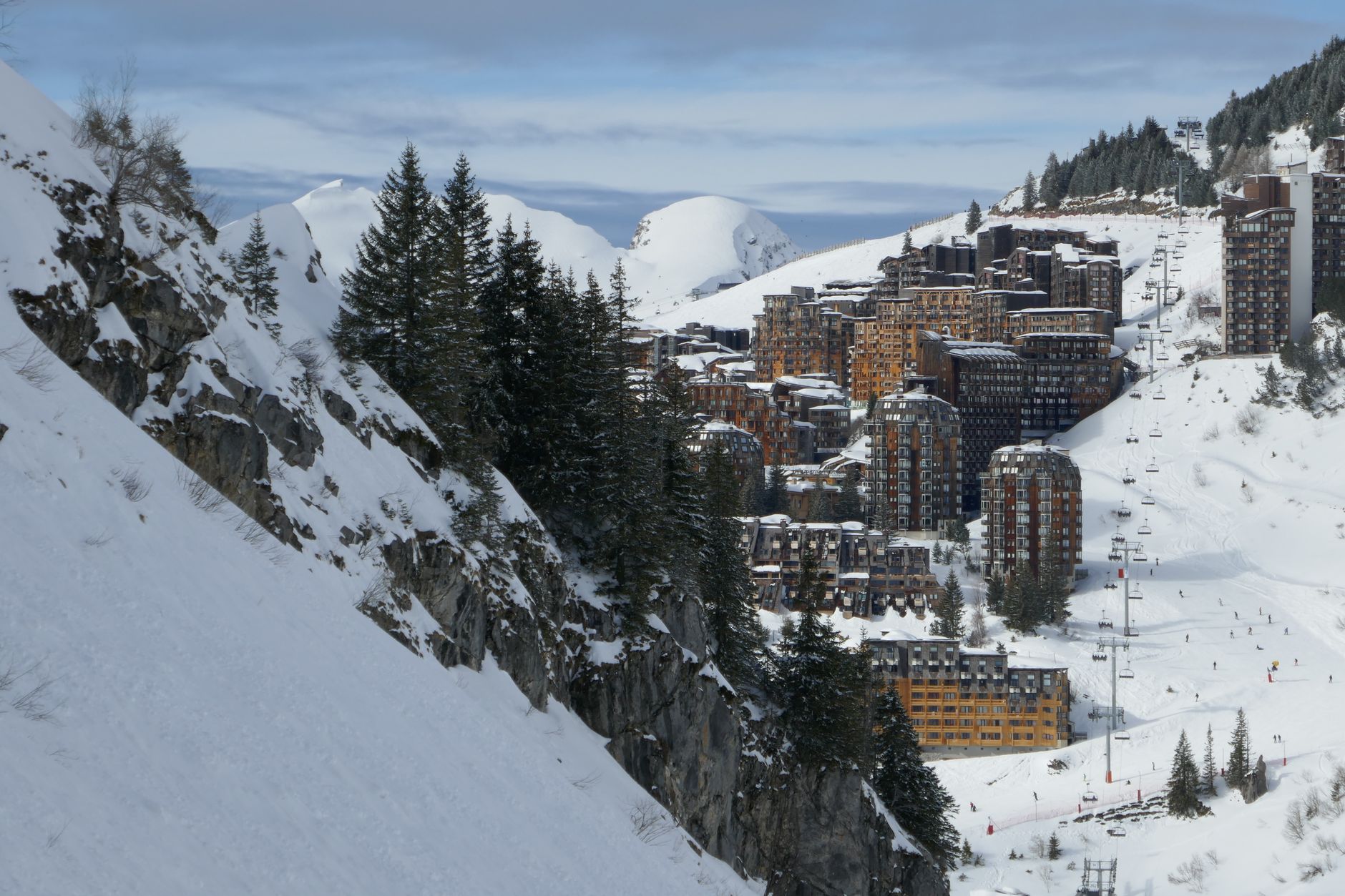
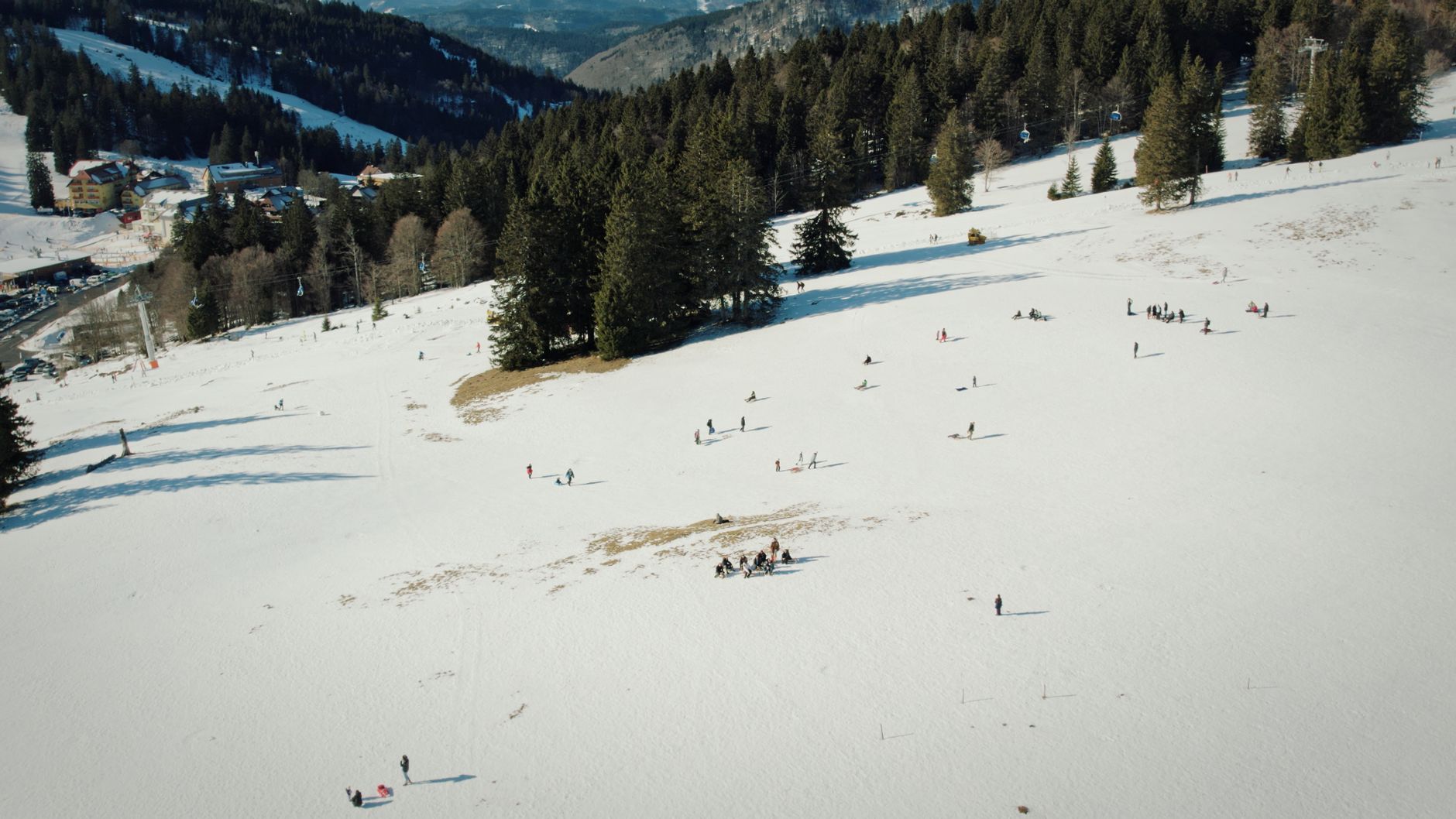
What makes Morzine distinct is how deliberately it was built into what it is. The Pleney cable car went up in 1934 — only the second in all of France. The linked resort of Avoriaz followed in 1963, eventually joining French and Swiss slopes into the Portes du Soleil network. The bones of that ambition are still visible everywhere you look.
💛 What travellers fall for
People who come back tend to mention the free shuttle system — it genuinely works, covering the Pleney lift, the Super Morzine lift, and the pool without any fuss. The Petit Train is not just for children. And the Y91 bus to Les Gets runs year-round, which matters when you want a change of pace without renting a car.
Experiences you don't want to miss


Deals in Morzine
Book directly at the provider
How Morzine came to be
Morzine appears in the record books as early as 1181, when it was a grange — a working farm — of the Cistercian Aulps Abbey. For centuries the economy ran on slate quarrying, until winter tourism began to displace it around 1930. The pivot was deliberate: local businessman François Baud opened the Grand Hotel in 1925 and cut the first ski run himself.
The transformation accelerated after 1960, when Jean Vuarnet won Olympic gold at Squaw Valley and returned home determined to build something lasting. Avoriaz was developed in 1963, its cable car briefly the fastest in the world, and the linked Portes du Soleil network eventually stretched across the French-Swiss border. Between those two eras, in the 1850s and 1860s, the village attracted a different kind of attention entirely: an unusually high number of women reported demonic possession, drawing national scrutiny to this otherwise quiet corner of Savoie.
Who and what shaped it
People who shaped it
Landmark buildings
See Morzine in motion
Plan your visit
On the map
When to go
Winter runs cold and snowy from November through April, with the heaviest snowfall typically arriving in early March — expect around 40 cm in a single week at peak. Summers are mild rather than hot, with July averaging 21°C and delivering over nine hours of sunshine a day, though June is the wettest month by some margin.
Right now
Background & history adapted from Wikipedia (CC BY-SA) · specs from Wikidata (CC0) · weather from Open-Meteo · map data © OpenStreetMap contributors · photos from Wikimedia Commons / Unsplash with per-image credit. No third-party reviews or social posts reproduced.