
Moru Kopjes
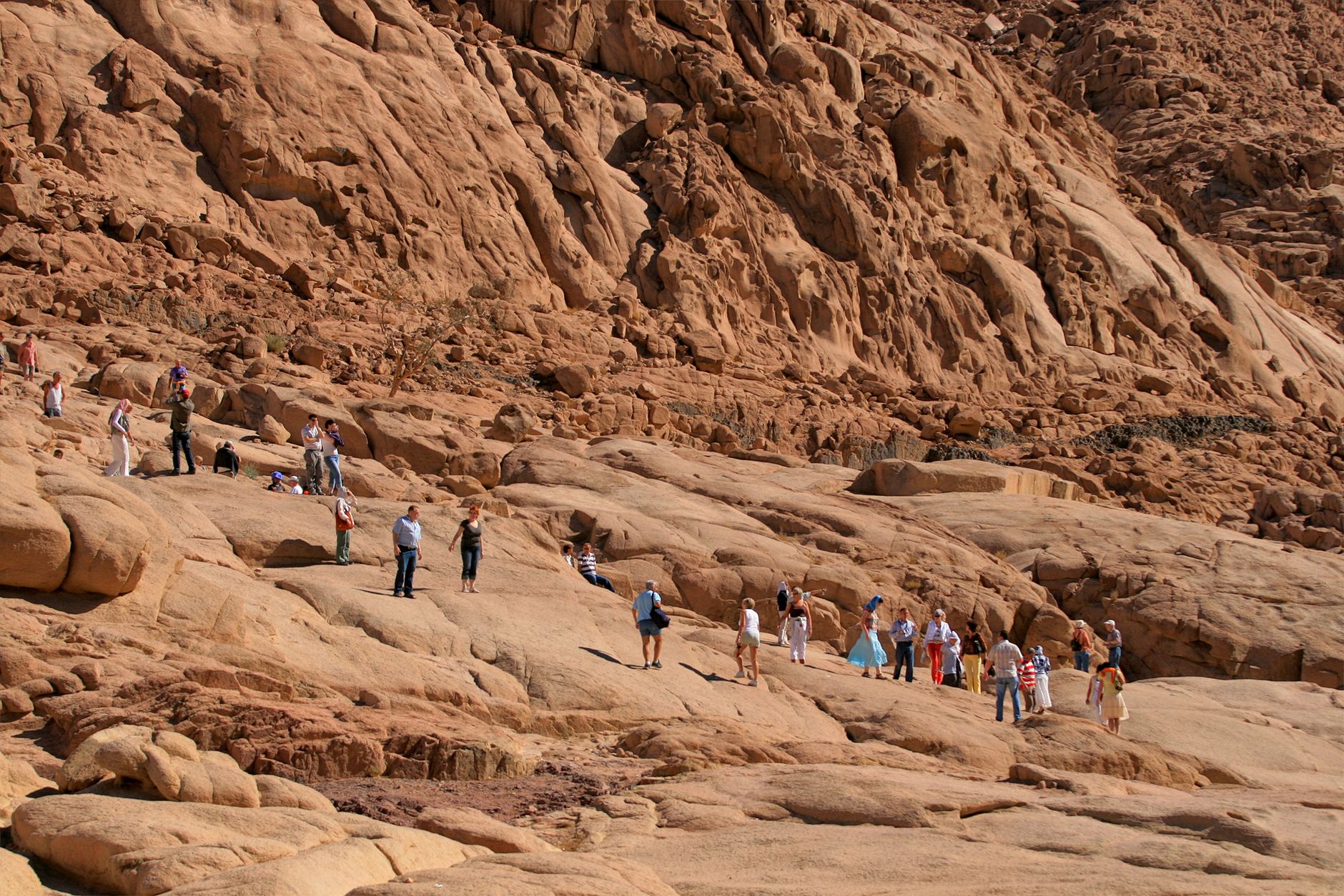


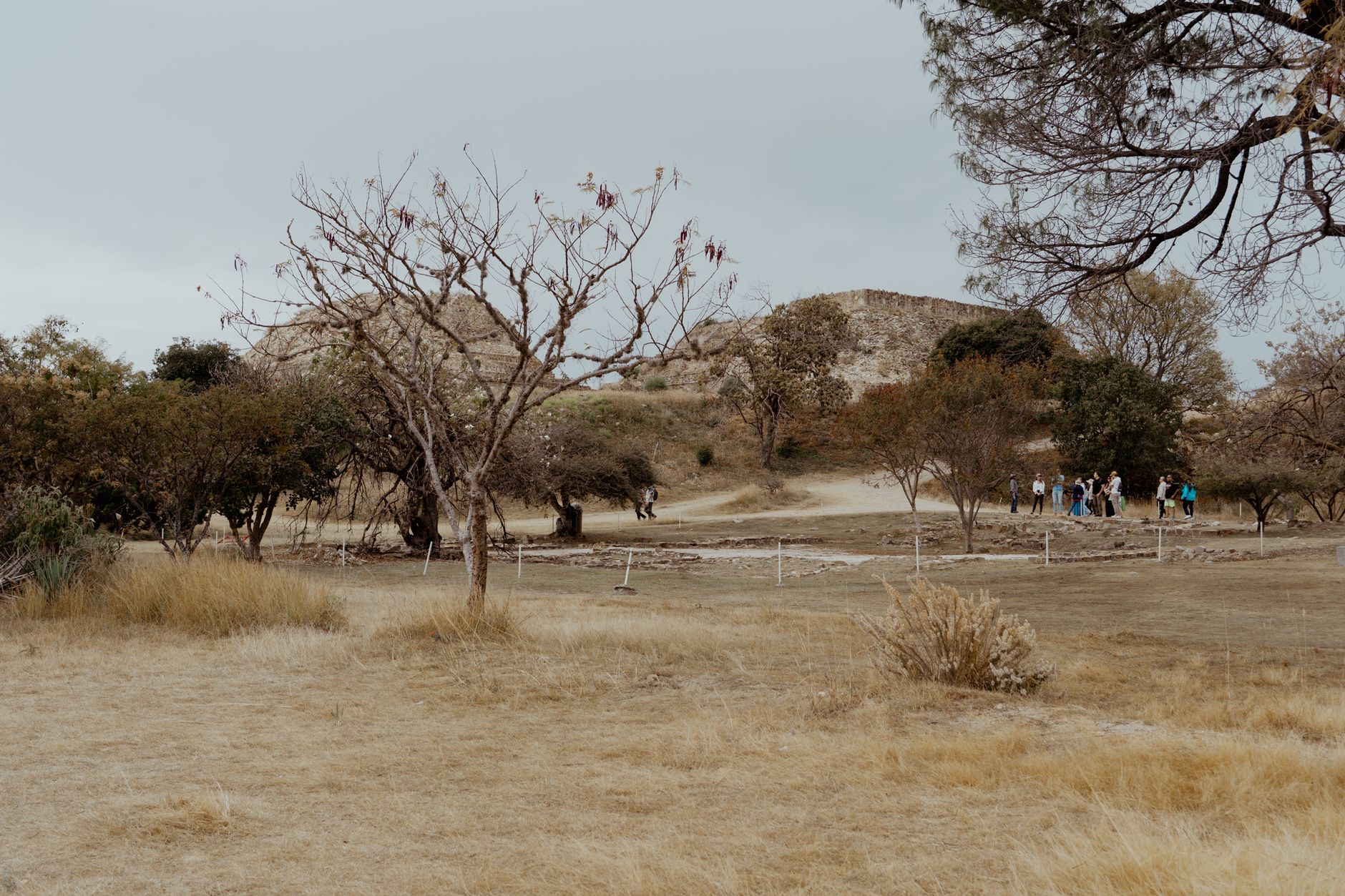
The granite at Moru Kopjes has been here for more than 540 million years, pushed up from the earth's mantle and left standing after everything softer eroded away. What remains are great reddish boulders — iron oxidizing slowly to rust — rising from a grassland scattered with Candelabra trees that stretch their forked arms upward like something from a fever dream. It's one of the few places in the Serengeti where you can actually get out of the vehicle and walk.
Moru sits on the main migration corridor, so between May and June, and again in November and December, the plains below fill with wildebeest moving through. The kopjes' resident population of black rhinos — all 19 of them, the only ones in the park — are here year-round.
💛 What travellers fall for
People who've been more than once tend to mention Gong Rock first — the boulder with circular depressions that rings when struck, granite worn smooth by hands over centuries. Then, almost always, the Maasai cave paintings: shields in red clay and ash-black, identical in form to shields still carried today. Bring a torch for the cave interior.
How Moru Kopjes came to be
The Serengeti National Park was established in 1952, and within a few years the people who had lived and moved through this landscape were gone. The Dorobo hunter-gatherers were evicted in 1955; the Maasai cattle herders, who had used the caves beneath these kopjes as seasonal shelter — one partition for mothers and young, one for elders, one for warriors — were removed in 1959. What they left behind are rock paintings made from white and yellow clays, ash from wild caper, and red clay mixed with juice from wild nightshades: shields, elephants, people.
Poaching in the late 1970s brought the local black rhino population to the edge of disappearance. A bull named Rajabu walked roughly 70 miles from Ngorongoro Crater and found the last two surviving females at Moru. The population today stands at 19.
Who and what shaped it
People who shaped it
Landmark buildings
Plan your visit
On the map
When to go
June through October is cool and dry, with afternoons around 26°C and cold nights dropping to near 14°C — bring a layer for early morning walks. The short rains in November and December are light and unpredictable; the long rains from March through May turn the plains green but rarely last all day.
Right now
Background & history adapted from Wikipedia (CC BY-SA) · specs from Wikidata (CC0) · weather from Open-Meteo · map data © OpenStreetMap contributors · photos from Wikimedia Commons / Unsplash with per-image credit. No third-party reviews or social posts reproduced.