
Morlaix
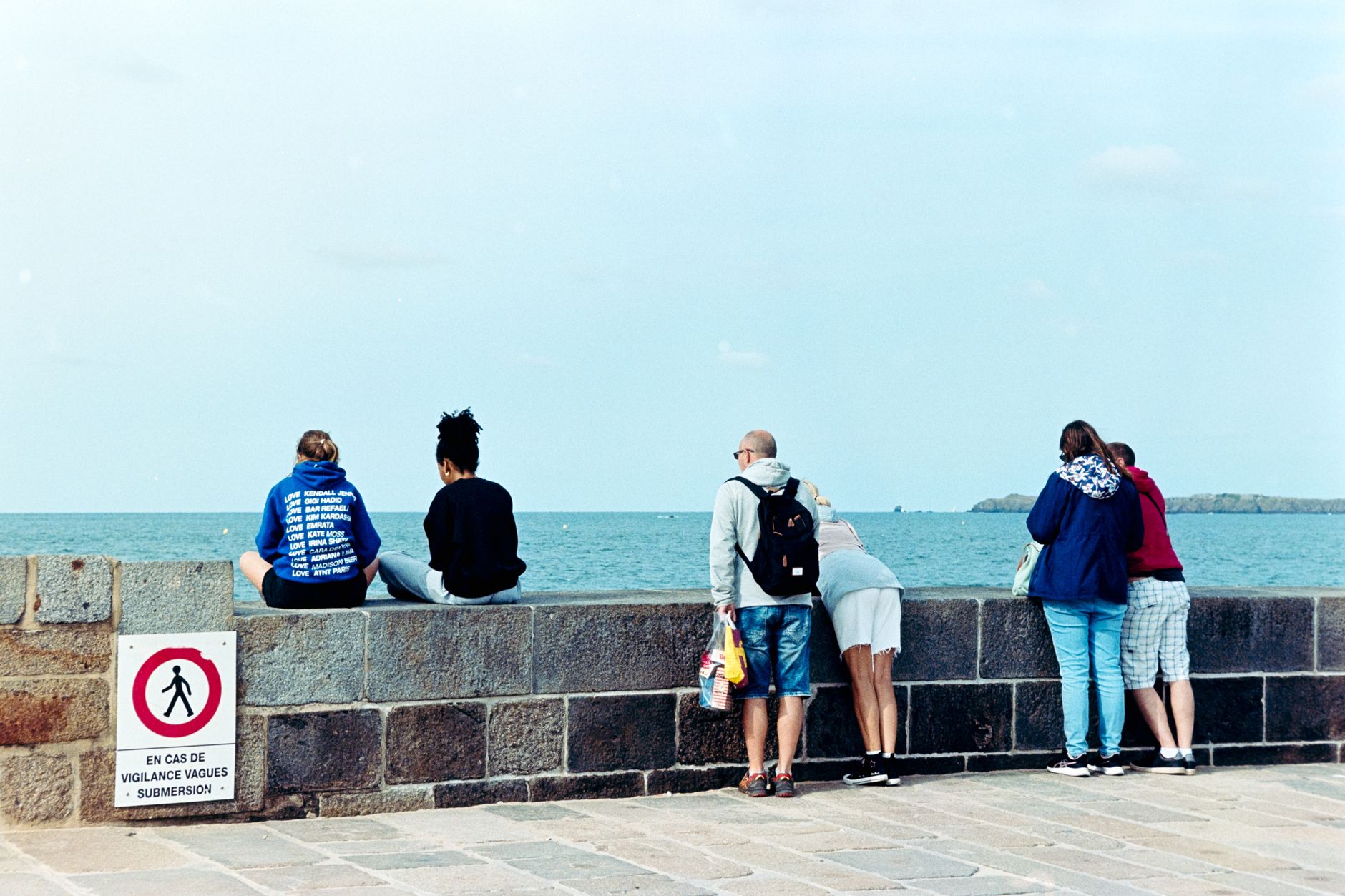
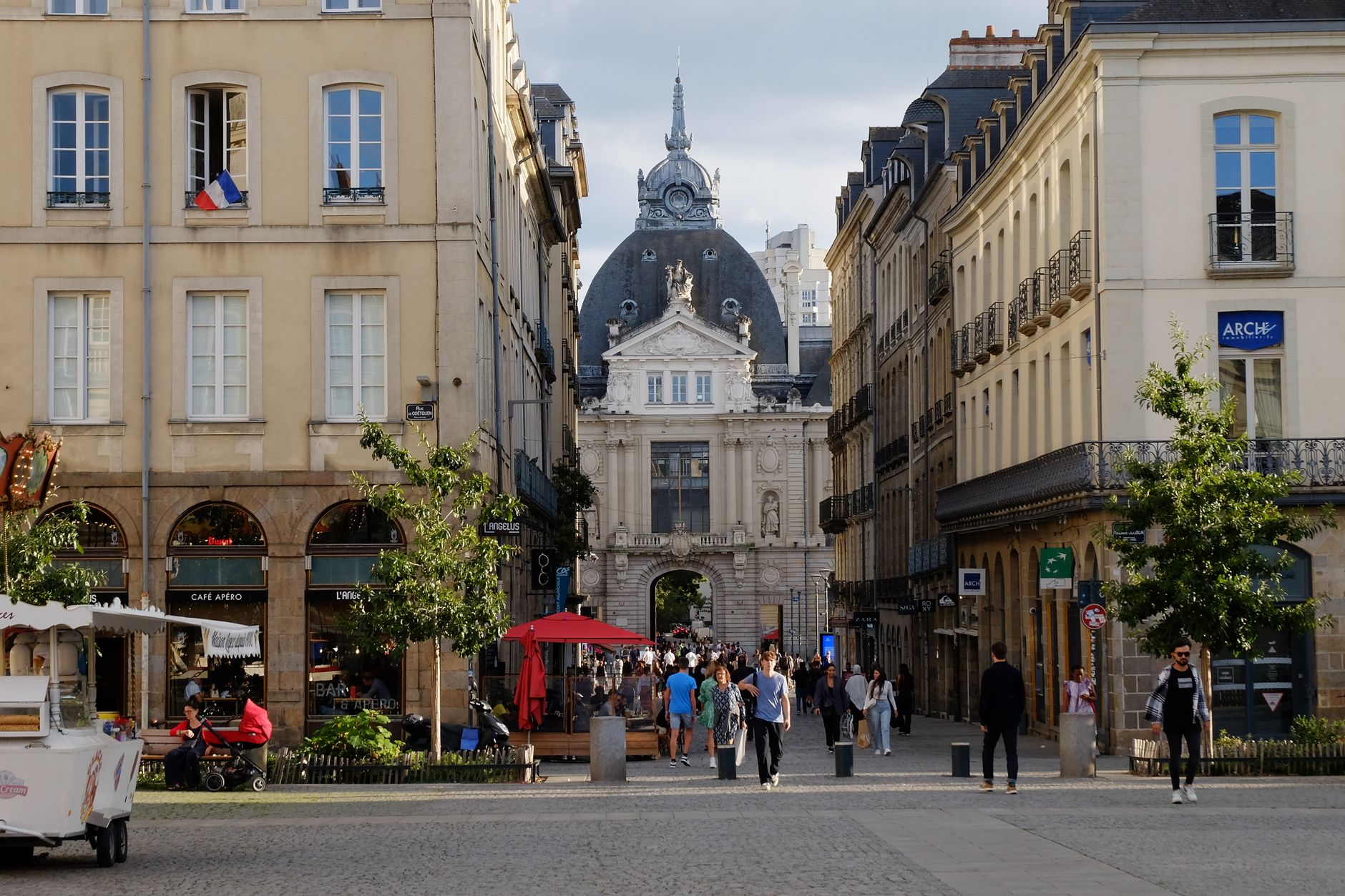
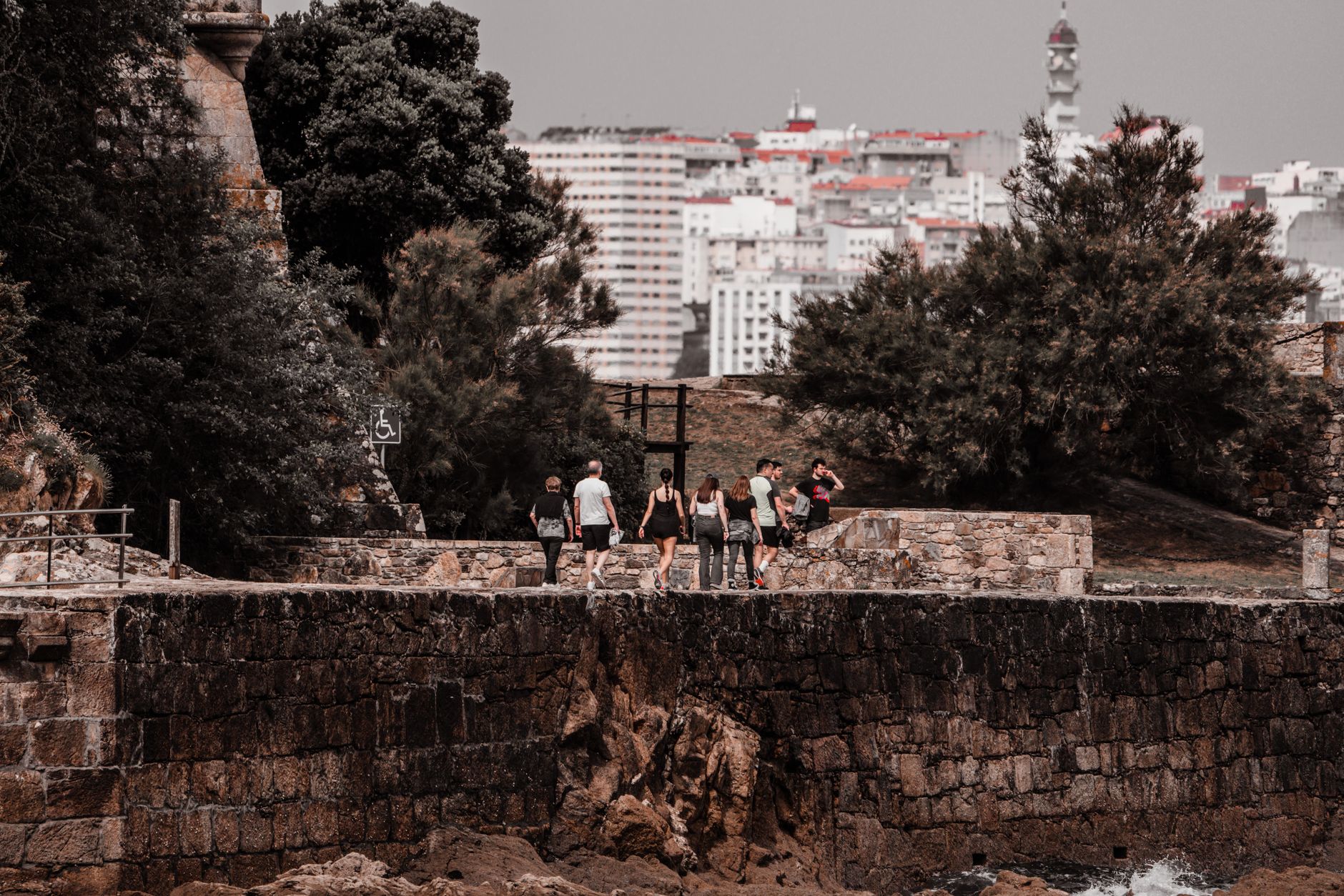


Morlaix is a town built on steep river banks and the memory of linen money. Look up from the old quarter and you'll see the viaduct — 62 metres of granite arches completed in 1863, still carrying trains between Paris and Brest — framing the rooftops like something from a 19th-century engraving. The scale of it, right in the middle of town, stops you.
Below it, the streets narrow and tilt. Half-timbered lantern houses from the 16th century line the lanes, built by linen merchants who wanted their wealth visible from the inside out: monumental fireplaces, winding central staircases, wooden interior walkways the locals call ponts d'allée. Morlaix is a town that rewards slow walking and looking up.
💛 What travellers fall for
People who come back tend to mention the Maison dite de la Duchesse Anne — not for the name but for the inner courtyard and the sculpted staircase, which you don't expect from the street. The port area at the bottom of town is quieter than the old quarter and good for a late-afternoon pause before the train.
Experiences you don't want to miss




Deals in Morlaix
Book directly at the provider

How Morlaix came to be
The site has Roman traces — coins suggest a settlement called Mons Relaxus — but Morlaix's recorded story begins in 990 as a fishing village, passing to the Duchy of Brittany in 1187. It spent much of the medieval period contested: English forces under William de Bohun fought here in 1342, and a British raid in 1522 was repulsed. The town's real prosperity came later, through the linen trade. Merchants built the lantern houses that still define the old quarter, and a tobacco factory followed in the 17th century, with the town-centre port constructed in the 1730s.
The viaduct arrived between 1861 and 1863, its granite quarried from Île Grande. In 1943, British aircraft attempted to destroy it; the bombing killed around 80 people, many of them children, while the structure survived. That tension — between the town's layered history and the marks left on it — runs quietly through Morlaix.
Who and what shaped it
People who shaped it
Landmark buildings
See Morlaix in motion
Plan your visit
On the map
When to go
Morlaix has a marine west coast climate: mild year-round, rarely extreme in either direction, but reliably damp. Spring and early autumn give the best light for the old town; summer brings more visitors and slightly warmer temperatures, though Atlantic cloud can roll in at any time of year.
Right now
Background & history adapted from Wikipedia (CC BY-SA) · specs from Wikidata (CC0) · weather from Open-Meteo · map data © OpenStreetMap contributors · photos from Wikimedia Commons / Unsplash with per-image credit. No third-party reviews or social posts reproduced.