
Montbard

Montbard earns its place on the Paris–Dijon railway line without apology. The TGV stops here — a small Burgundian town of stone streets and modest ambition — because a naturalist named Buffon once decided this was where he wanted to think. Born here in 1707, Georges-Louis Leclerc spent decades transforming the ruins of a ducal château into terraced gardens where he could write his encyclopedic natural history. The result, fourteen terraces climbing a hill above the town, is still there to walk.
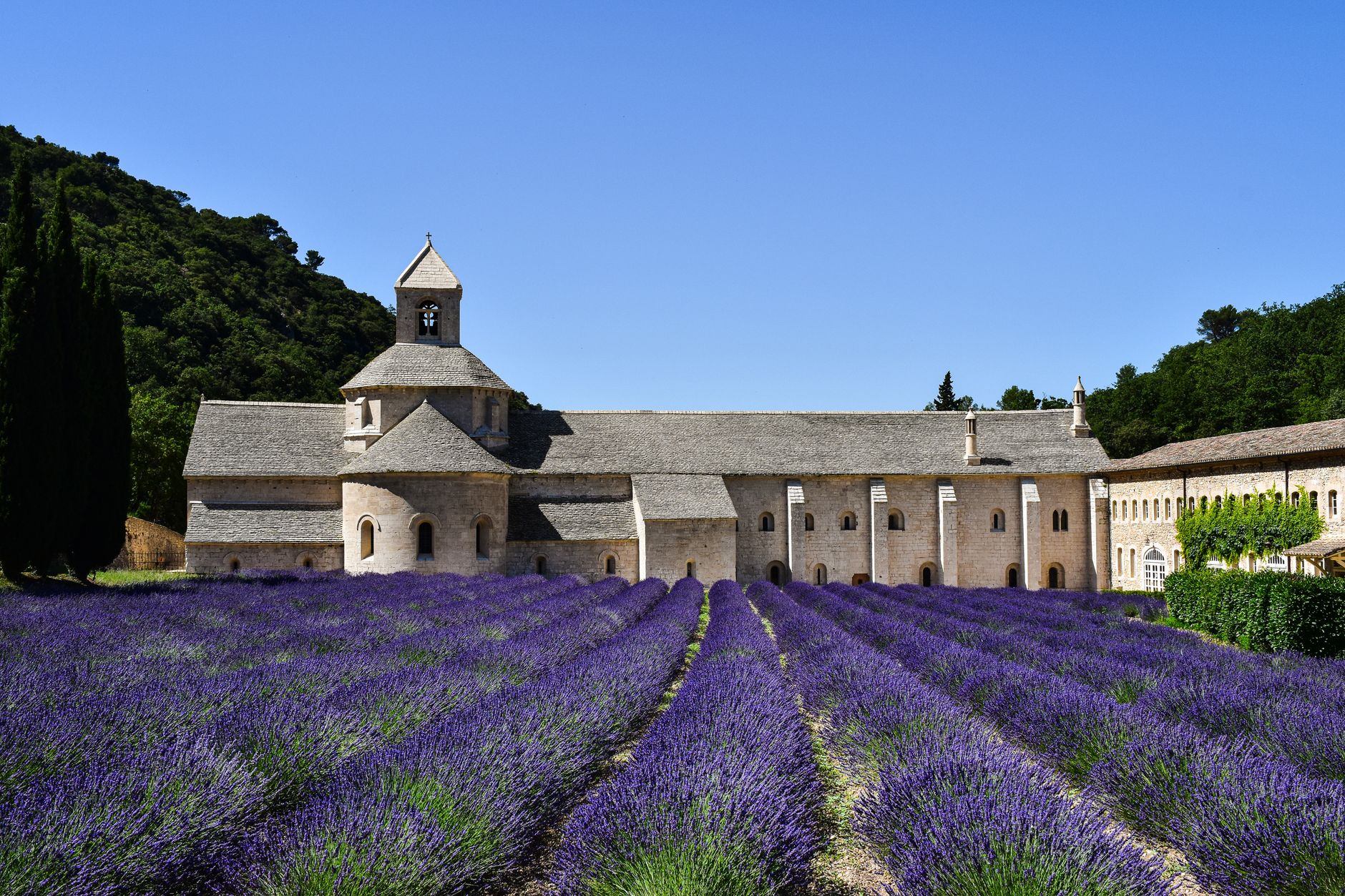
The château itself is long gone, but two medieval towers survive, and Sainte-Urse church holds Buffon's remains — removed during the Revolution, quietly returned in 1973. A few kilometres out, the Abbaye de Fontenay, founded in 1118 and now a UNESCO World Heritage Site, gives the visit another dimension entirely.
💛 What travellers fall for
People who come back tend to arrive by train and walk straight up through Parc Buffon before doing anything else — the Tour de l'Aubespin at the top gives you the whole valley. Then Fontenay in the afternoon, when the coach parties have thinned. The Musée Buffon is smaller than you'd expect and better than you'd hope.
Experiences you don't want to miss



Deals in Montbard
Book directly at the provider
How Montbard came to be
The hill above Montbard has been fortified since the tenth century, when a wooden stronghold went up to command the valleys running toward Paris and Dijon. André de Montbard, born in the castle in the eleventh century, went on to co-found the Knights Templar. The Dukes of Burgundy took possession in 1189 and rebuilt in stone; Louis XI claimed it in 1477. By the eighteenth century the fortress had fallen into disuse.
In 1733, Buffon persuaded Louis XV to let him manage the derelict site. He demolished most of what remained and remade it as a working retreat — study, laboratory, gardens — where he produced his monumental Histoire Naturelle. The town eventually bought the grounds in 1870 and opened them as a public park, which they remain.
Who and what shaped it
People who shaped it
Landmark buildings
See Montbard in motion
Plan your visit
On the map
When to go
Summers are mild rather than hot, with July averaging around 20°C — comfortable for walking the terraces and the abbey grounds. Winters are cold and occasionally snowy from November through March, with January dipping to single figures; the park is quieter then but still open.
Right now
Background & history adapted from Wikipedia (CC BY-SA) · specs from Wikidata (CC0) · weather from Open-Meteo · map data © OpenStreetMap contributors · photos from Wikimedia Commons / Unsplash with per-image credit. No third-party reviews or social posts reproduced.