
Mont-de-Marsan

Mont-de-Marsan sits at the fork where the Douze and Midou rivers meet, a fact that explains why it exists at all. A 12th-century viscount saw the same thing you see now — a natural confluence, easy to defend, easy to control — and built his castle here. The city that grew around it became the capital of the Landes, and it carries that administrative weight lightly.
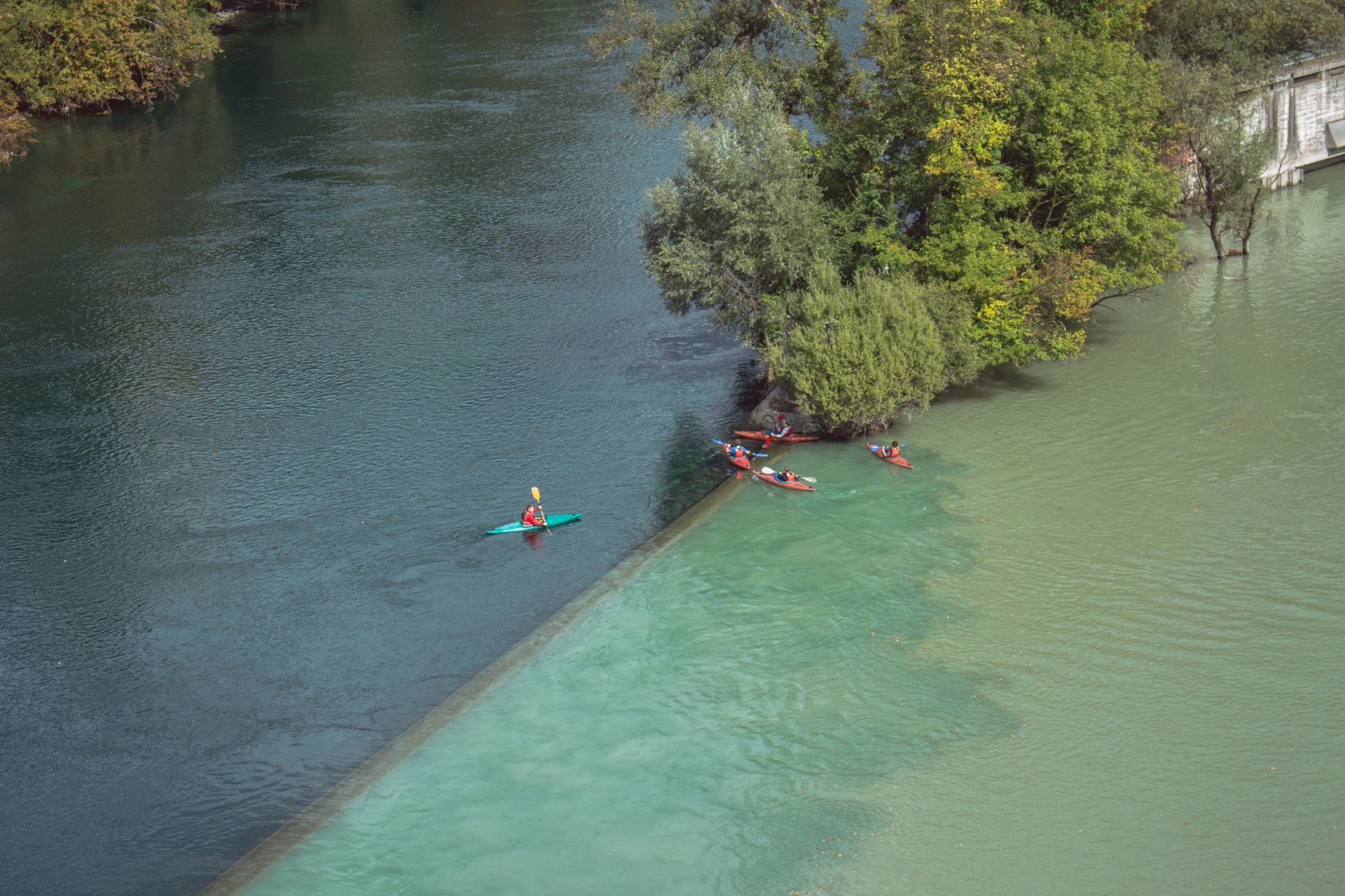
What draws people who aren't passing through is specific: two rivers threading a public garden of 453 trees, a medieval keep that houses France's only museum entirely devoted to figurative sculpture, and a pair of native sons whose stone and bronze work ended up on the Place du Trocadéro in Paris.
💛 What travellers fall for
People who come back tend to mention the Donjon Lacataye on a quiet weekday, when the sculpture museum is nearly empty and you can take your time with the Despiau and Wlérick rooms. The Parc Jean Rameau in the afternoon, river on two sides, is the other thing that keeps coming up — followed by the Tuesday market before the crowds thin.
Experiences you don't want to miss



Deals in Mont-de-Marsan
Book directly at the provider


How Mont-de-Marsan came to be
Pierre, Viscount de Marsan, founded the city in the mid-12th century as his capital — a castelnau, a fortified settlement built around a new castle at the river confluence. Within a generation, in 1154, the city passed to English rule when Henry II Plantagenet inherited Aquitaine. It remained under the English crown for more than three centuries before returning to France in 1479.
The French Revolution reshuffled the map in 1790 and made Mont-de-Marsan the prefecture of the newly drawn Landes department, a status it still holds. Napoleon stopped here in 1808 and signed a decree ordering the construction of the prefecture, a court and a prison — the administrative skeleton of a departmental capital.
Who and what shaped it
People who shaped it
Landmark buildings
See Mont-de-Marsan in motion
Plan your visit
On the map
When to go
Summers are warm and mostly sunny, with temperatures regularly reaching the low 30s Celsius; spring and early autumn are milder and the more comfortable seasons for walking the riverbanks. Winters are cool and damp rather than cold, with frost rare.
Right now
Background & history adapted from Wikipedia (CC BY-SA) · specs from Wikidata (CC0) · weather from Open-Meteo · map data © OpenStreetMap contributors · photos from Wikimedia Commons / Unsplash with per-image credit. No third-party reviews or social posts reproduced.