
Monolithos
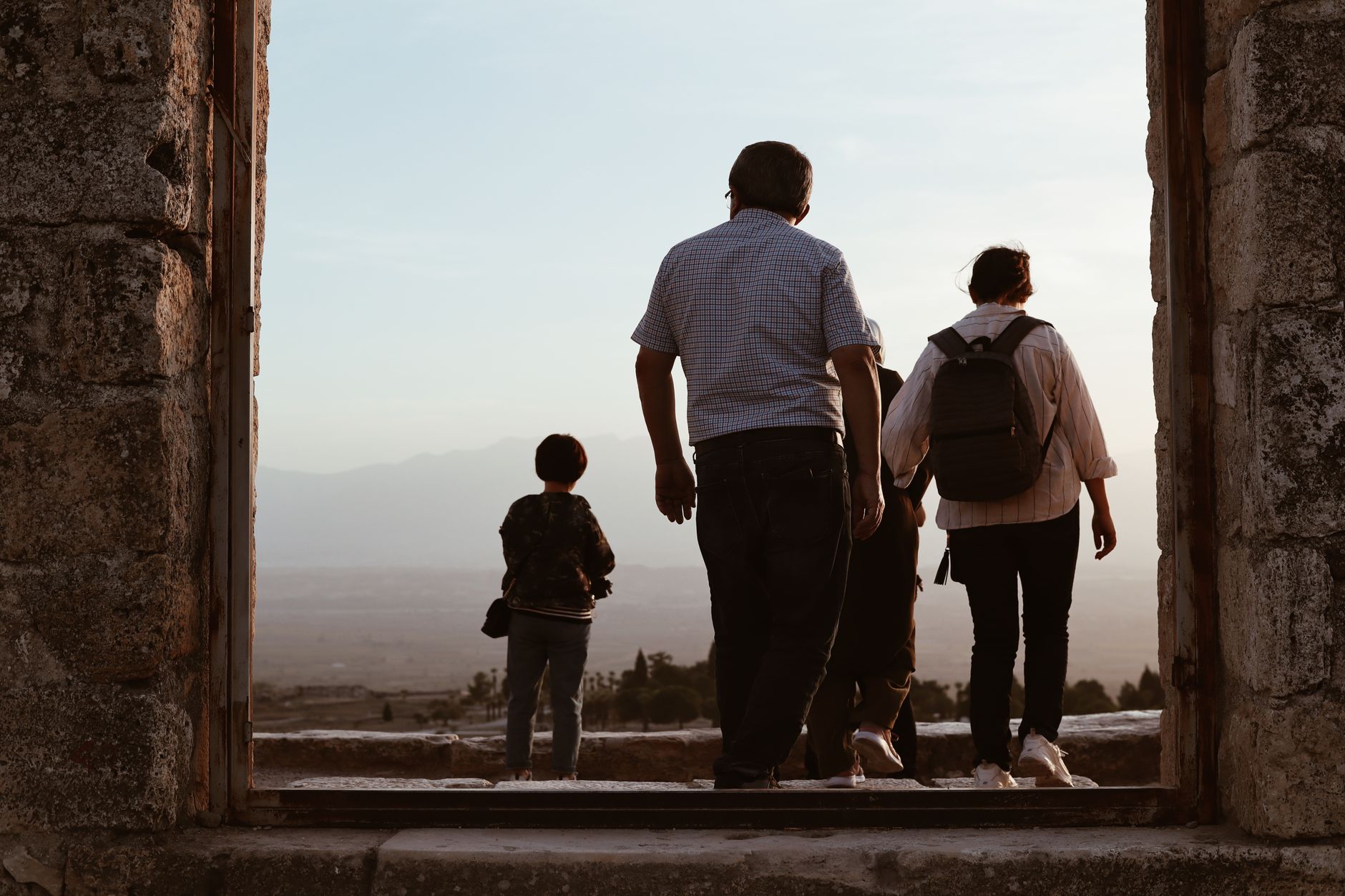
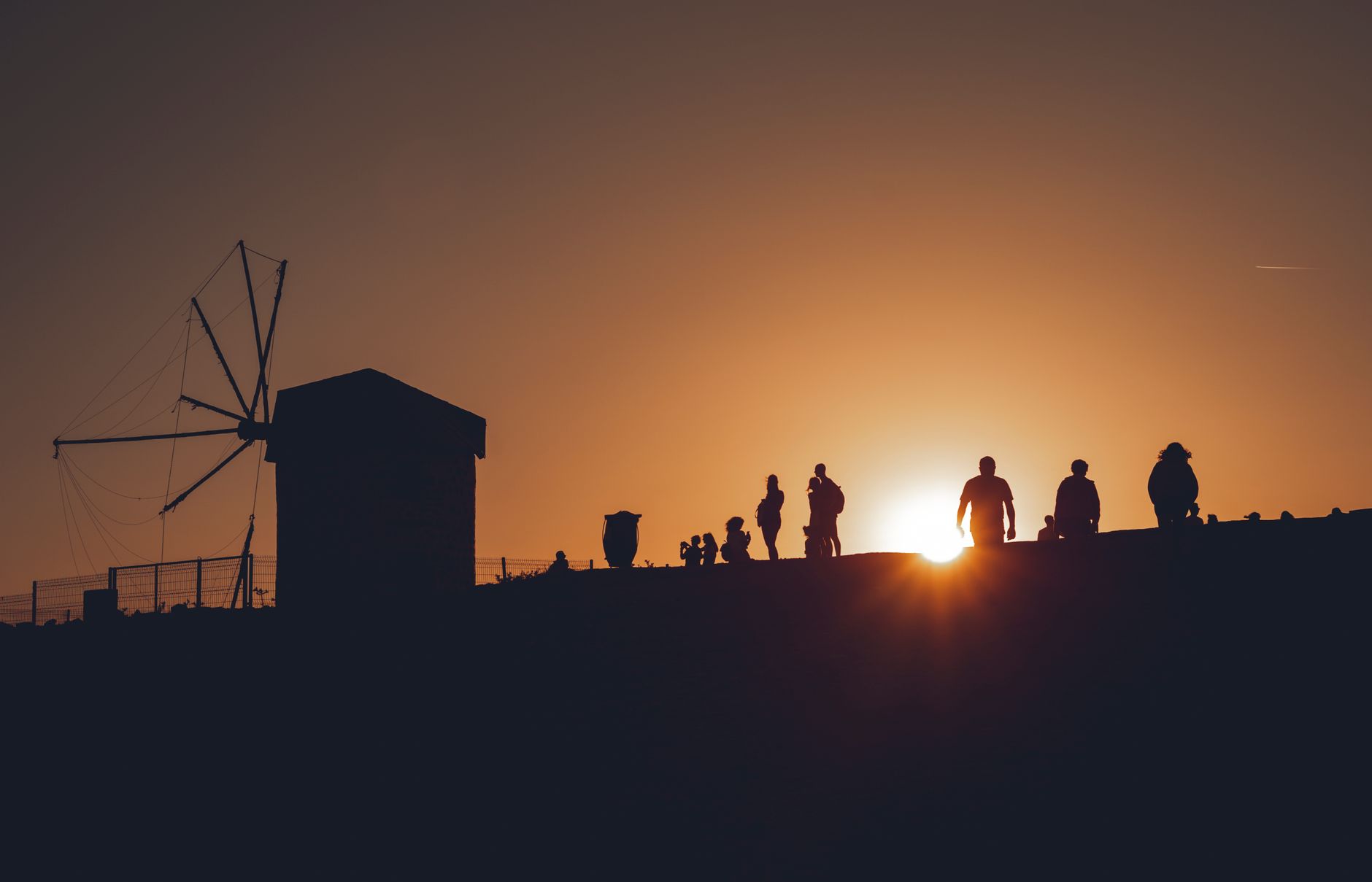
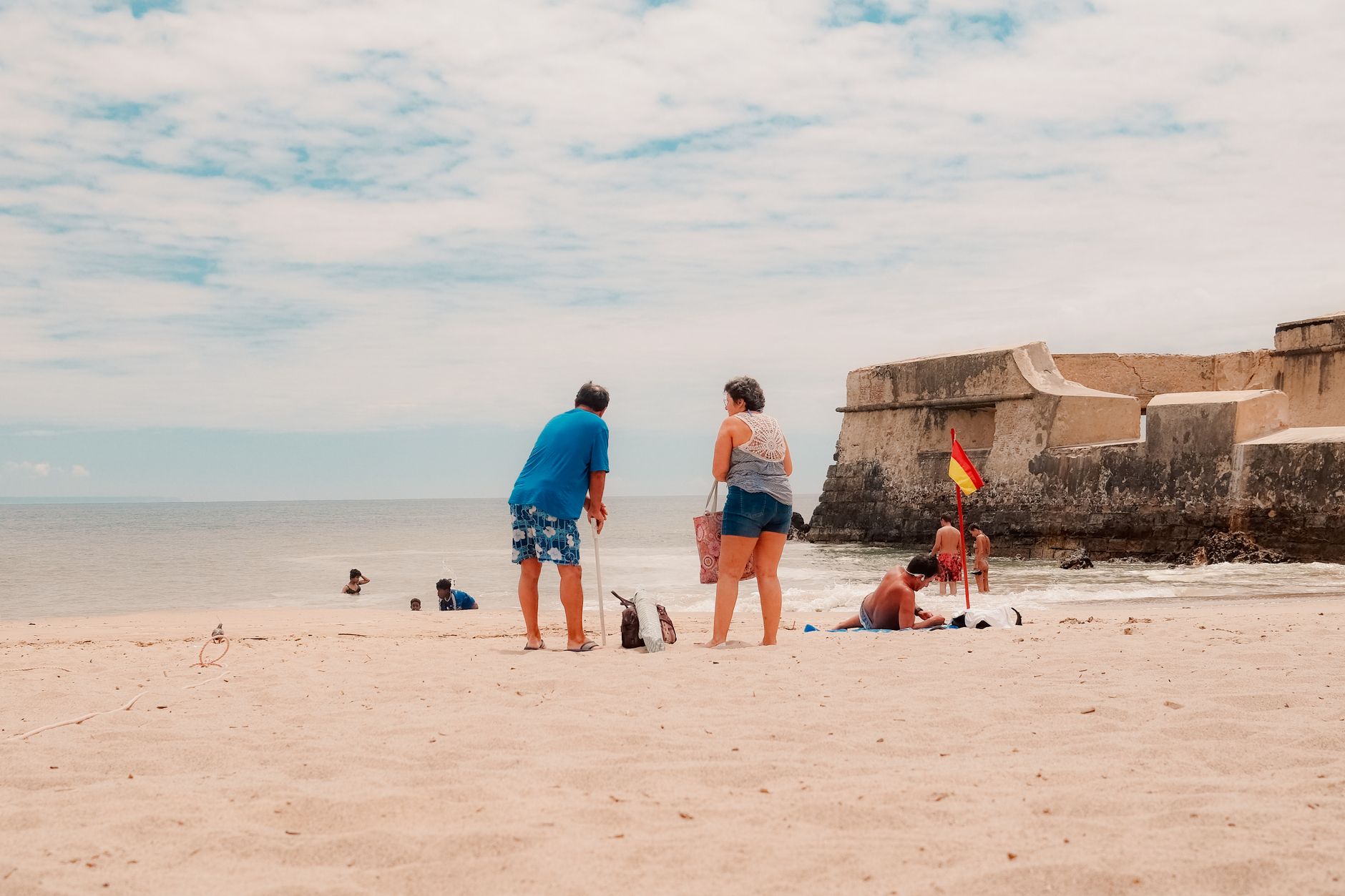
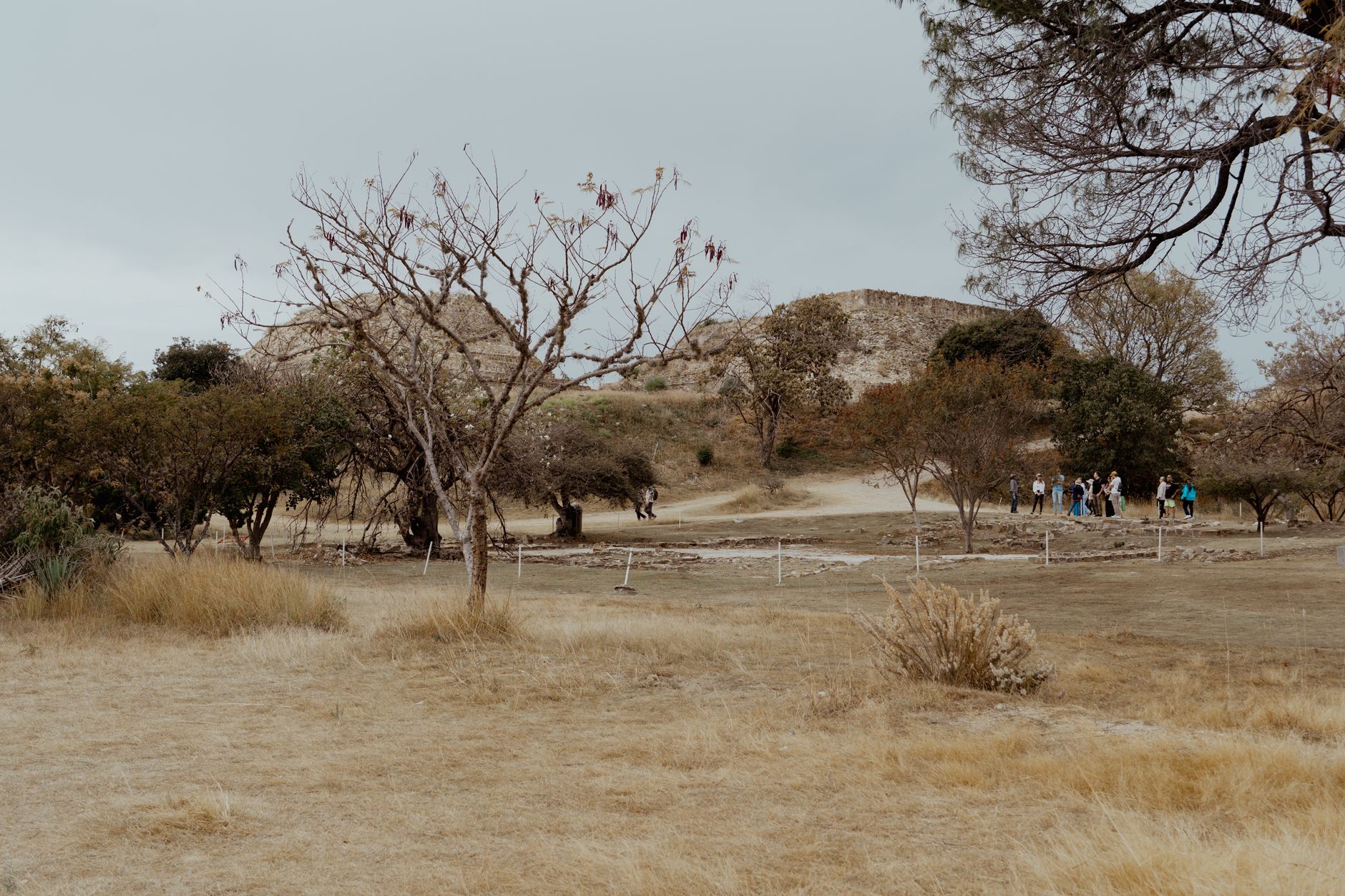
On Santorini's eastern flank, away from the caldera crowds, Monolithos sits low and practical against a flat shoreline. The village takes its name from a single large rock — the Monolitho — where the whitewashed Church of Agios Ioannis keeps its quiet watch. Below it, a long stretch of fine black volcanic sand meets the Aegean in water so shallow you can wade out twenty metres and still feel the bottom under your knees.
This is where Santorini families come on summer afternoons, and where planes from the airport two kilometres away bank low overhead every hour or so. A working power station hums nearby. None of this is incidental — it is exactly what makes Monolithos feel like the island's unglamorous, liveable side.
💛 What travellers fall for
People who come back tend to time the beach for early morning, before the sunbeds fill. The shallow water makes it genuinely useful if you have small children. A few note that the free car park at the beach entrance fills by 10am in July — arriving on the €1.20 bus from Fira sidesteps that entirely.
Deals in Monolithos
Book directly at the provider


How Monolithos came to be
The village's name predates written records, borrowed from the solitary rock above the shore that still carries the church of Agios Ioannis, whose feast falls on 24 July. A Venetian fortress — its exact construction date unconfirmed — once stood above Monolithos, a remnant of the 13th-century period when the Cyclades passed through Latin hands.
The 20th century gave the village a more industrial identity. In 1952 a tomato processing factory was built nearby — it remains the last operating facility of its kind on Santorini, now run by the SantoWines cooperative and still turning locally grown cherry tomatoes into paste and canned goods. The Thira Autonomous Power Station, also at Monolithos, supplies electricity to the whole island; when it caught fire on 13 August 2018, every light on Santorini and Therasia went out.
Who and what shaped it
Landmark buildings
See Monolithos in motion
Plan your visit
On the map
When to go
June through September is reliably dry and sunny, with July and August pushing 27–28°C and 12–13 hours of daylight. The Meltemi, a persistent northerly wind, blows hard from July onward — cooling the air but roughening the sea. The water reaches its warmest in August at around 24.5°C, though September, when winds ease and crowds thin, is often the better month to swim.
Right now
Background & history adapted from Wikipedia (CC BY-SA) · specs from Wikidata (CC0) · weather from Open-Meteo · map data © OpenStreetMap contributors · photos from Wikimedia Commons / Unsplash with per-image credit. No third-party reviews or social posts reproduced.