
Moena
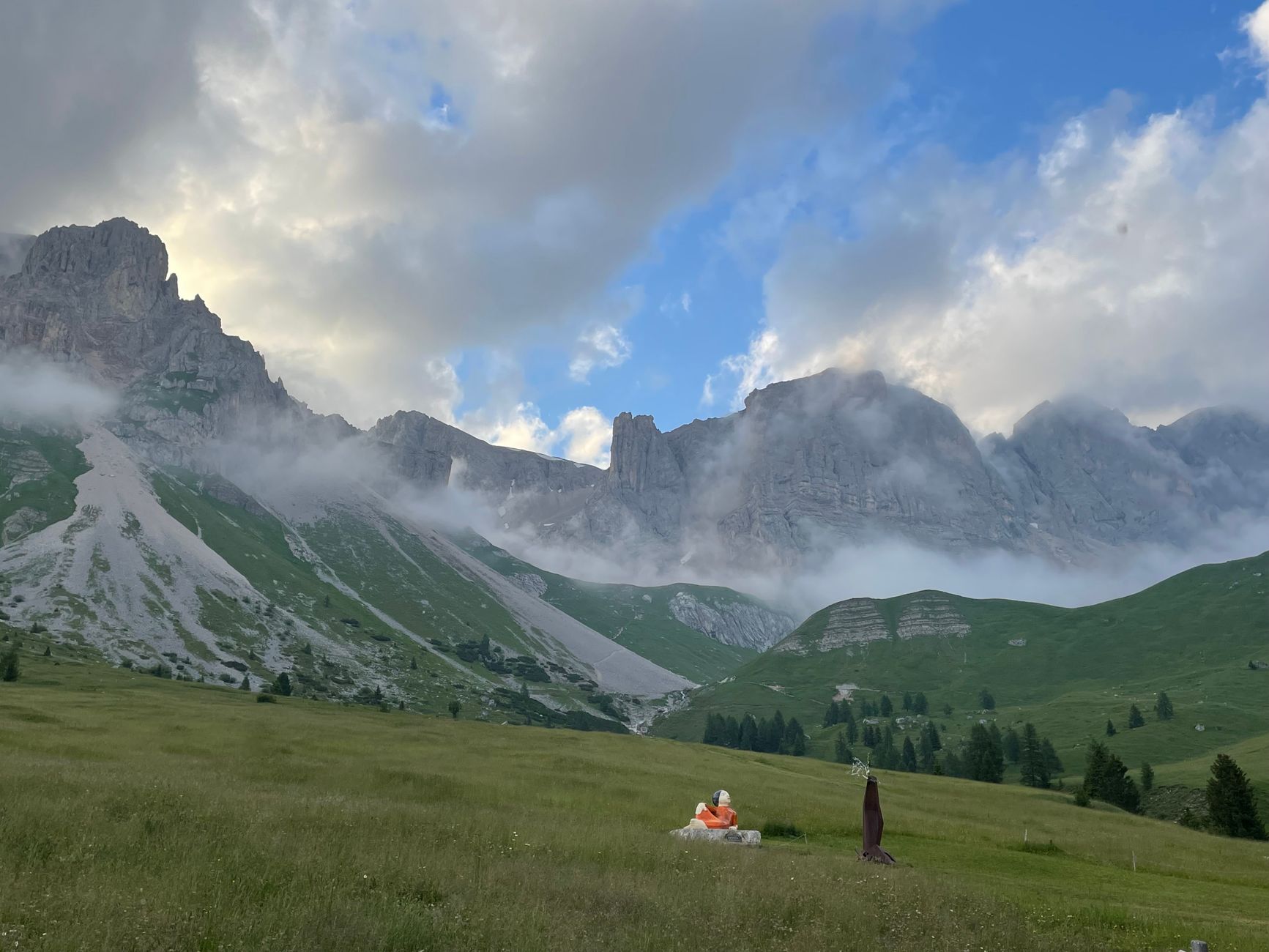
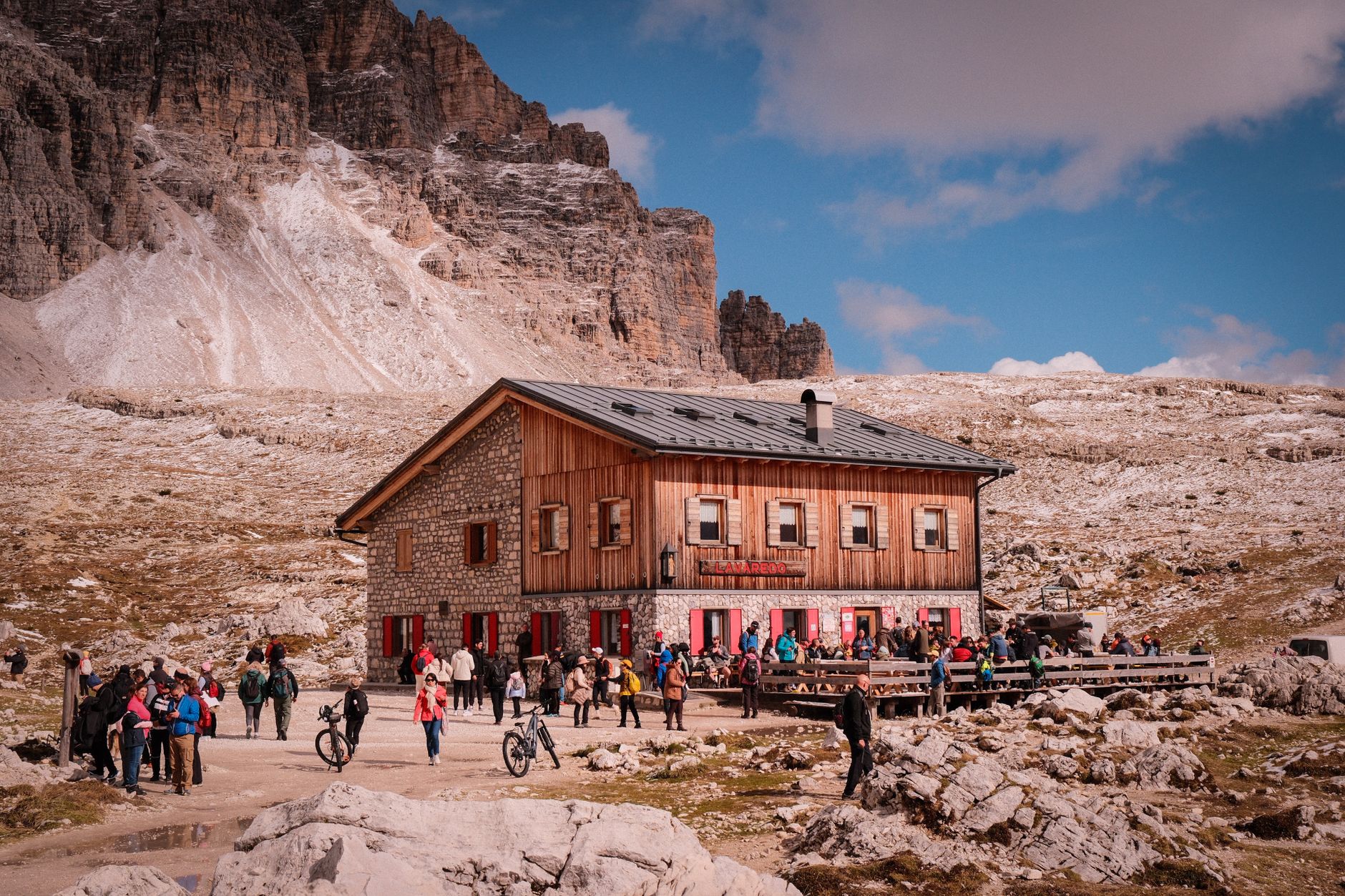
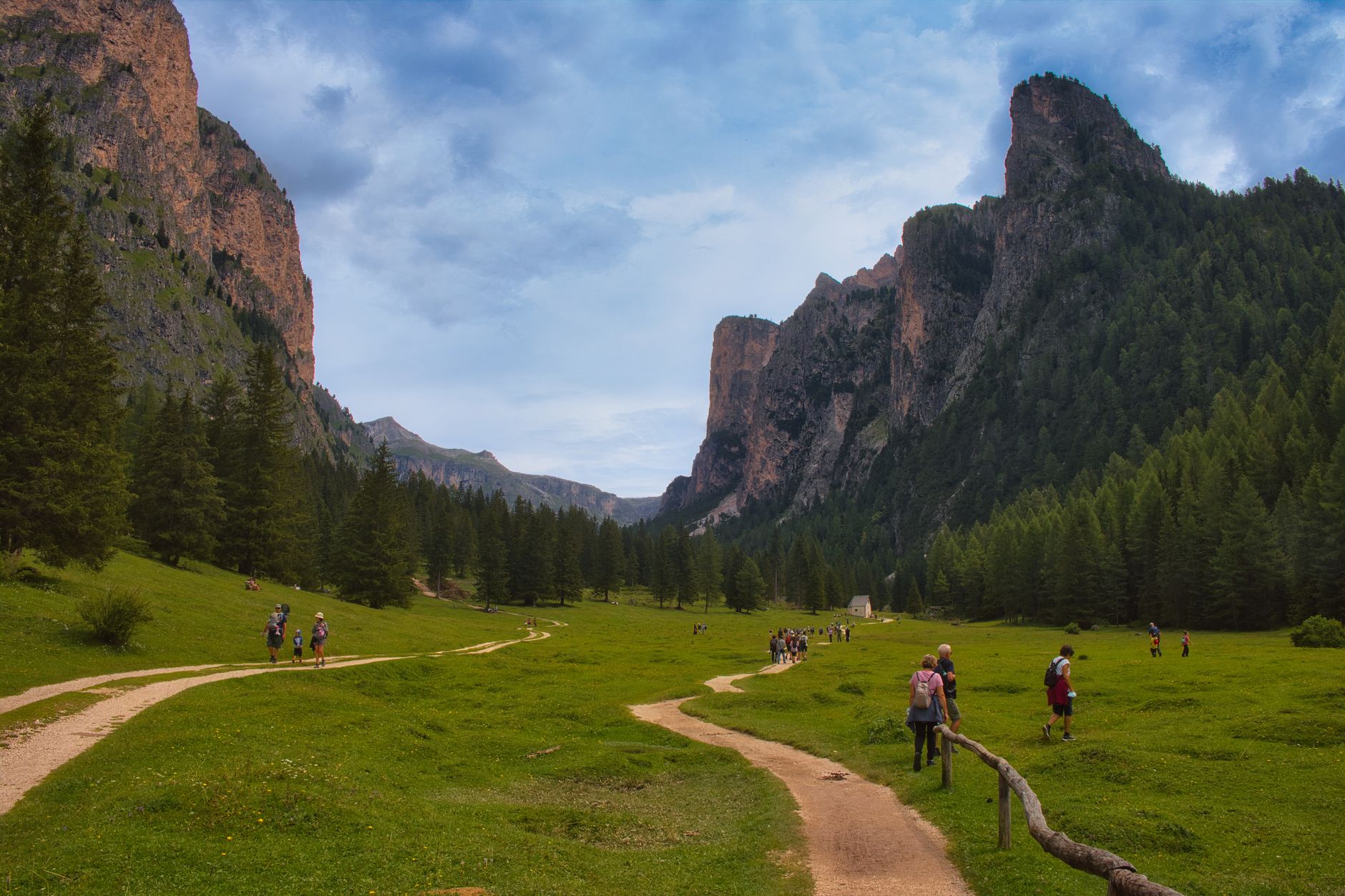
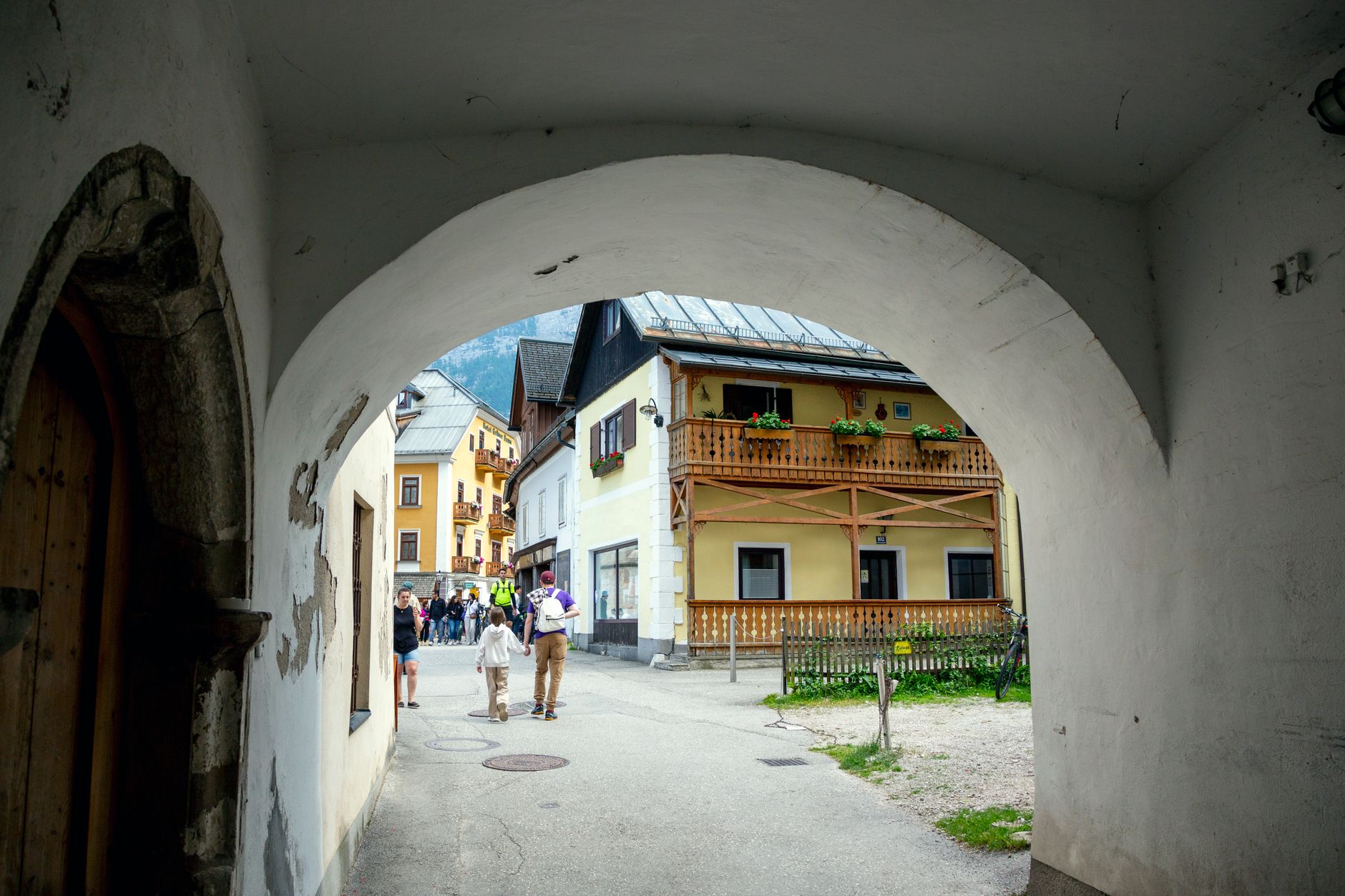
At sunrise and sunset, the limestone peaks above Moena turn a deep, bruised pink — a phenomenon locals call enrosadira, and the reason the village earned its old nickname, the Fairy of the Dolomites. Sit in Piazza Italia at the right hour and the light does something that photographs struggle to hold.
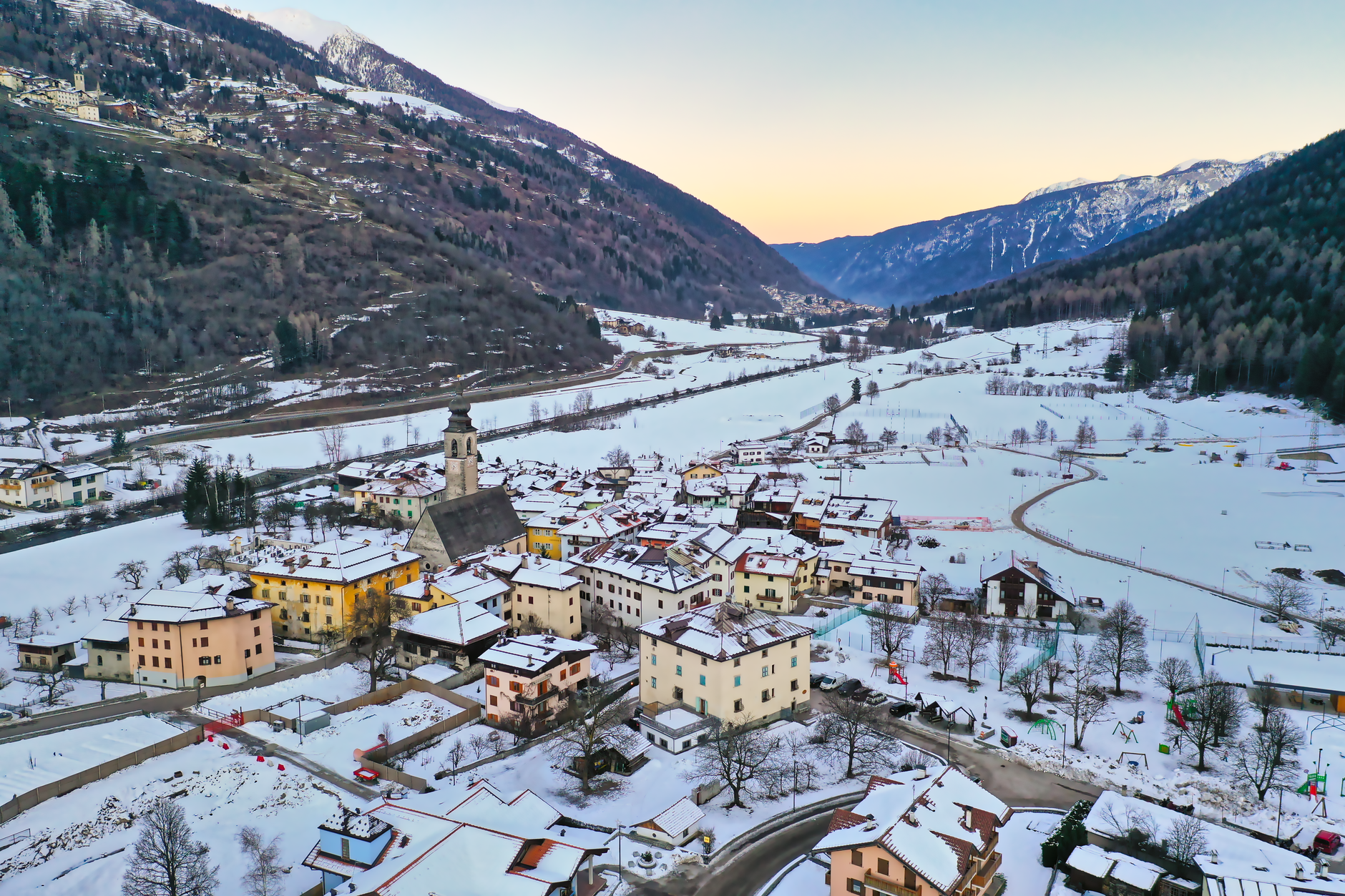
Moena sits at 1,200 metres in the Val di Fassa, a small town of around 2,500 people with two old churches, a statue of an Ottoman soldier in the village centre, and a cheese so pungent its name translates roughly as 'the stinky one.' It earns that name honestly.
💛 What travellers fall for
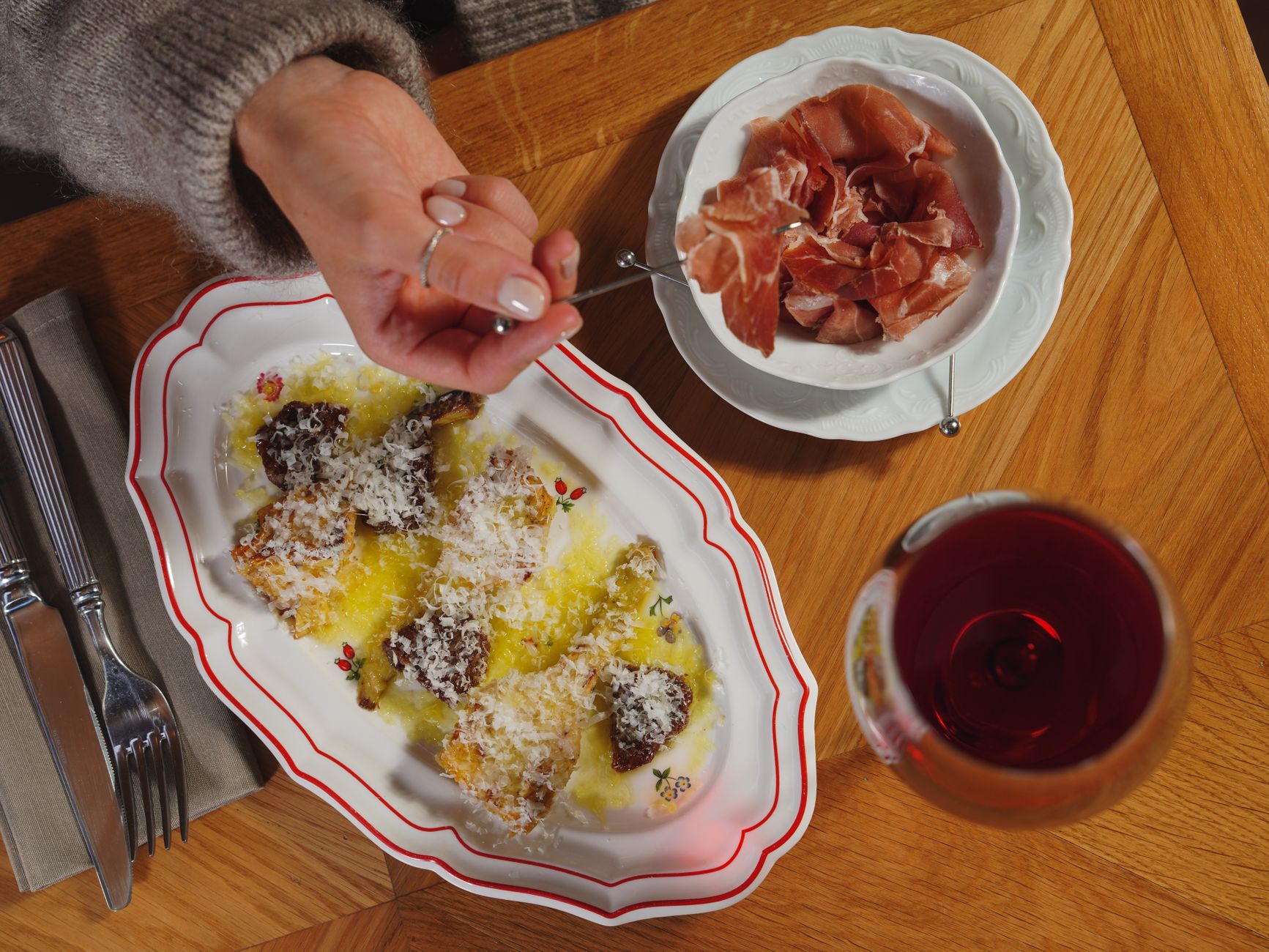
People who come back tend to mention the same few things: buying Puzzone di Moena at a local shop before the August festival crowds arrive, catching the tourist train out to the hamlet of Someda when the centre is closed to cars, and staying long enough to see the enrosadira twice — once is never quite enough.
Experiences you don't want to miss




Deals in Moena
Book directly at the provider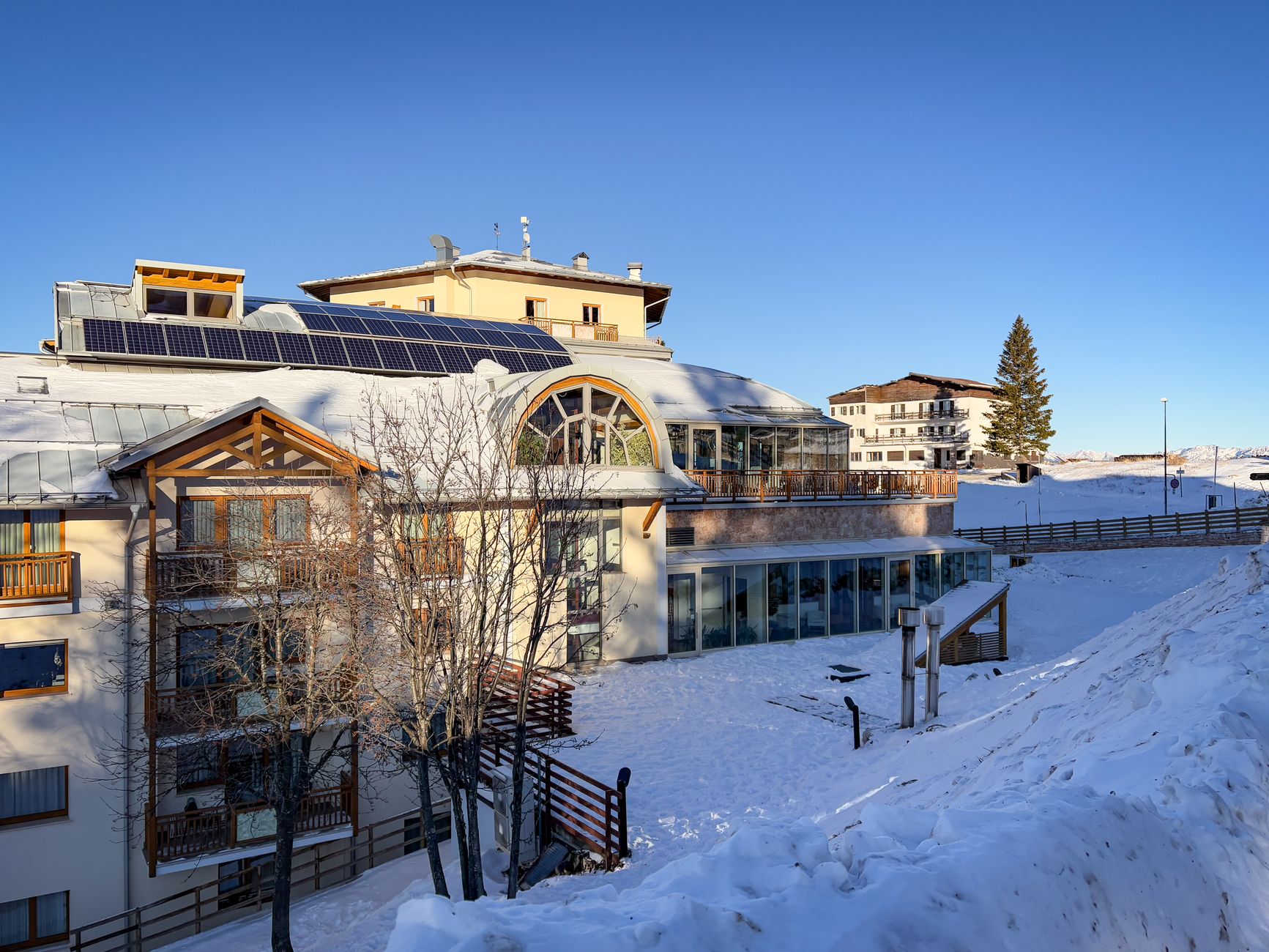

How Moena came to be
The name Moena traces back to an ancient lake that the community drained over generations, leaving behind what the old Ladin tongue called 'fertile land rich in water.' Before the Romans arrived, the valley was Rhaetian territory. After the conquest, centuries passed before the Counts of Tyrol ceded the region to the Habsburg dynasty in 1363, folding Moena into a long era of Austrian rule that lasted until after the First World War.
The town's most unlikely chapter dates to 1683. An Ottoman janissary, wounded at the Siege of Vienna, found his way to Moena, settled, married a local woman and started a family. His descendants still live here, and every year on 19–21 August the village holds La Turchia, a festival now more than three centuries old. A statue in the village centre marks where that story began.
Who and what shaped it
People who shaped it
Landmark buildings
See Moena in motion
Plan your visit
On the map
When to go
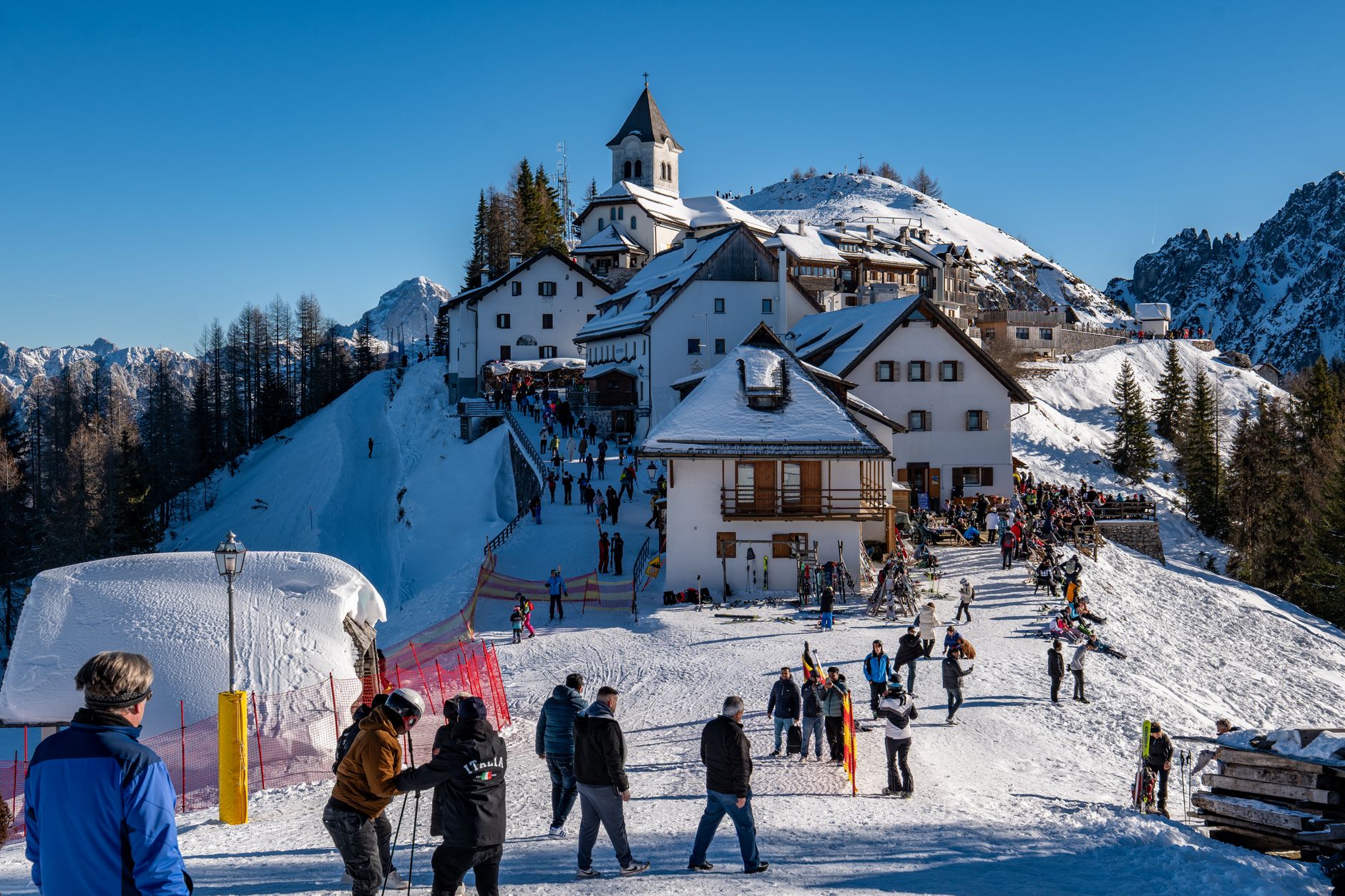
Summers are mild and short — July sits around 21°C at its warmest, though June is reliably wet. Winter is serious: January averages well below freezing, annual snowfall tops two metres, and snow can linger into late spring.
Right now
Background & history adapted from Wikipedia (CC BY-SA) · specs from Wikidata (CC0) · weather from Open-Meteo · map data © OpenStreetMap contributors · photos from Wikimedia Commons / Unsplash with per-image credit. No third-party reviews or social posts reproduced.