
Miranda de Ebro
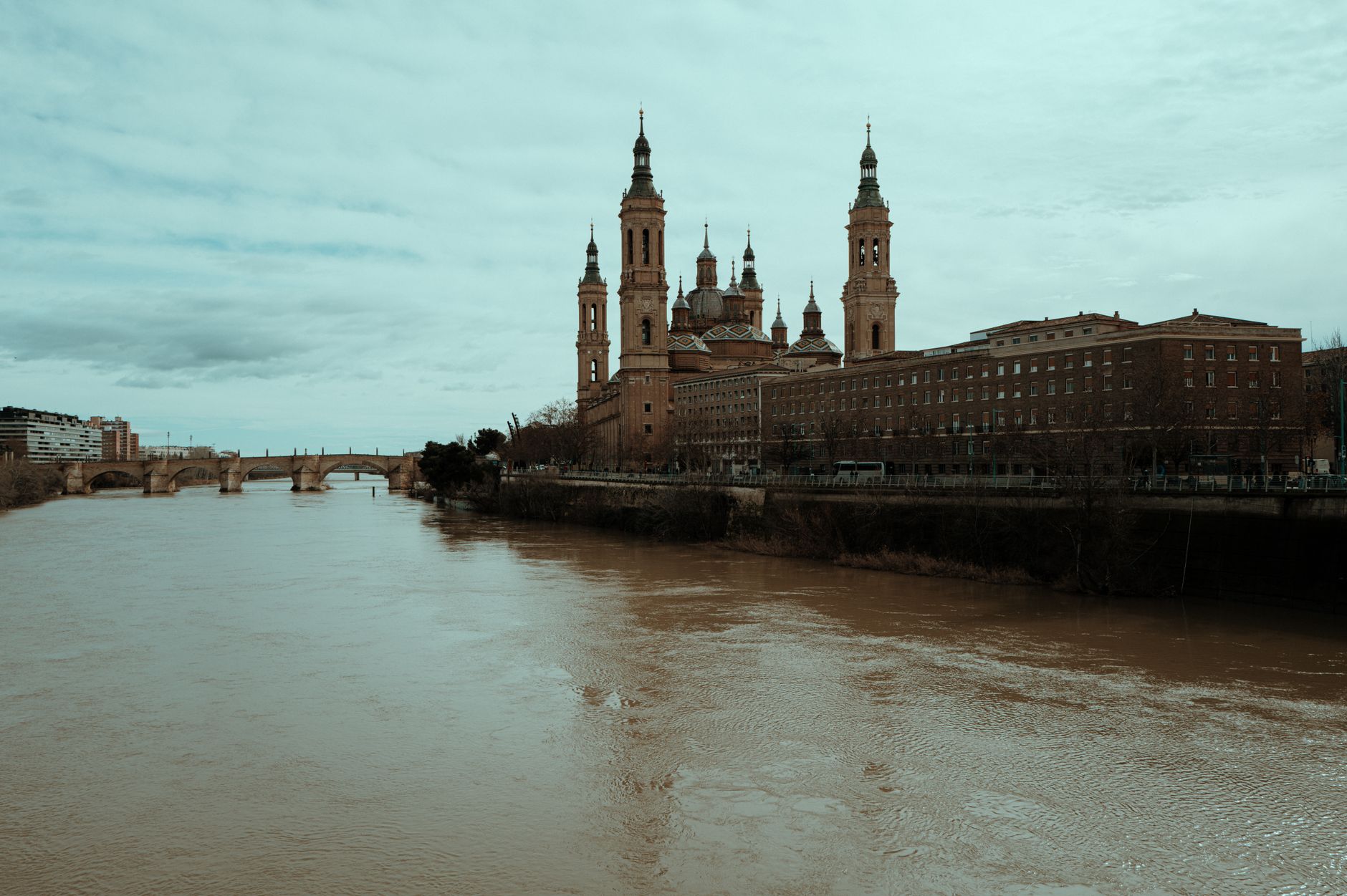
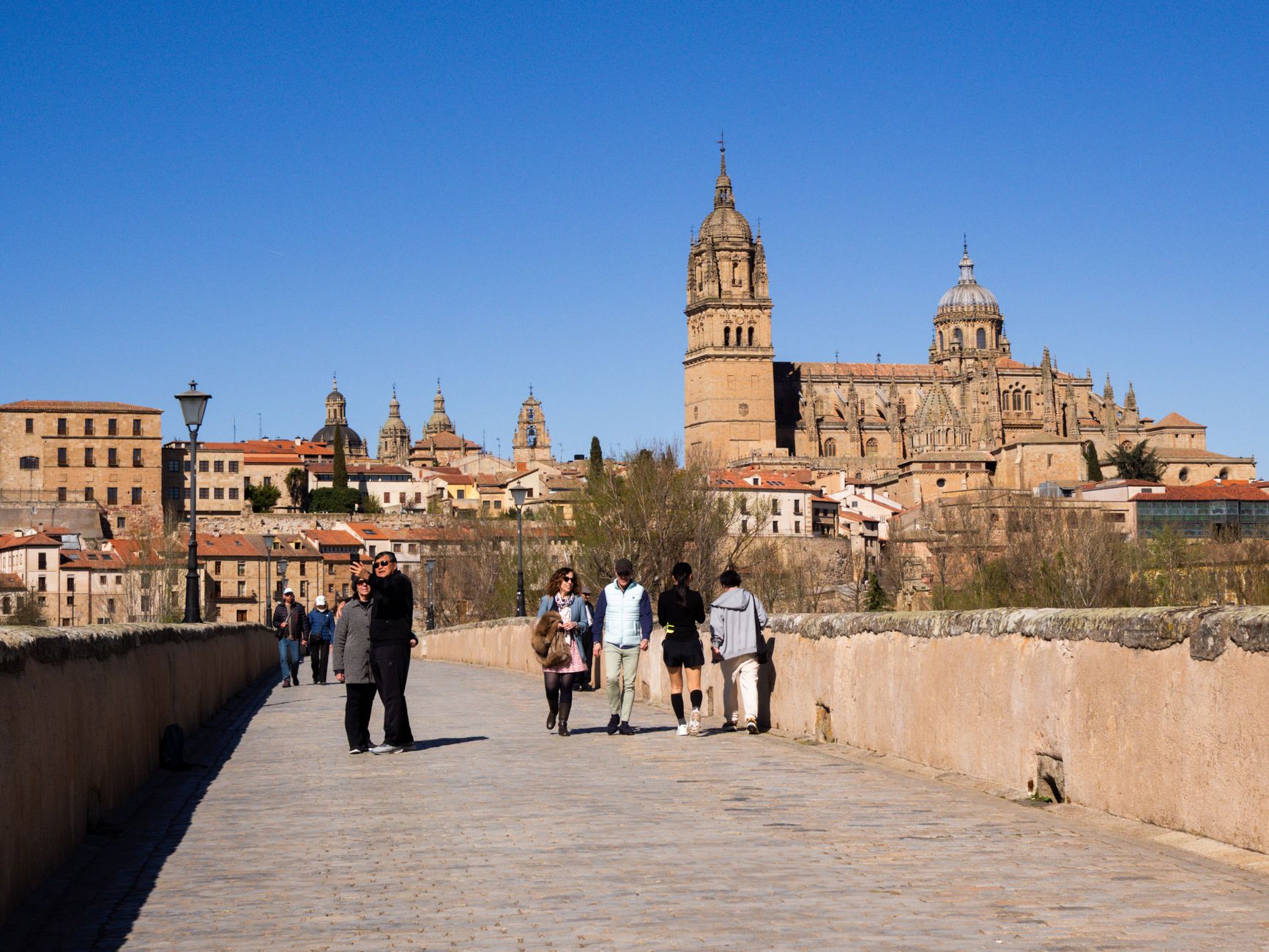
Miranda de Ebro earns its place on the map through iron and water. The Ebro cuts straight through the city, and the railway station — opened on 13 April 1862, its Victorian iron porticos cast at Frederick Braby's foundries in London — still handles the junction where the Madrid–Irun and Castejón–Bilbao lines cross. That convergence shaped everything here.
Up on the hill of La Picota, the Castle of Miranda de Ebro watches over a city that has been a crossing point since the Iron Age. Two sixteenth-century mansions on the old streets once hosted kings, a Napoleonic brother, and a viceroy's widow who never left. The layers are quiet but deep.
💛 What travellers fall for
People who pass through on the train and actually get off tend to mention the same sequence: walk the Carlos III Bridge at dusk, then find the apse of the Iglesia del Espíritu Santo, which has been standing in some form since the eleventh century. The castle on the hill is worth the climb — the views over the river reward the effort.
Experiences you don't want to miss


Deals in Miranda de Ebro
Book directly at the provider
How Miranda de Ebro came to be
The name Miranda appears as early as 757 in the Codex Vigilanus, in connection with Alfonso I of Asturias. The town passed to the Kingdom of Castile in 1076, and in 1099 Alfonso VI granted it a fuero — a founding charter of rights and laws. Two medieval fairs followed: Alfonso X authorised a May fair in 1254, Alfonso XI a March fair in 1332, cementing Miranda as a commercial node on the northern plateau.
The castle's origins trace to 1358, when Tello of Castile sought land on the hill of La Picota, though construction didn't begin until 1449 and dragged on until 1485, directed by the stonecutter Juan Guas. The railway arrived in 1862, and with it an industrial era that remade the city's economy entirely. Between 1937 and 1947, Miranda also held a concentration camp — the last in Spain to close — a fact the city does not erase.
Who and what shaped it
People who shaped it
Landmark buildings
See Miranda de Ebro in motion
Plan your visit
On the map
When to go
Summers are warm and dry, winters cold enough for frost, with the plateau wind making January and February feel sharper than the temperature suggests. April through June and September through October offer the most reliable conditions for walking the riverbanks and the old streets.
Right now
Background & history adapted from Wikipedia (CC BY-SA) · specs from Wikidata (CC0) · weather from Open-Meteo · map data © OpenStreetMap contributors · photos from Wikimedia Commons / Unsplash with per-image credit. No third-party reviews or social posts reproduced.