
Minori
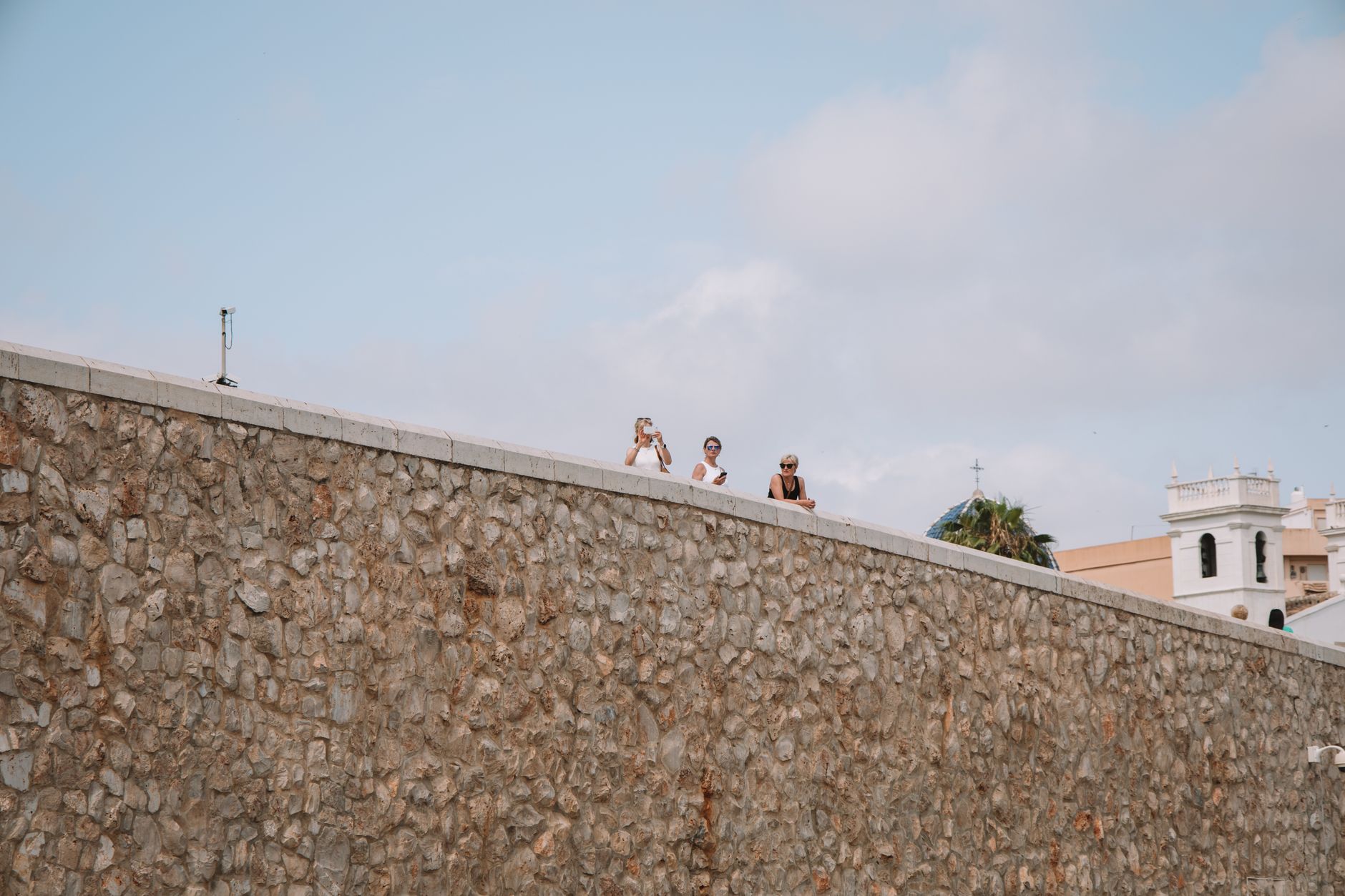
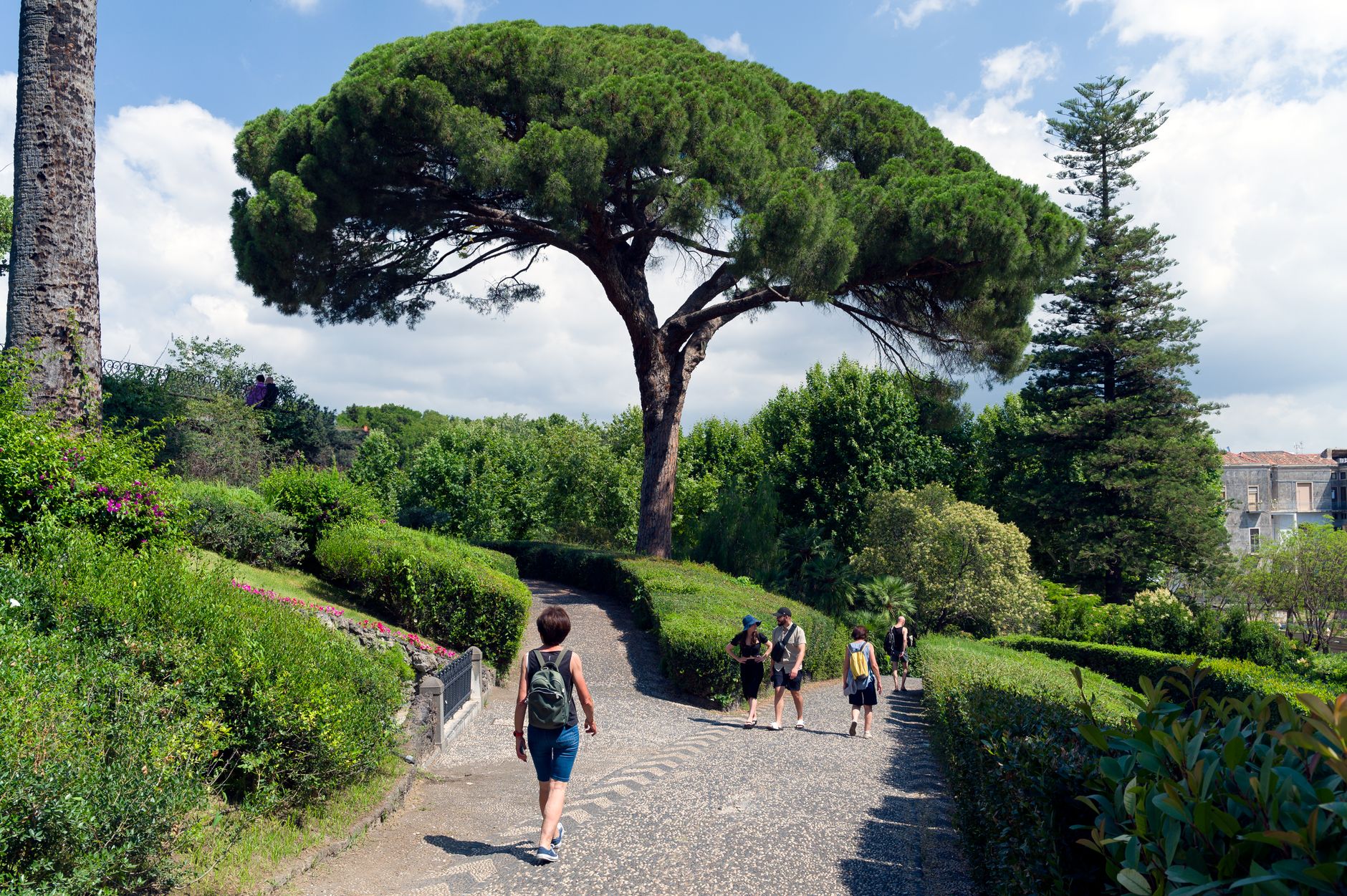
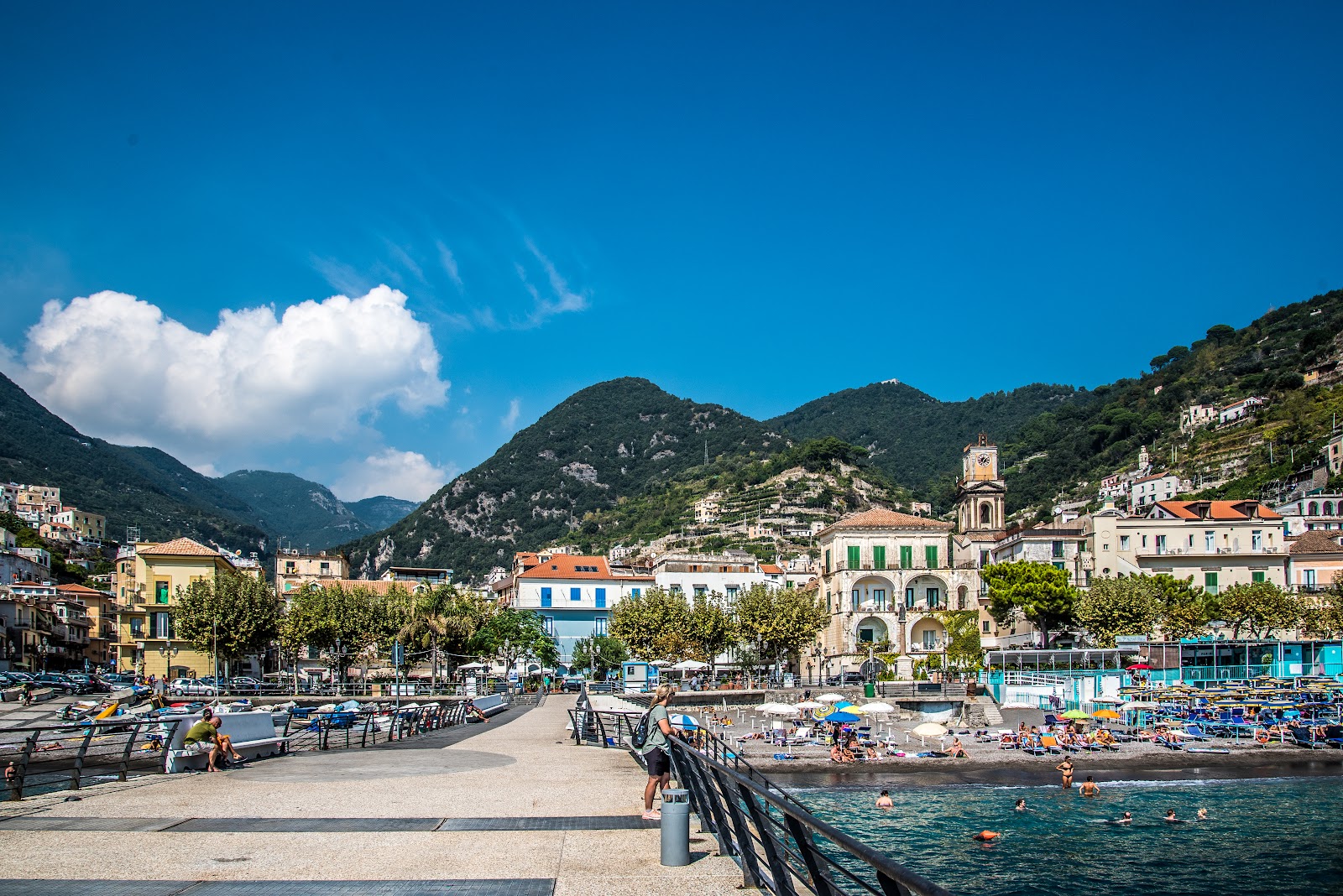
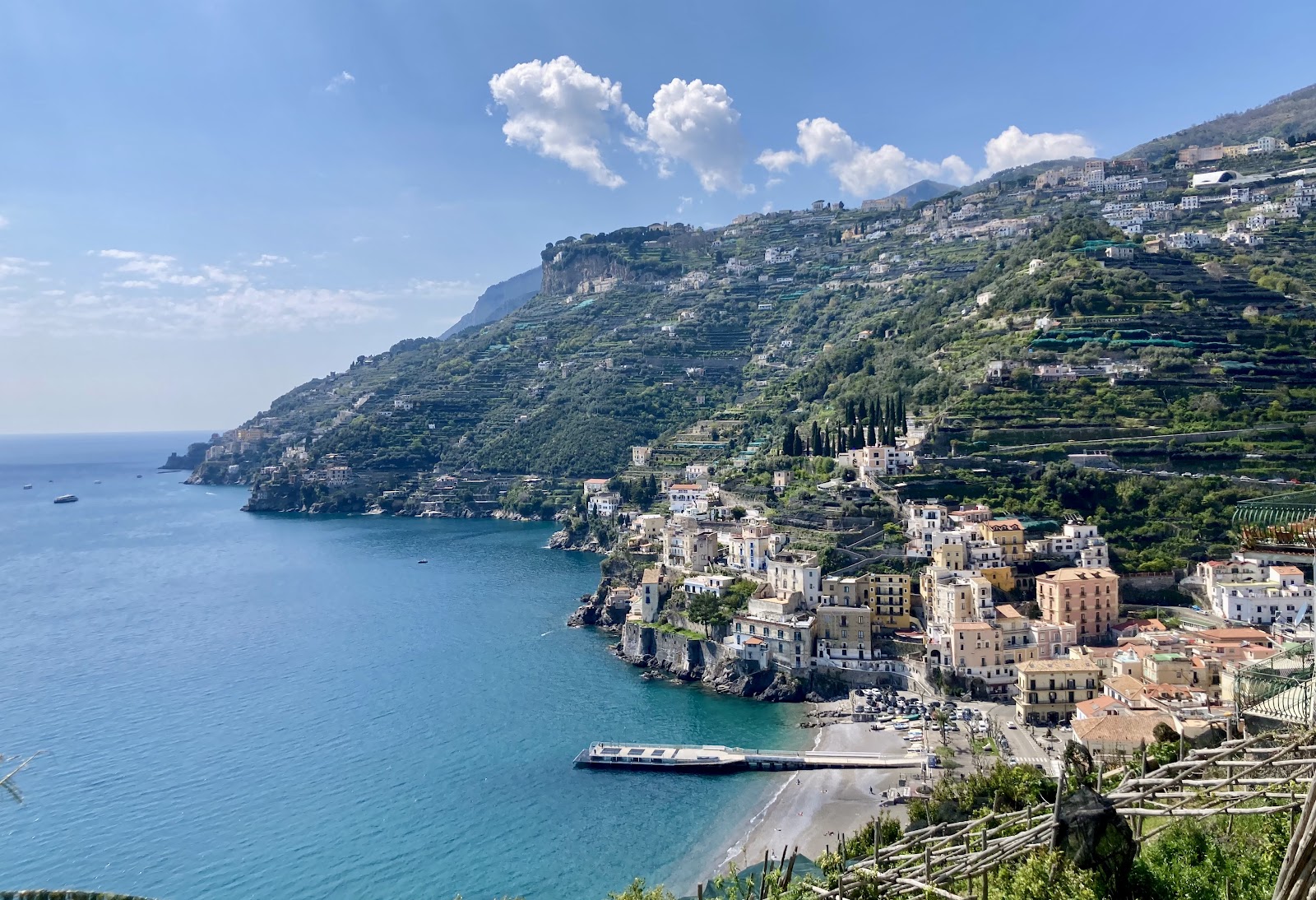
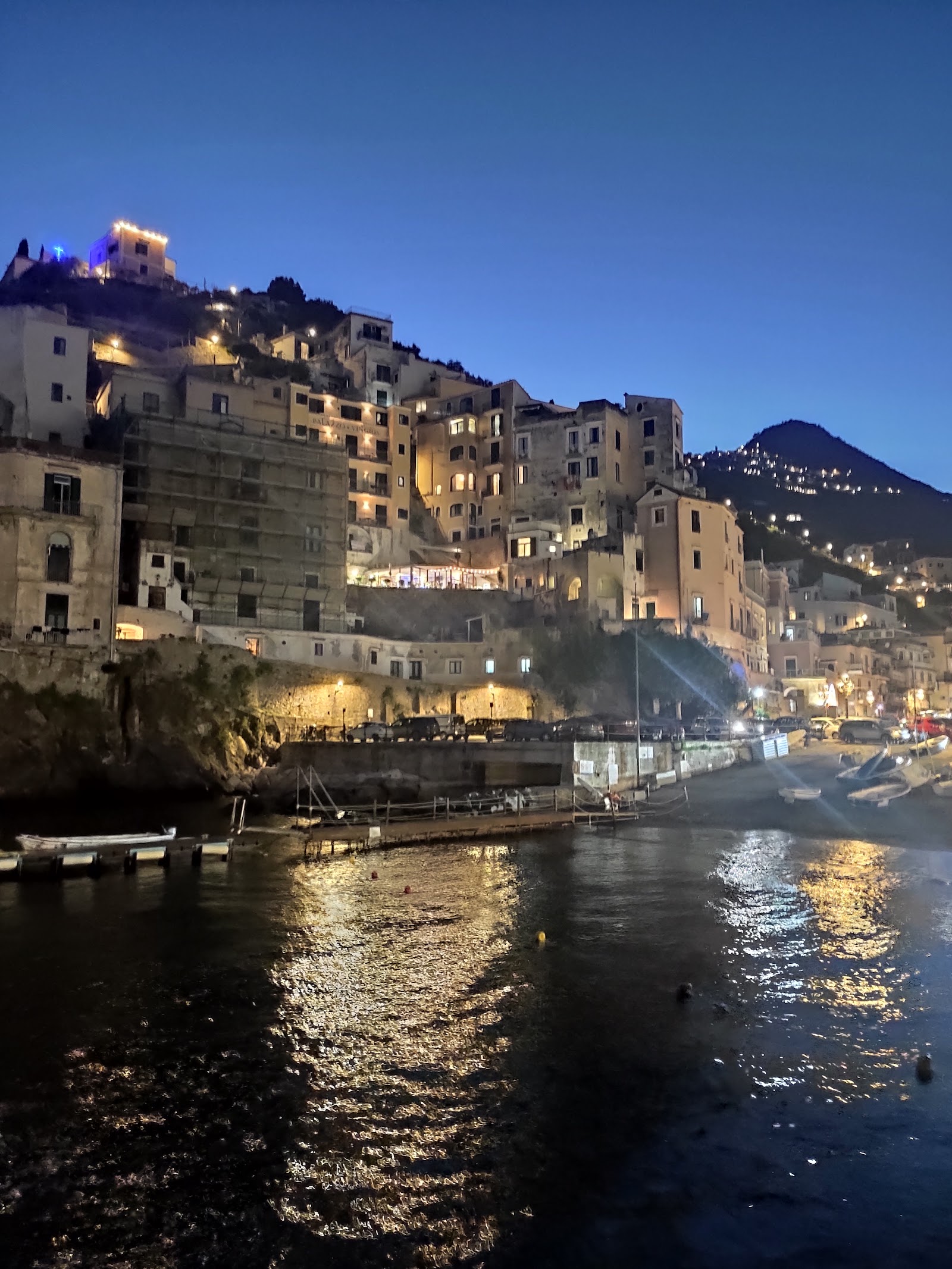
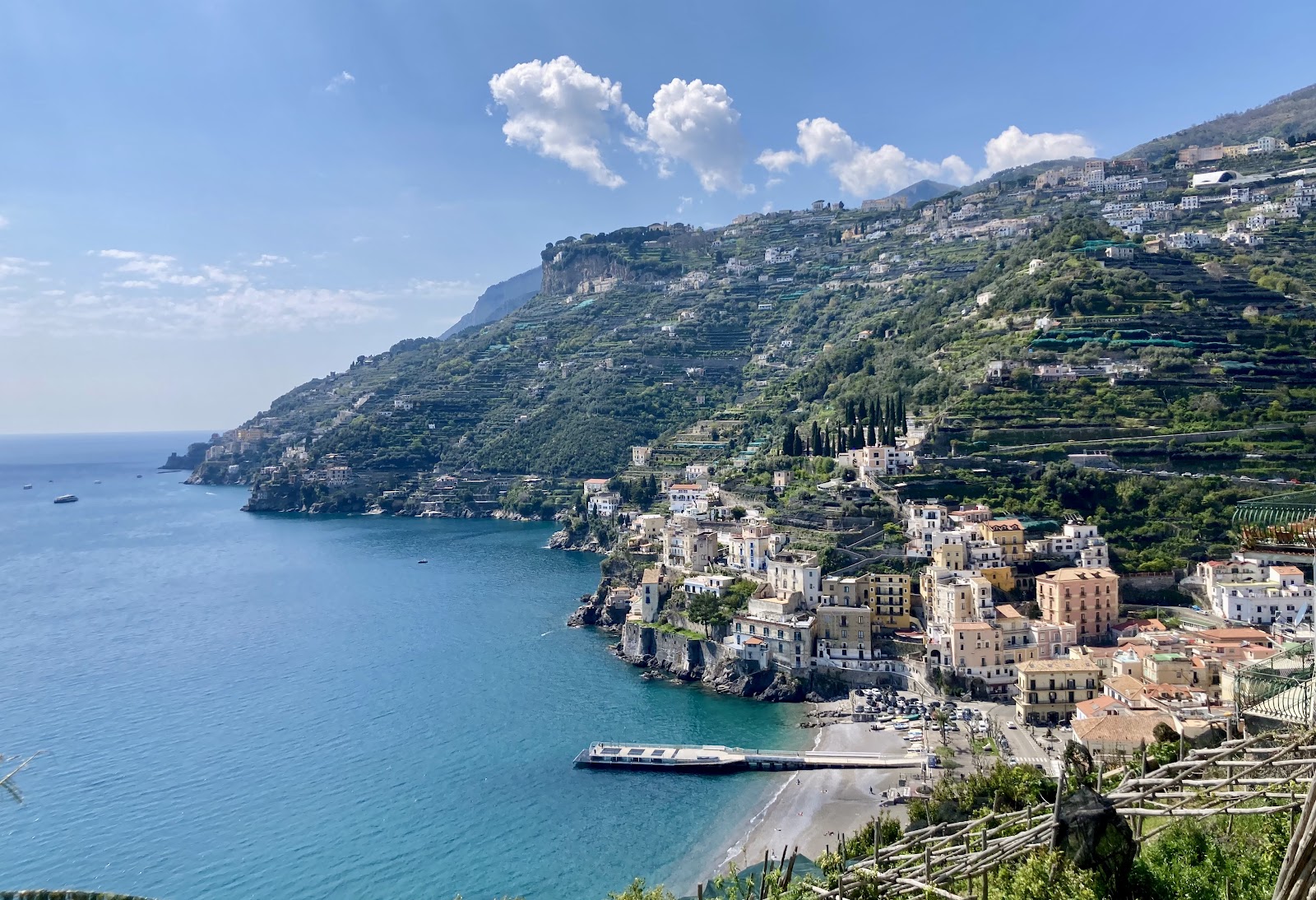
Minori sits at the foot of a steep valley where the Amalfi Coast briefly flattens out, giving the town one of the few proper beaches on this otherwise cliff-bound shoreline. That strip of dark sand is where, in the 7th century, an urn carrying the relics of Saint Trofimena reportedly washed ashore — and the town, in effect, rebuilt itself around the find.
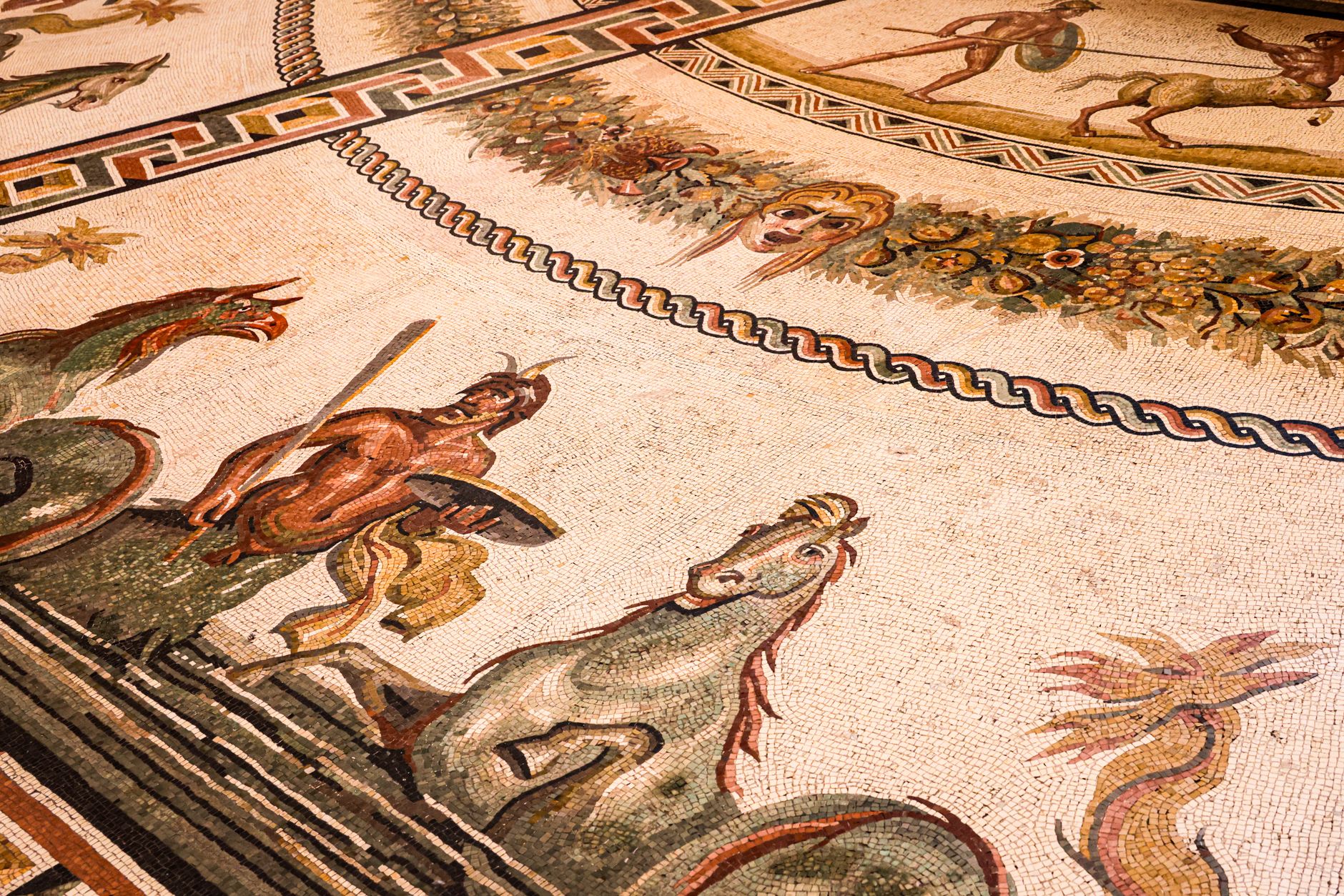
Below street level, a 1st-century Roman maritime villa stretches across two floors, its frescoed walls and mosaic pavements still intact enough to read. Above the rooftops, the Campanile Annunziata — a lone bell tower in Byzantine-Arab style from the 11th or early 12th century — keeps watch over a coast that has seen Roman senators, medieval shipwrights, and Barbarossa's fleet.
💛 What travellers fall for
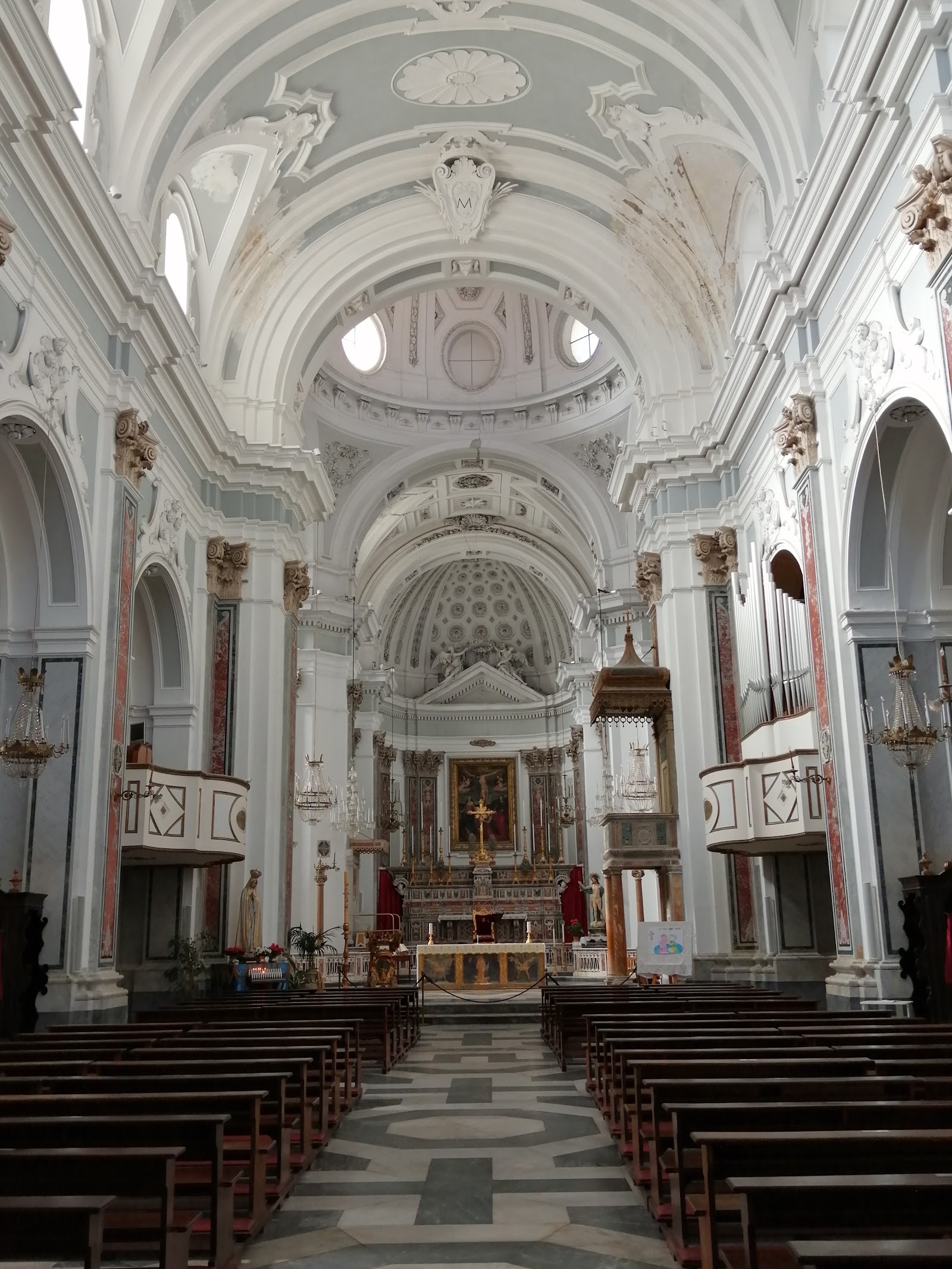
People who come back tend to time the Basilica di Santa Trofimena for the late-afternoon opening, when the light hits the polychrome marble and the altarpiece attributed to Marco del Pino reads properly. The beach fills fast in August — early morning or after six is when it's actually yours.
Experiences you don't want to miss




Deals in Minori
Book directly at the provider

How Minori came to be
Minori is the oldest continuously inhabited site on the Amalfi Coast. A Roman maritime villa built here in the 1st century AD — likely owned by someone of senatorial or equestrian rank — was eventually buried by volcanic debris from Vesuvius and the settlement vanished from the record around the 4th century. When the town re-emerges in early medieval sources, it has shifted to the shoreline, drawn there by the legend of Saint Trofimena's relics. In 987 it became a suffragan diocese of Amalfi.
Through the Middle Ages, Minori ran a shipyard producing galleys until 1039. The Spanish period brought watchtowers — Torre Paradiso was completed in 1595 — but also a raid by Hayreddin Barbarossa, a catastrophic storm in 1597, the Vesuvius eruption of 1631, and a plague in 1656 that killed 355 of roughly 1,100 residents. The Amalfi Drive, finished in 1852, ended the coast's isolation, though it also accelerated the decline of Minori's paper mills and pasta workshops after Italian unification.
Who and what shaped it
People who shaped it
Landmark buildings
See Minori in motion
Plan your visit
On the map
When to go
Winters are mild and quiet, rarely cold, with the odd rough sea day. Summers are warm and dry — July and August bring heat and crowds to the beach in equal measure. Spring and early October offer the clearest light and the most room to move.
Right now
↡ Attractions

Background & history adapted from Wikipedia (CC BY-SA) · specs from Wikidata (CC0) · weather from Open-Meteo · map data © OpenStreetMap contributors · photos from Wikimedia Commons / Unsplash with per-image credit. No third-party reviews or social posts reproduced.