
Mikocheni
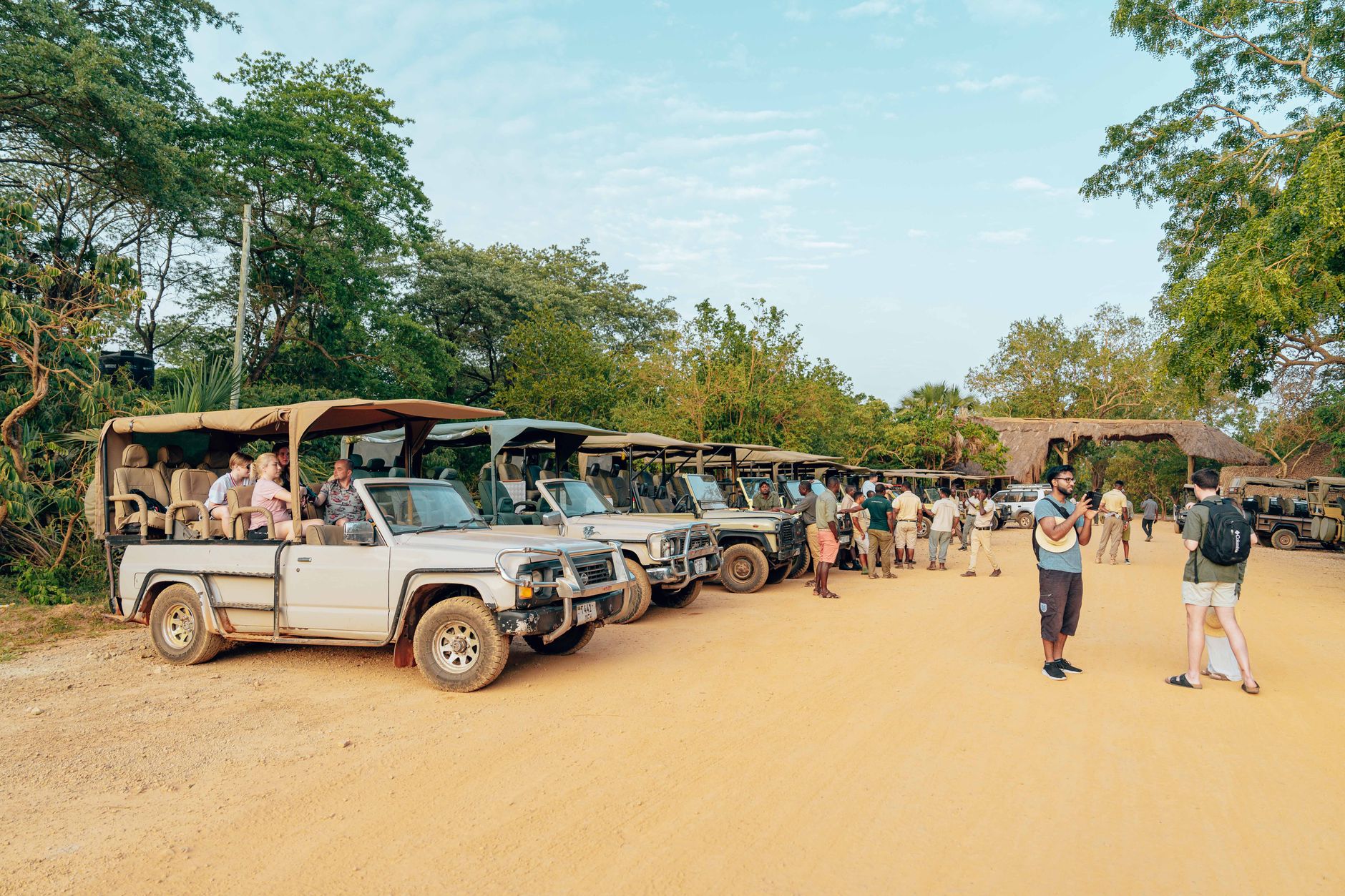

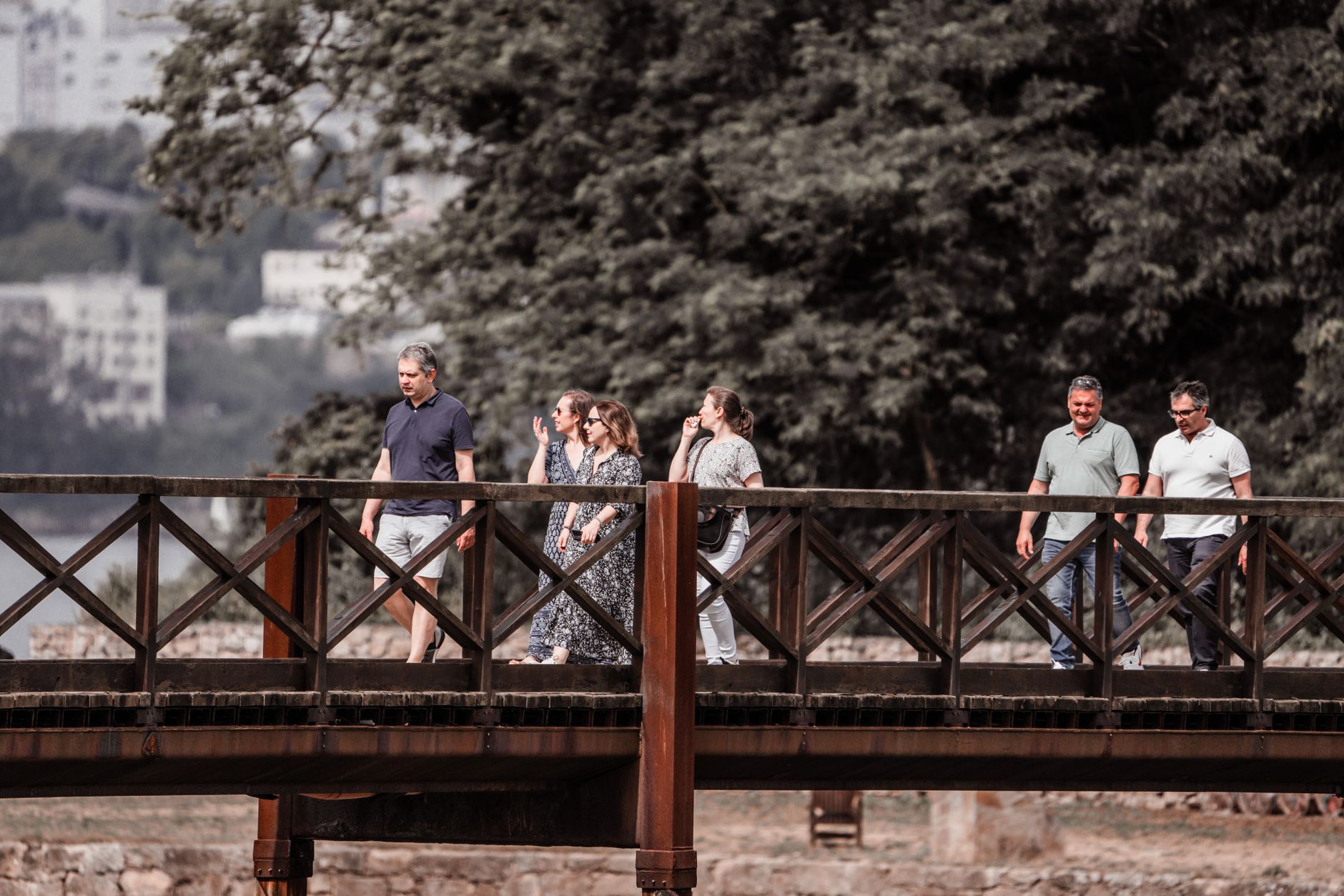
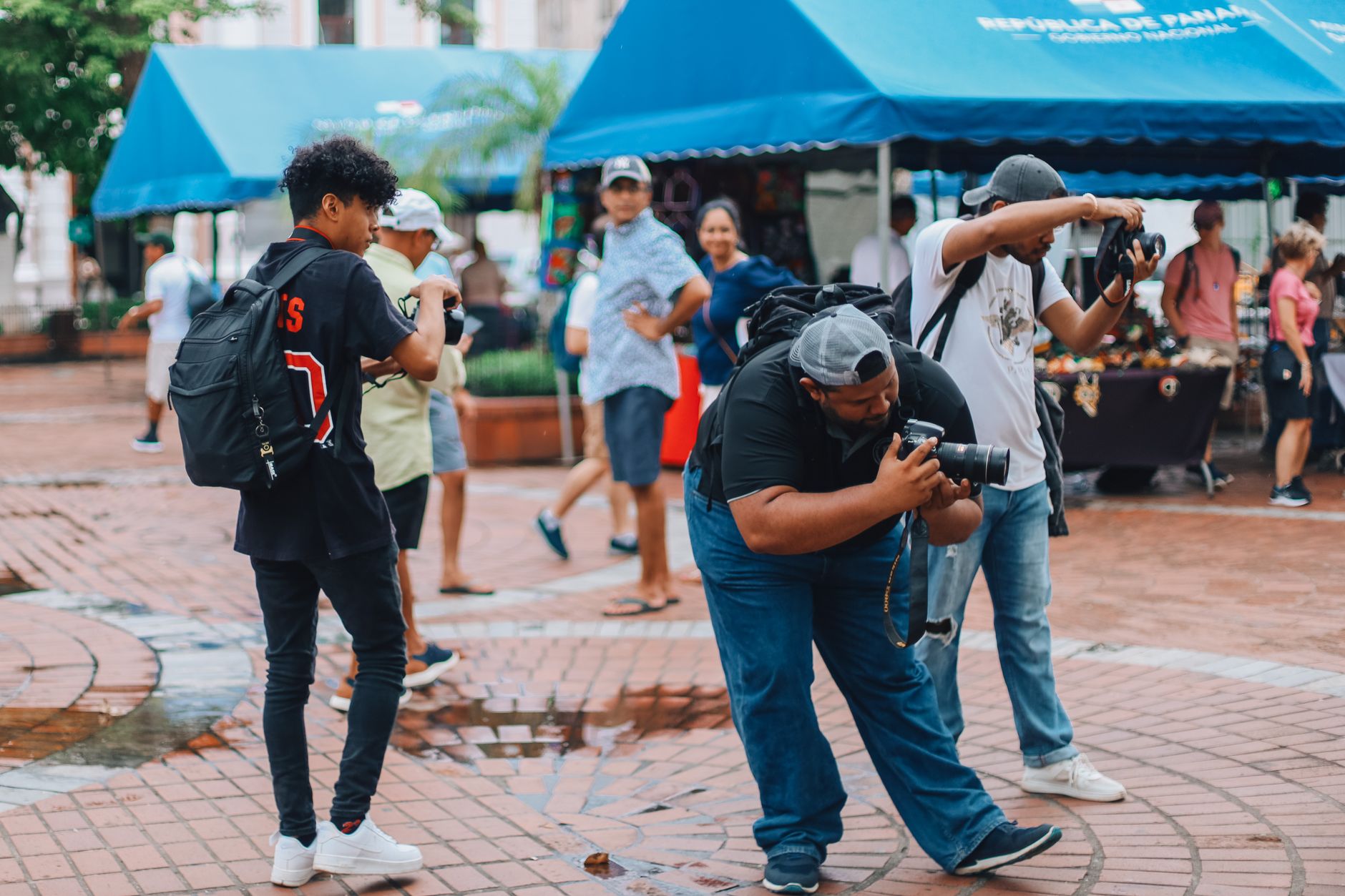
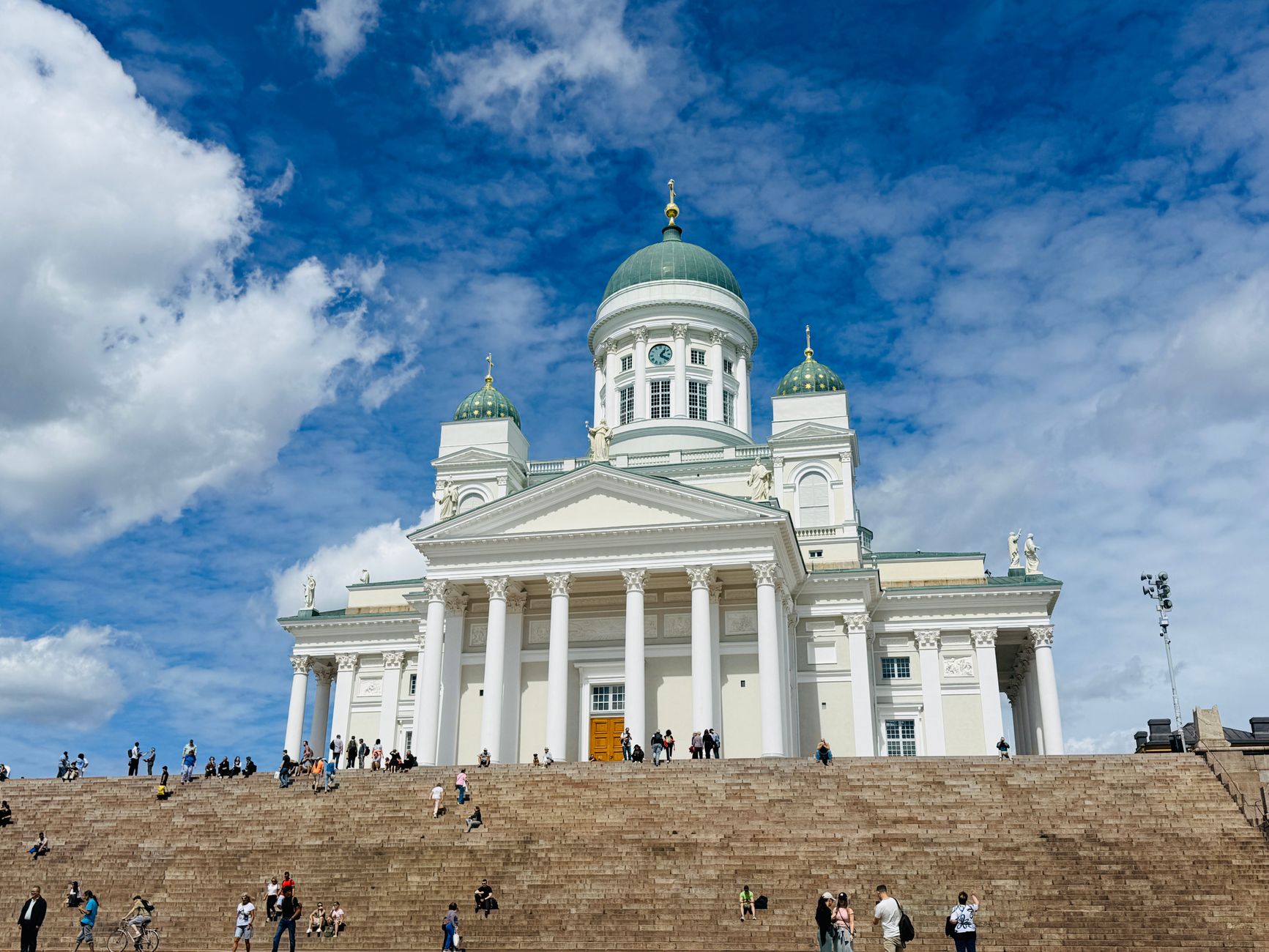
Mikocheni sits north of central Dar es Salaam along New Bagamoyo Road, split into two halves — A and B — that map loosely onto different eras of construction and different economic realities. Wealthier households and expat residences stand close to modest family compounds; a Coca-Cola factory generates reliable daytime traffic along the main arteries. What holds it together is the Makumbusho Village Museum, fifteen acres of reconstructed homesteads representing sixteen of Tanzania's ethnic groups, where the architecture itself becomes the lesson.
This is a residential ward with working rhythms, not a tourist corridor. The appeal is in the specific: a Zaramo homestead replica beside a Chagga one, roadside stalls along Mwai Kibaki Road, and the quiet fact that Mikocheni built the only post-independence sewer system in the entire city.
💛 What travellers fall for
People who come back tend to time a morning at Makumbusho around the cultural centre's dance performances rather than arriving cold. The ward's local eateries along the main road are worth the detour — straightforward Tanzanian cooking, nothing curated for visitors. The Mwenge daladala terminal is your practical anchor for getting in and out cheaply.
Deals in Mikocheni
Book directly at the provider


How Mikocheni came to be
Before German colonisation, Mikocheni was Zaramo and Ngoni territory — fertile ground near the coast that supported both agriculture and Indian Ocean trade. The late nineteenth century brought German East Africa's infrastructure ambitions, restructuring the settlement and introducing cash crops like sisal and cotton that gradually displaced traditional farming practices.
After Tanzanian independence, the 1960s brought rapid urban expansion as Dar es Salaam grew outward and Mikocheni absorbed new residents. The ward's most quietly significant infrastructure moment came in 1976, when it received what remains the only sewer system built in Dar es Salaam since independence. The Makumbusho Village Museum followed in 1996, adding a different kind of permanence — a record of the country's ethnic architectural traditions set into the ground across fifteen acres.
Who and what shaped it
Landmark buildings
See Mikocheni in motion
Plan your visit
On the map
When to go
Mikocheni is warm all year, averaging around 30°C, with April bringing the heaviest rains — up to 230 mm across seventeen wet days. June through September is the driest window and the most comfortable for walking between sites, with July temperatures dipping to a relative cool of around 24°C.
Right now
Background & history adapted from Wikipedia (CC BY-SA) · specs from Wikidata (CC0) · weather from Open-Meteo · map data © OpenStreetMap contributors · photos from Wikimedia Commons / Unsplash with per-image credit. No third-party reviews or social posts reproduced.