
Midtown Manhattan
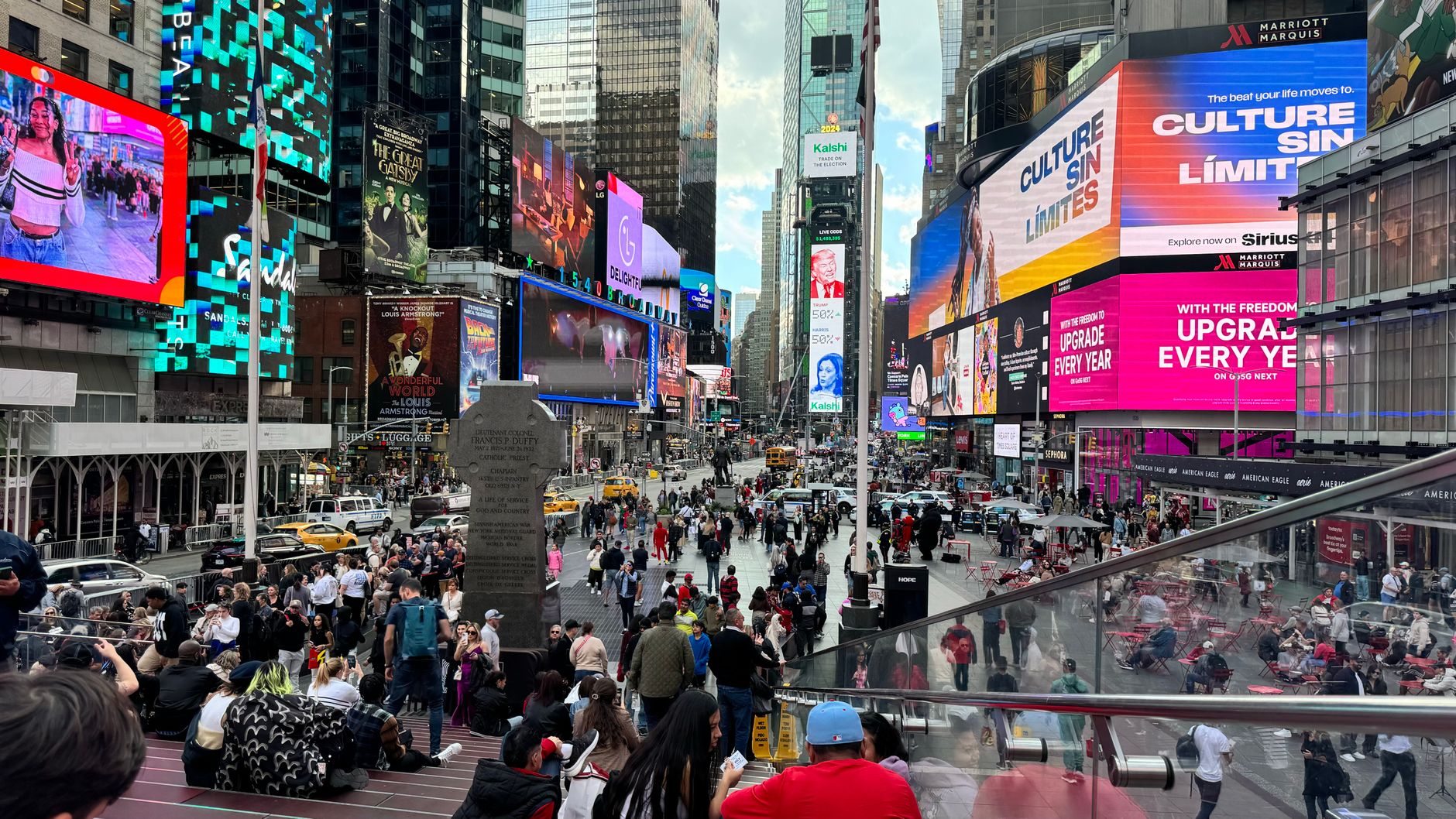
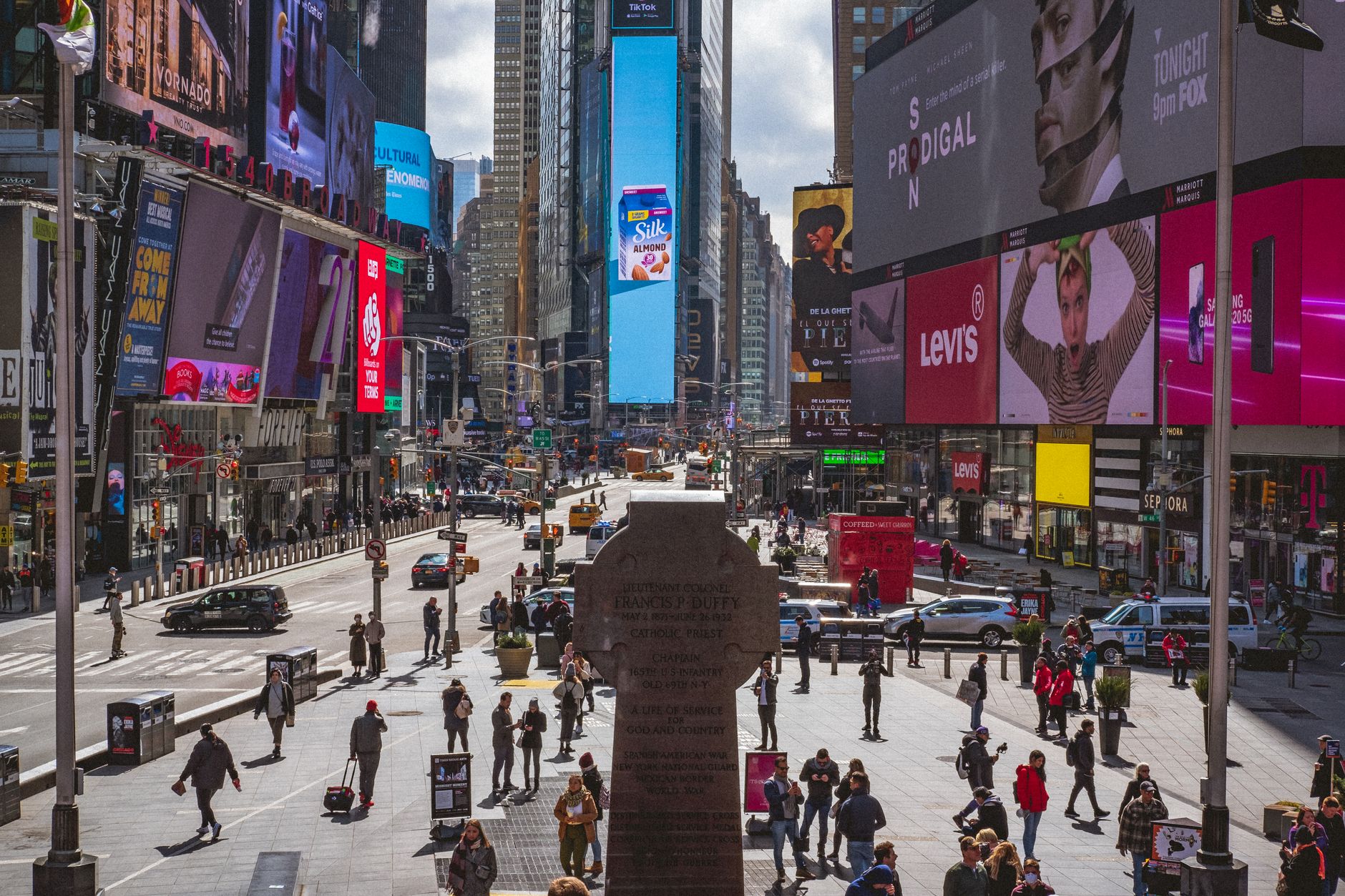
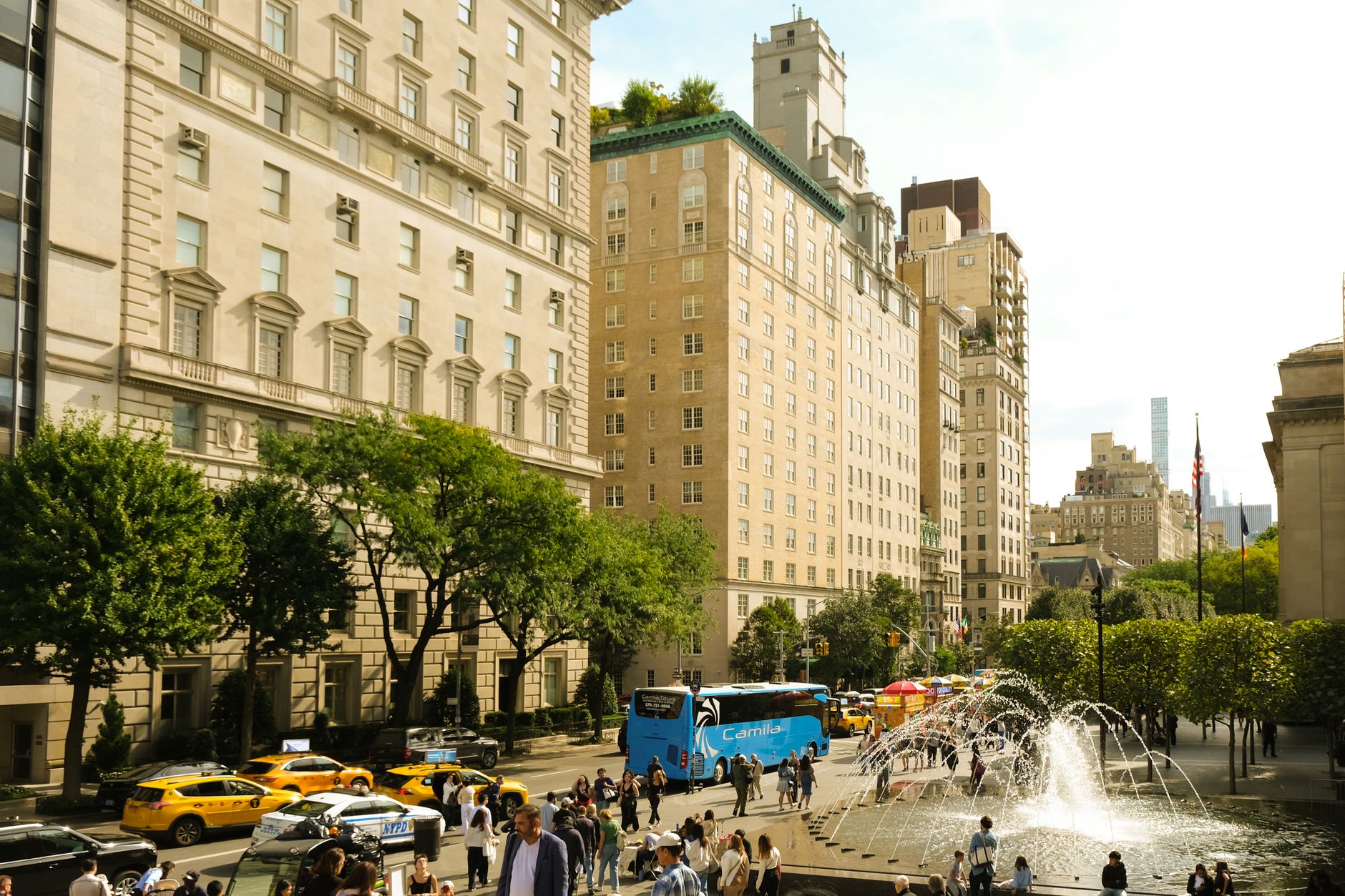
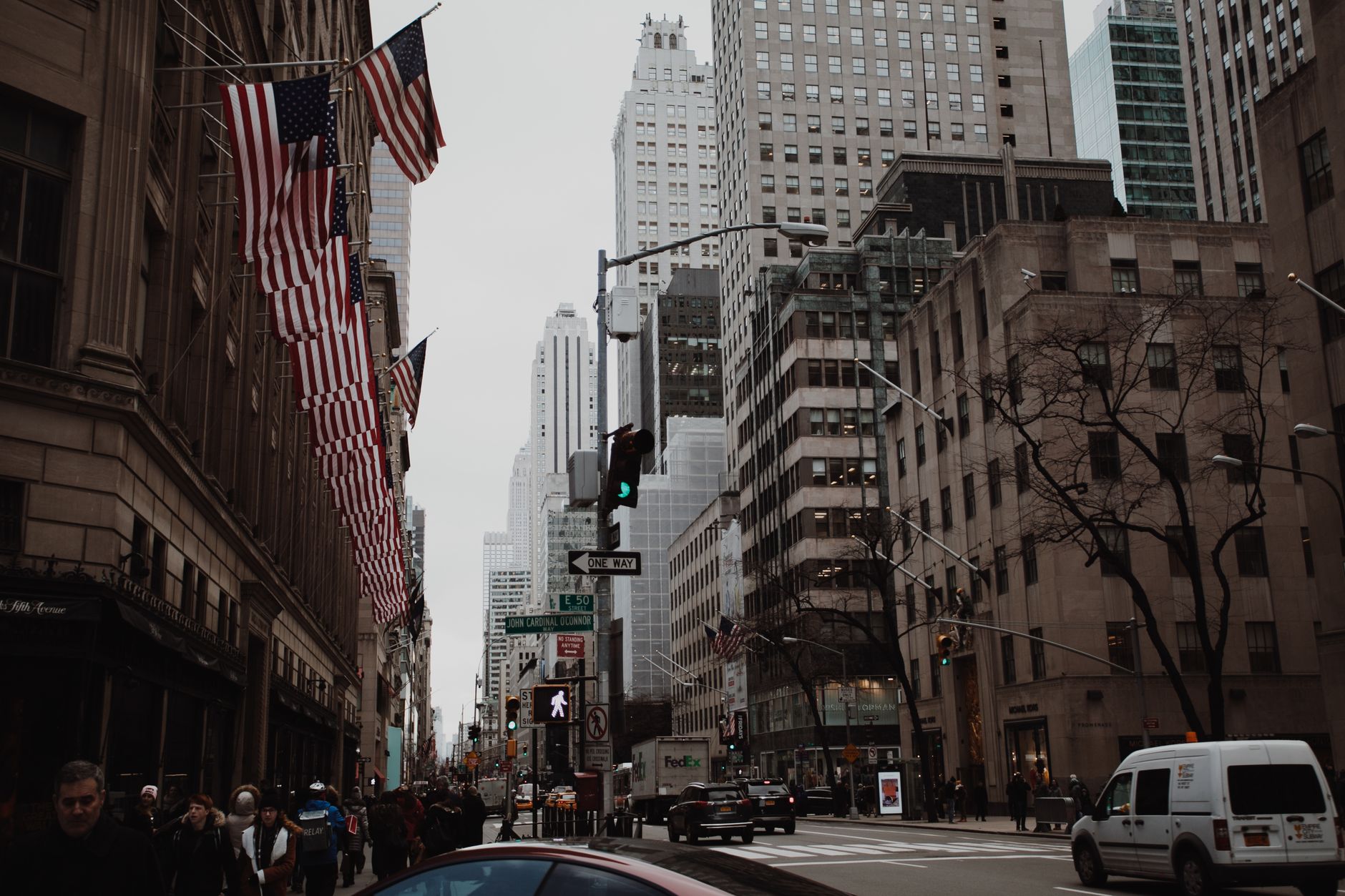
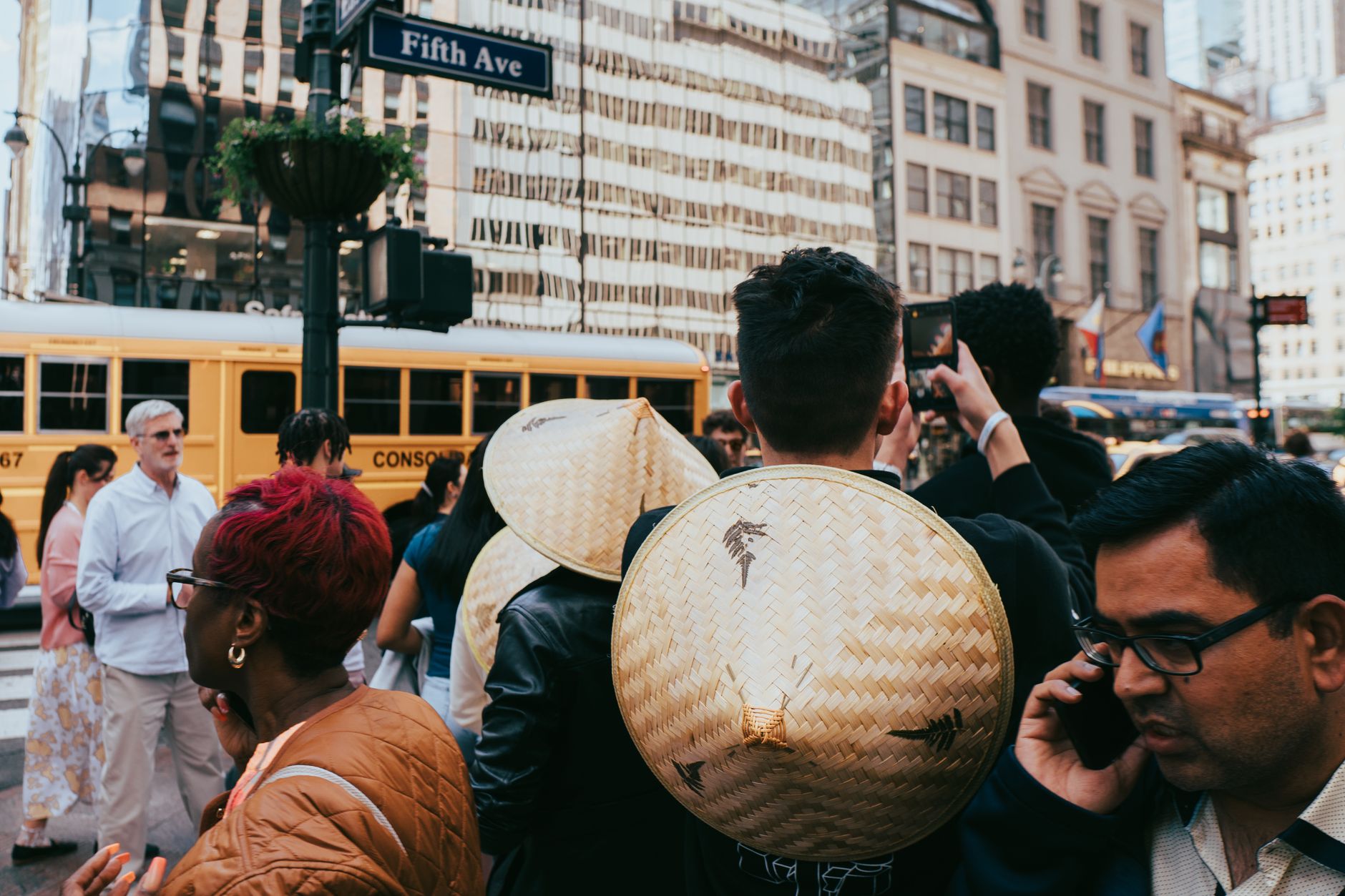
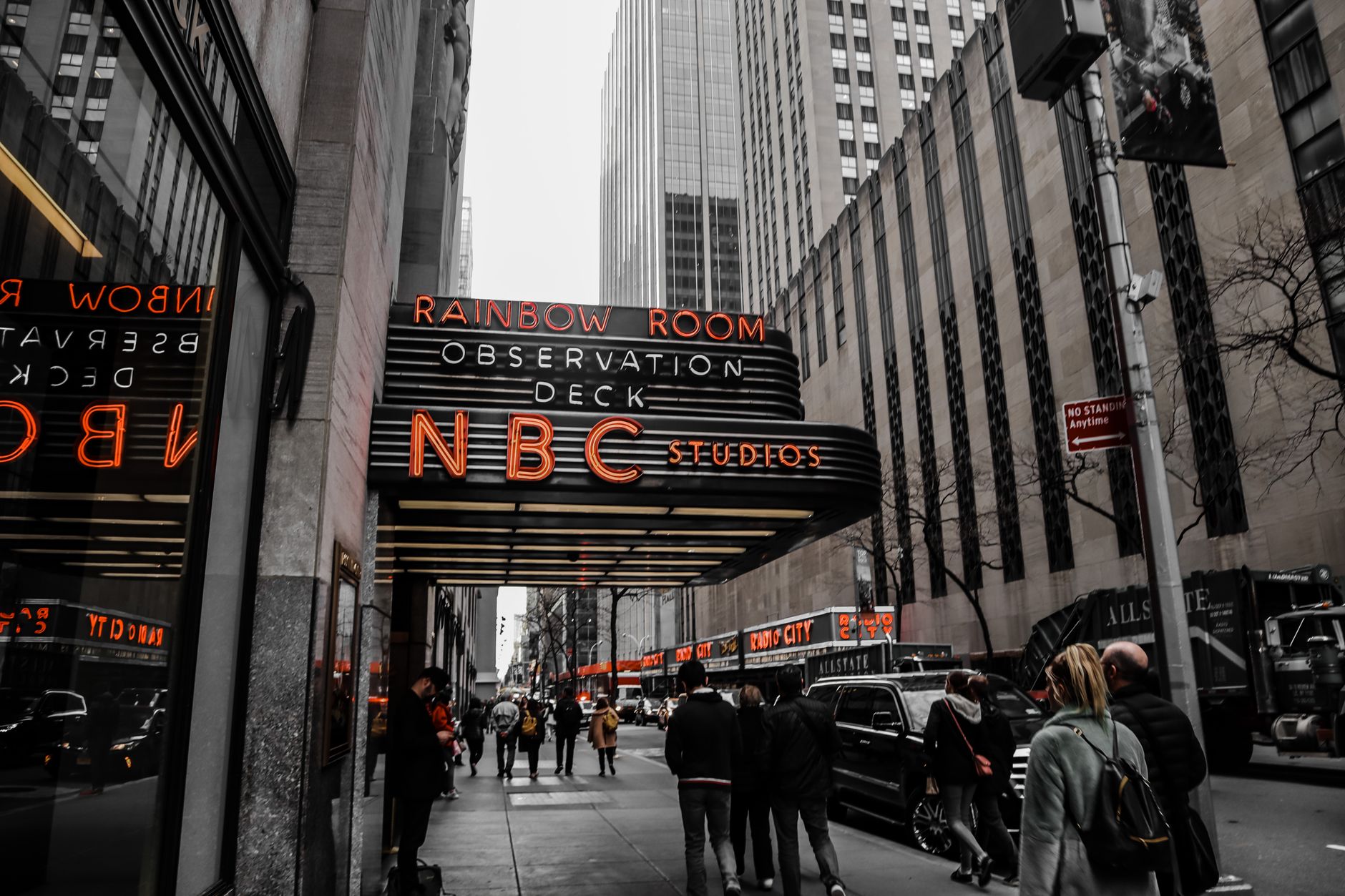
Stand at the corner of 42nd Street and Fifth Avenue on a Tuesday morning and you'll understand why Midtown works as a kind of argument — for density, for ambition, for the particular New York idea that more is more. Grand Central Terminal pulls a hundred thousand people through its main concourse every day, and the light still falls through those south-facing windows exactly as it did when the building opened in 1913. The grid holds everything together: Art Deco towers, a cathedral of modernist art, the United Nations sitting quietly on 18 acres along the East River.
This is Manhattan's commercial and civic core, and it doesn't pretend otherwise. The skyscrapers are the point. So is the subway, which threads beneath it all in half a dozen directions.
💛 What travellers fall for
People who know Midtown well tend to converge on the same advice: hit the Empire State Building's 86th-floor observatory before 11am or after 3pm, when the queues thin out. And go up around sunset — you get the golden hour, the shift to dusk, and the skyline switching on, all in one visit.
Deals in Midtown Manhattan
Book directly at the provider


How Midtown Manhattan came to be
Long before the grid arrived, this stretch of Manhattan was farmland and rocky outcroppings — the territory of the Siwanoy people for some 12,000 years before European settlement. City planners drew up the famous street grid starting in 1807, finalized it in 1811, and Midtown formally came under New York City's jurisdiction in 1822. What followed was slow at first, then sudden: in 1927 alone, 30 skyscrapers went up, a single-year record that still stands. The Chrysler Building rose between 1928 and 1930; the Empire State Building was complete by 1931 and held the title of world's tallest for forty years.
By the mid-20th century the district had also become a cultural address — MoMA settled on 53rd Street in 1939, the UN opened on the East River in 1952. A period of serious decline followed, but the 1990s brought sustained redevelopment, and within roughly a decade Midtown had shifted from a place people avoided after dark to the version that exists today.
Who and what shaped it
People who shaped it
Landmark buildings
See Midtown Manhattan in motion
Plan your visit
On the map
When to go
Summers run warm and humid, with afternoon rain a regular possibility from June through August. Winters are genuinely cold — often below freezing, sometimes snowy — so if you're planning time on any outdoor observation deck between December and February, dress accordingly. Spring and early autumn tend to offer the clearest skies and the most comfortable temperatures for walking.
Right now
Background & history adapted from Wikipedia (CC BY-SA) · specs from Wikidata (CC0) · weather from Open-Meteo · map data © OpenStreetMap contributors · photos from Wikimedia Commons / Unsplash with per-image credit. No third-party reviews or social posts reproduced.