
Medina del Campo
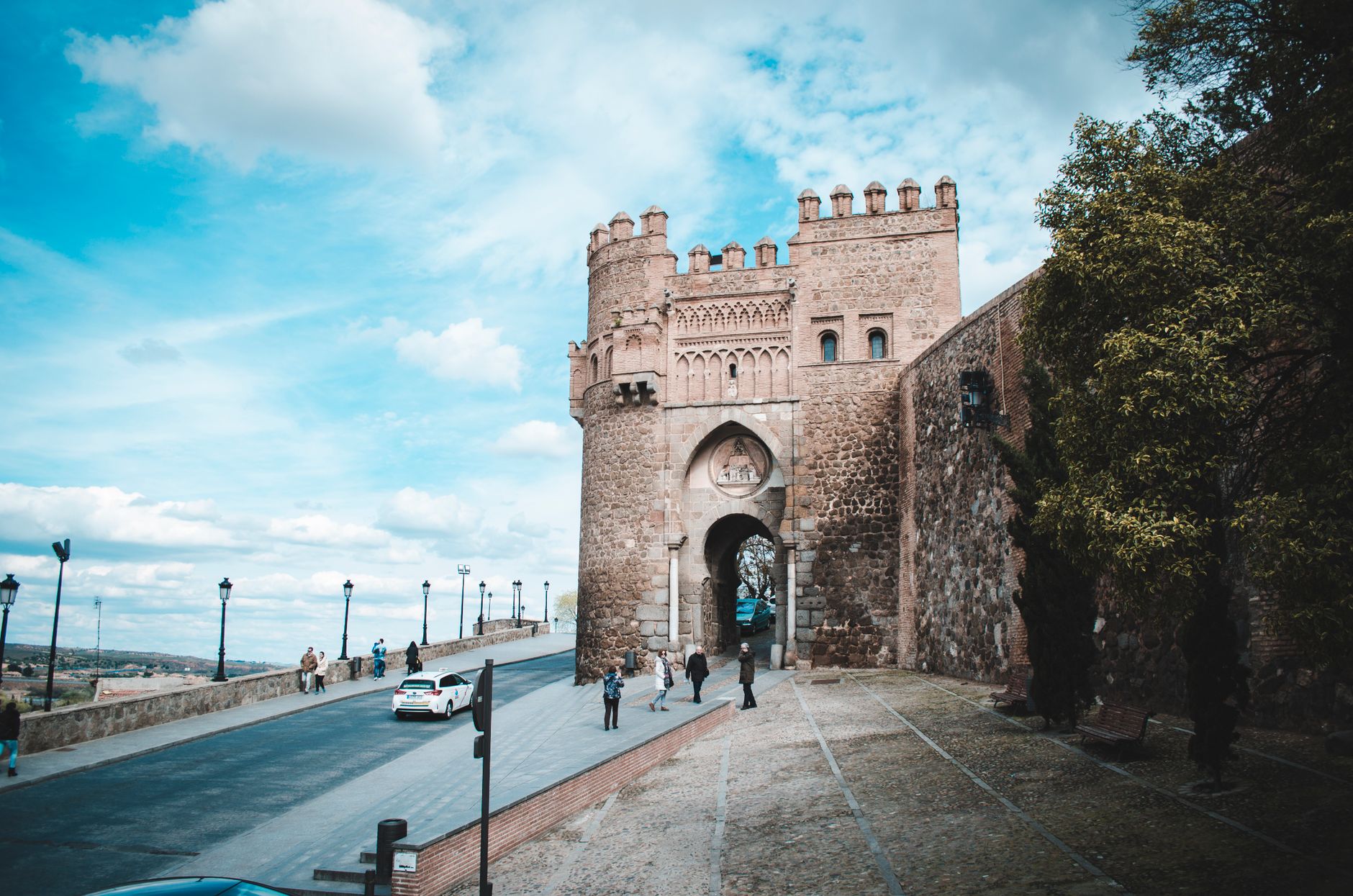
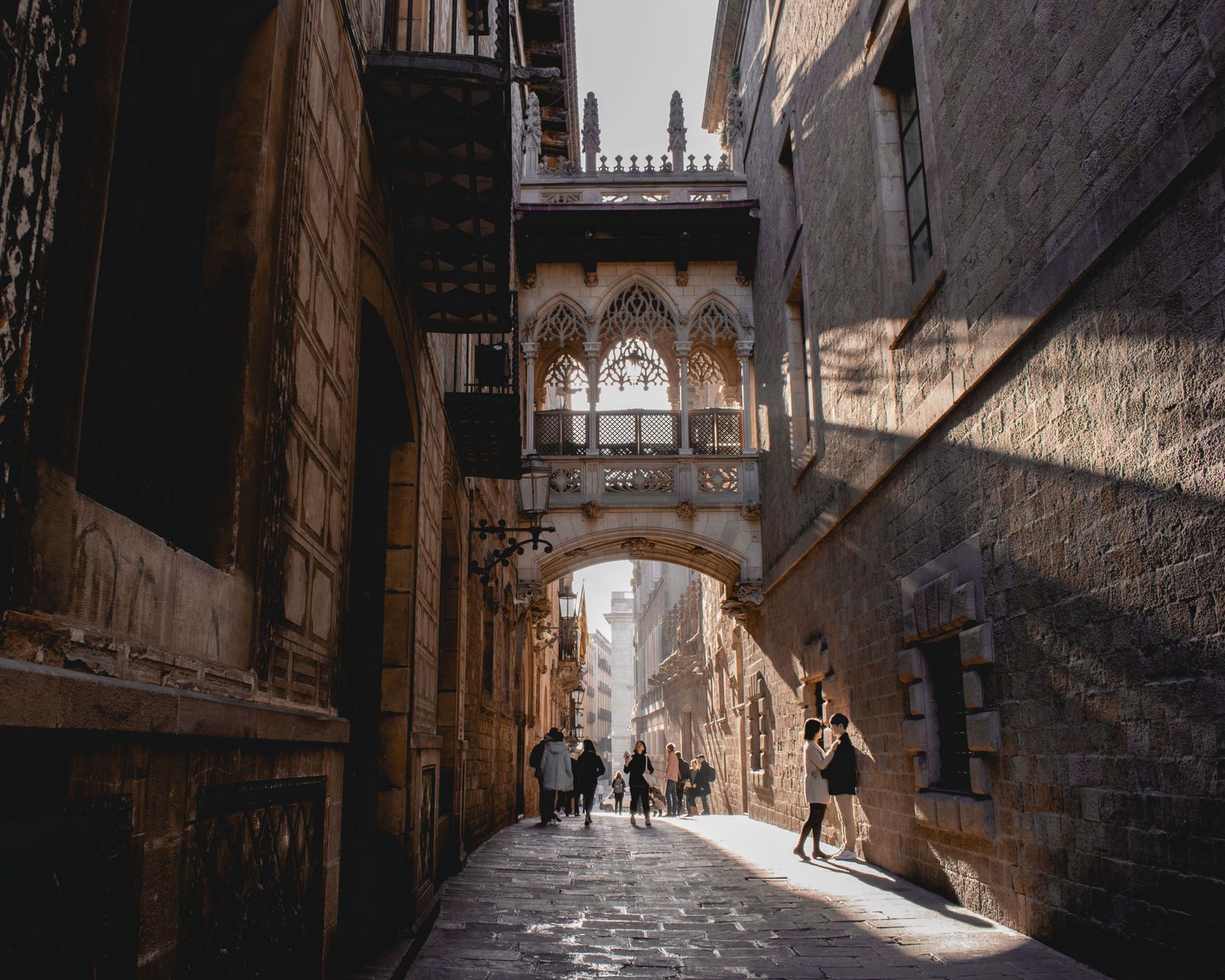
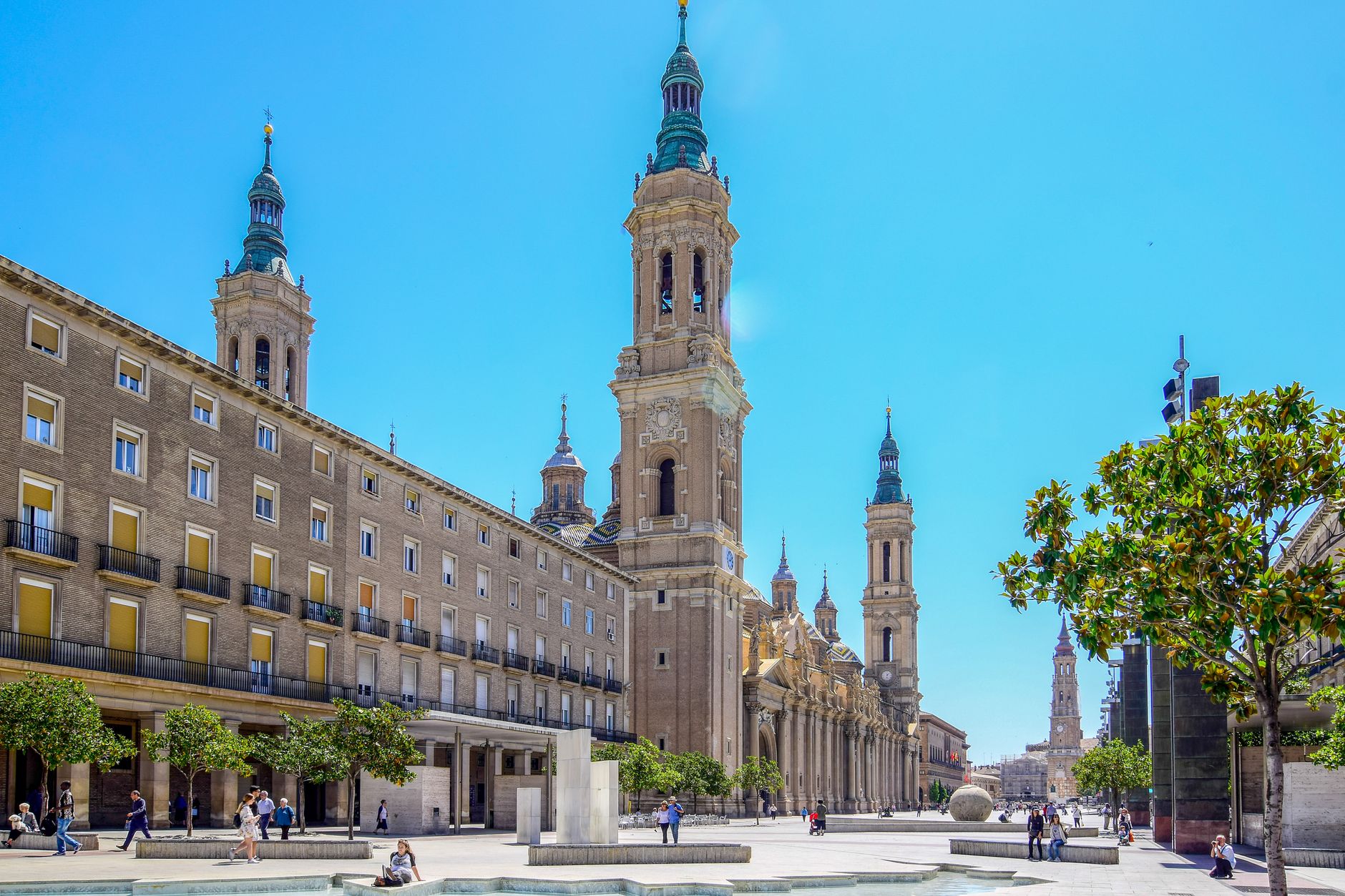

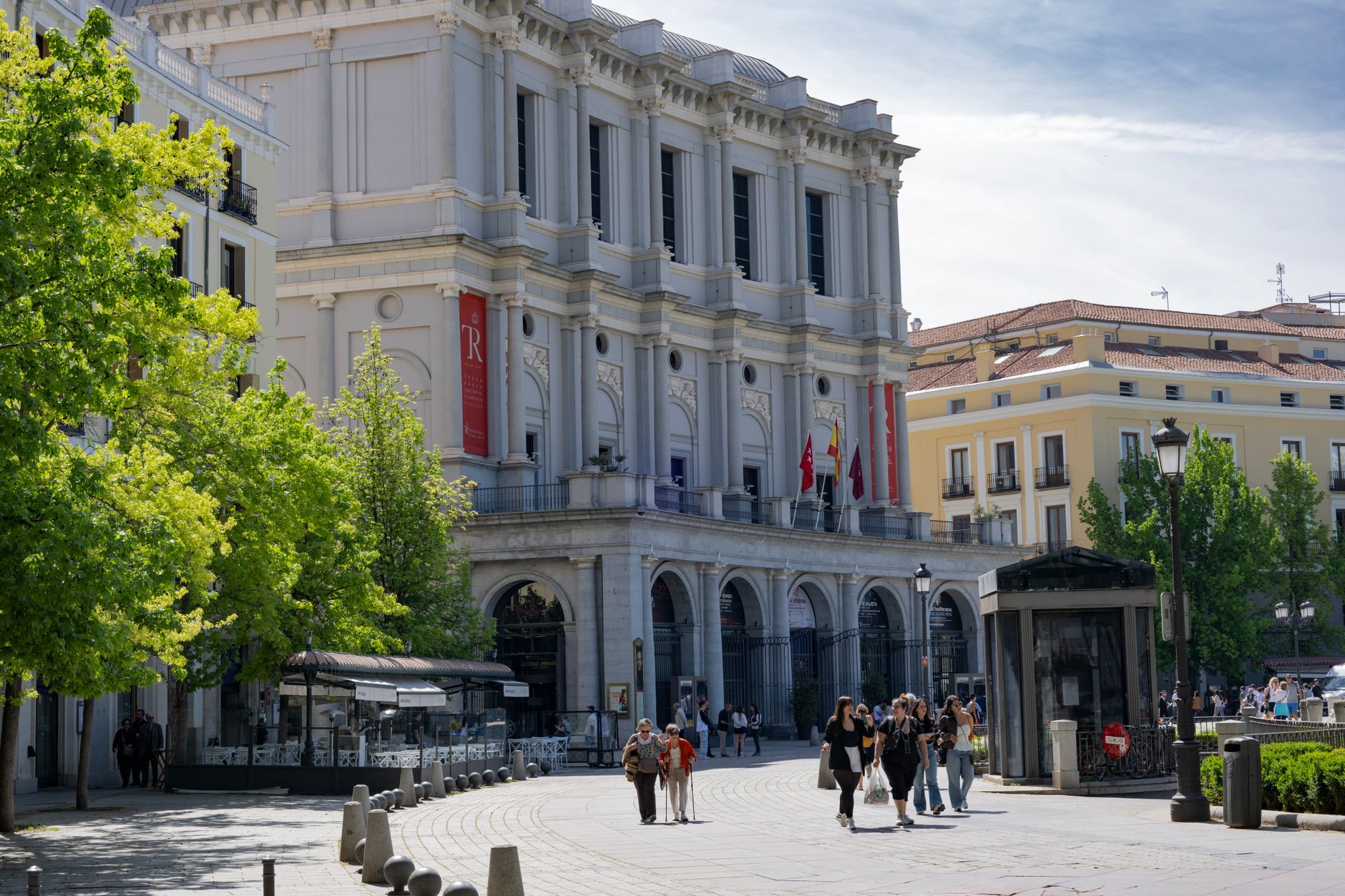
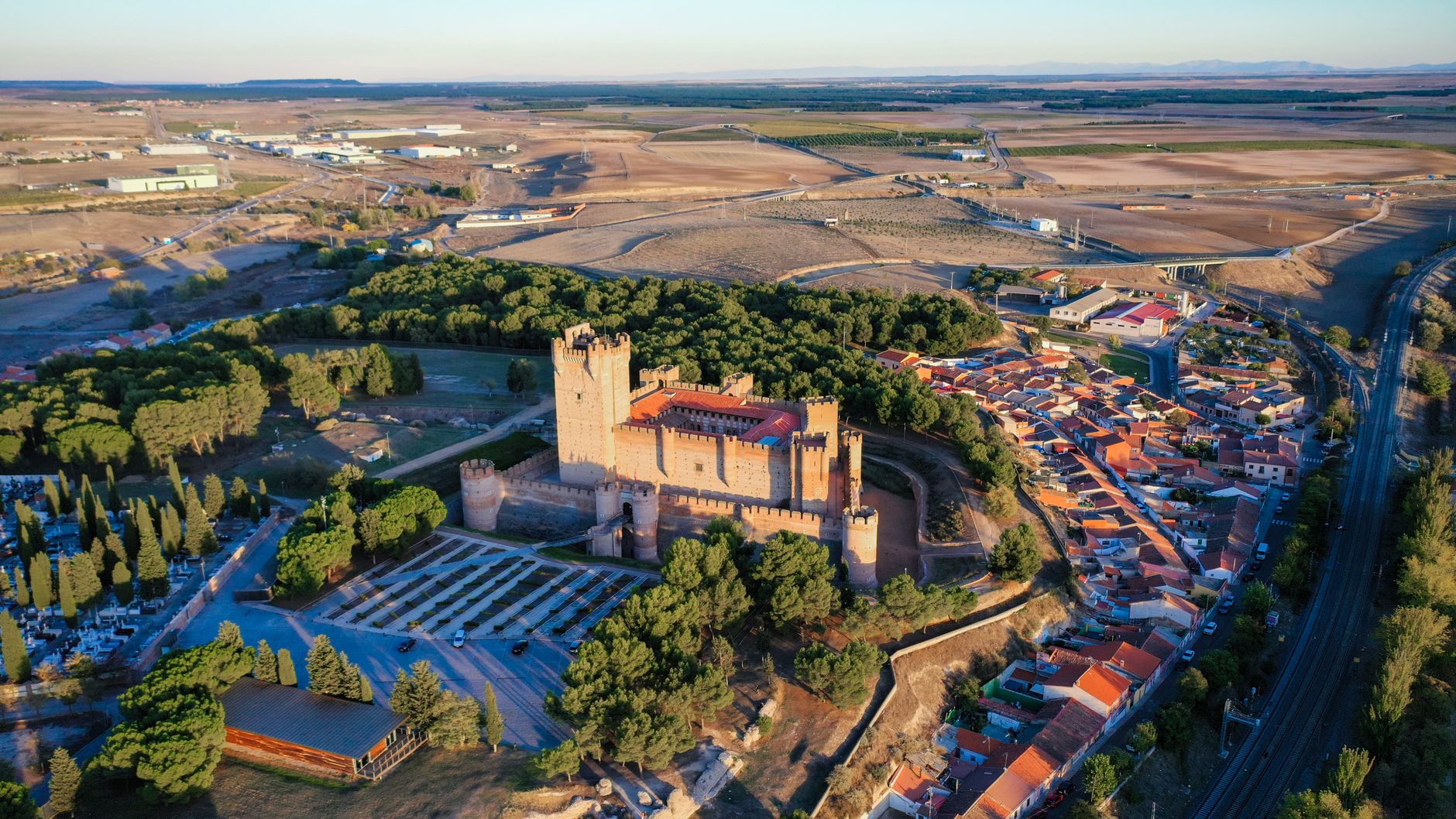
The first thing you notice about Medina del Campo is the castle. The Castillo de la Mota sits on its hill above the plain of Castile like something that never quite stopped watching the road below — and for five centuries, it essentially did. Queens died here, a Borgia was locked up here, and the wool and book merchants who filled the fairs in the Plaza Mayor below made this one of the financial centres of the early modern world.
That Plaza Mayor — the largest in Spain — is still the town's gravitational centre. Sit at one of the tables under the arcades and the scale of what this place once was starts to make sense.
💛 What travellers fall for
People who come back tend to time it for a quiet weekday morning at the Collegiate Church of San Antolín, when the light through the Gothic nave is unhurried. They also make a point of walking the full perimeter of La Mota's artillery wall before heading down — the views over the meseta repay the climb.
Experiences you don't want to miss


Deals in Medina del Campo
Book directly at the providerHow Medina del Campo came to be
Settled on the hill of La Mota in the 11th century as part of Alfonso VI's repopulation of Castile, Medina was already a significant trading town by the 12th century — first recorded by name in 1170. Its great fairs, which peaked in the 15th and 16th centuries, drew merchants dealing in wool, textiles and books, and gave the town enough financial weight to host serious diplomacy: the Treaty of Medina del Campo, signed here in 1489, linked Spain and England in trade and laid the groundwork for Catherine of Aragon's eventual marriage to the English crown.
The castle served as both fortress and royal prison — Cesare Borgia was held here — and it was in the Palacio Real Testamentario that Isabella I of Castile died on 26 November 1504. The town's fortunes turned during the Revolt of the Comuneros, when fighting over the royal artillery left much of it burned, and a slow ruralization through the 17th century followed. The railway arrived on 3 September 1860, threading Medina back into the wider world.
Who and what shaped it
People who shaped it
Landmark buildings
See Medina del Campo in motion
Plan your visit
On the map
When to go
The Castilian meseta means hot, dry summers — temperatures in July and August regularly push above 35°C — and cold winters with sharp frosts. April through June and September through October offer mild days and clear skies, which suit the open plazas and castle walls well.
Right now
Background & history adapted from Wikipedia (CC BY-SA) · specs from Wikidata (CC0) · weather from Open-Meteo · map data © OpenStreetMap contributors · photos from Wikimedia Commons / Unsplash with per-image credit. No third-party reviews or social posts reproduced.