
Maspalomas
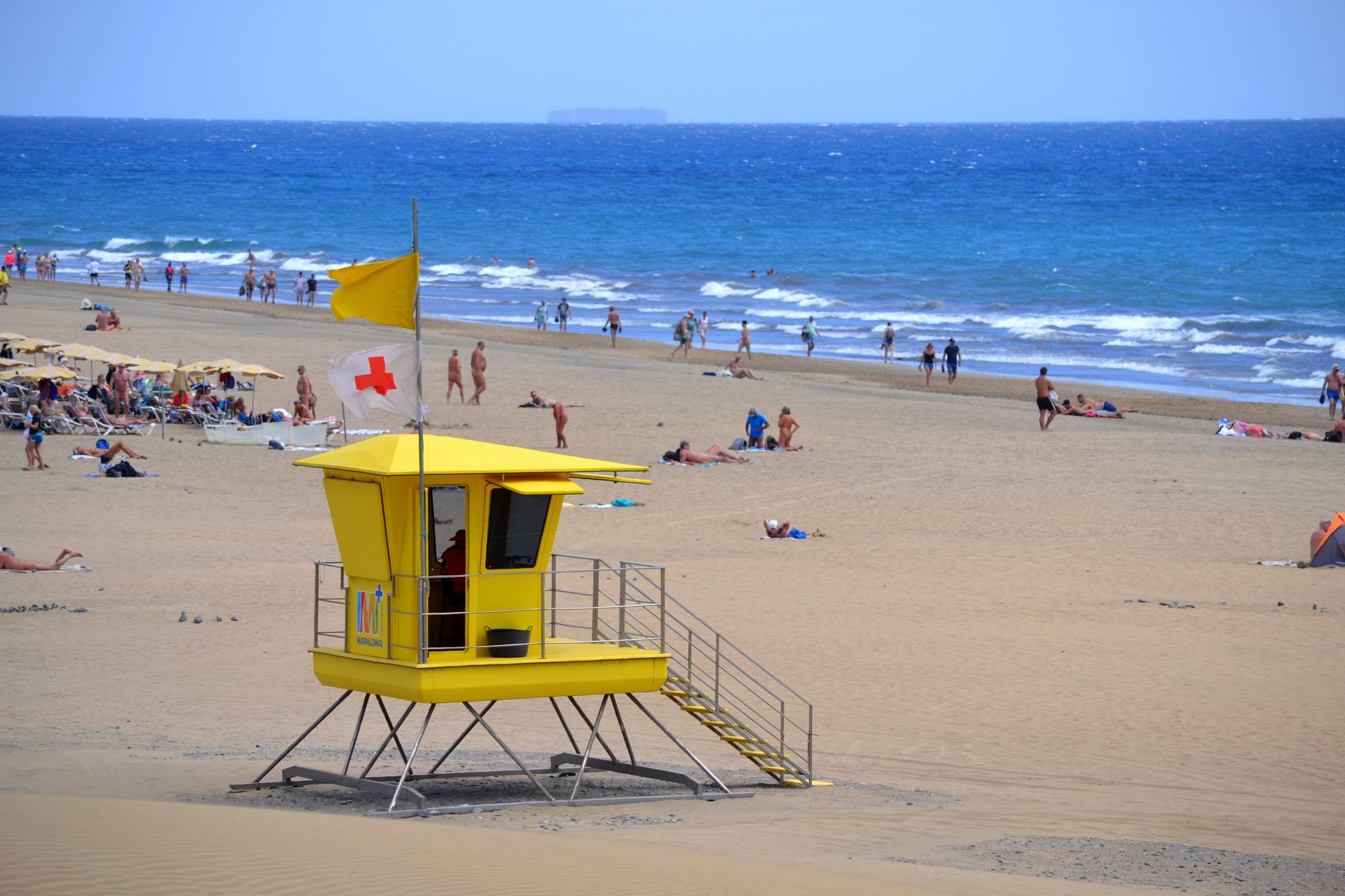
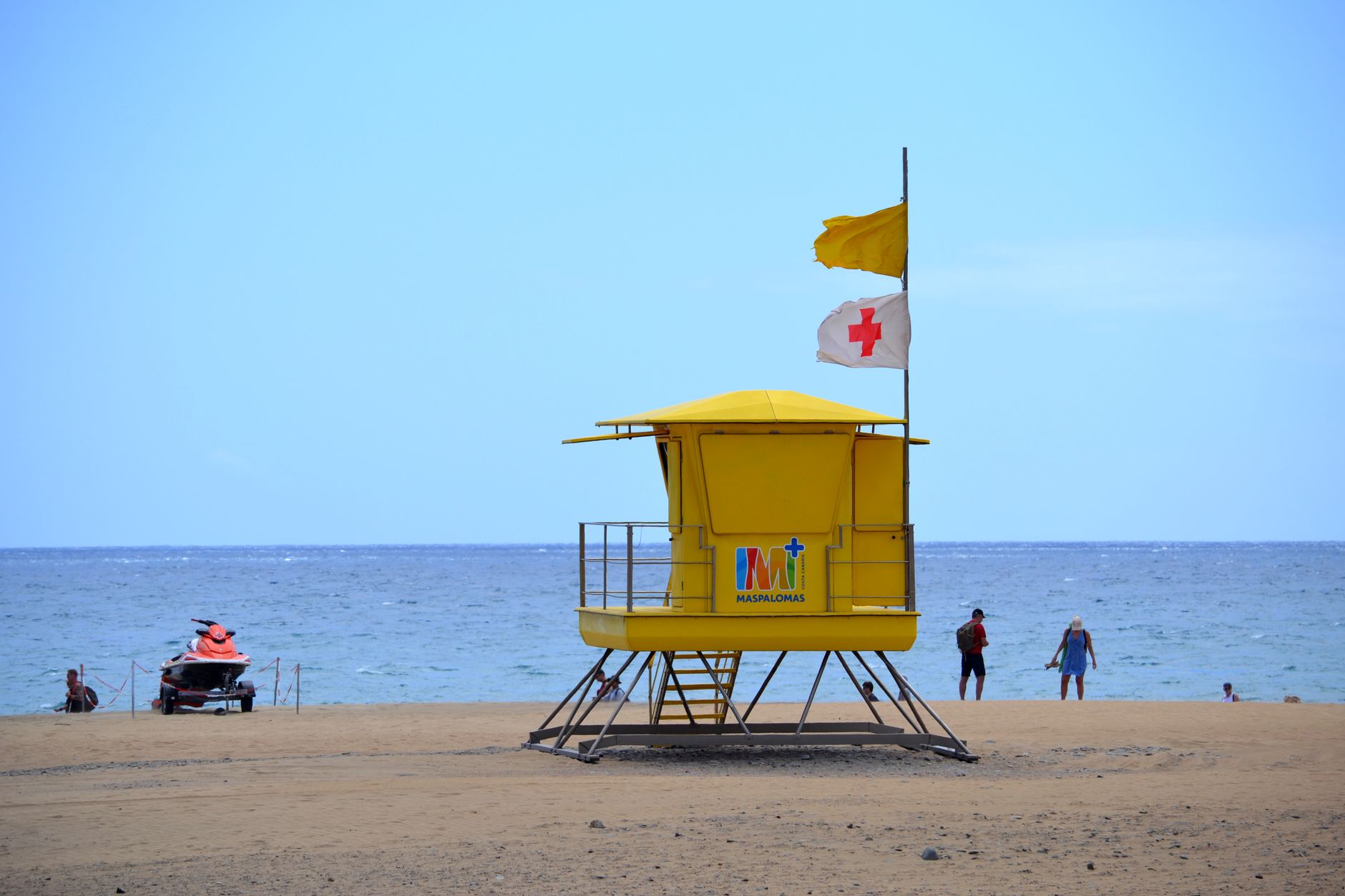
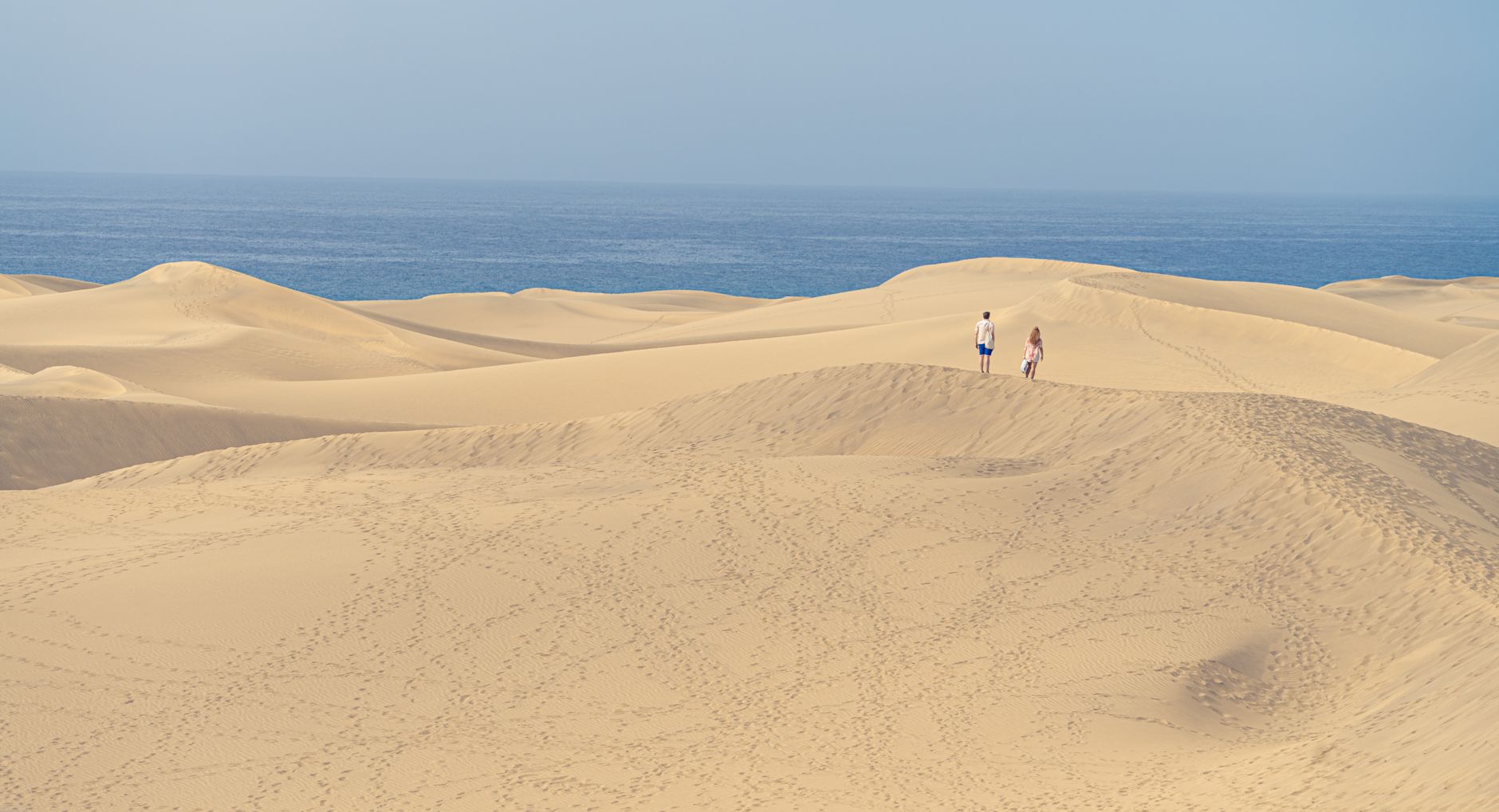
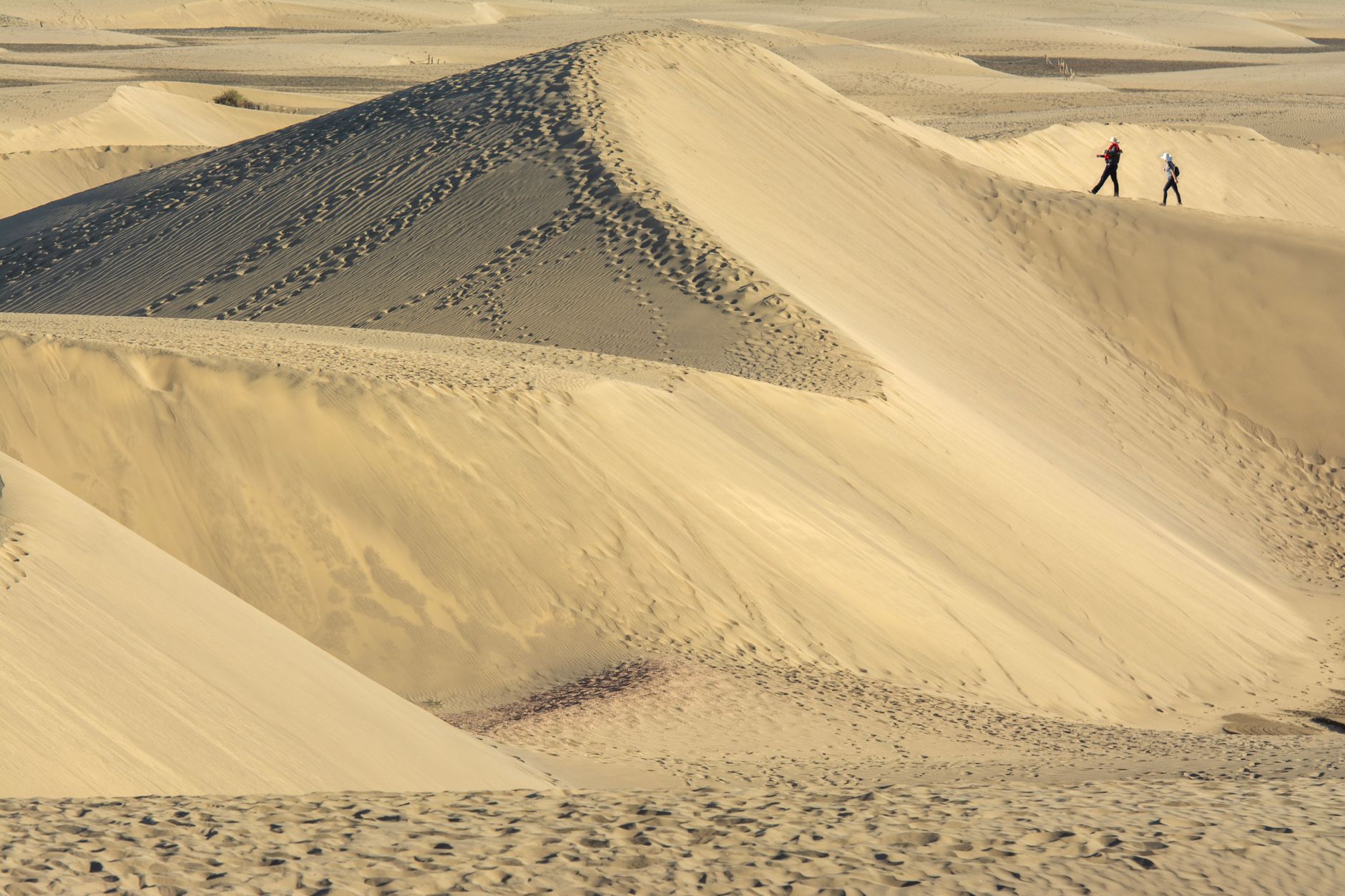
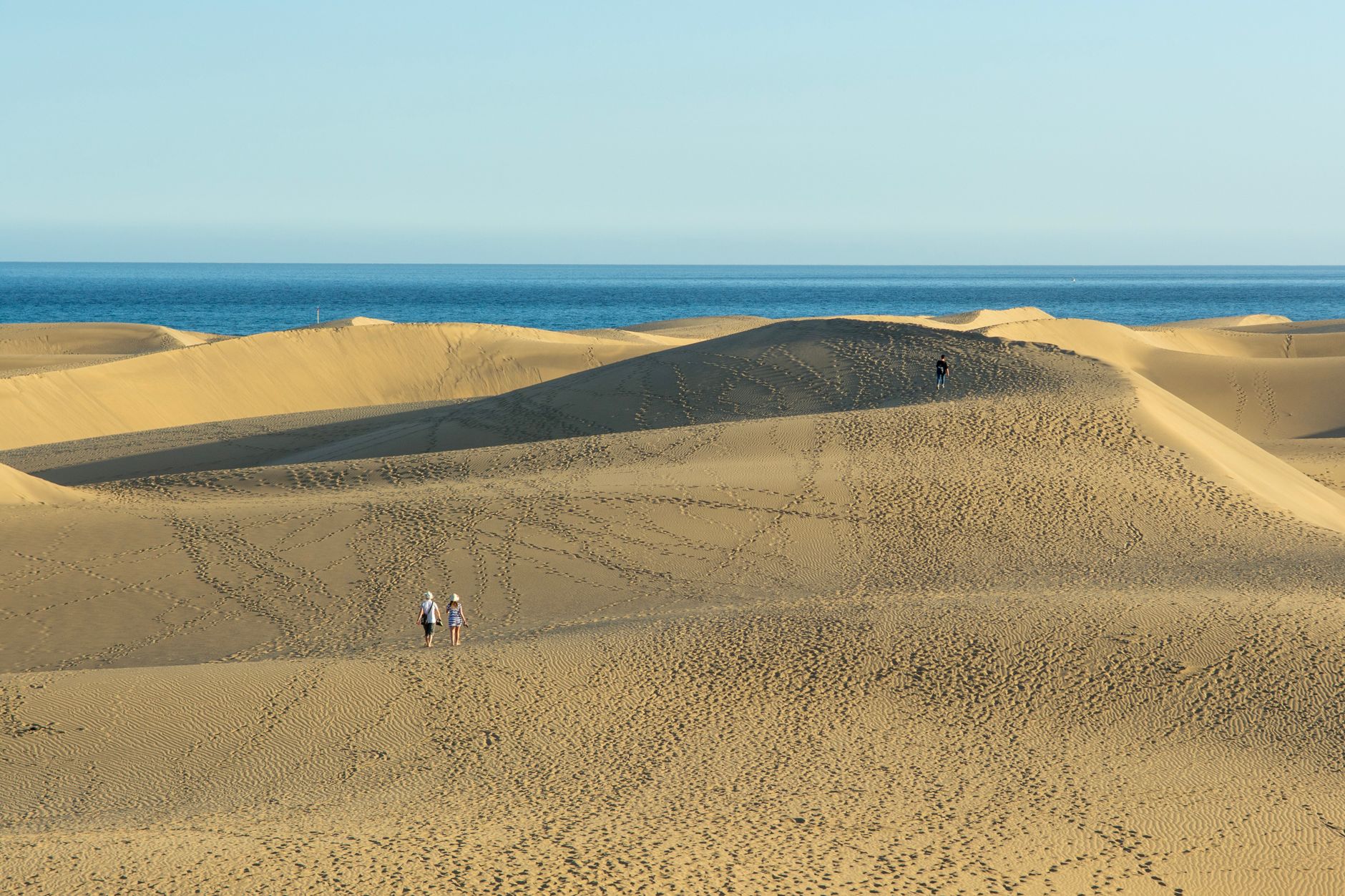
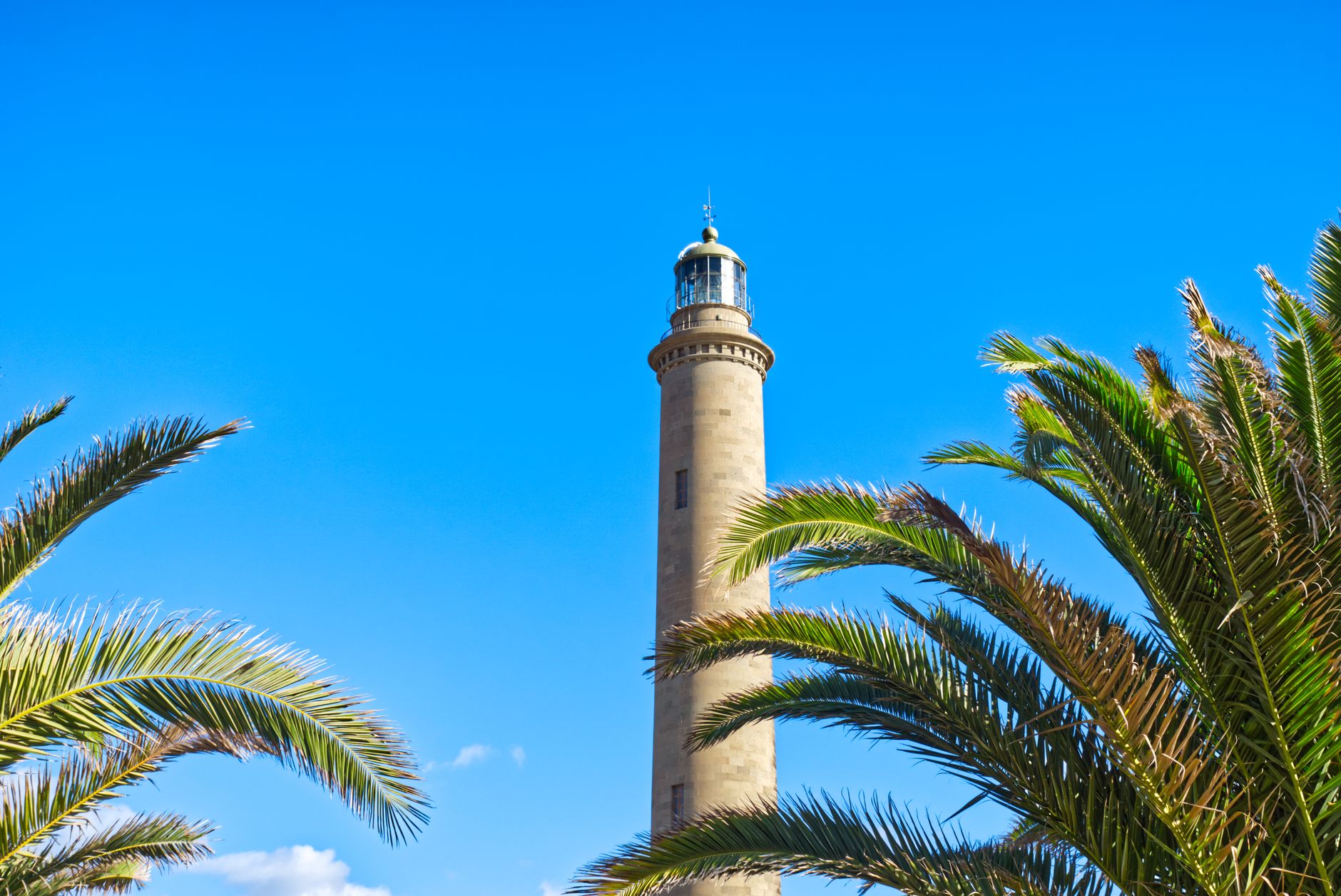
At the southern tip of Gran Canaria, Maspalomas ends in sand — four million square metres of it, protected dunes that shift and pale in the Atlantic light like something transplanted from the Sahara. The 56-metre lighthouse that marks the point has been throwing its beam out to sea since the night of 1 February 1890, and it remains the tallest masonry lighthouse in the Canaries.
The resort that grew up around the dunes is a deliberate creation: a 1961 international design contest, won by the French urban planning office SETAP, shaped 1,060 hectares of coastline into what Maspalomas is today. That origin — planned, not organic — gives the place an oddly coherent feel once you know to look for it.
💛 What travellers fall for
People who come back tend to time a morning walk through the dunes before the day heats up, ending at the lighthouse end near Meloneras rather than the crowded Playa del Inglés side. The Faro de Maspalomas museum opens at 10:30 and the climb rewards you with the full sweep of coast in both directions.
Experiences you don't want to miss




Deals in Maspalomas
Book directly at the provider
How Maspalomas came to be
The name Maspalomas may trace back to two possible settlers: Rodrigo Mas de Palomar, a Mallorcan soldier, or Francisco Palomar, a Genoese associate of conquistador Alonso Fernández de Lugo who bought Guanche slaves from Güímar and farmed the area. The municipality of San Bartolomé de Tirajana, which encompasses Maspalomas, was formally constituted in 1572, and for the following centuries the cape was known mainly to passing ships — and to the pirates who worked the Canarian coast in the 17th and 18th centuries.
The lighthouse was the turning point. Authorised on 19 June 1861 and designed by engineer Juan León y Castillo, it took nearly three decades to complete, finally lighting up on 1 February 1890. The resort town came a full century later, shaped by that 1961 contest won by SETAP — urbanist Guy Lagneau and economist Michel Weill among its principals — whose environmentally conscious plan set the terms for everything built since.
Who and what shaped it
People who shaped it
Landmark buildings
See Maspalomas in motion
Plan your visit
On the map
When to go
Maspalomas sits in a hot desert climate where no month drops below 18 °C on average, making it genuinely year-round. Summers are dry and hot; winters are mild enough for the beach, with nights rarely falling below 13 °C — which is why so much of northern Europe shows up in January.
Right now
Background & history adapted from Wikipedia (CC BY-SA) · specs from Wikidata (CC0) · weather from Open-Meteo · map data © OpenStreetMap contributors · photos from Wikimedia Commons / Unsplash with per-image credit. No third-party reviews or social posts reproduced.