
Marangu
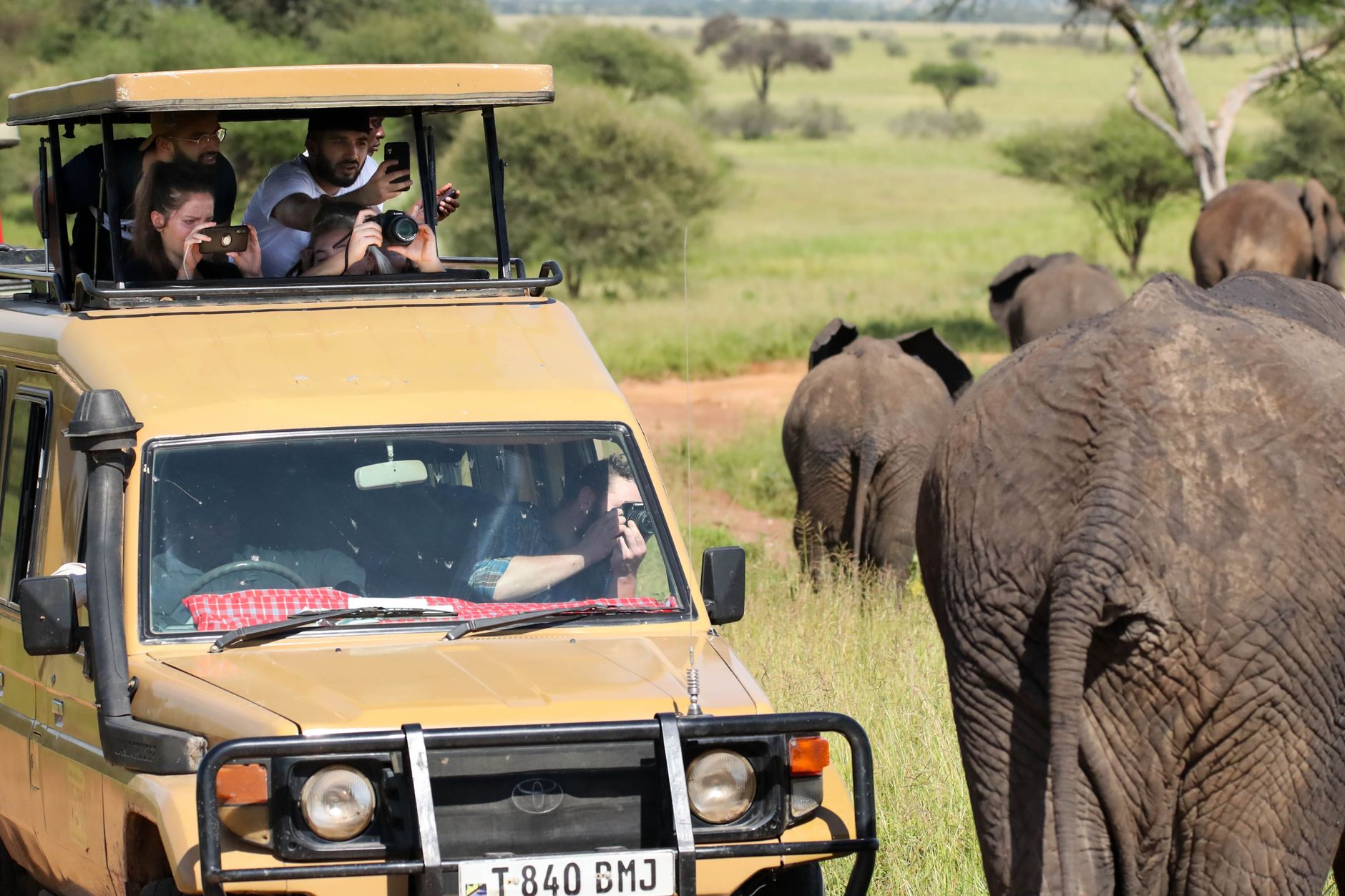
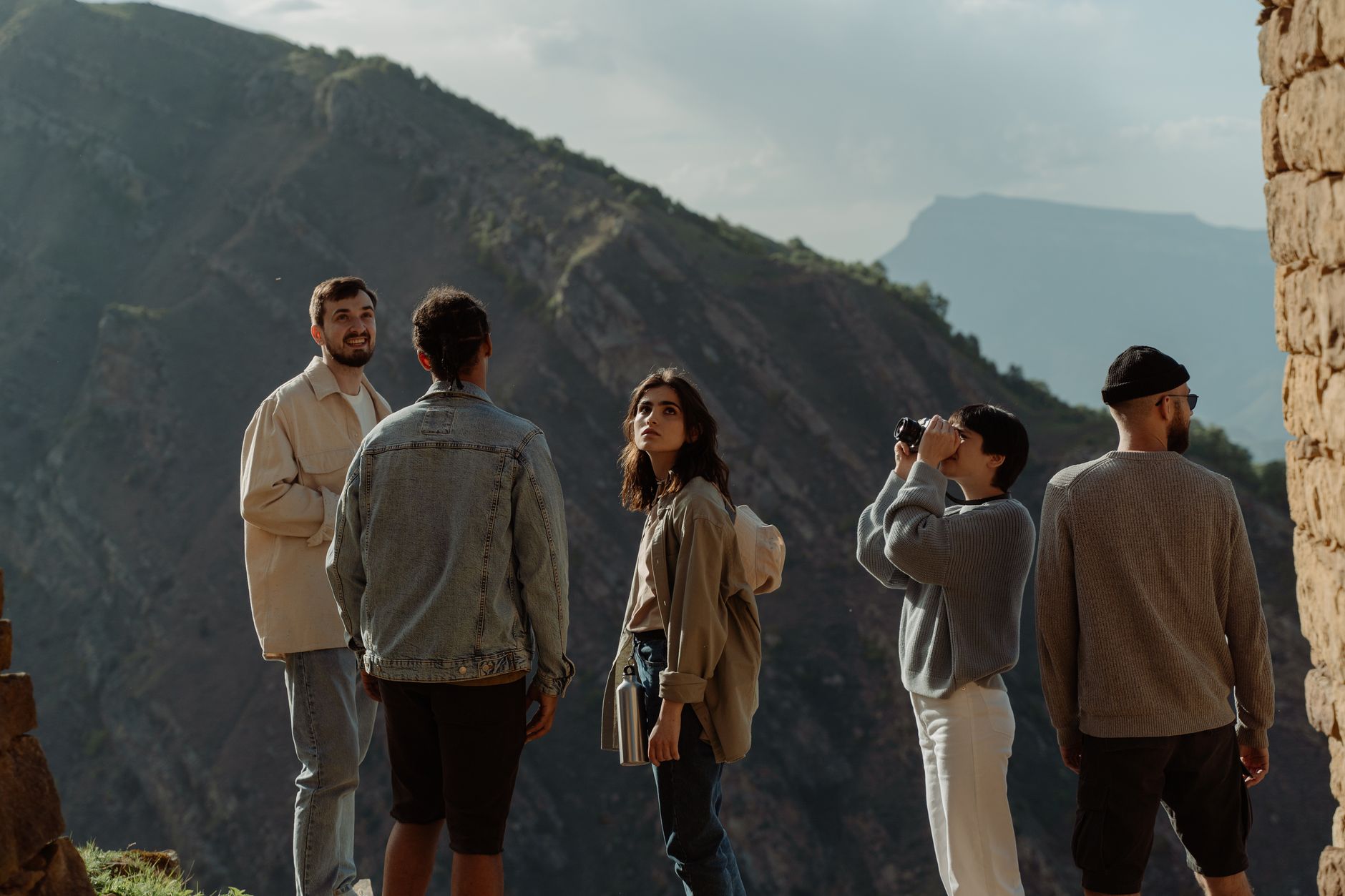
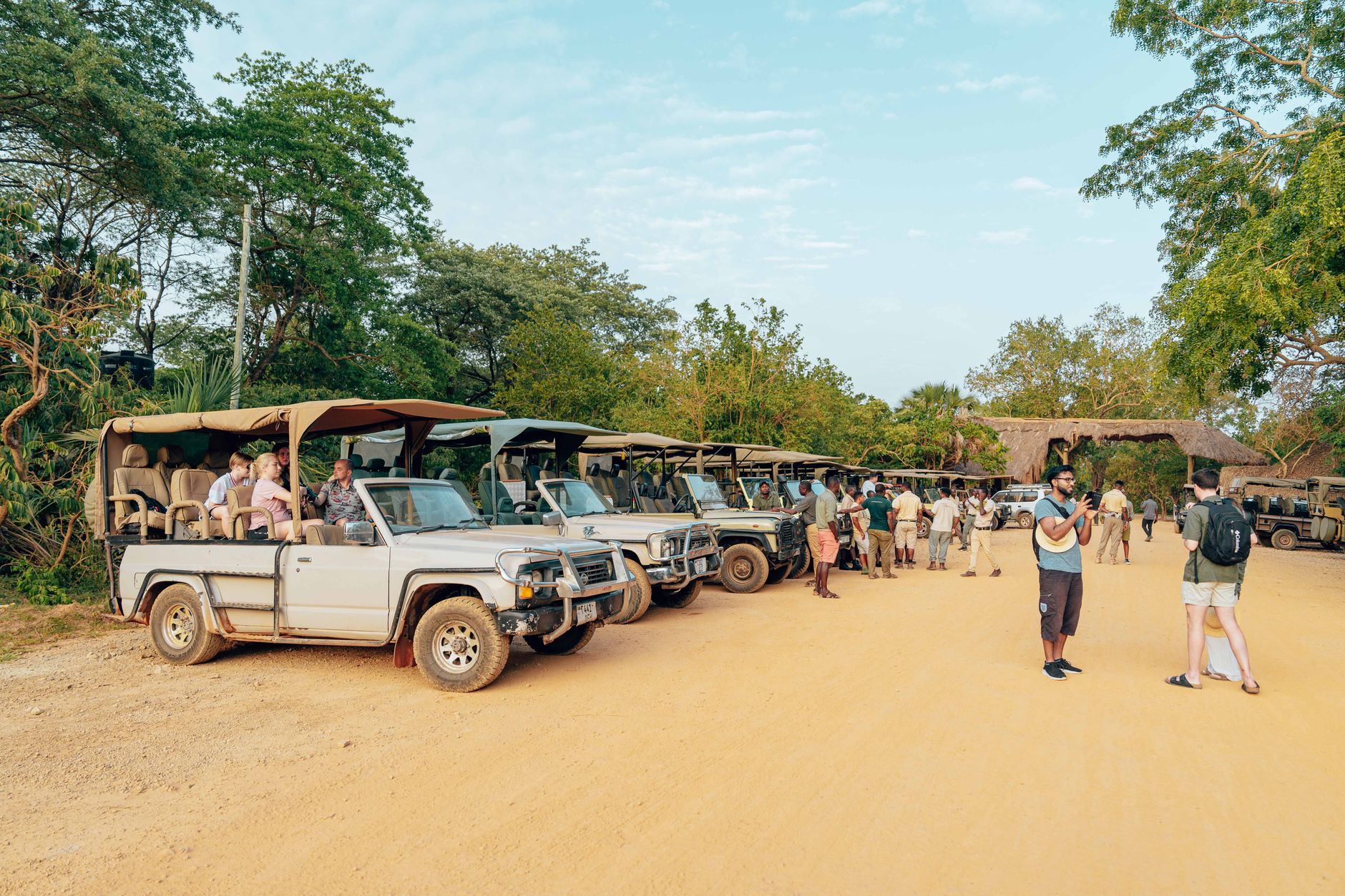
The name Marangu translates as 'a place with many water streams,' and the town earns it — rivulets cut through banana groves and coffee terraces on the southern slopes of Kilimanjaro, feeding falls that drop roughly forty metres in two clean plunges a short walk from the centre. Most people arrive with their eyes fixed on the mountain, but Marangu has its own gravity: a Chagga cultural museum, a farmhouse-turned-hotel with more than a century of climbing history, and caves that once sheltered whole communities during Chagga-Maasai conflicts.
At around 30,000 people, it is compact enough to cover on foot in a day, yet layered enough to reward a second. The Marangu Gate — entry point for the only hut-to-hut route up Kilimanjaro — sits about an hour's drive from Moshi, and the town itself is 39 km from that city, 119 km from Arusha.
💛 What travellers fall for
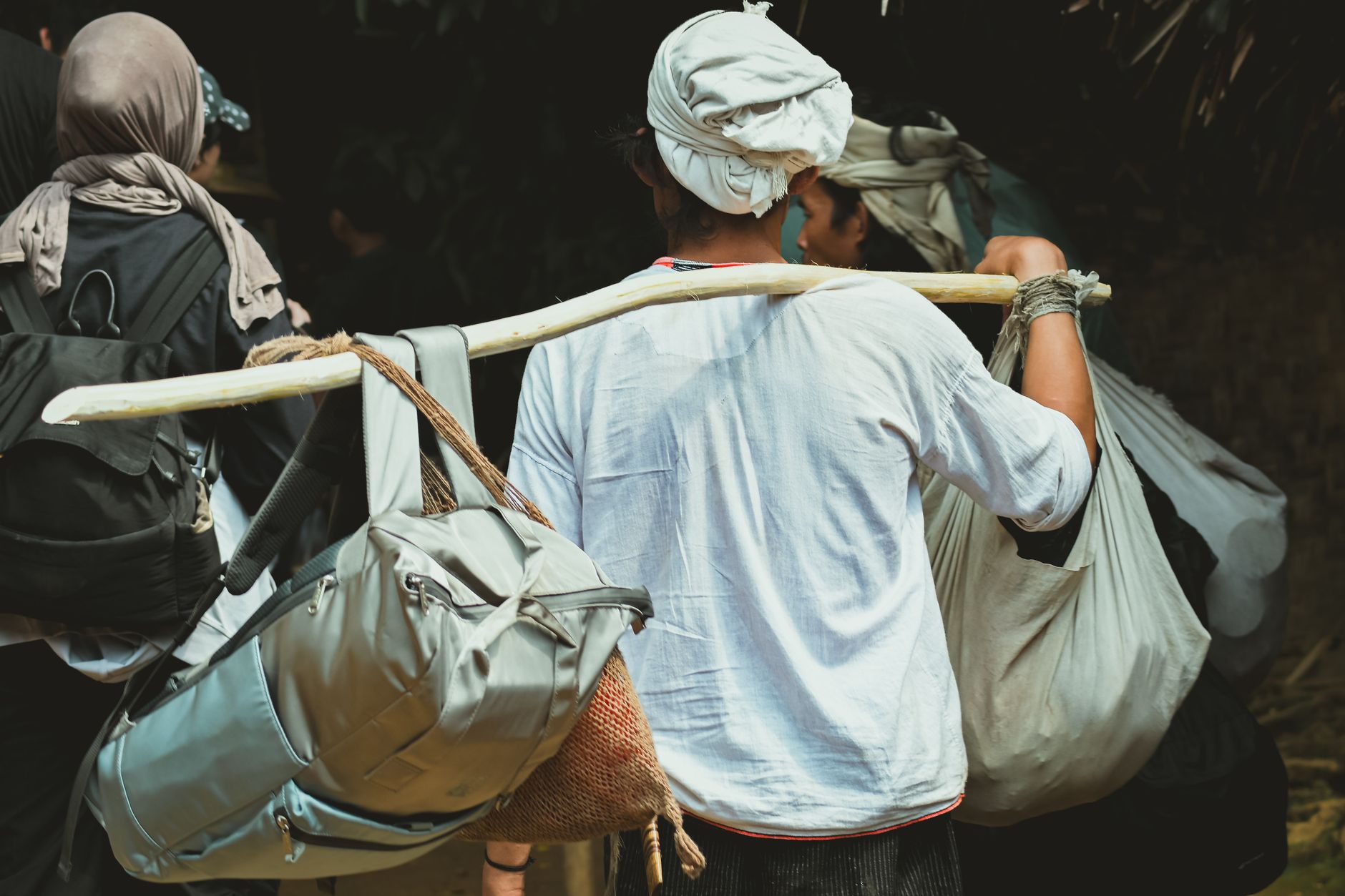
People who come back tend to mention the same things: arriving at Marangu Hotel early enough to watch porters sort and weigh kit in the courtyard before dawn, and stopping at Kilema Mission on the way out to see the coffee tree an Irish missionary planted a century ago — easy to miss, worth the detour.
Deals in Marangu
Book directly at the provider

How Marangu came to be
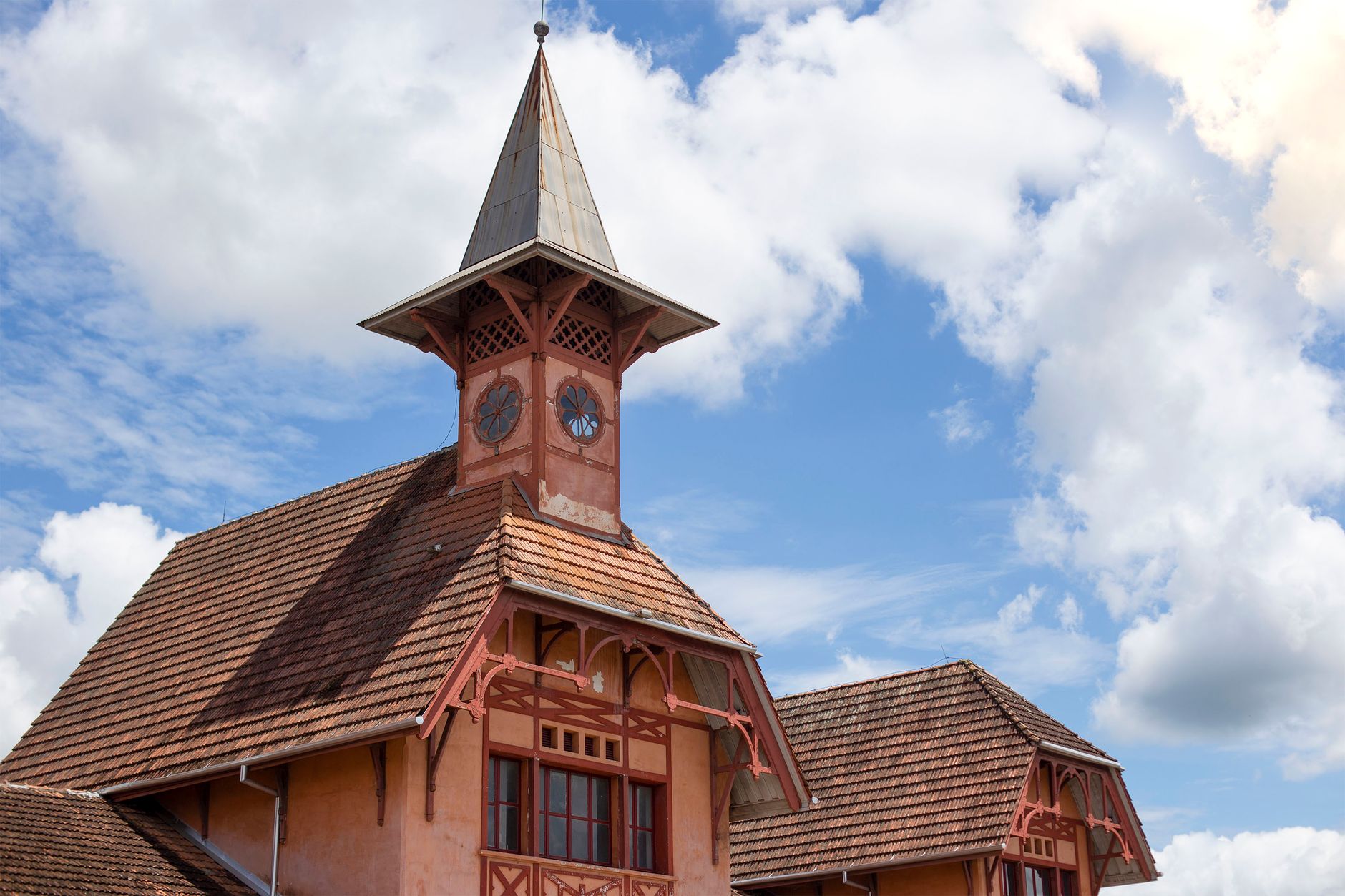
Hans Meyer set out from Marangu in 1889 for the first recorded ascent of Kilimanjaro, and the town has been the mountain's threshold ever since. In 1907, Martin Lany — a Czech tradesman working in Lutheran missions — bought land from Chief Marealle and planted a coffee farm on what is now the grounds of Marangu Hotel, one of the earliest organised Kilimanjaro climbing outfitters. Before Tanzanian independence in 1961, Marangu served as headquarters of the Vunjo district under Chief Petro Itosi Marealle and later Paramount Chief Thomas Marealle, installed in 1951.
Thomas Lenana Marealle, born here on 15 June 1915, became the Chagga paramount chief and remains the town's most prominent historical figure. Kinyala Johannes Lauwo, born in 1871 and widely credited as the first person to reach Kibo Peak, lived to 125 and died in 1996 — his longevity as remarkable as his climb.
Who and what shaped it
People who shaped it
Landmark buildings
See Marangu in motion
Plan your visit
On the map
When to go
Marangu averages around 19°C annually, with February days reaching 28°C and July — the coolest, driest month — settling around 22°C by day and 13°C at night. The long rains run March through May, with March the wettest at over 230 mm; if you are trekking, the dry season months offer the most stable conditions, though the hut route remains open year-round.
Right now
Background & history adapted from Wikipedia (CC BY-SA) · specs from Wikidata (CC0) · weather from Open-Meteo · map data © OpenStreetMap contributors · photos from Wikimedia Commons / Unsplash with per-image credit. No third-party reviews or social posts reproduced.