
Marabá
Marabá sits where the Itacaiunas river pours into the Tocantins, and that confluence is the reason everything here exists. A merchant named Francisco Coelho put up a trading post at this junction in 1898 — he called it Casa Marabá, after a Gonçalves Dias poem — and the city that grew from it still carries the shape of its origins. Old Marabá, the original riverbank district, forms a Y when seen from above, its streets tracing the fork of two rivers.
The city has been flooded, rebuilt, connected to highways, and plugged into the steel industry. It feeds you tacacá and açaí, and its nicknames — Land of the Chestnut, Poem City, Capital of Carajás — each point to a different chapter of the same restless story.
💛 What travellers fall for
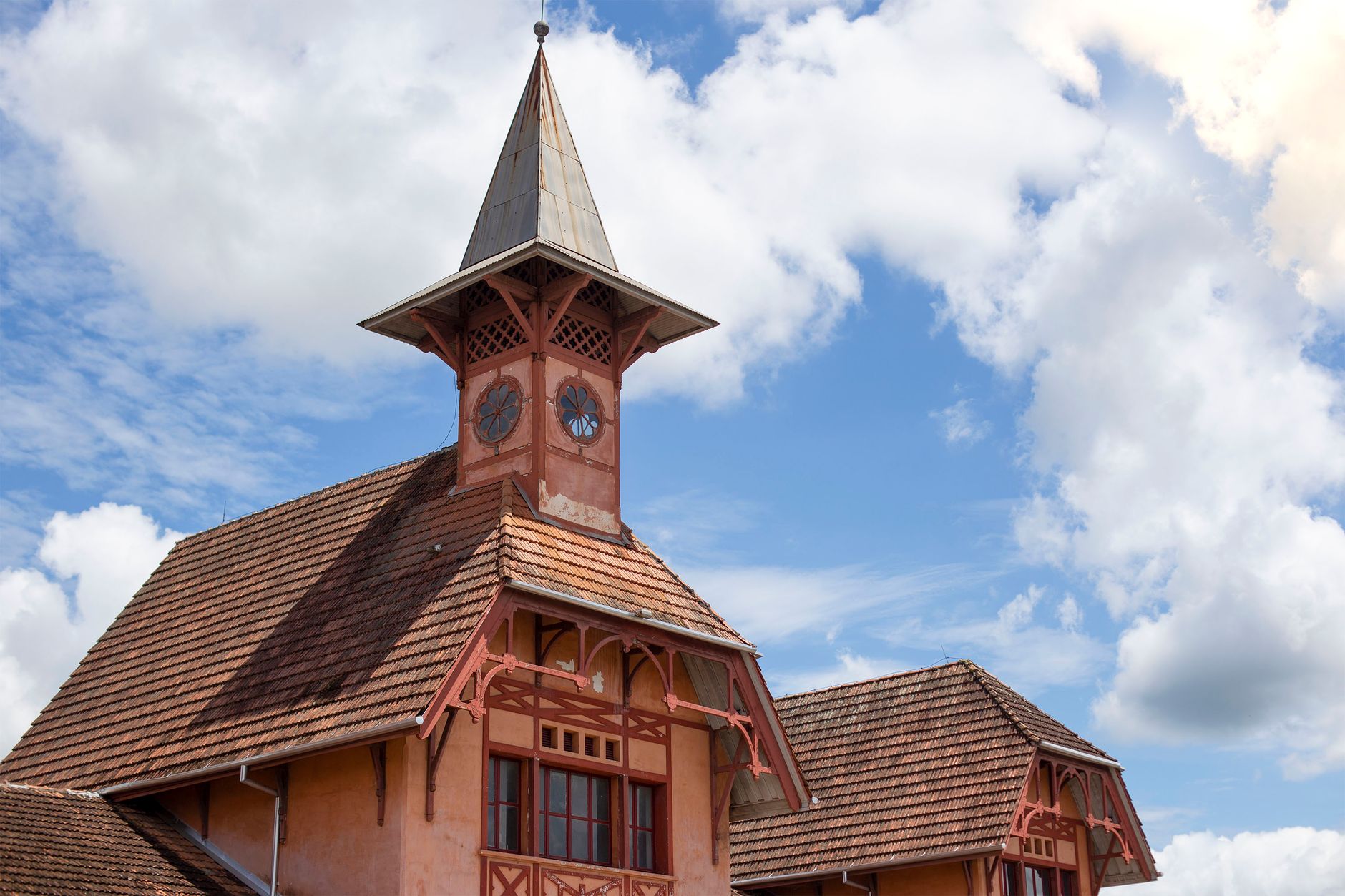
People who come back tend to spend time in Marabá Pioneira rather than the newer nuclei — the old district has the Palacete Augusto Dias, the rebuilt Igreja de São Félix de Valois, and the Casa da Cultura with its indigenous ceramics. The five urban nuclei each feel like a different town; orienting yourself to that early saves confusion.
Deals in Marabá
Book directly at the provider

How Marabá came to be
Francisco Coelho's 1898 trading post was a pragmatic bet on geography: two rivers meeting meant cargo moving in every direction, and the Brazil nut trade made that calculation pay. The municipality was created on 27 February 1913 and formally installed on 5 April the same year — the date still marked as its anniversary. City status followed in 1923.
For decades the economy rose and fell with the chestnut harvest. A wood-fired power plant lit the streets in 1929; the first plane landed in 1935. The 1969 highway connection to Belém changed the pace of everything, and the catastrophic 1980 flood reset it again. By 1988 the city was pivoting toward pig iron and steel — a different kind of extraction, a different kind of city.
Who and what shaped it
People who shaped it
Landmark buildings
See Marabá in motion
Plan your visit
On the map
When to go
Marabá is hot year-round, with the dry season running June through October and temperatures that can reach 42°C in September. The rainy season, December through April, brings relief from the heat but up to 325 mm of rain in March alone; May, June, July, and November offer the most workable conditions.
Right now
Background & history adapted from Wikipedia (CC BY-SA) · specs from Wikidata (CC0) · weather from Open-Meteo · map data © OpenStreetMap contributors · photos from Wikimedia Commons / Unsplash with per-image credit. No third-party reviews or social posts reproduced.