
Manaus
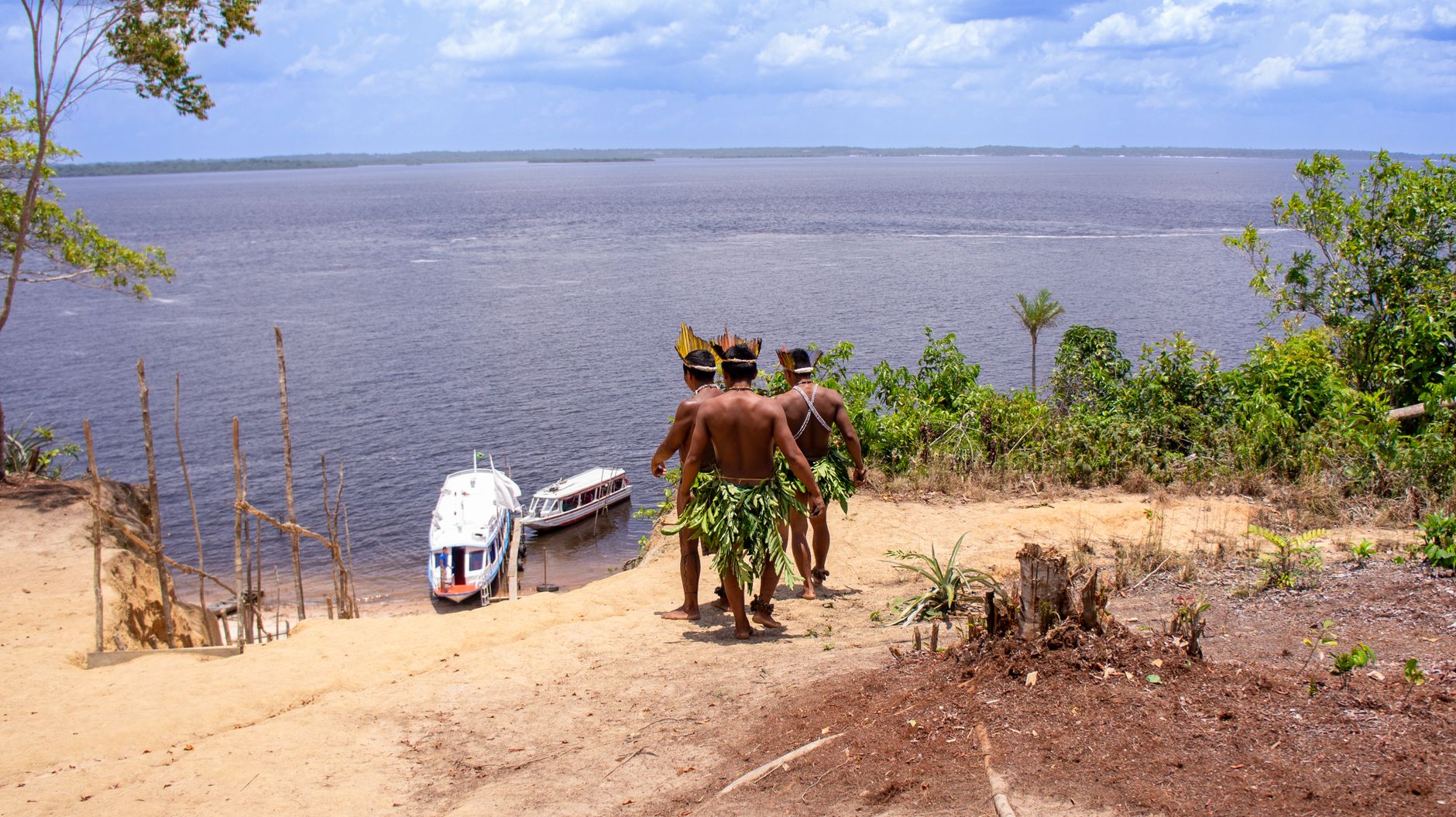
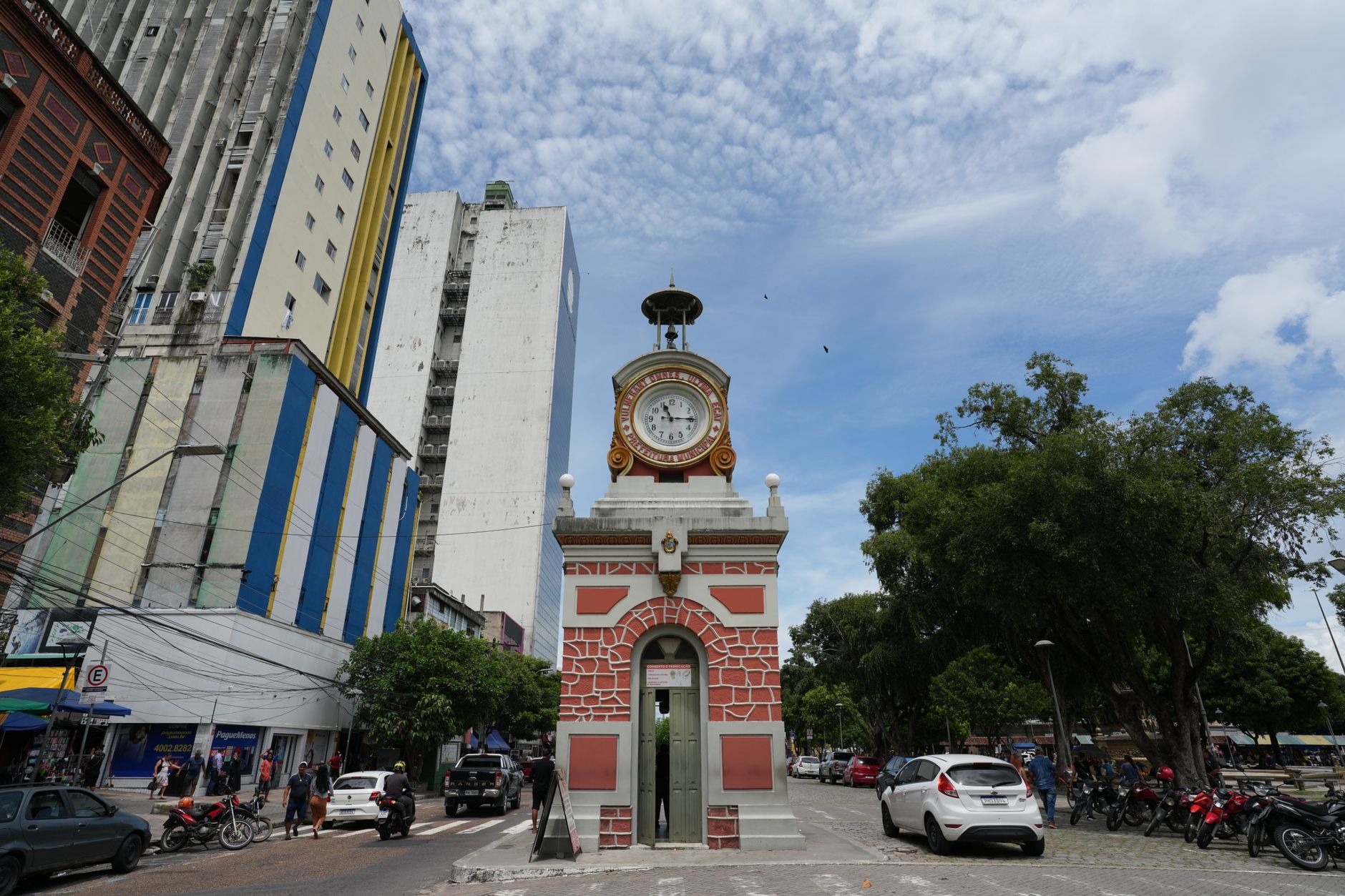
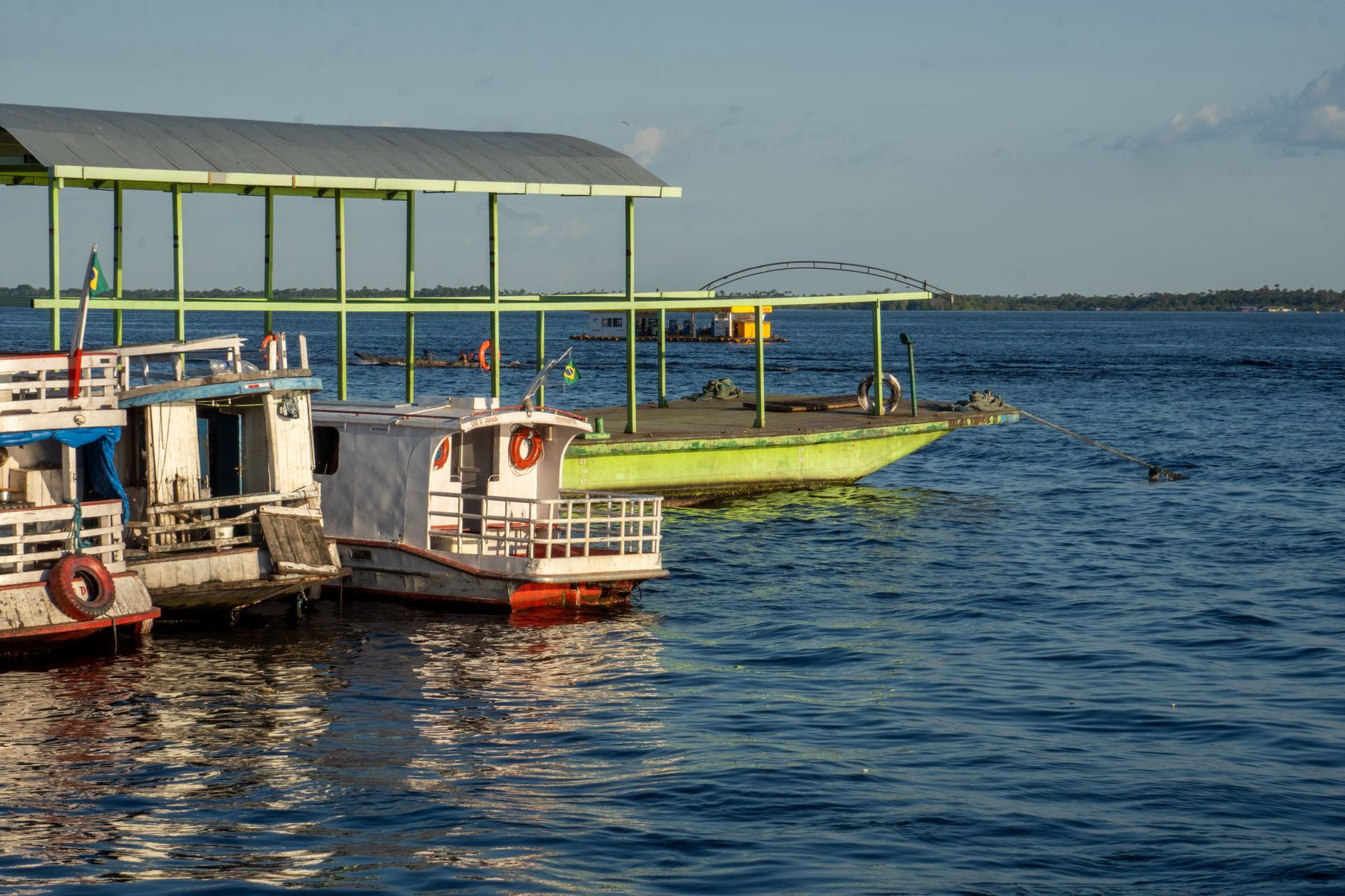
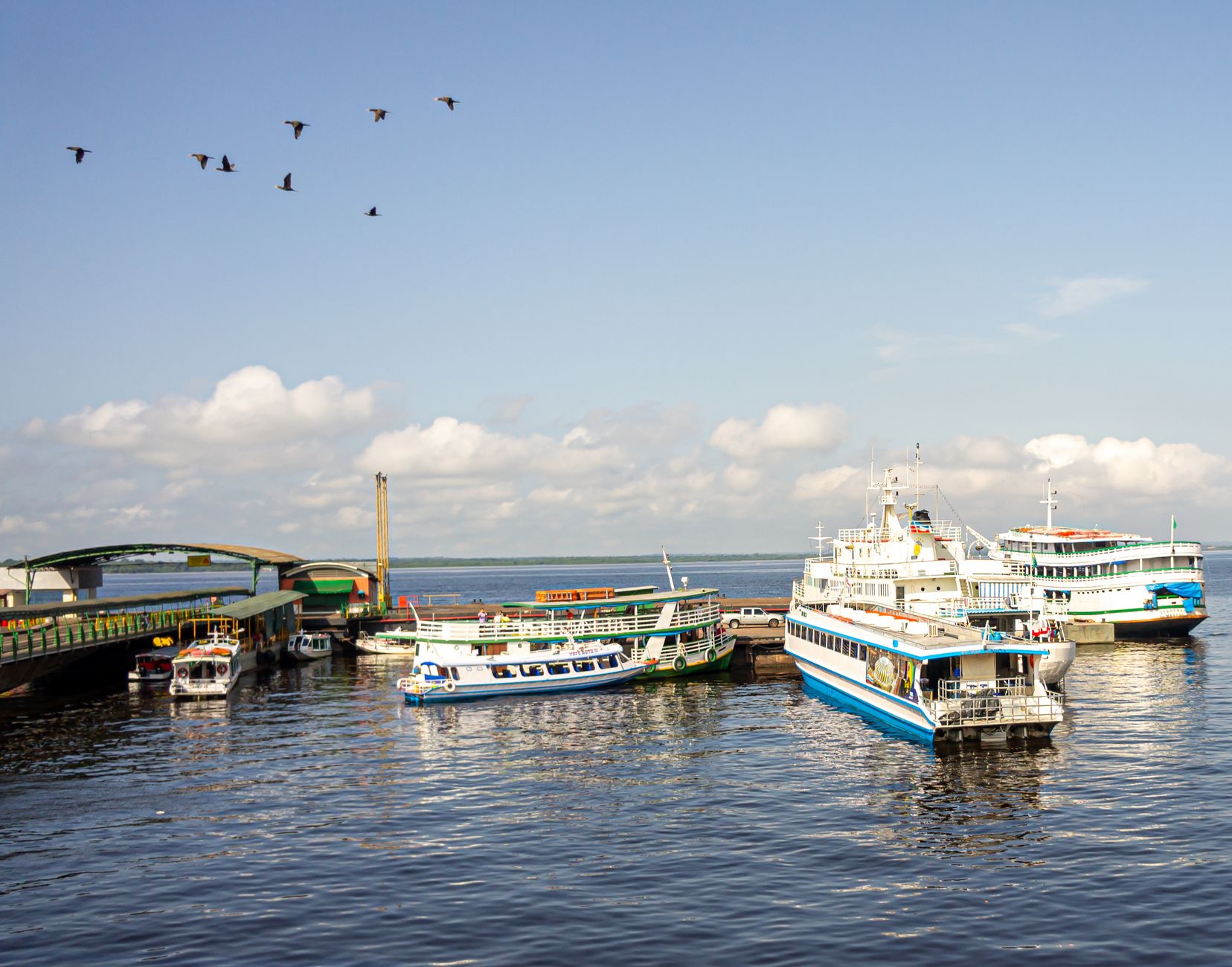
Manaus sits in the middle of the Amazon basin, roughly 1,500 kilometres from the nearest ocean, and yet the river here runs so wide you can lose the far bank in haze. The city grew up on the left bank of the Negro — dark, tea-coloured water, stained by tannins from decomposing forest — and that river still shapes everything: the smell of the air, the rhythm of the market, the way the city floods and retreats with the seasons.
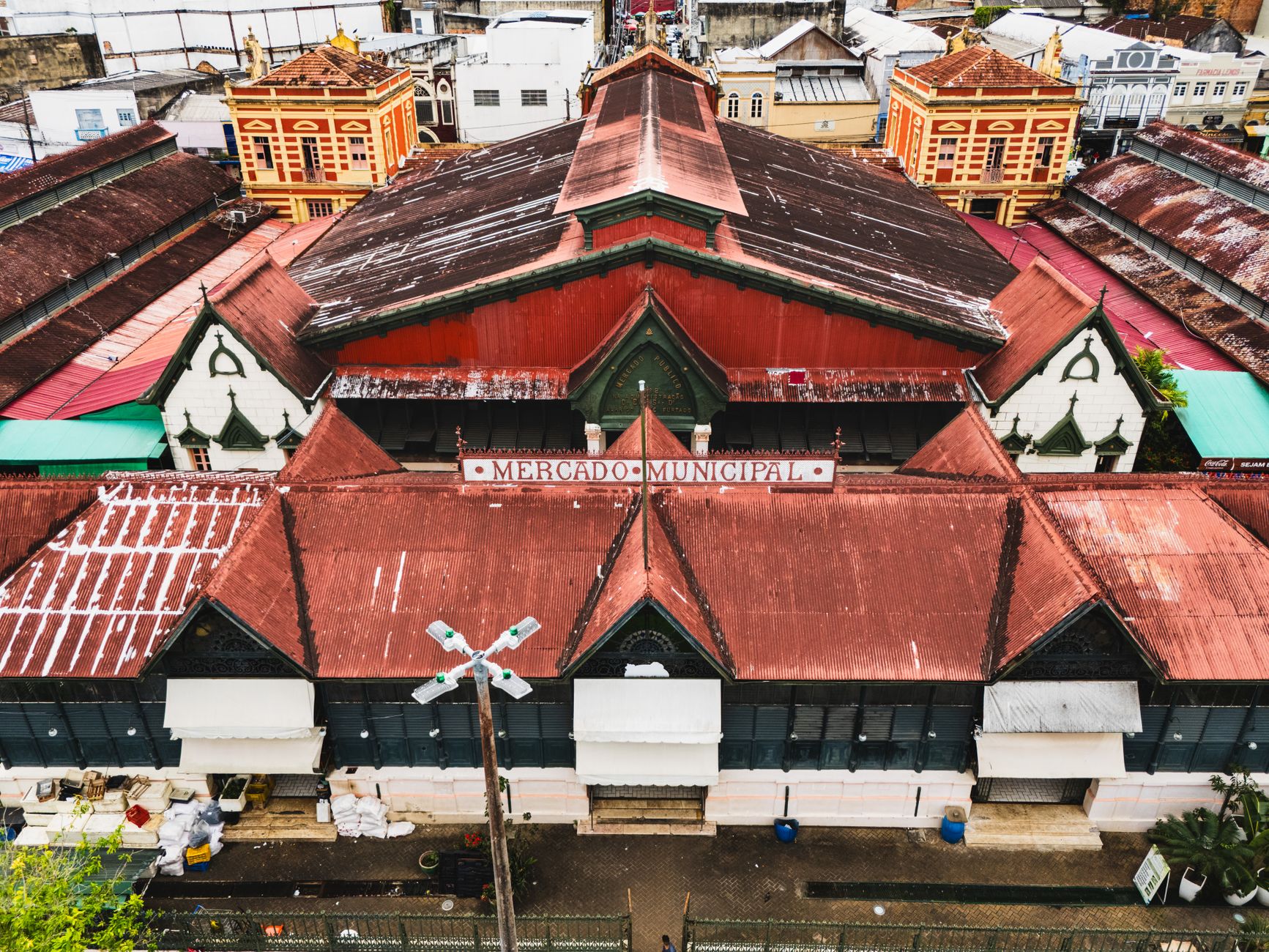
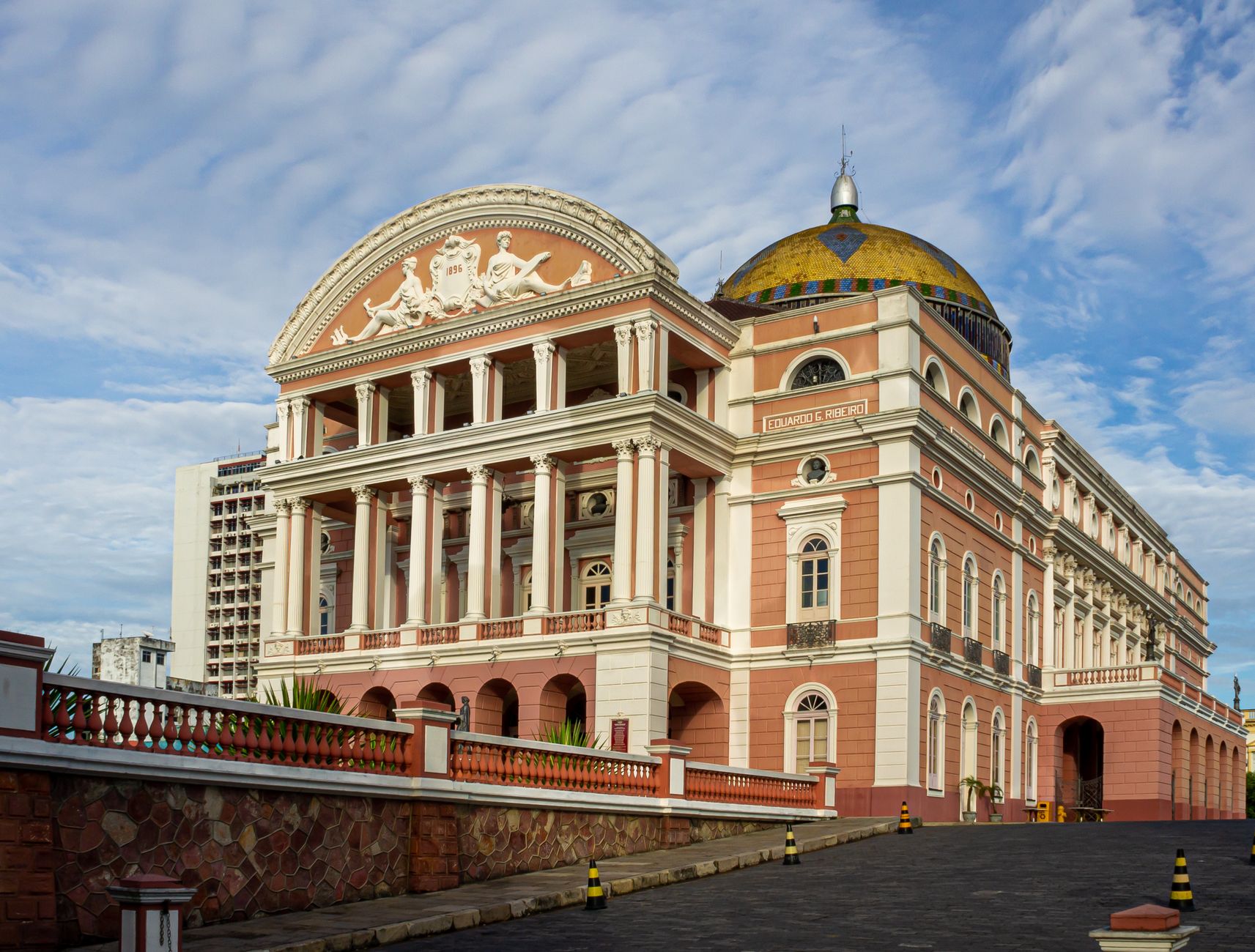
What most people come for is the jungle at the door, but Manaus itself rewards a slower look. A Renaissance Revival opera house built during a rubber boom, a cast-iron market modelled on Les Halles, a cathedral that predates both — the city carries its improbable past in stone.
💛 What travellers fall for
People who return tend to catch the Meeting of the Waters at different river levels — the line where black Negro water meets brown Solimões shifts and sharpens depending on the season. They also learn to time the Teatro Amazonas tour early, before the midday heat settles into the Praça São Sebastião, and to linger at the Mercado Adolpho Lisboa for the fish stalls in the morning.
Deals in Manaus
Book directly at the provider


How Manaus came to be
A Portuguese artillery captain named Francisco da Mota Falcão built the Fort of São José da Barra do Rio Negro here in 1669, the colonial logic being straightforward: control the mouth of the western Amazon before the Dutch or Spanish could. The settlement grew slowly for two centuries, acquiring town status in 1832 and city status in 1848, before it was renamed Manaus in 1856 to honour the Manaó people who had lived on these rivers long before any fort existed.
The transformation came with rubber. By 1910 the population had reached nearly 100,000, and the money that flowed through the city was spectacular enough to fund an opera house — proposed in 1881, completed and inaugurated on New Year's Eve 1896 — designed by Italian architect Celestial S. Sacardim after the Palais Garnier. When wild rubber collapsed in 1911, Manaus contracted almost as fast as it had grown. The Free Trade Zone established in 1967 eventually brought a different kind of industry, but the Teatro Amazonas, restored twice since then, remains the city's most legible record of what the boom looked like.
Who and what shaped it
People who shaped it
Landmark buildings
See Manaus in motion
Plan your visit
On the map
When to go
Manaus is tropical year-round, with temperatures holding between 27°C and 34°C regardless of season. The real variable is rain: April is the wettest month and the river runs highest, while July through October brings drier air, lower water, and more accessible forest trails — the window most visitors aim for.
Right now
Background & history adapted from Wikipedia (CC BY-SA) · specs from Wikidata (CC0) · weather from Open-Meteo · map data © OpenStreetMap contributors · photos from Wikimedia Commons / Unsplash with per-image credit. No third-party reviews or social posts reproduced.