
Maiori
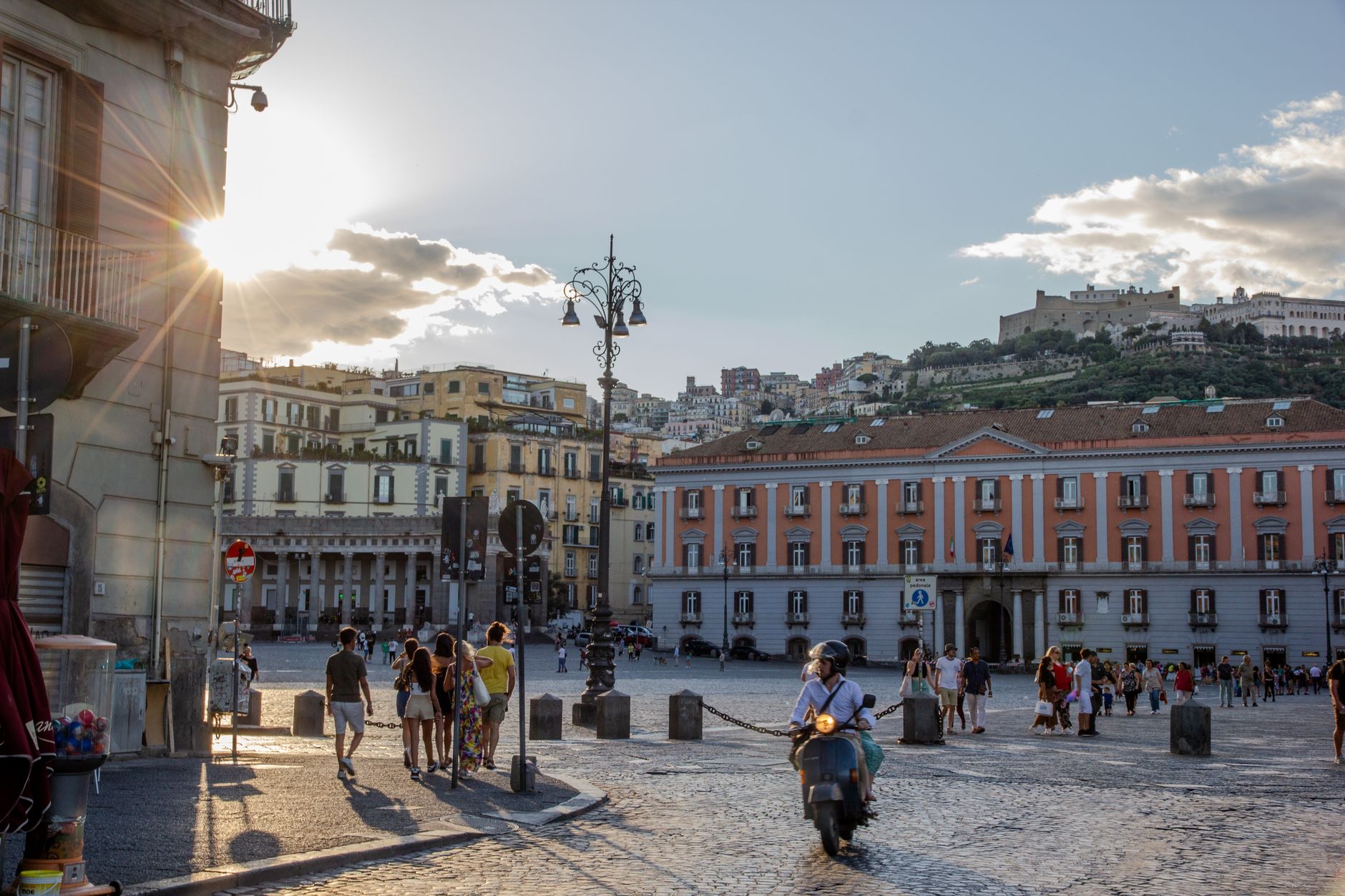
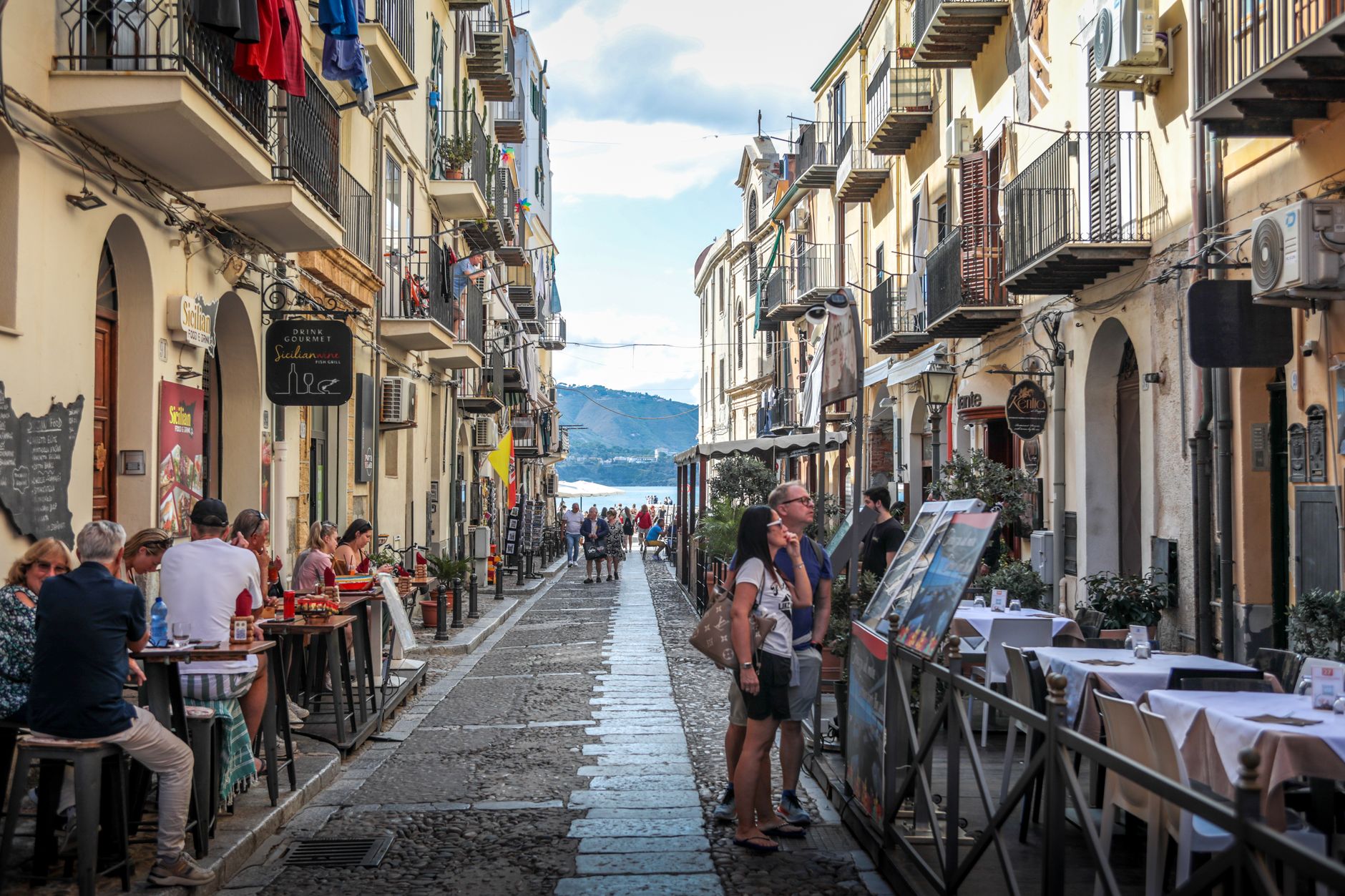
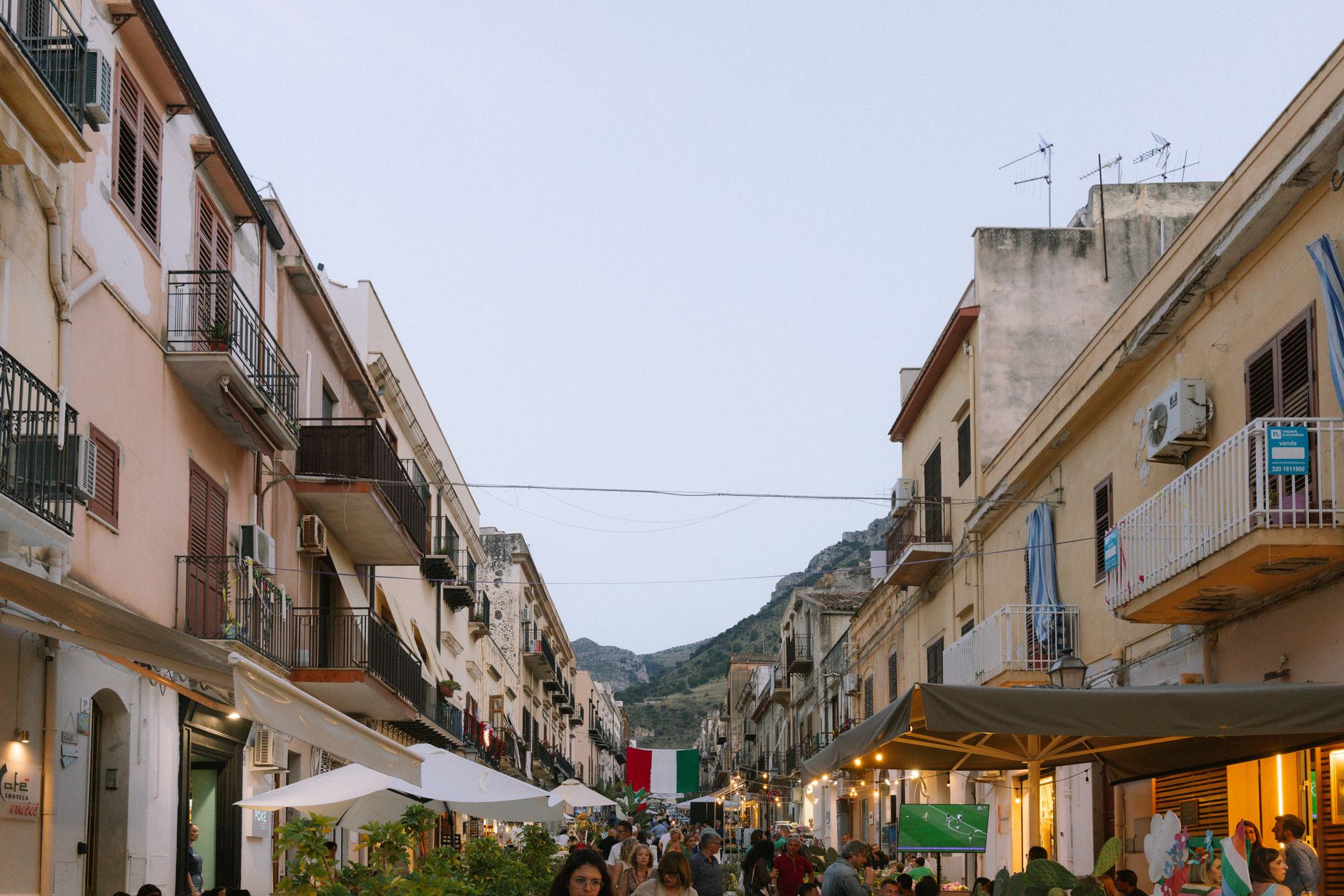
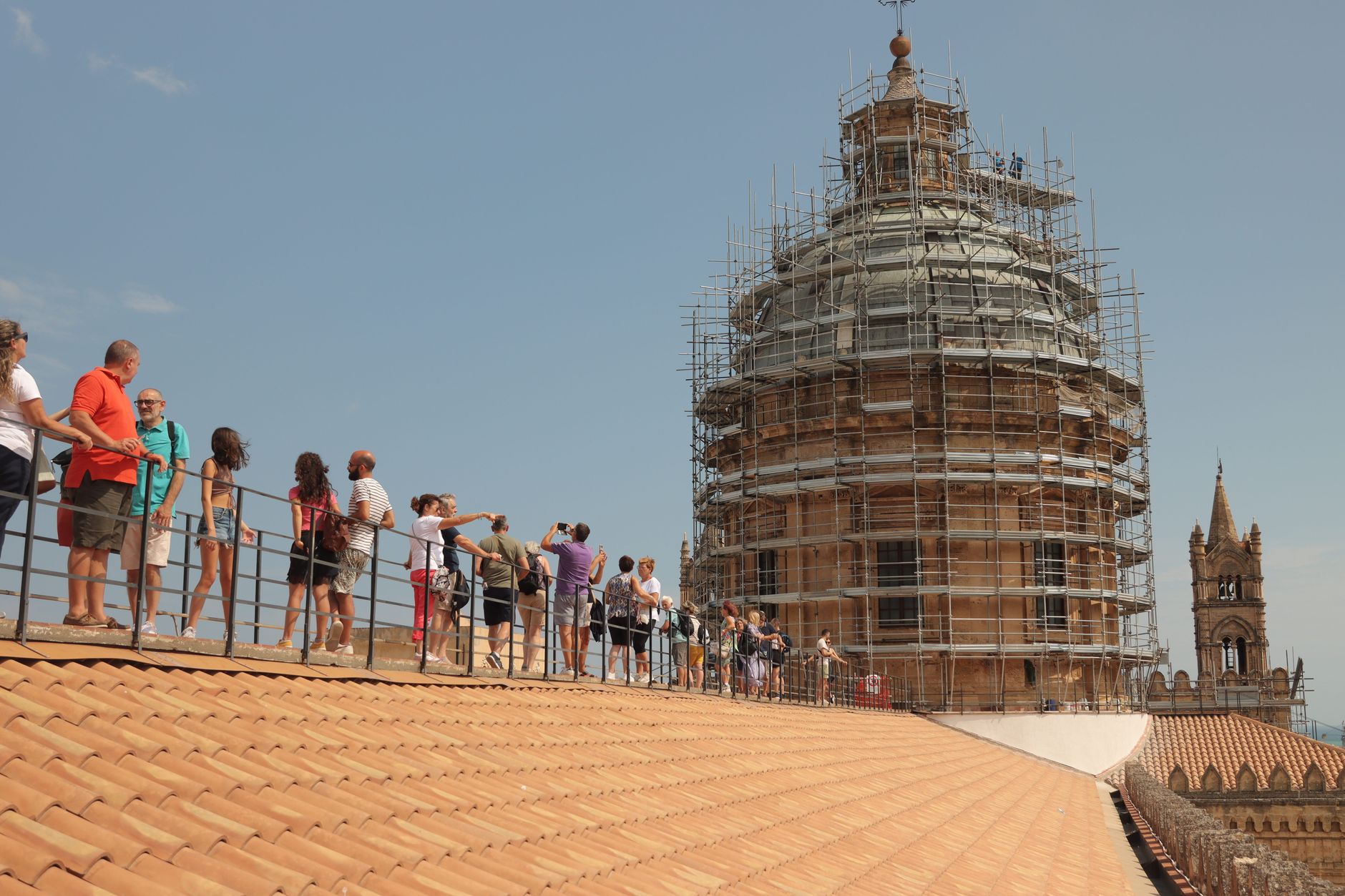
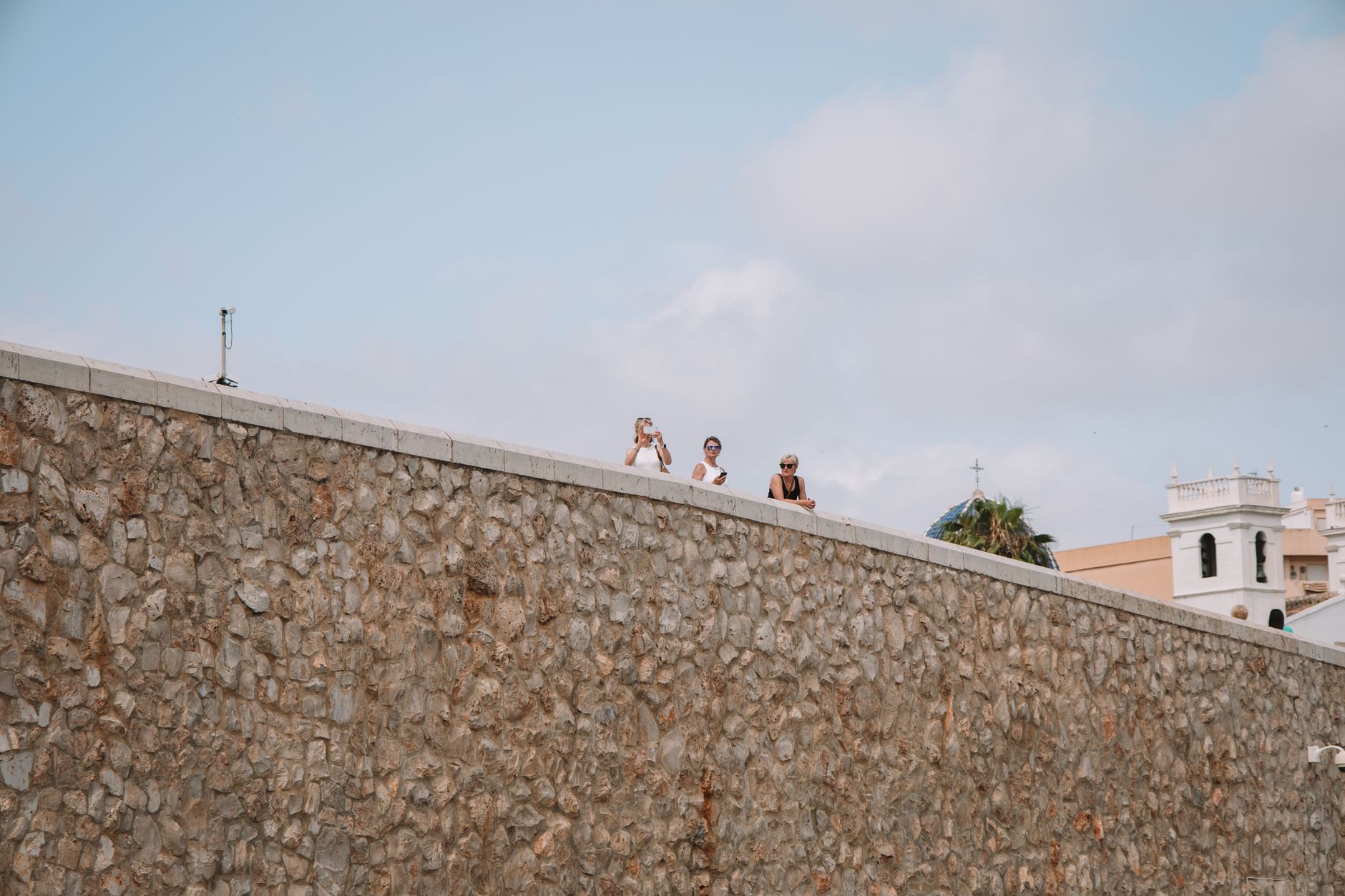
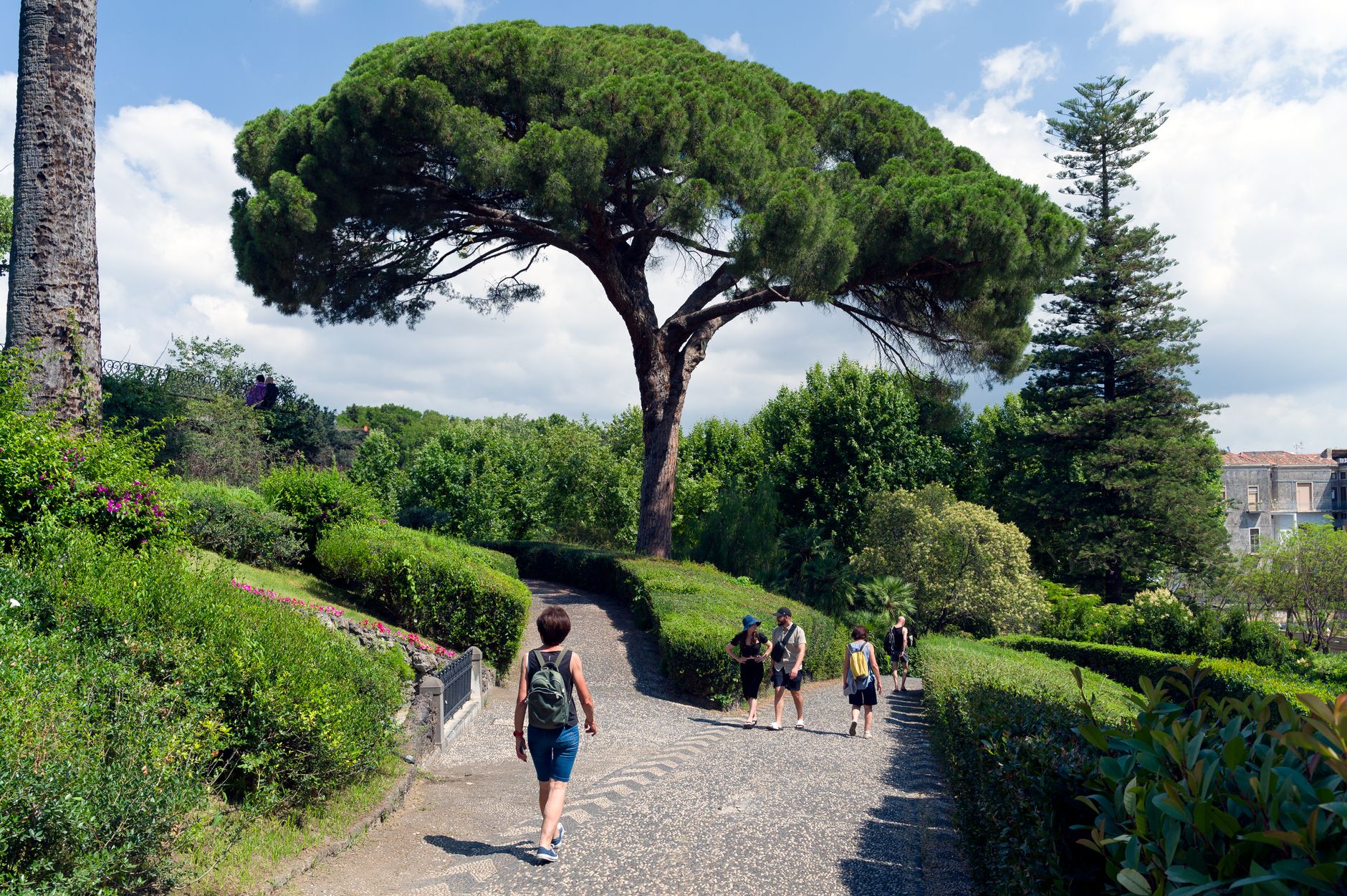
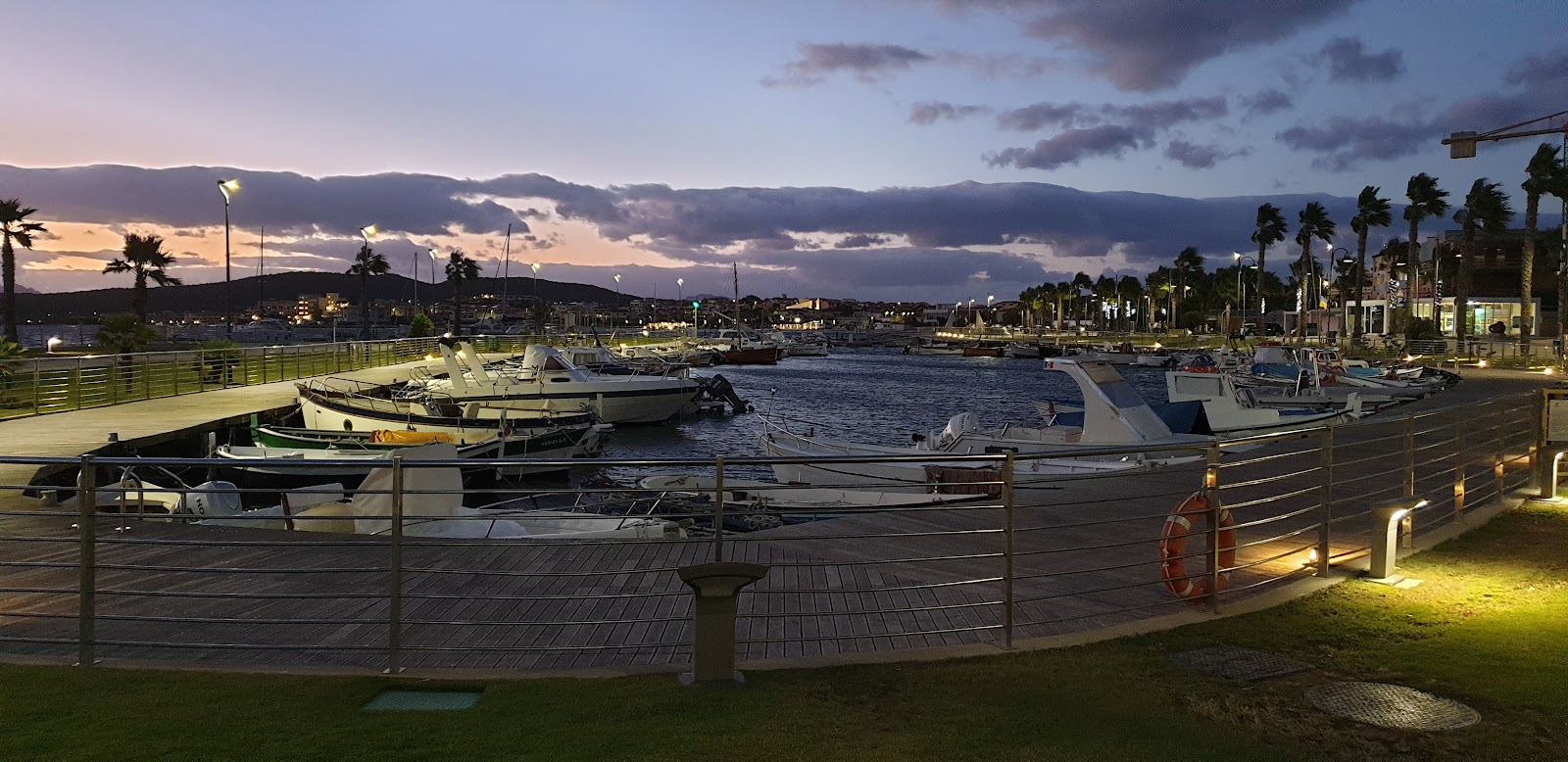
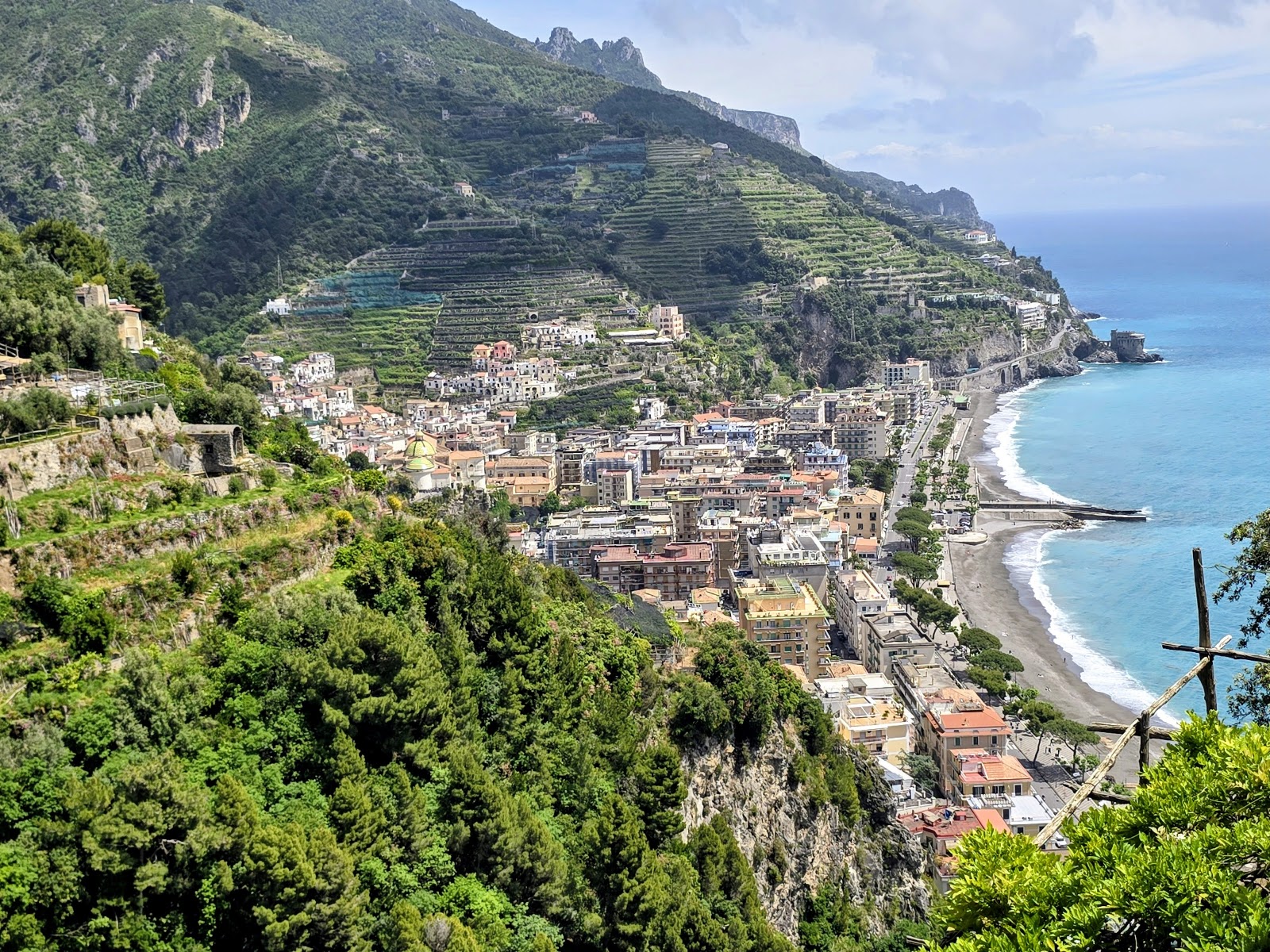
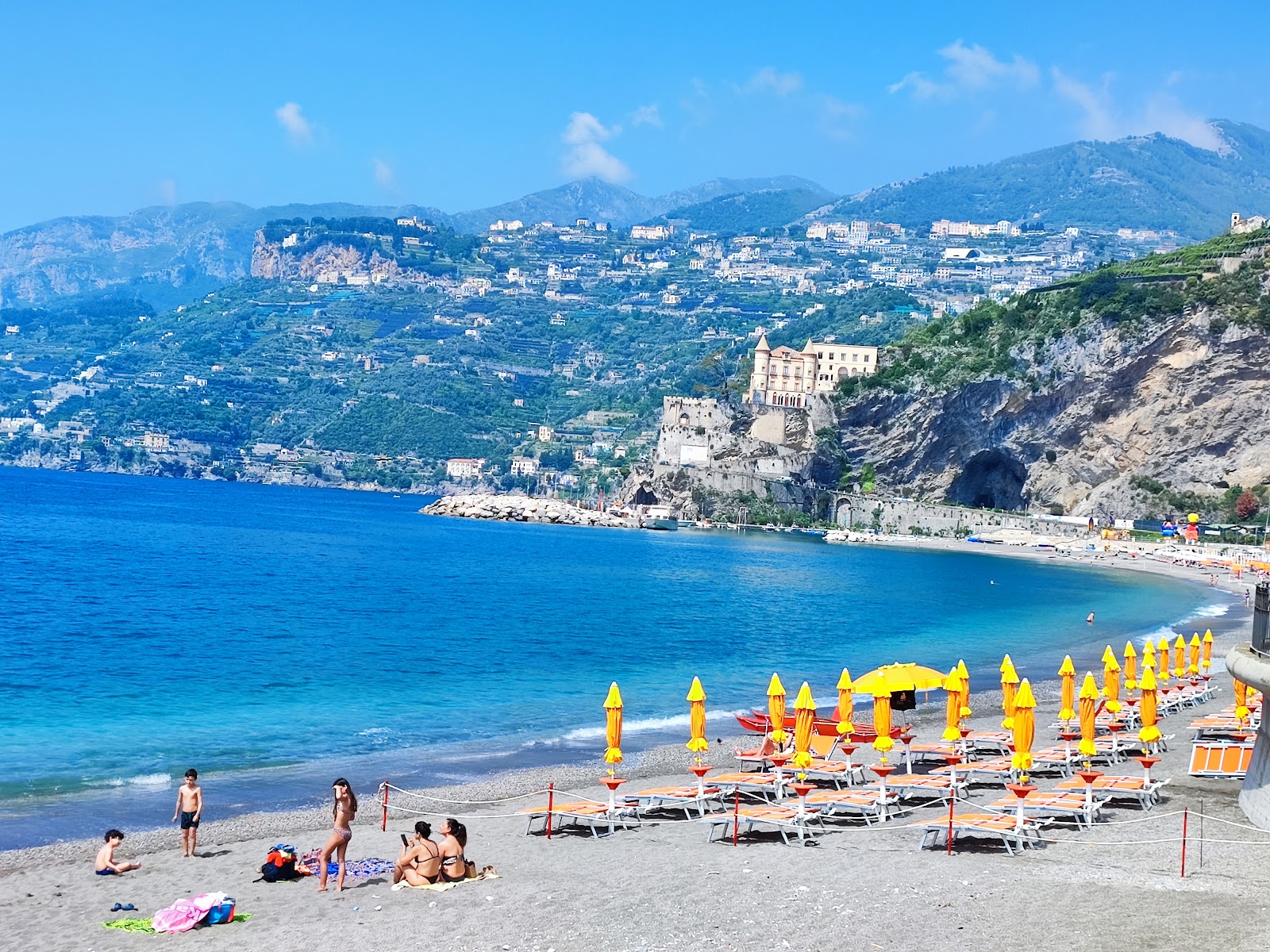
Maiori has the longest unbroken beach on the Amalfi Coast — a full kilometre of sand and gravel that stretches where most other towns manage only a sliver of shore. The promenade runs beside it for over 300 metres, lined with colourful palazzi and fishing boats, and the main street, Corso Reginna, carries a name the Romans left behind when they called this place Rheginna Maior.
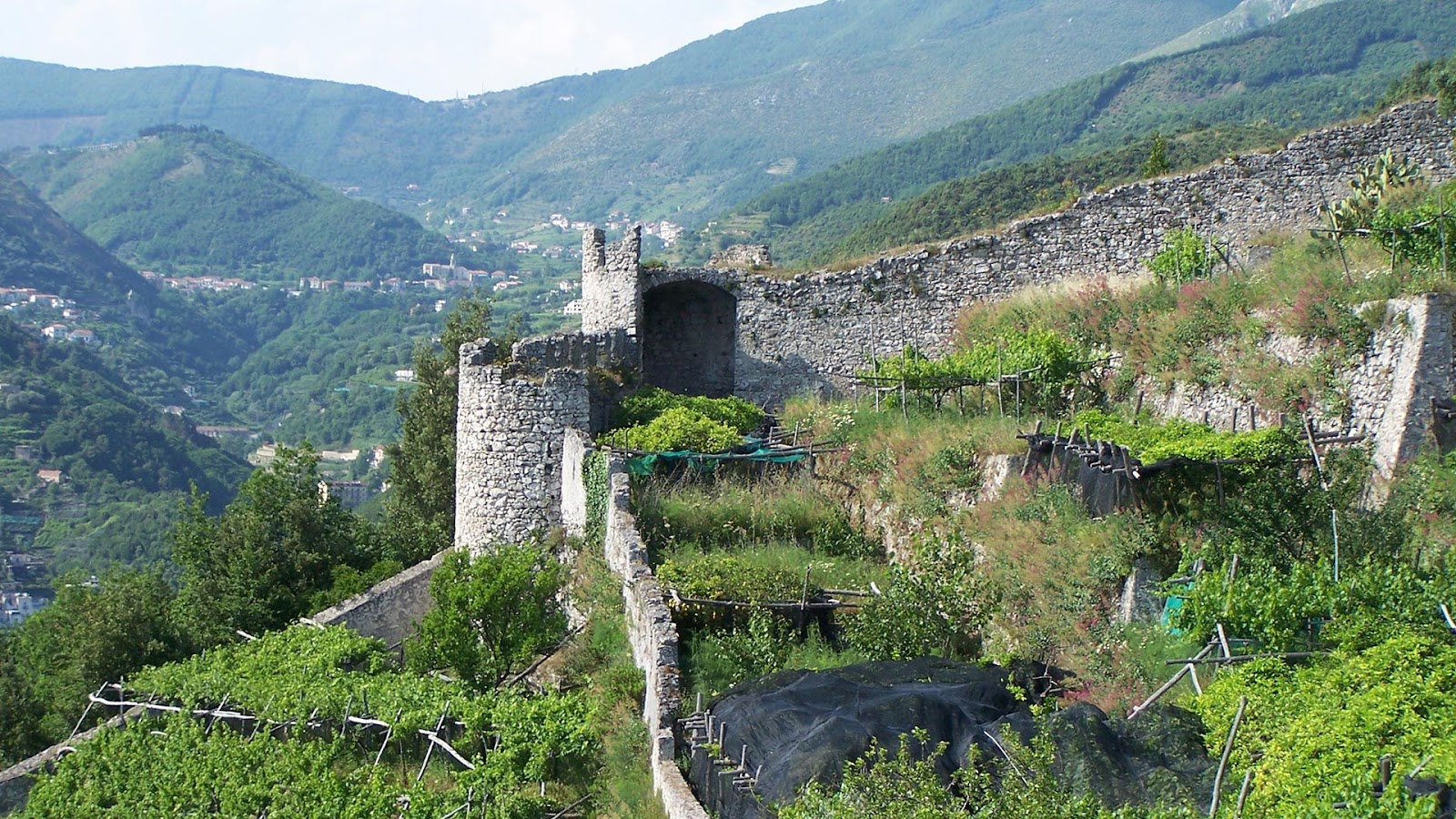
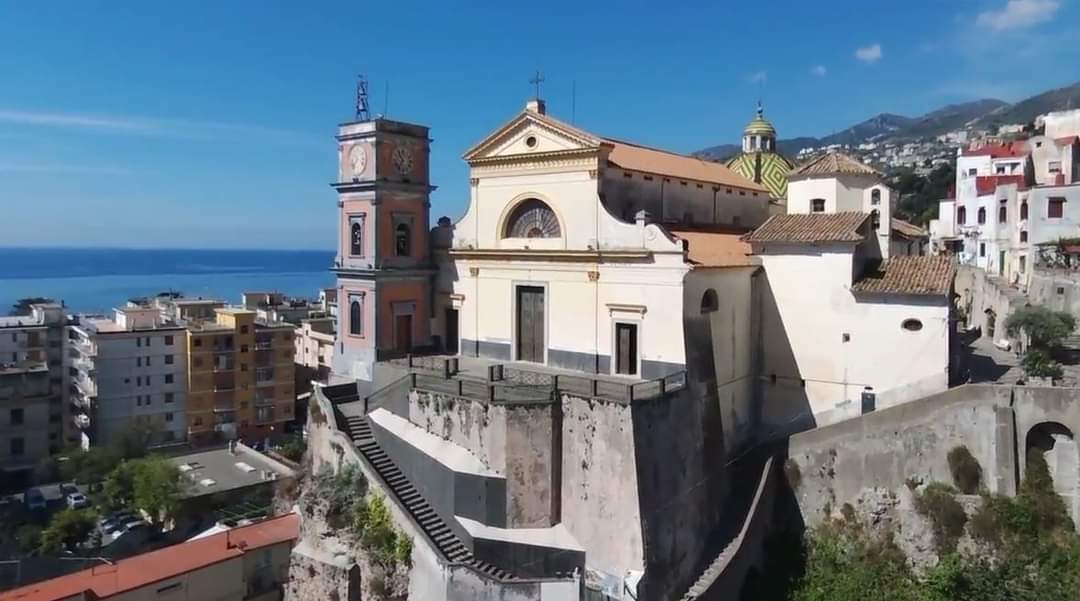
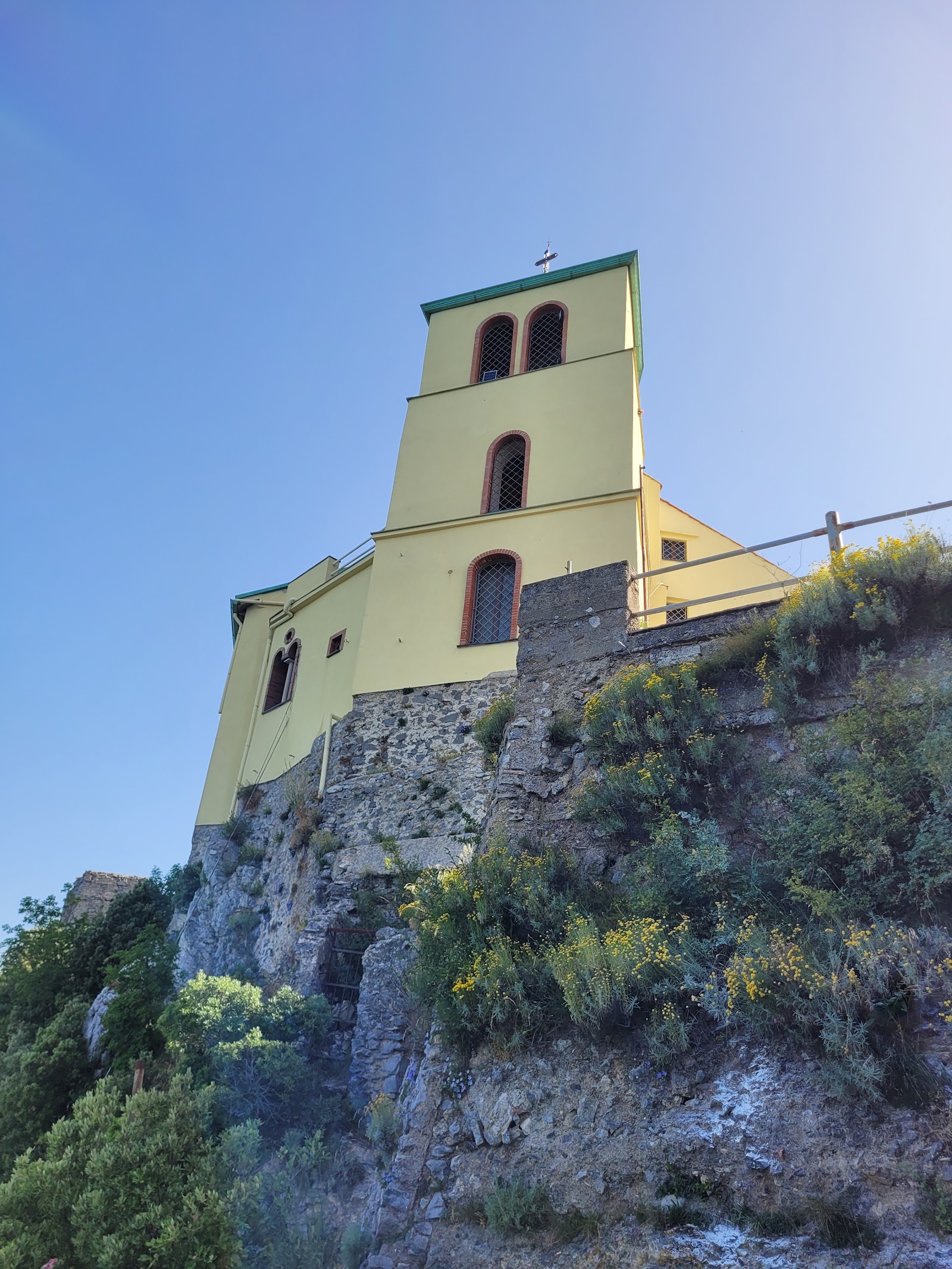
This is not a town that shouts. It was rebuilt largely from scratch after a catastrophic flood in 1954, so the architecture is plainer than its neighbours. What it kept is older and stranger: a rock-hewn abbey with 11th-century frescoes, a Norman tower on the skyline, and a church that has been finding and losing itself to the river since 596 AD.
💛 What travellers fall for
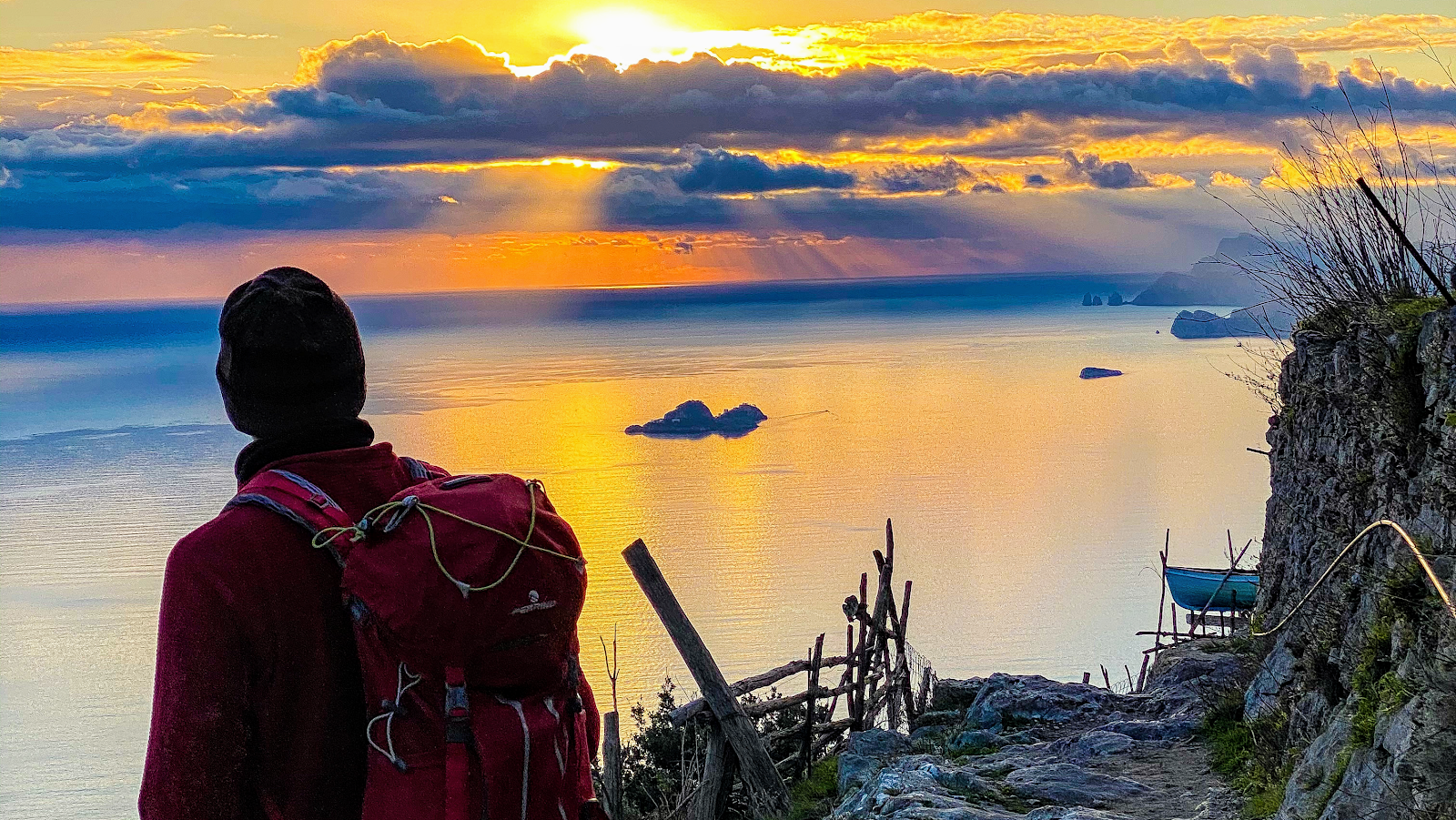
People who come back tend to mention the same things: the abbey of Santa Maria de Olearia, which most visitors miss entirely, and the Sentiero dei Limoni — a 2 km path through lemon groves to Minori that takes about an hour and earns a long lunch at the other end. The beach, they say, is the place to be in the early morning before the day-trippers arrive.
Experiences you don't want to miss


Deals in Maiori
Book directly at the provider
How Maiori came to be
The Romans knew this place as Rheginna Maior, and the name never really left — the river is still called Reginna, and so is the main street. Between 830 and 840 AD, Maiori joined the emerging Duchy of Amalfi while keeping its own administrative identity, and it became the seat of the Republic's admiralty, customs house, salt deposit, and arsenals. The Castle of San Nicola de Thoro Plano went up around the same time, built as a refuge after the death of Longobard Duke Sicardo.
The duchy fell to Norman forces under Robert Guiscard in 1073, and Maiori was sacked by the Pisani in 1268. It passed through the Principality of Salerno and the Kingdom of Naples before Philip IV of Spain granted it the status of royal city in 1662. The flood of 1954 erased much of what centuries had built, but the abbey in the cliffs and the Norman tower on the hill survived.
Who and what shaped it
People who shaped it
Landmark buildings
See Maiori in motion
Plan your visit
On the map
When to go
Summer runs warm and dry — July and August peak at around 28°C with up to 10 hours of sun and a sea temperature that reaches 26°C. Winter is mild but genuinely grey, with November the wettest month and January averaging less than four hours of sun a day.
Right now
↡ Attractions

Background & history adapted from Wikipedia (CC BY-SA) · specs from Wikidata (CC0) · weather from Open-Meteo · map data © OpenStreetMap contributors · photos from Wikimedia Commons / Unsplash with per-image credit. No third-party reviews or social posts reproduced.