
Macapá
Macapá is one of the few cities on earth where you can stand with one foot in each hemisphere. The Marco Zero monument marks the equator precisely, and twice a year — at the spring and autumn equinoxes — the sun rises and sets in perfect alignment with Avenue Equatorial, shining straight through it. The Amazon River is right there too, wide enough to look like an inland sea, and the old Trapiche Eliezer Levy pier stretches out into it as if the city is reaching toward Belém, which is 345 kilometres away but reachable only by boat or plane.
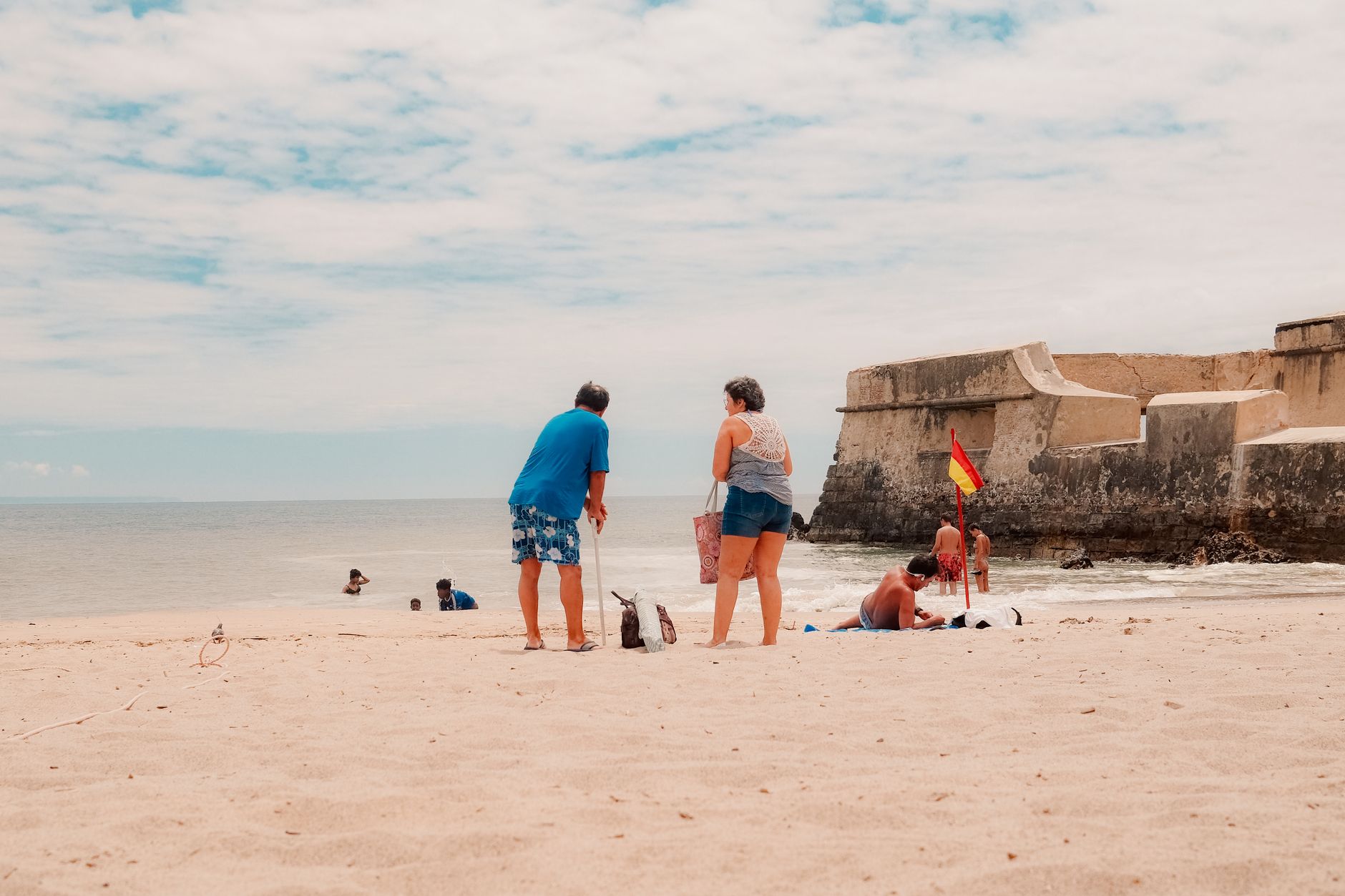
This is the capital of Amapá, Brazil's least-visited state, and it carries that distinction lightly. The Fortress of São José de Macapá still anchors the riverfront, its Vauban star walls intact after two and a half centuries. The Zerão stadium draws a crowd partly for football, partly for the novelty of a midfield line that runs exactly on the equator.
💛 What travellers fall for
People who come back tend to time it around the equinox — the alignment of light along Avenida Equatorial is the kind of thing you want to see more than once. They also point to the Sacaca Museum as the visit that actually lingers: the open-air reconstruction of ribeirinho and indigenous life, the medicinal plant gardens, the stilt houses over still water.
Deals in Macapá
Book directly at the provider

How Macapá came to be
The Portuguese arrived here in force in 1738, stationing a military detachment to hold the northern Amazon against European rivals. The town of São José de Macapá was formally founded on February 4, 1758, by Sebastião Veiga Cabral under the authority of Pará's governor Francisco Xavier de Mendonça Furtado — though the Igreja Matriz de São José had already been under construction since 1752, making it older than the city itself. The great star fort followed, built in Vauban style between 1764 and 1782 to control the Amazon Delta.
For most of its life Macapá was a distant appendage of Pará. That changed in 1943 when the federal government carved out the Territory of Amapá with Macapá as its capital, and again in 1988 when Amapá became a full Brazilian state. The first state legislators took office on January 1, 1991 — a remarkably recent birth for a city with an eighteenth-century fortress on its waterfront.
Who and what shaped it
People who shaped it
Landmark buildings
See Macapá in motion
Plan your visit
On the map
When to go
The dry season runs September to mid-November — October is the sweet spot, with only eight rainy days, temperatures peaking around 34°C and close to ten hours of sunshine daily. Avoid February through May if you can: rainfall tops 375 mm some months, humidity pushes into the mid-eighties, and the downpours are persistent rather than dramatic.
Right now
Background & history adapted from Wikipedia (CC BY-SA) · specs from Wikidata (CC0) · weather from Open-Meteo · map data © OpenStreetMap contributors · photos from Wikimedia Commons / Unsplash with per-image credit. No third-party reviews or social posts reproduced.