
Ludgershall
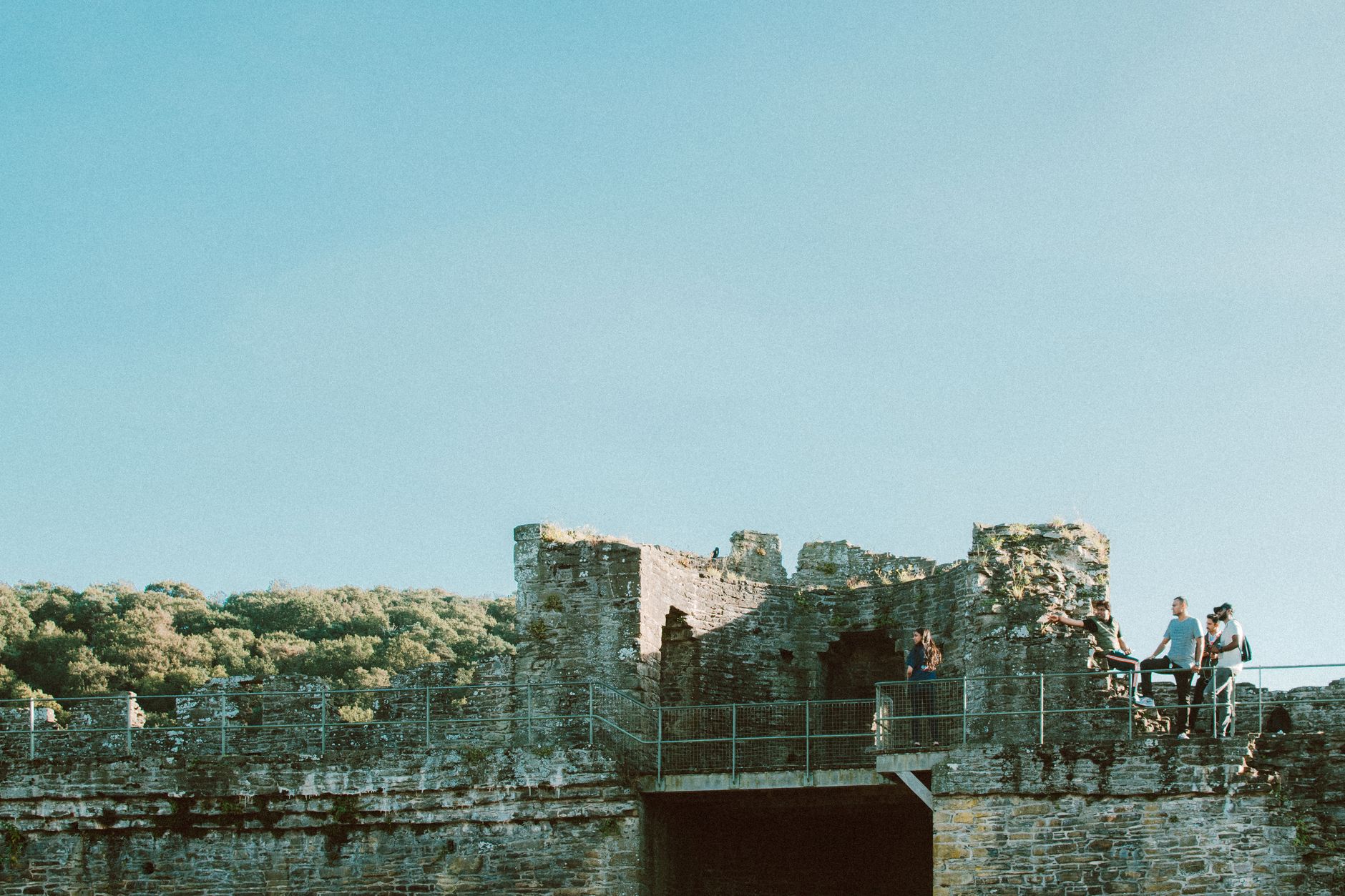

The name Ludgershall comes from an Old English phrase meaning roughly 'a nook of land where spears were set as animal traps' — which tells you something about how long people have been making use of this corner of Wiltshire. What you find today is a small town on the edge of Salisbury Plain, quietly carrying an outsized medieval past: a ruined royal castle that King John considered one of his five favourite residences outside London, a 14th-century preaching cross still standing at the end of the High Street, and a Grade I listed church whose oldest stonework goes back to the 12th century.
Ludgershall never made it big — its parliamentary borough was swept away by the Great Reform Act of 1832, its railway closed to passengers in 1961 — but that quiet diminishment is part of what makes it worth an afternoon.
💛 What travellers fall for
People who come back tend to spend time at the castle ruins before the English Heritage signage pulls their eye — just walking the earthworks and reading the scale of what Henry III kept improving across 21 visits. The Church of St. James rewards a slow look too: find the Tudor tomb of Sir Richard Brydges and his wife Lady Jane, a Spencer ancestor of Princess Diana, tucked in with the 12th-century stonework.
Deals in Ludgershall
Book directly at the provider


How Ludgershall came to be
Edward of Salisbury, sheriff of Wiltshire, likely raised the first castle here in the late 11th century. By 1103 it was in Crown hands, and Henry I was already visiting. During the civil war of 1138, John FitzGilbert fortified it for the Empress Maud, who fled here after the rout of Winchester in 1141 — escaping, according to the story, disguised as a corpse carried to Devizes. King John kept apartments permanently ready; Henry III visited 21 times and spent lavishly on improvements, including new chambers for his son Edward in 1251.
By the 1540s the buildings had been dismantled and levelled into a garden. The town had meanwhile sent two MPs to Parliament since 1295, a right extinguished in 1832. A railway arrived in 1882 and brought a brief population surge — workers housed here for the Tidworth army camps — before the line closed in stages through the 1960s.
Who and what shaped it
People who shaped it
Landmark buildings
See Ludgershall in motion
Plan your visit
On the map
When to go
Wiltshire sits in the drier south of England, but Salisbury Plain can be exposed and breezy even in summer; bring a layer if you plan time at the open castle earthworks. Spring and early autumn tend to give the clearest light for the stonework.
Right now
Background & history adapted from Wikipedia (CC BY-SA) · specs from Wikidata (CC0) · weather from Open-Meteo · map data © OpenStreetMap contributors · photos from Wikimedia Commons / Unsplash with per-image credit. No third-party reviews or social posts reproduced.