
Lower Manhattan
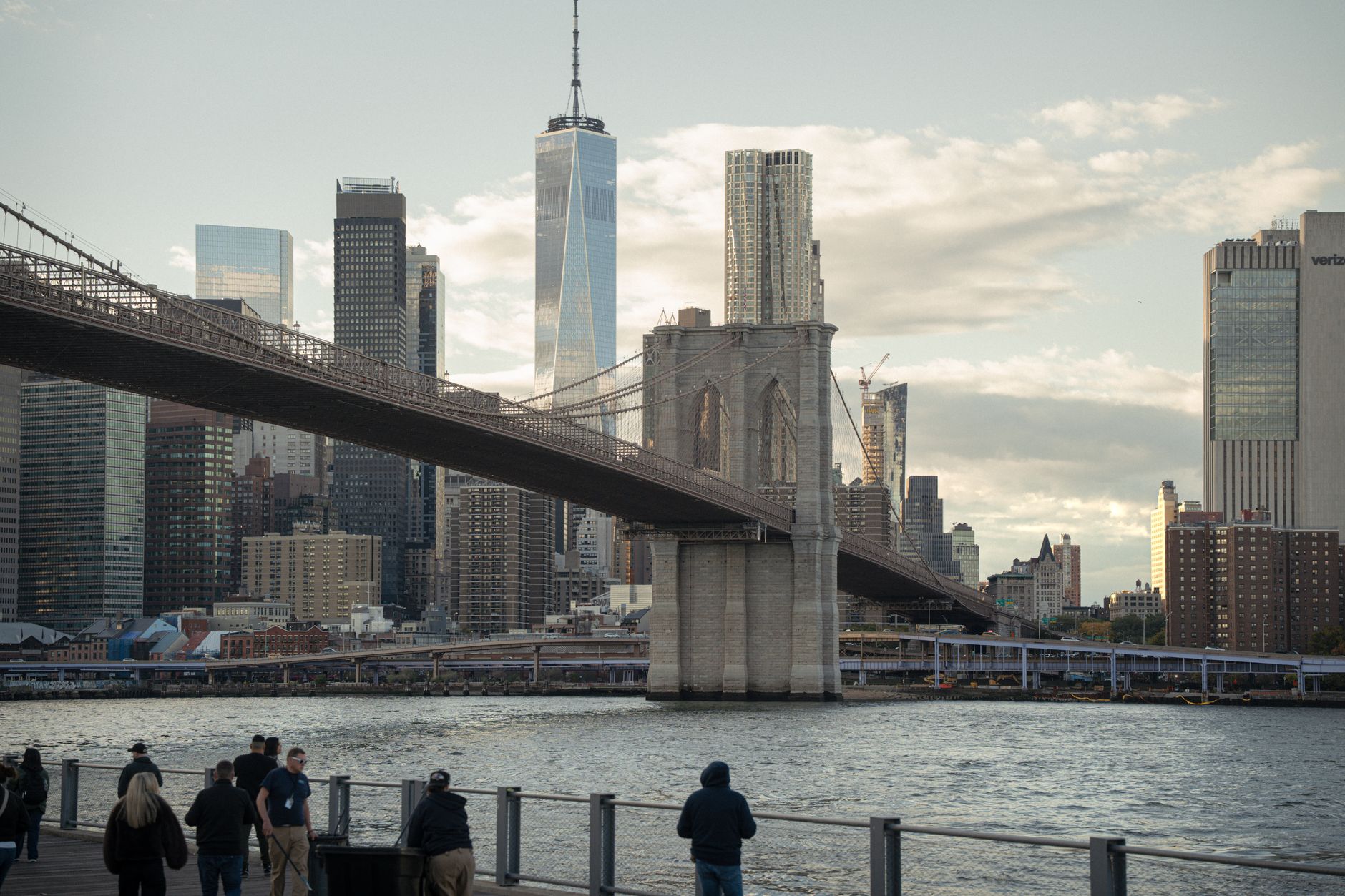
The southern tip of Manhattan is where New York began — a Dutch trading post on a narrow island, a defensive wall that became a street, and 400 years of accumulation pressing down on a few square miles. Stand at the corner of Wall Street and Broad on a weekday morning and you can feel the compression of it: the canyon light, the suited crowd, the stone facades that replaced the wooden ones that replaced the earth.
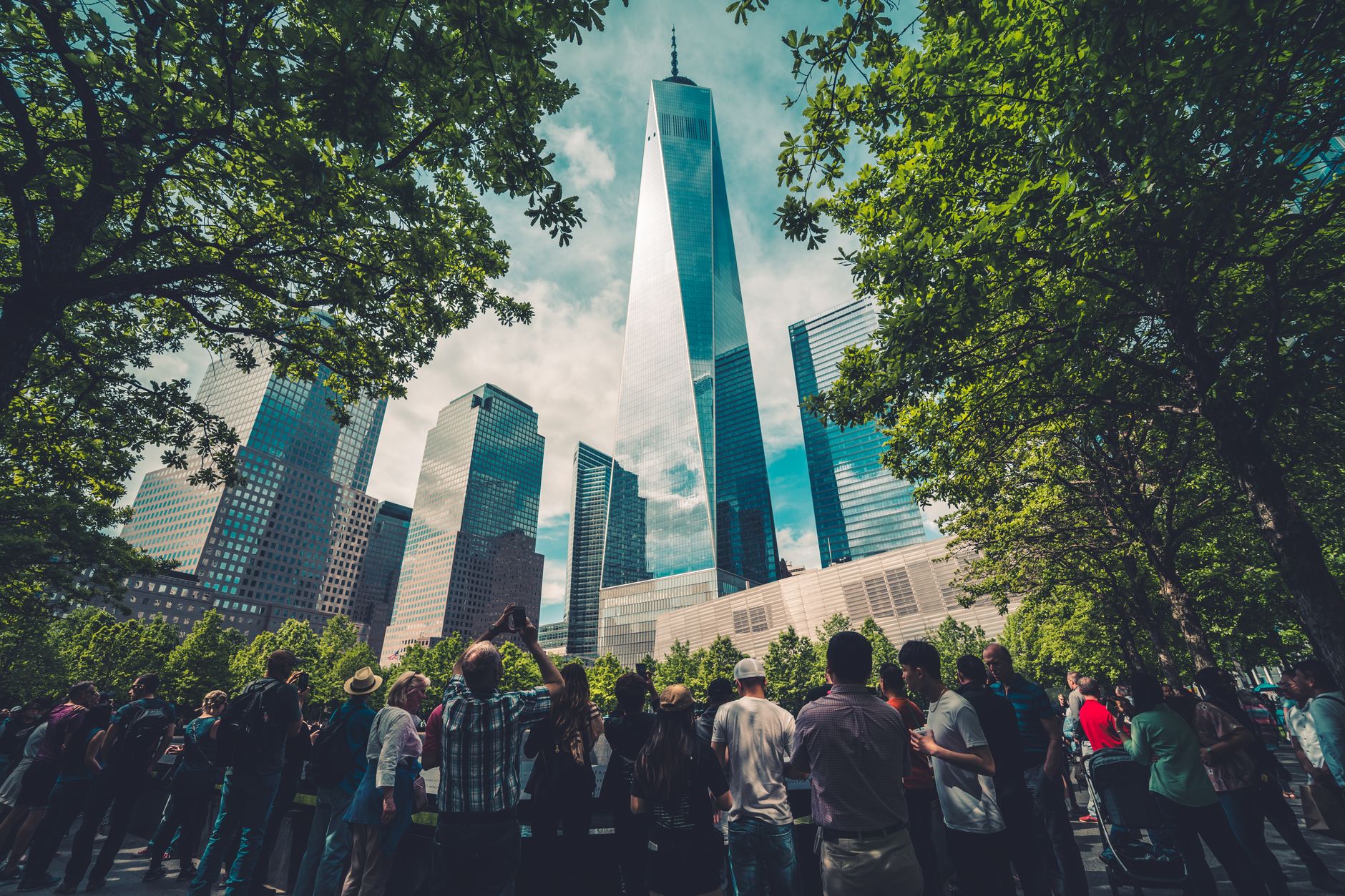
This is also where the city carries its heaviest grief. The two reflecting pools at the September 11 Memorial sit in the footprints of the Twin Towers, water falling into a void that doesn't resolve. The new One World Trade Center rises to exactly 1,776 feet — a number chosen deliberately, without subtlety, and somehow still landing.
💛 What travellers fall for
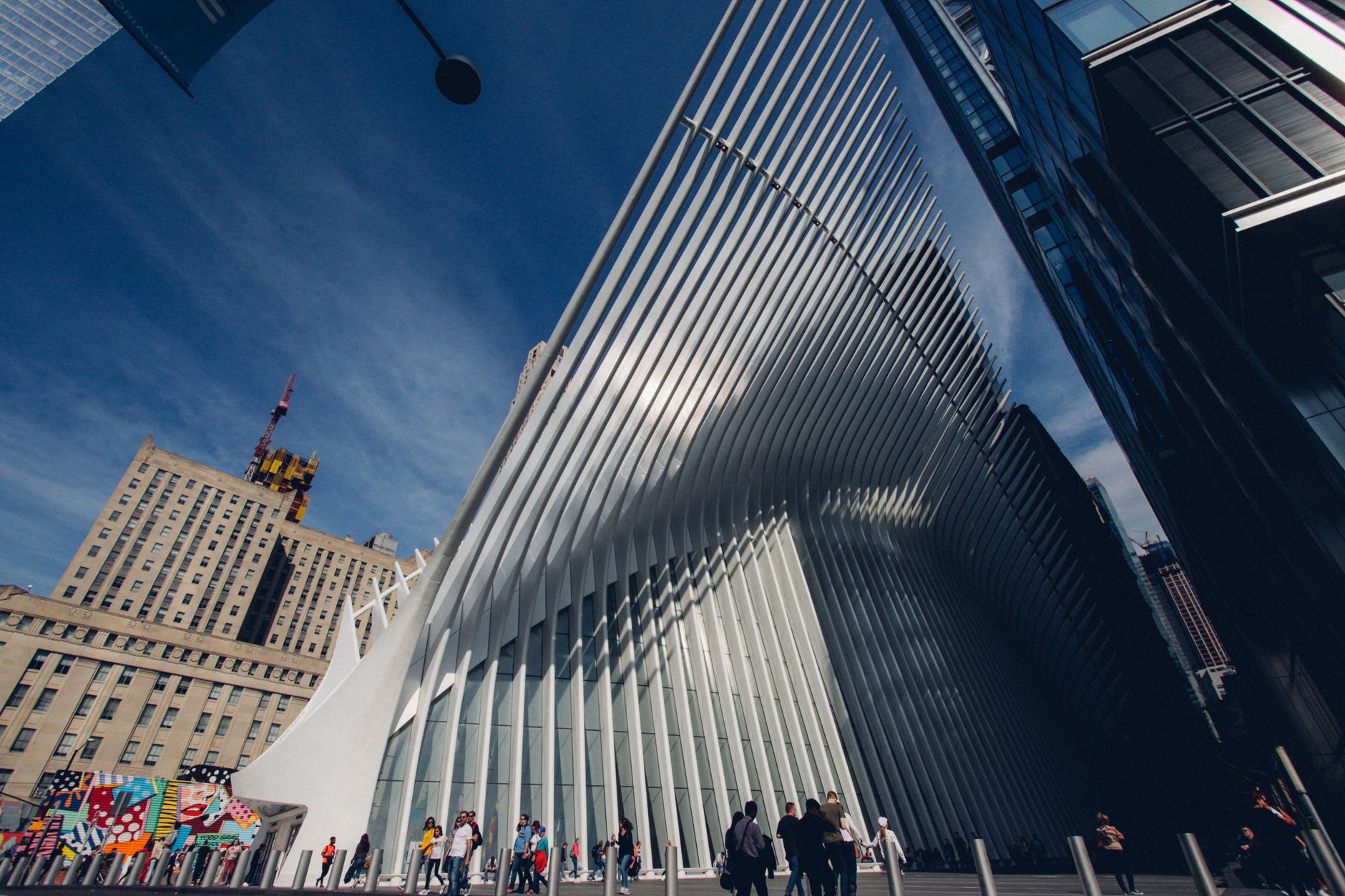
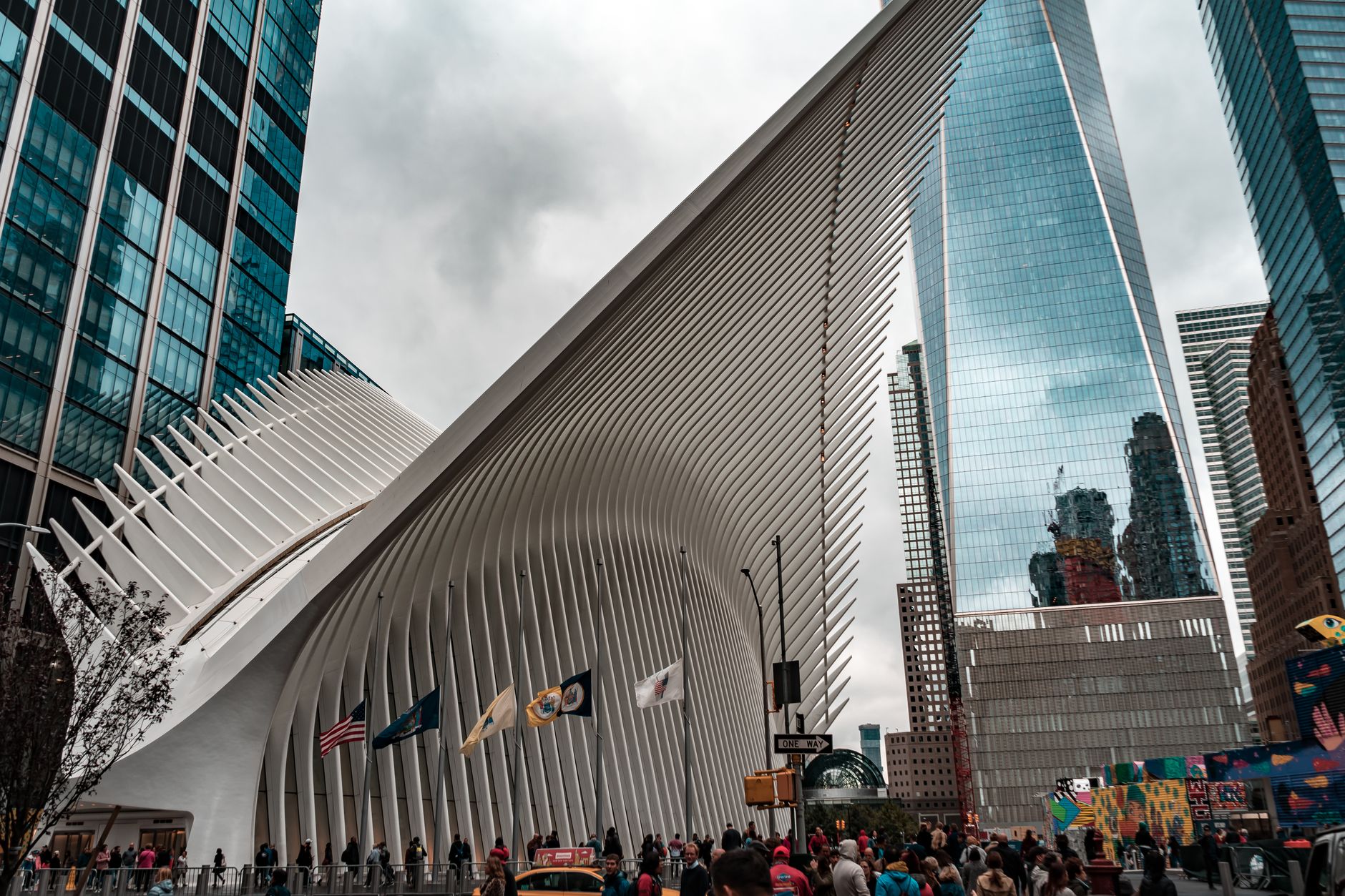
People who keep coming back tend to arrive early at the memorial, before the tour groups, when the sound of the water is the loudest thing. They also skip the Oculus crowds at midday and walk the perimeter instead — the Hudson River Greenway runs right along the water's edge and the financial district empties out fast after the closing bell.
Deals in Lower Manhattan
Book directly at the provider


How Lower Manhattan came to be
Dutch colonists established a trading post here in 1624, and by 1626 Peter Minuit had formalized the colony of New Amsterdam — acquiring Manhattan Island for traded goods valued at 60 guilders from the Canarsee people. Fort Amsterdam went up near what is now the Battery. The English took control in 1664 and renamed it New York, and from 1785 to 1790 this small patch of land served as the capital of the United States.
The 20th century brought a different kind of ambition. David Rockefeller championed the original World Trade Center; his brother Nelson, as governor, signed the legislation. Minoru Yamasaki designed the Twin Towers, completed in 1973. They stood for 28 years. After September 11, 2001, Daniel Libeskind won the international competition to reimagine the site, and One World Trade Center — designed by David Childs of SOM — opened in November 2014.
Who and what shaped it
People who shaped it
Landmark buildings
See Lower Manhattan in motion
Plan your visit
On the map
When to go
Winters are genuinely cold, with January lows around 27°F and regular snow from December through March; dress accordingly and expect wind off the Hudson. Summers run hot and humid, with July highs near 86°F and afternoon thunderstorms that clear fast — spring and early fall offer the most forgiving conditions for walking the neighborhood at length.
Right now
Background & history adapted from Wikipedia (CC BY-SA) · specs from Wikidata (CC0) · weather from Open-Meteo · map data © OpenStreetMap contributors · photos from Wikimedia Commons / Unsplash with per-image credit. No third-party reviews or social posts reproduced.