
Lohmen
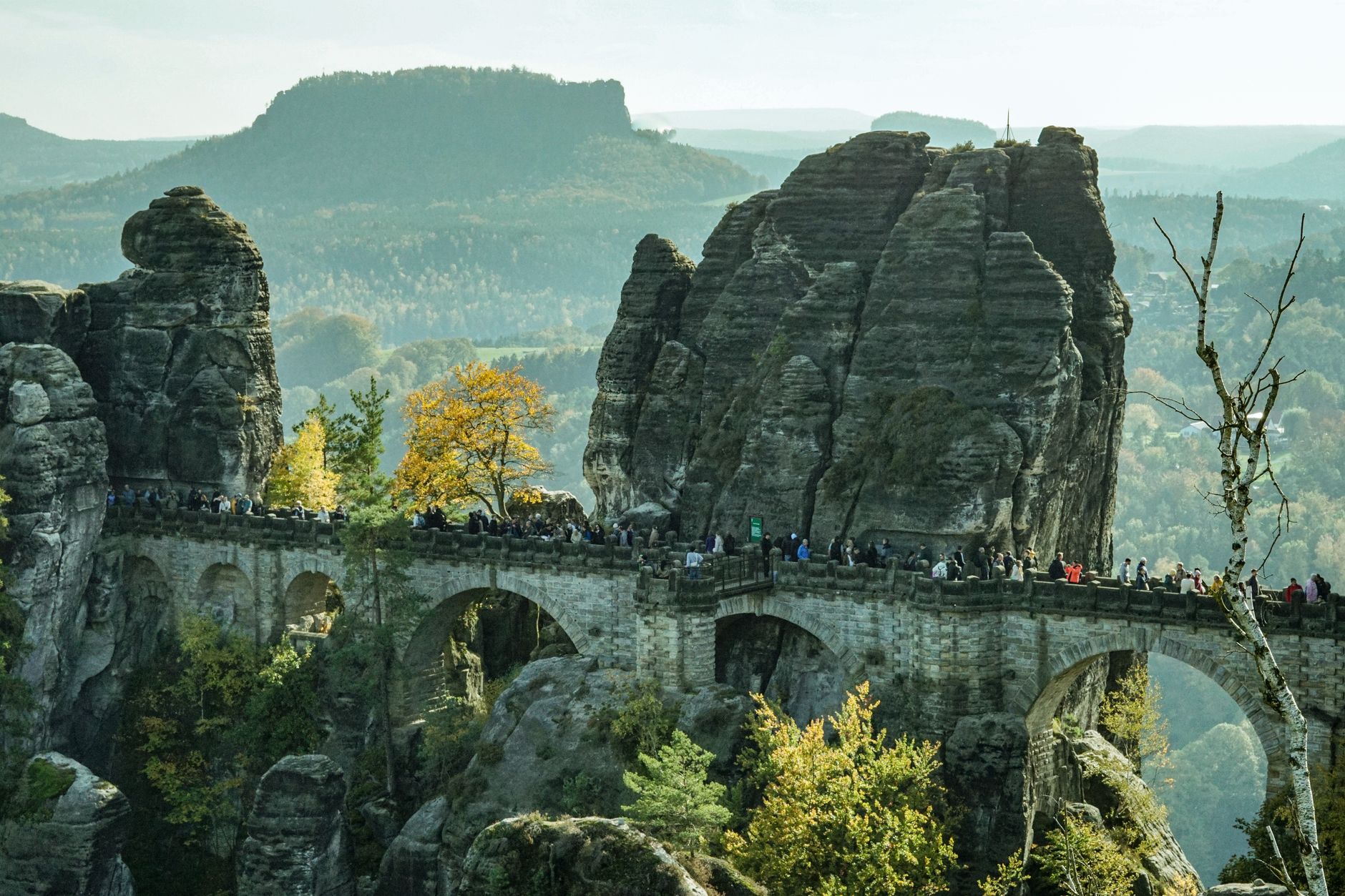
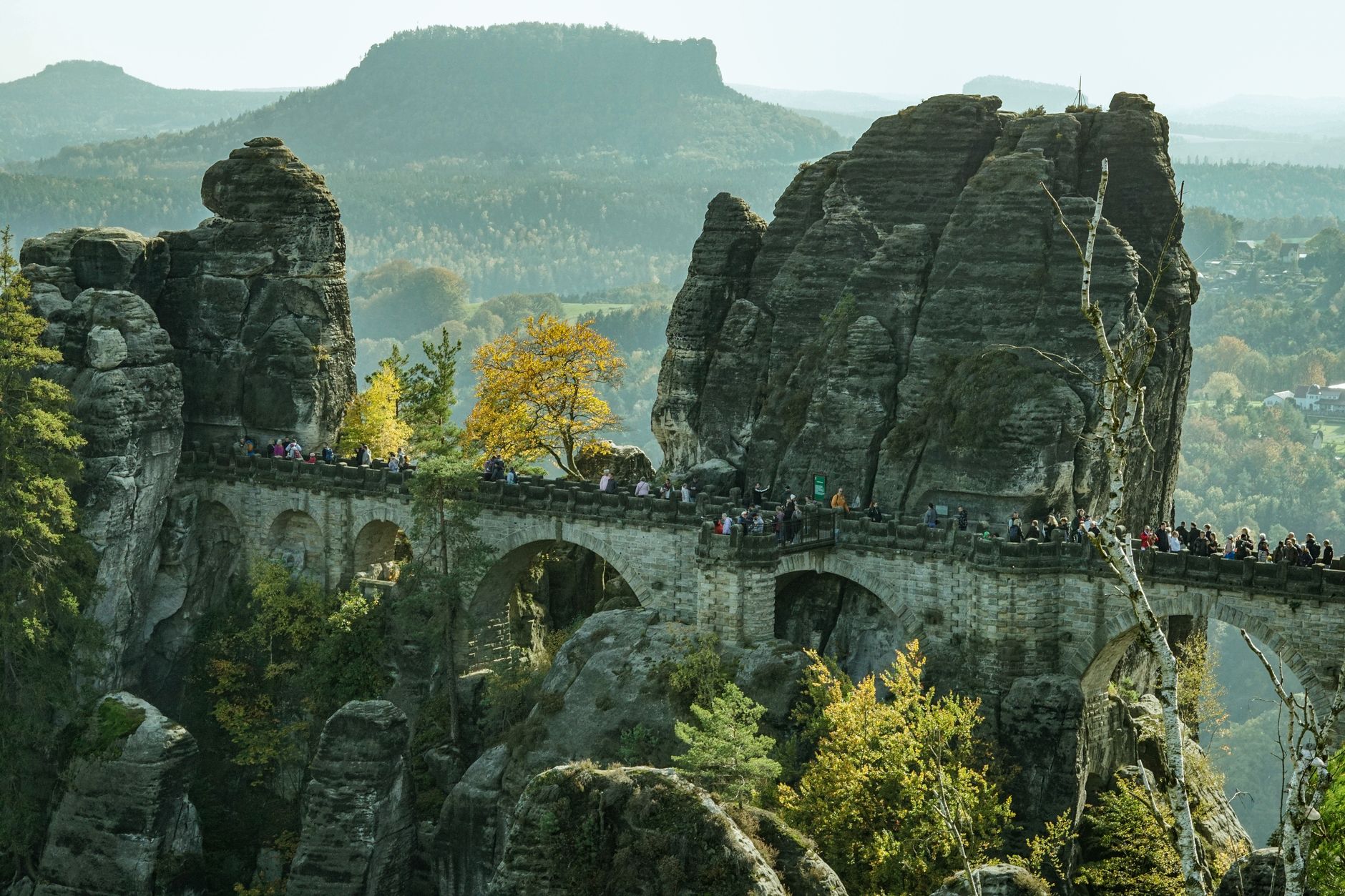
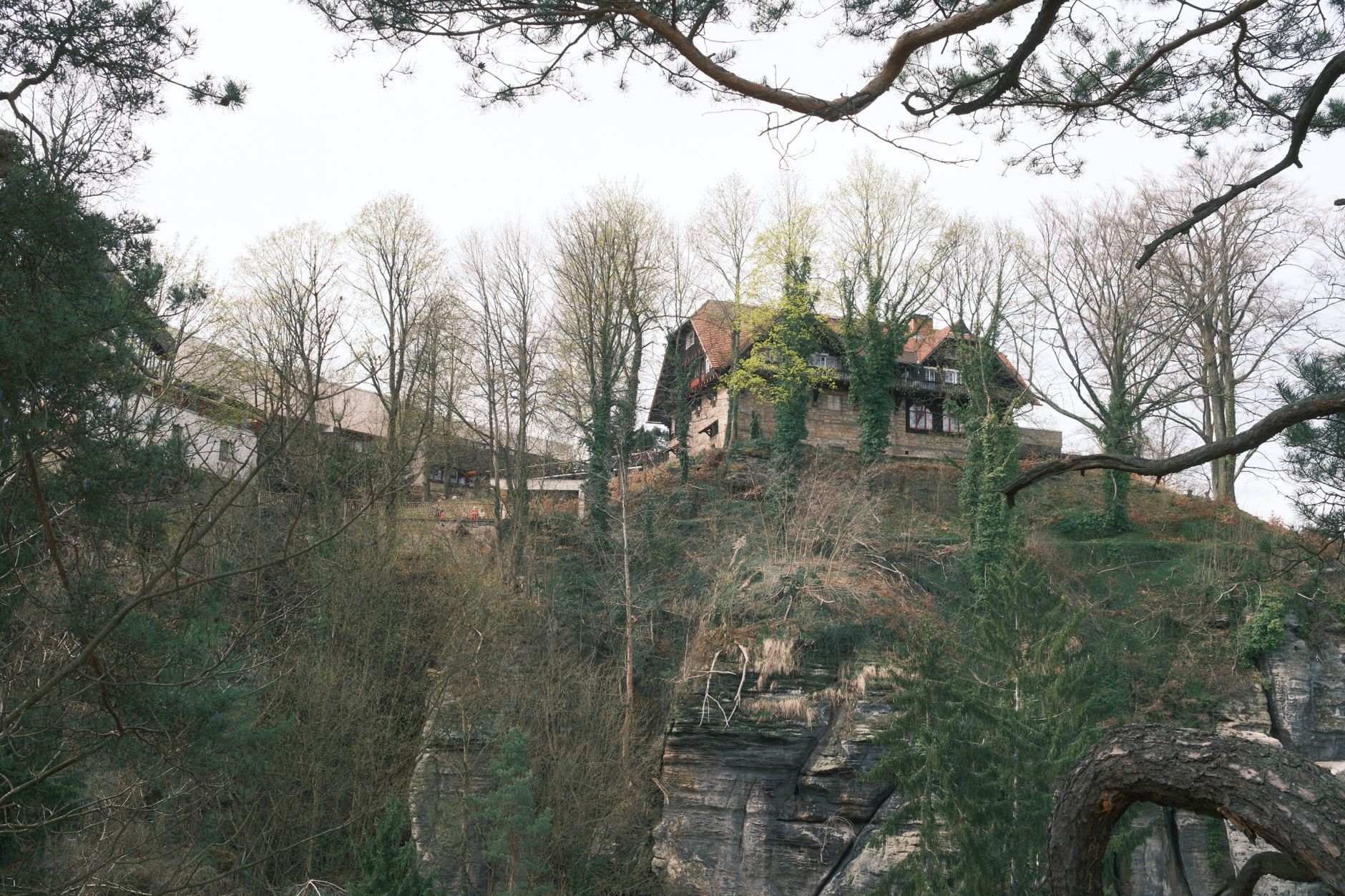
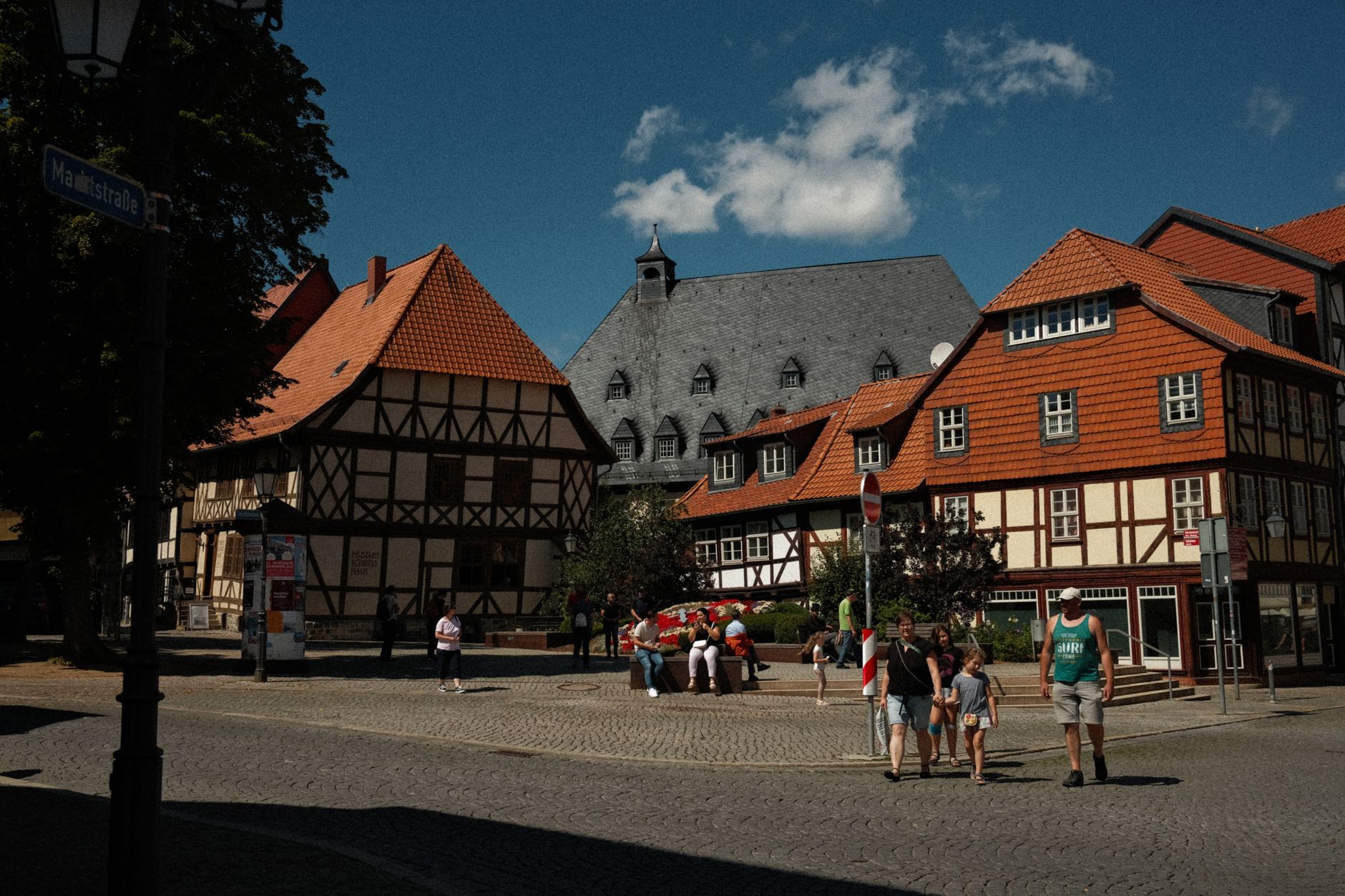
Lohmen sits at the edge of Saxon Switzerland National Park with the kind of quiet self-possession that comes from seven centuries of getting on with things. The Bastei Bridge — a sandstone arc connecting rock towers above the Elbe valley, completed in 1851 — is technically in the national park, but Lohmen is where walkers refill their water bottles and choose their route. The first stage of the Malerweg, the painter's trail that once drew Romantic-era artists into these sandstone gorges, starts here.
The town itself, population around 3,400, stretches from the Bastei rocks in the west to the wooded ravines of Liebethal and Uttewalder Grund. Half-timbered houses line the historic centre, and the village church — one of the largest of its kind in Saxony — anchors the main street with a solidity that makes the tourist infrastructure feel like a recent, polite addition.
💛 What travellers fall for
People who come back tend to time it for October, when the gorges hold a low mist and the crowds from summer have cleared. The Malerweg's first stage is the thing to do on arrival — it rewards an early start. The Saxon Switzerland Mobility Guest Pass, available through your accommodation, covers buses and trains across the fare zones and removes the mental overhead of ticketing.
Deals in Lohmen
Book directly at the provider


How Lohmen came to be
The name Lohmen traces to a Slavic root meaning fissure or quarry, which tells you something about what drew people here before tourism existed. Sandstone was being cut from the ground around 1200, making these among the oldest and most significant quarries in the region. The village itself appears in records from 1292, by which point it already had a working identity tied to stone rather than soil.
For centuries Lohmen and the surrounding territory of Wehlen-Lohmen belonged to the House of Schönburg. In 1543 the land was traded to Maurice, Elector of Saxony, folding it into a larger political geography. By the 19th century it had been absorbed administratively into Pirna, though its character — rural, rooted, facing the rocks — remained its own. The arrival of Romantic painters in the 18th century gave the landscape a new kind of value, and Lohmen found itself at the beginning of a trail that artists had already made famous.
Who and what shaped it
Landmark buildings
See Lohmen in motion
Plan your visit
On the map
When to go
Summers run 15–25°C and are well suited to hiking, though July and August bring the most visitors. Autumn is the quieter, often more rewarding season — warm days, cold nights, and the sandstone walls lit amber through the tree cover. Winters drop below freezing and can bring snow, which transforms the gorges but closes some trails.
Right now
Background & history adapted from Wikipedia (CC BY-SA) · specs from Wikidata (CC0) · weather from Open-Meteo · map data © OpenStreetMap contributors · photos from Wikimedia Commons / Unsplash with per-image credit. No third-party reviews or social posts reproduced.