
Llanrwst
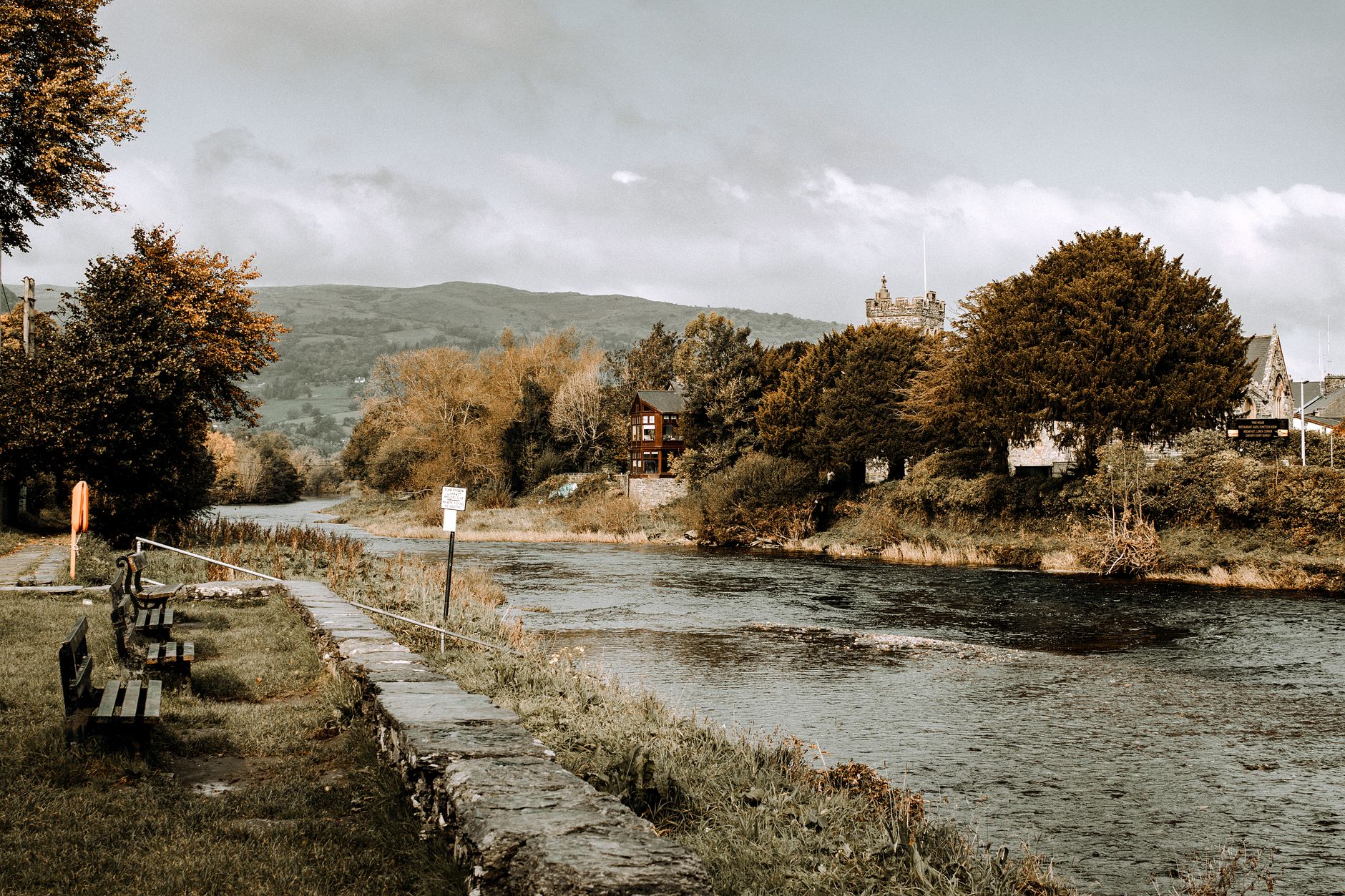
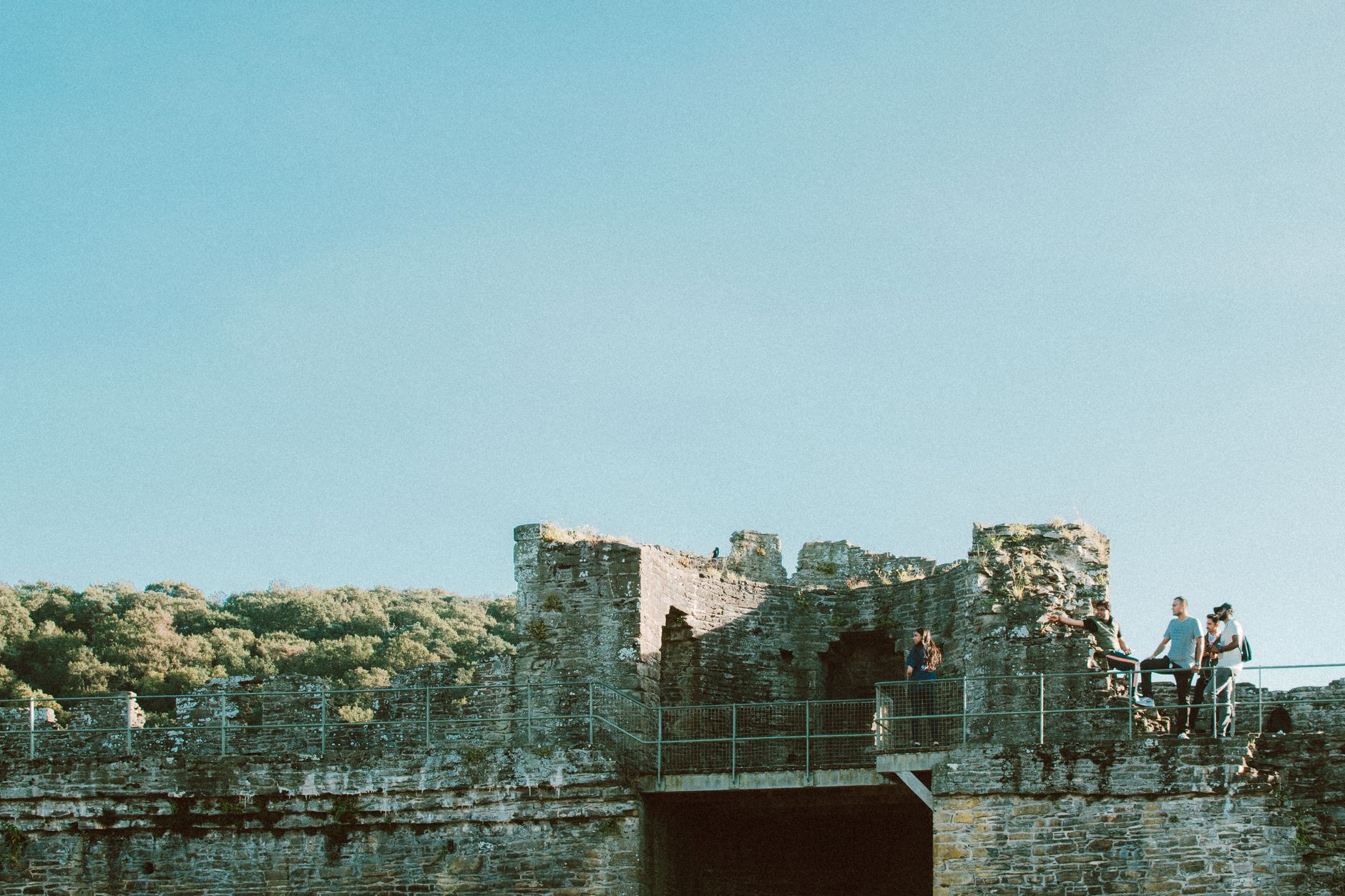


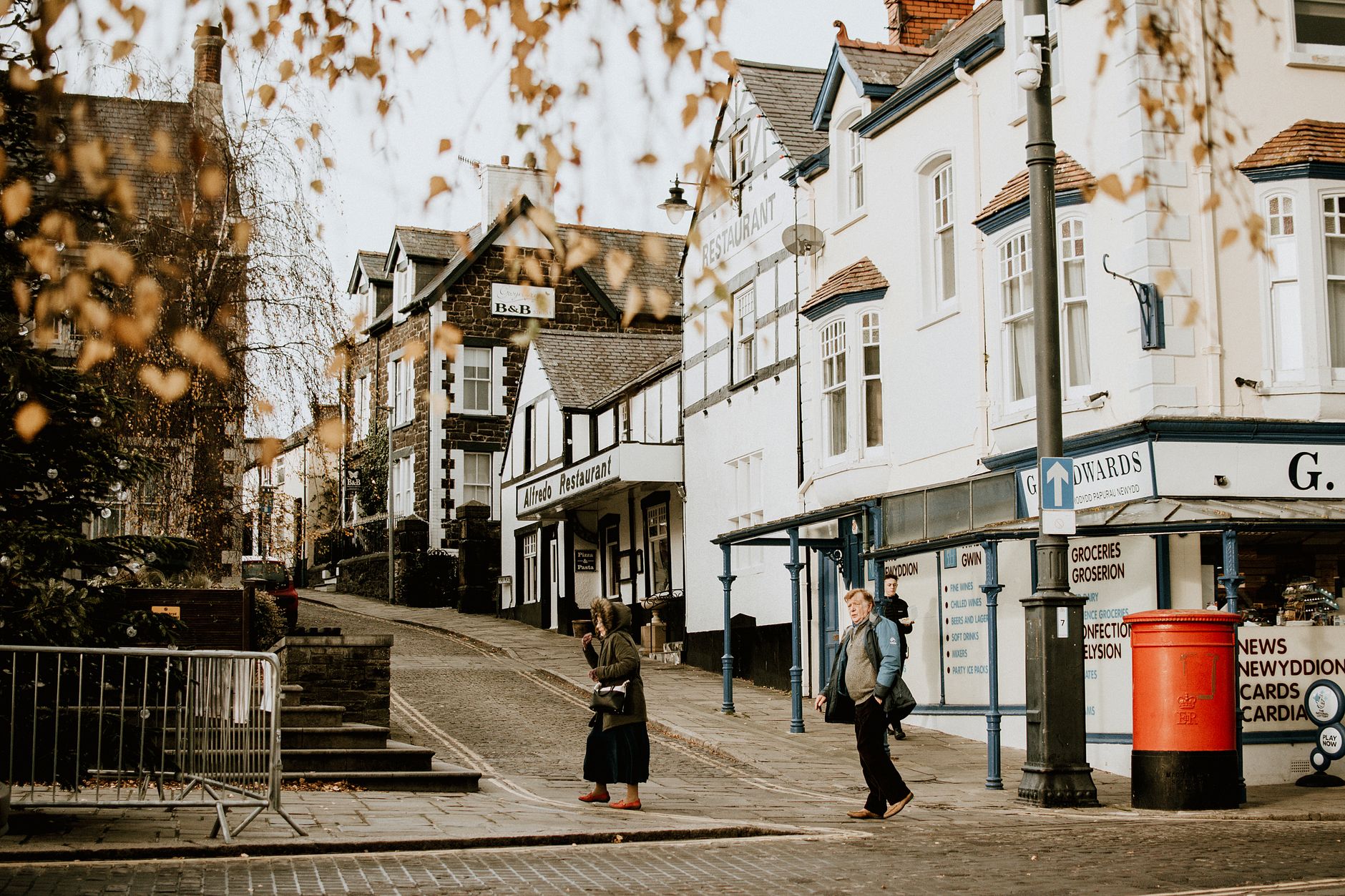
The thing that stops people in their tracks in Llanrwst is usually Tu Hwnt i'r Bont — a 15th-century courthouse on the far side of Pont Fawr, its stone walls buried under Virginia creeper that turns a deep, almost theatrical crimson through October. Cross the three-arched bridge, said to have been drawn up by Inigo Jones and built in 1636, and you're in a town that has been quietly consequential for centuries.
With a population of just over 3,000, Llanrwst once set wool prices for all of England and Wales, and its old motto — Cymru, Lloegr a Llanrwst, Wales, England and Llanrwst — was not entirely a joke. The town sits on the Conwy Valley Line, making it one of the more reachable places in Snowdonia without a car.
💛 What travellers fall for
People who come back tend to time it for the Tuesday market on Ancaster Square, then walk the Lady Mary Walk through Gwydir Forest before the afternoon light drops behind the hills. A stop inside St Grwst's church to find the stone coffin attributed to Llywelyn the Great is quieter than you'd expect for something so significant.
Deals in Llanrwst
Book directly at the provider
How Llanrwst came to be
Llanrwst takes its name from Saint Grwst, a 6th-century saint, and appears in the historical record as early as 954 A.D. Its defining period came in the 13th century, when the River Conwy marked the shifting boundary between Welsh and English rule. Edward I's edict barring Welshmen from trading within ten miles of Conwy handed Llanrwst — sitting 13 miles away — an accidental commercial advantage, and the town grew into a significant wool market whose prices were quoted across both countries.
The Wynn family of Gwydir Castle shaped the town's built environment: Sir John Wynn founded a hospital and school here in 1610 and built the almshouses that still stand on the street, later restored as a local history museum. His son Sir Richard Wynn commissioned Pont Fawr in 1636. The town hosted the National Eisteddfod three times — 1951, 1989, and most recently 2019.
Who and what shaped it
People who shaped it
Landmark buildings
See Llanrwst in motion
Plan your visit
On the map
When to go
The Conwy Valley funnels rain in from the west, and Llanrwst is no exception — expect wet days in any season, with the driest windows generally in spring and early summer. Autumn is genuinely worth it despite the weather: the creeper on Tu Hwnt i'r Bont and the forest colours in Gwydir make the grey skies earn their keep.
Right now
Background & history adapted from Wikipedia (CC BY-SA) · specs from Wikidata (CC0) · weather from Open-Meteo · map data © OpenStreetMap contributors · photos from Wikimedia Commons / Unsplash with per-image credit. No third-party reviews or social posts reproduced.