
Llanberis
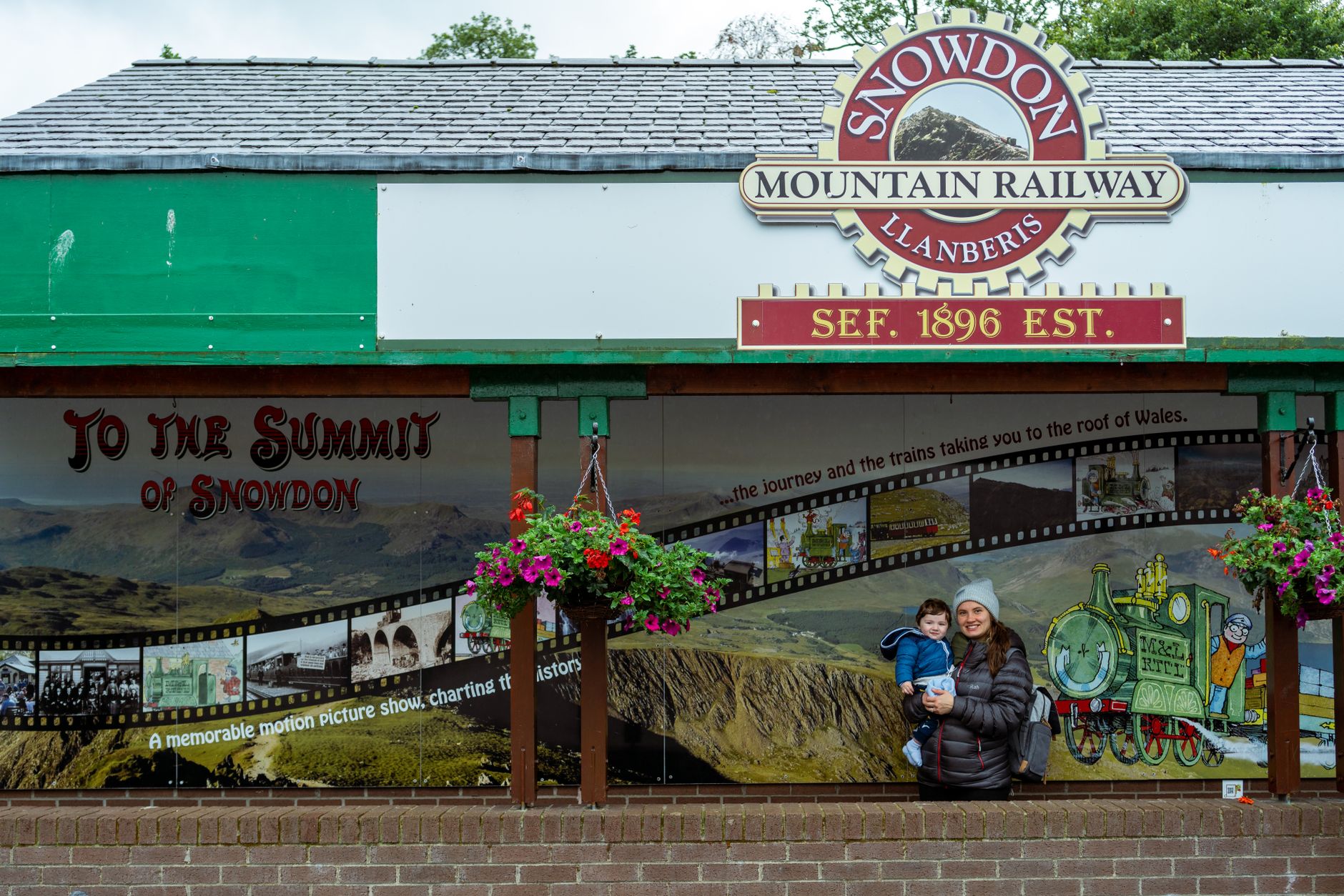
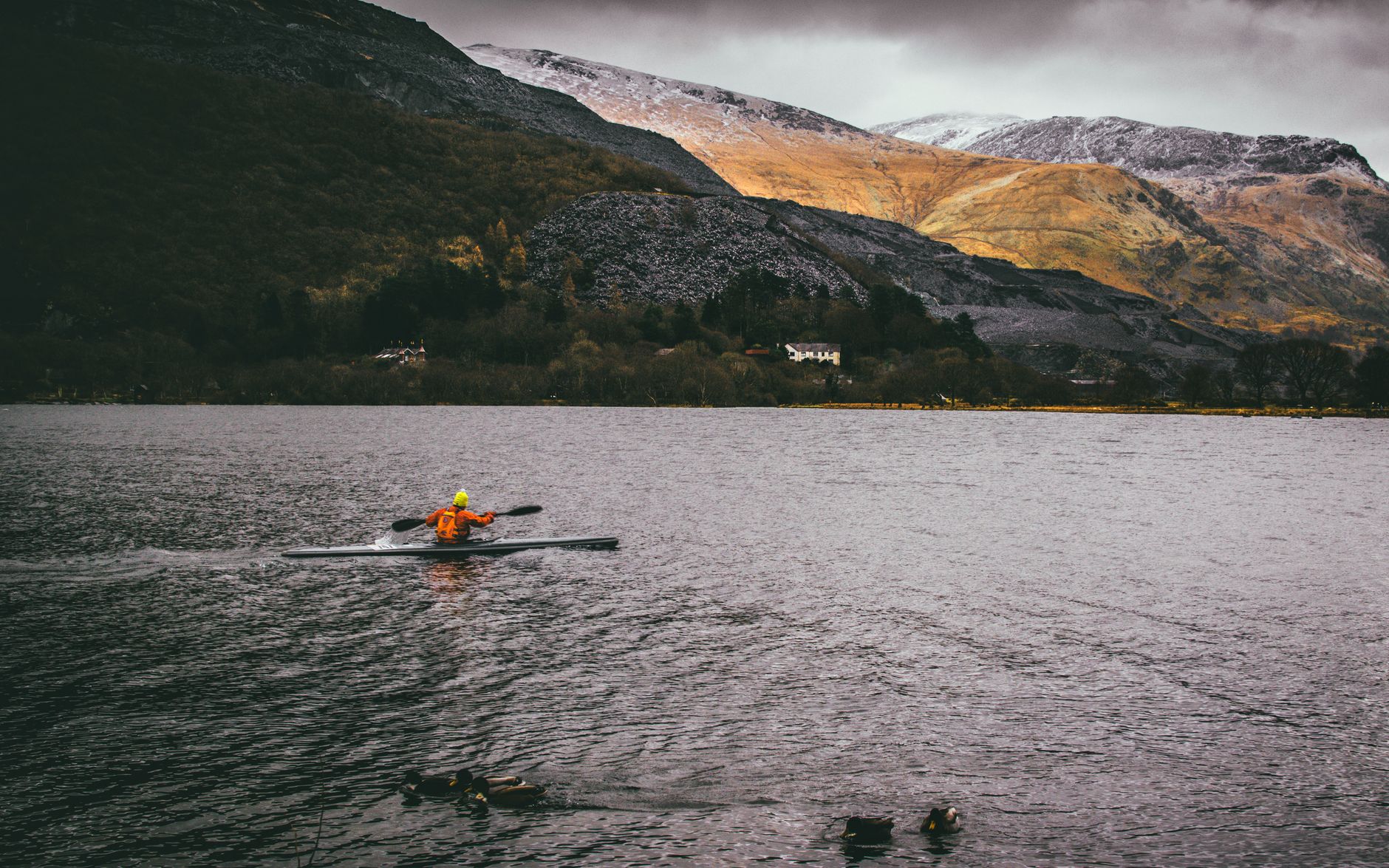
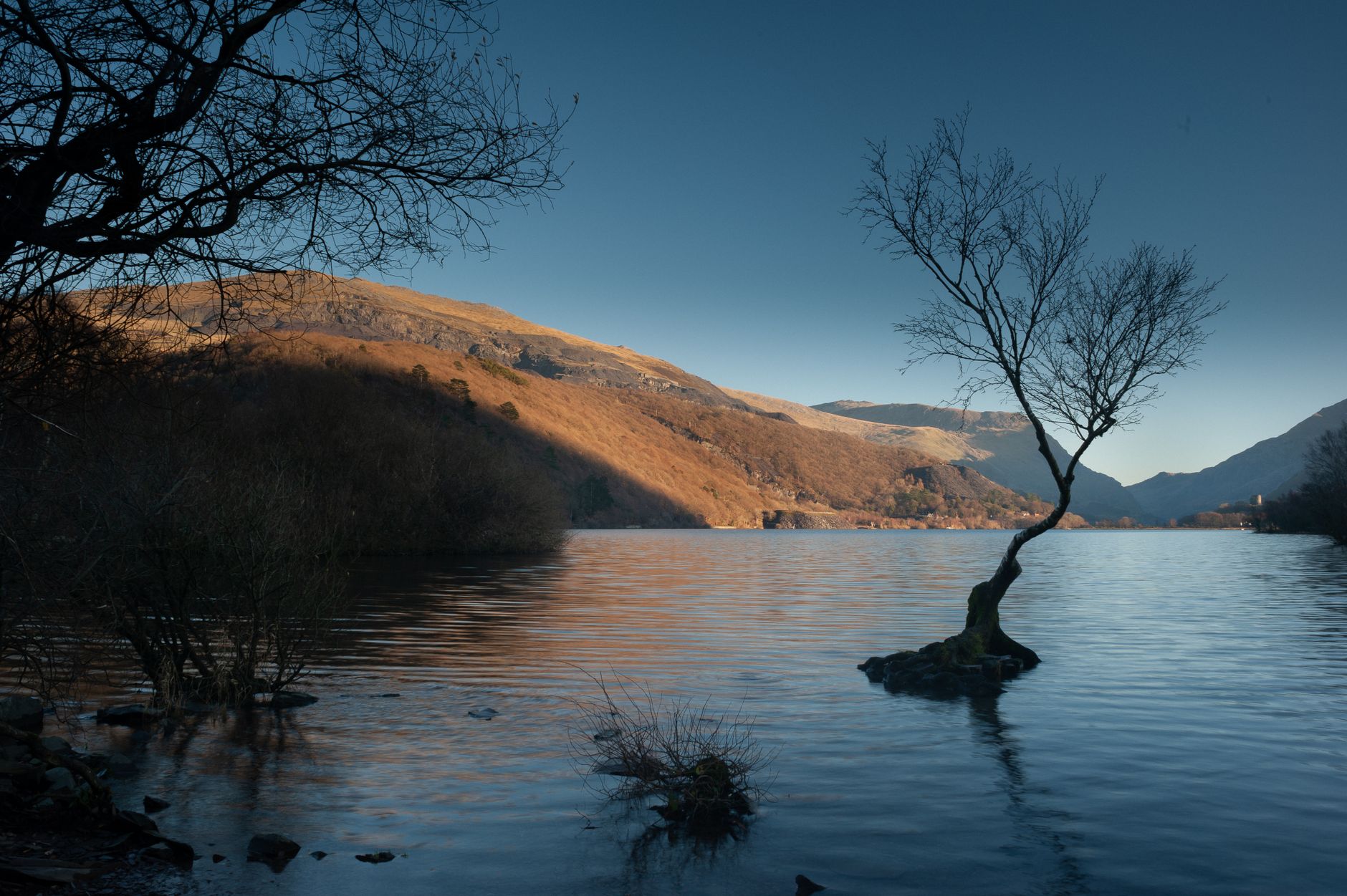
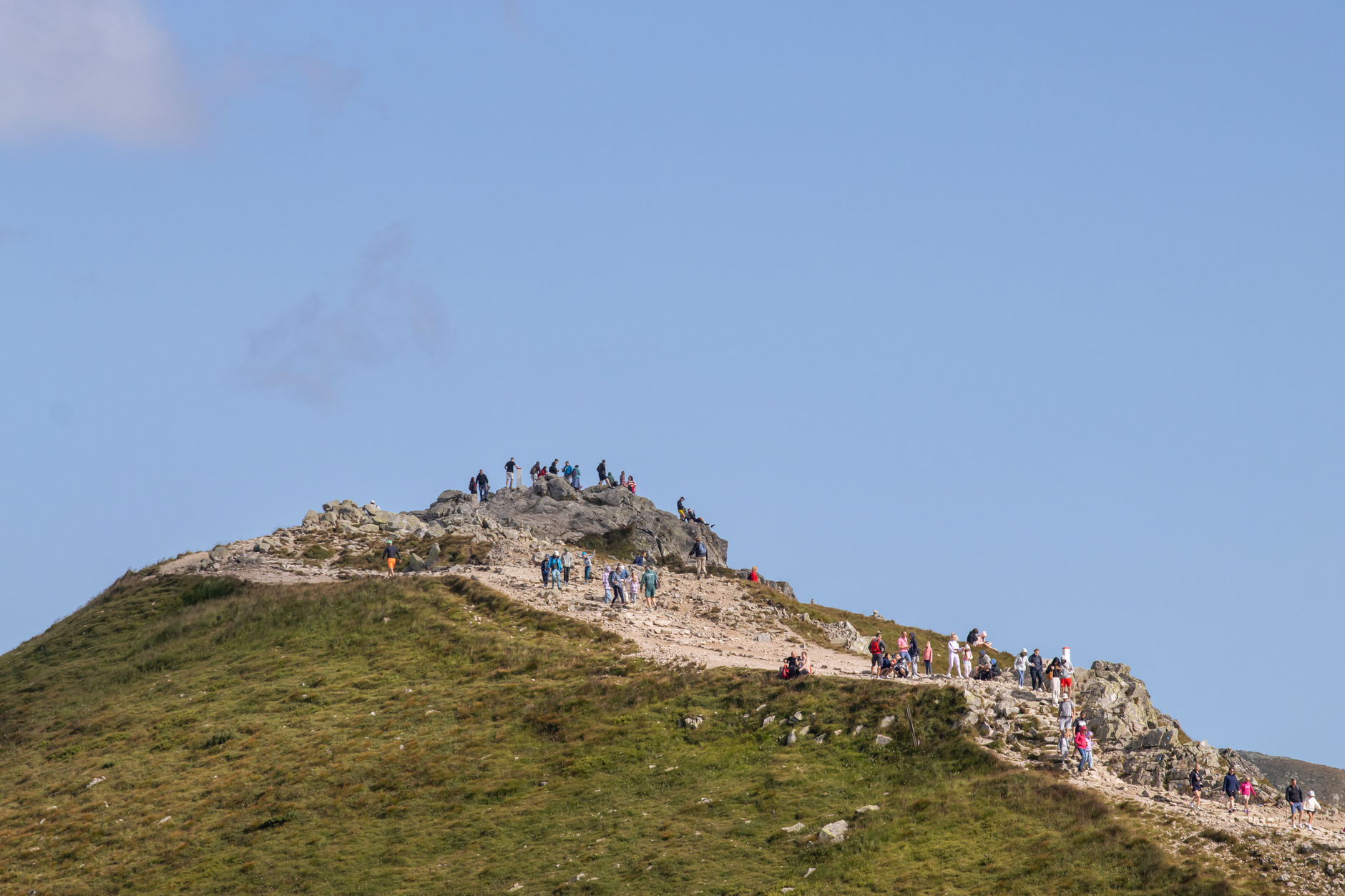
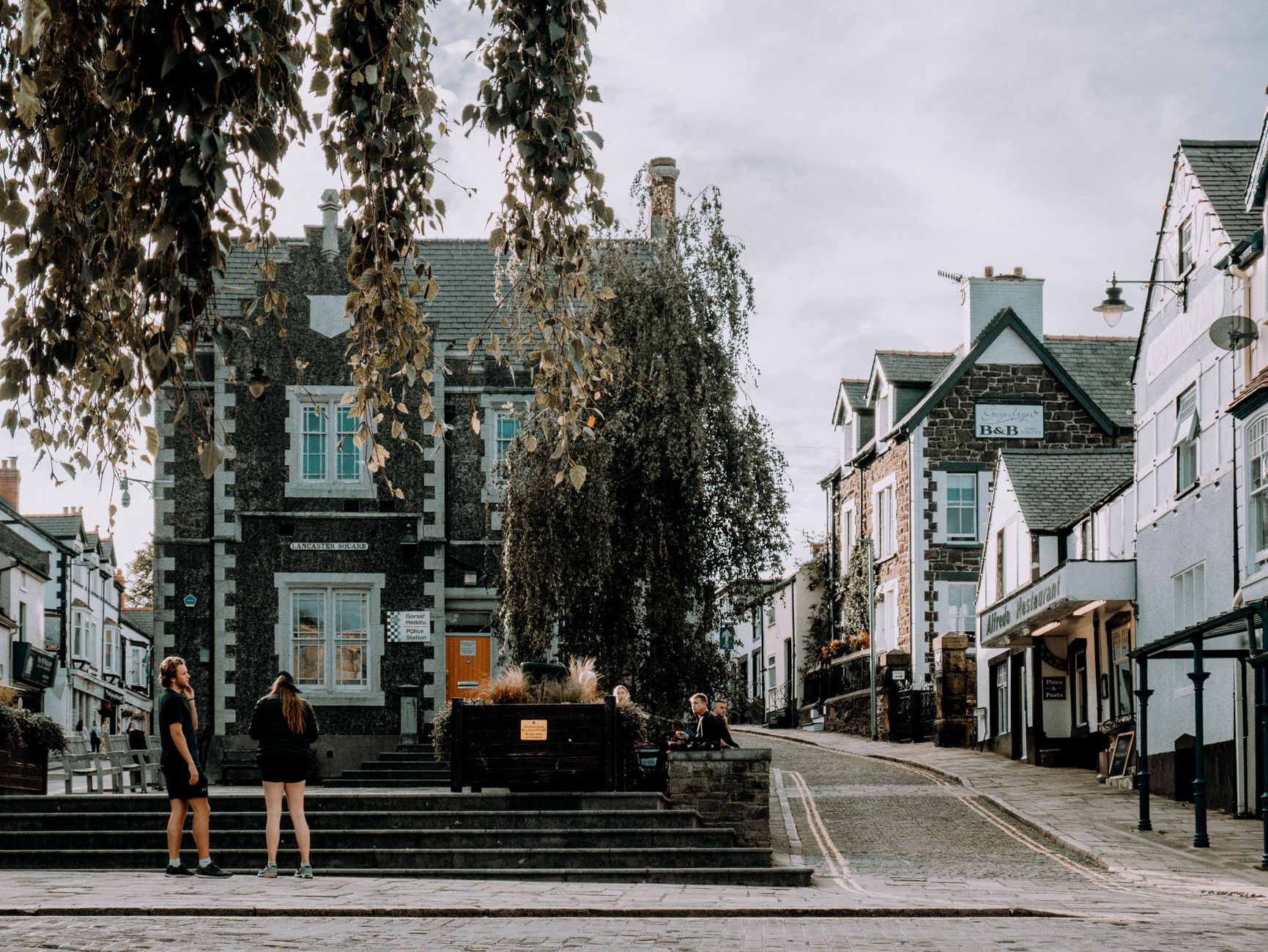
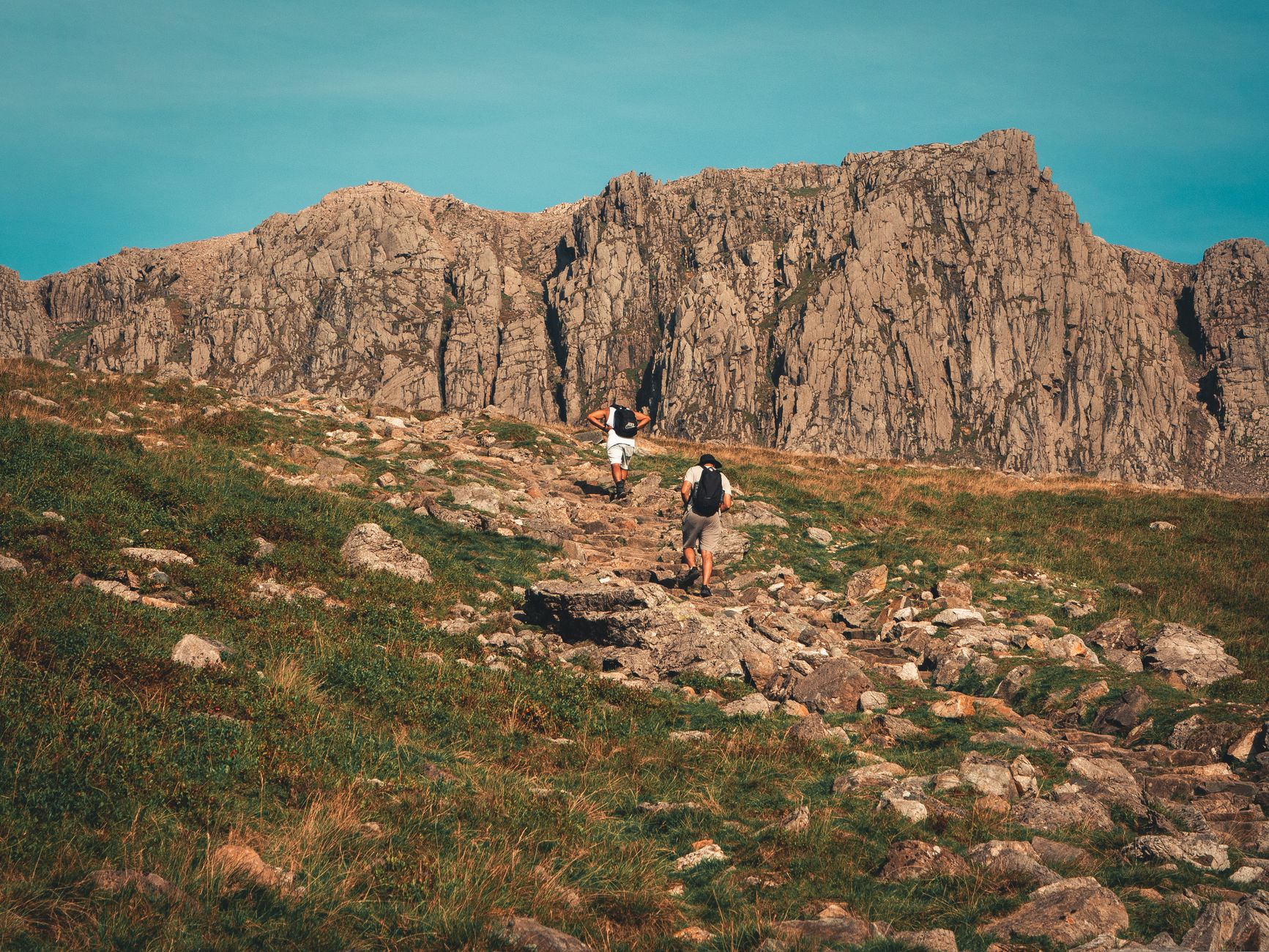
A town of 2,000 people that draws half a million visitors a year tells you something: Llanberis punches well above its weight. It sits between two lakes — Padarn and Peris — at the foot of Snowdon, and the mountain defines almost everything here, from the rack railway that has been hauling passengers to the summit since 1896 to the slate-grey terraces that housed the quarrymen who once pulled over 100,000 tons of rock a year from the surrounding hillsides.
What lingers, though, is the layering. A sixth-century saint's retreat, a 13th-century castle tower, a Victorian industrial complex, and a power station hollowing out a mountain from the inside — all within walking distance of each other, all still standing.
💛 What travellers fall for
People who keep coming back tend to mention the same two things: arriving early on the Snowdon Mountain Railway before the weather closes in, and spending the afternoon at the National Slate Museum when it does. The workers' cottages there are left exactly as they were — not curated, just stopped.
Deals in Llanberis
Book directly at the provider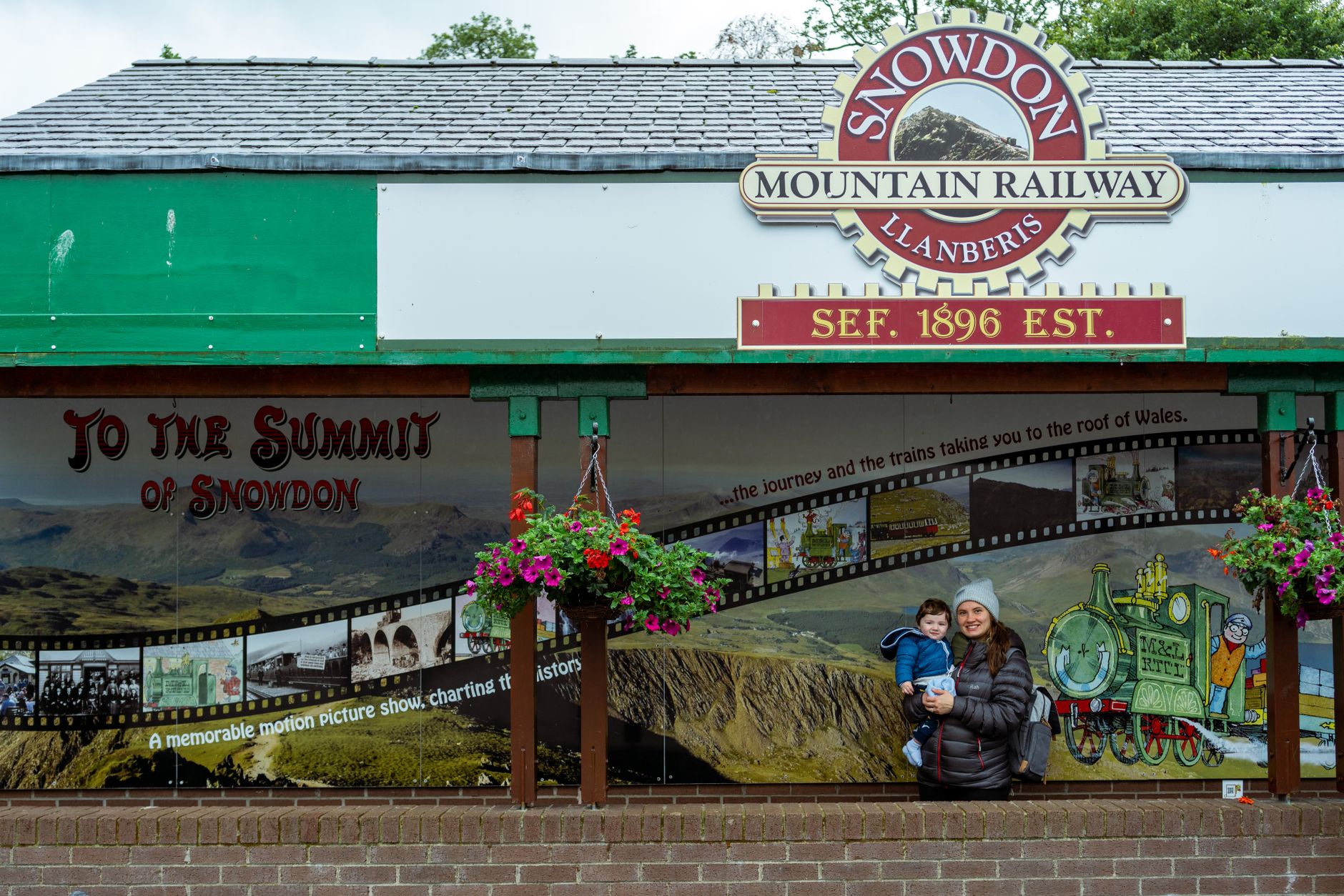
How Llanberis came to be
The name comes from Saint Peris, a sixth-century figure who built a religious retreat at the southern end of Llyn Peris, while Saint Padarn established a church nearby — the bones of both survive in the listed buildings that still anchor the town. Dolbadarn Castle followed in the early 13th century, built by Llywelyn the Great to control the mountain pass; its 12-metre circular tower remains one of the best-preserved medieval round towers in Wales.
For centuries the area stayed sparsely settled and agricultural. That changed fast when slate quarrying industrialised in the 19th century — Dinorwig quarry eventually employed more than 3,000 men and sent slate across the British Empire. When it closed in 1969, the Victorian workshops below the quarry became the National Slate Museum. A decade later, engineers hollowed out the mountain itself to build Dinorwig Power Station, a cavern 180 metres long and 51 metres high, capable of generating 1,728 megawatts within 16 seconds.
Who and what shaped it
People who shaped it
Landmark buildings
See Llanberis in motion
Plan your visit
On the map
When to go
July peaks at around 14°C — cool by most standards, and that's the warmest it gets. Rain is a constant companion year-round, with December the wettest month and annual precipitation nudging 1,344mm; layers and waterproofs are practical rather than optional, whatever the season.
Right now
Background & history adapted from Wikipedia (CC BY-SA) · specs from Wikidata (CC0) · weather from Open-Meteo · map data © OpenStreetMap contributors · photos from Wikimedia Commons / Unsplash with per-image credit. No third-party reviews or social posts reproduced.