
Limoges

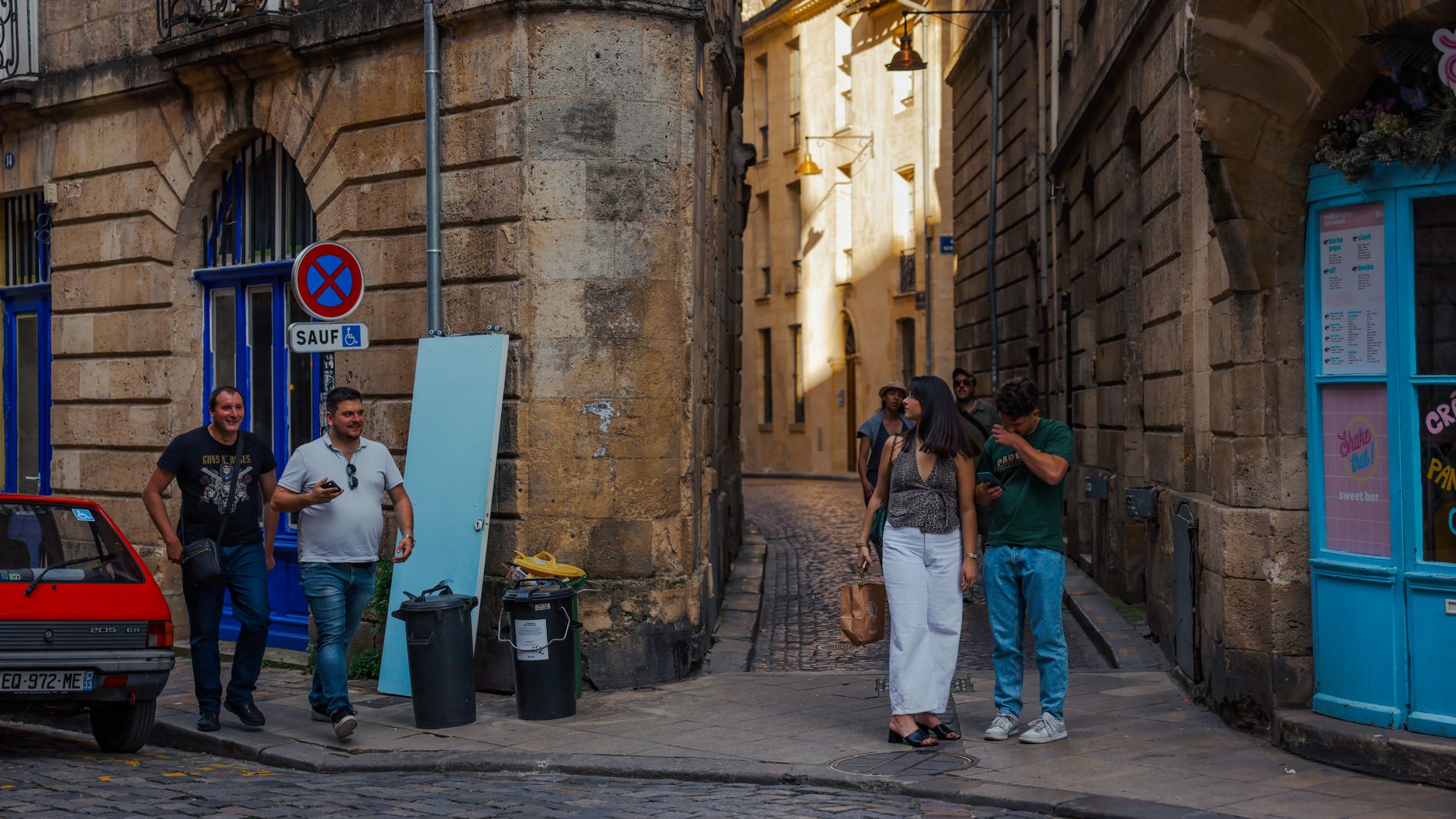
Limoges is a city that rewards the second glance. Most people know the name from the porcelain — the kind that sits behind glass in grandmothers' cabinets — but the city itself is harder to summarize. It sits on the first western foothills of the Massif Central, above the river Vienne, and it has been two places at once for most of its history: a bishop's town and an abbey town, rivals for centuries before they were finally merged in 1792.
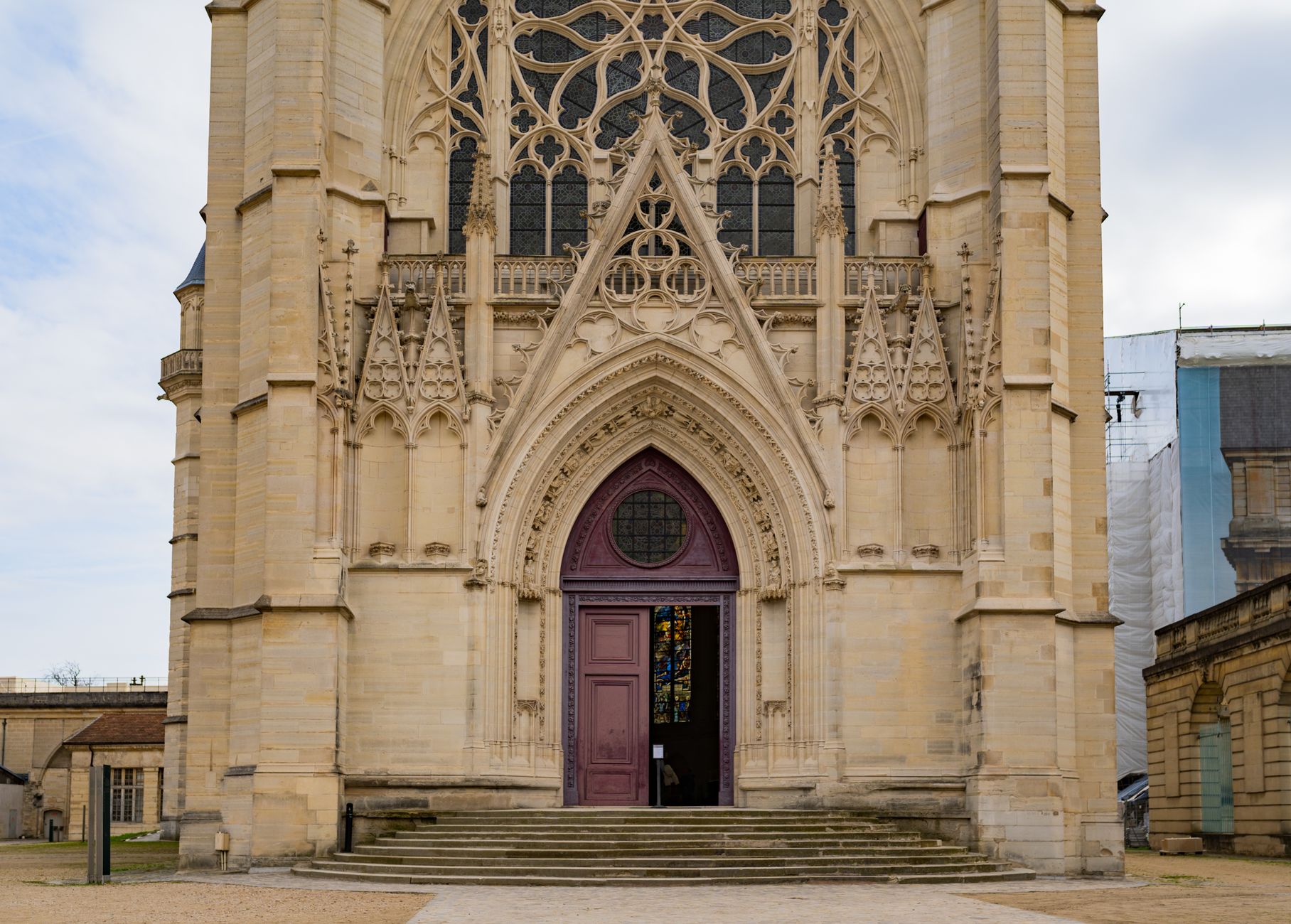
The station alone is worth the trip. The Gare de Limoges-Bénédictins rises from the edge of the old city in a sweep of Art Deco and Art Nouveau, its 67-metre clock tower visible long before you arrive. From there, the old town unfolds on foot: a Gothic cathedral six centuries in the making, a covered market built by engineers from Eiffel's circle, and two museums that take the craft of ceramics seriously.
💛 What travellers fall for
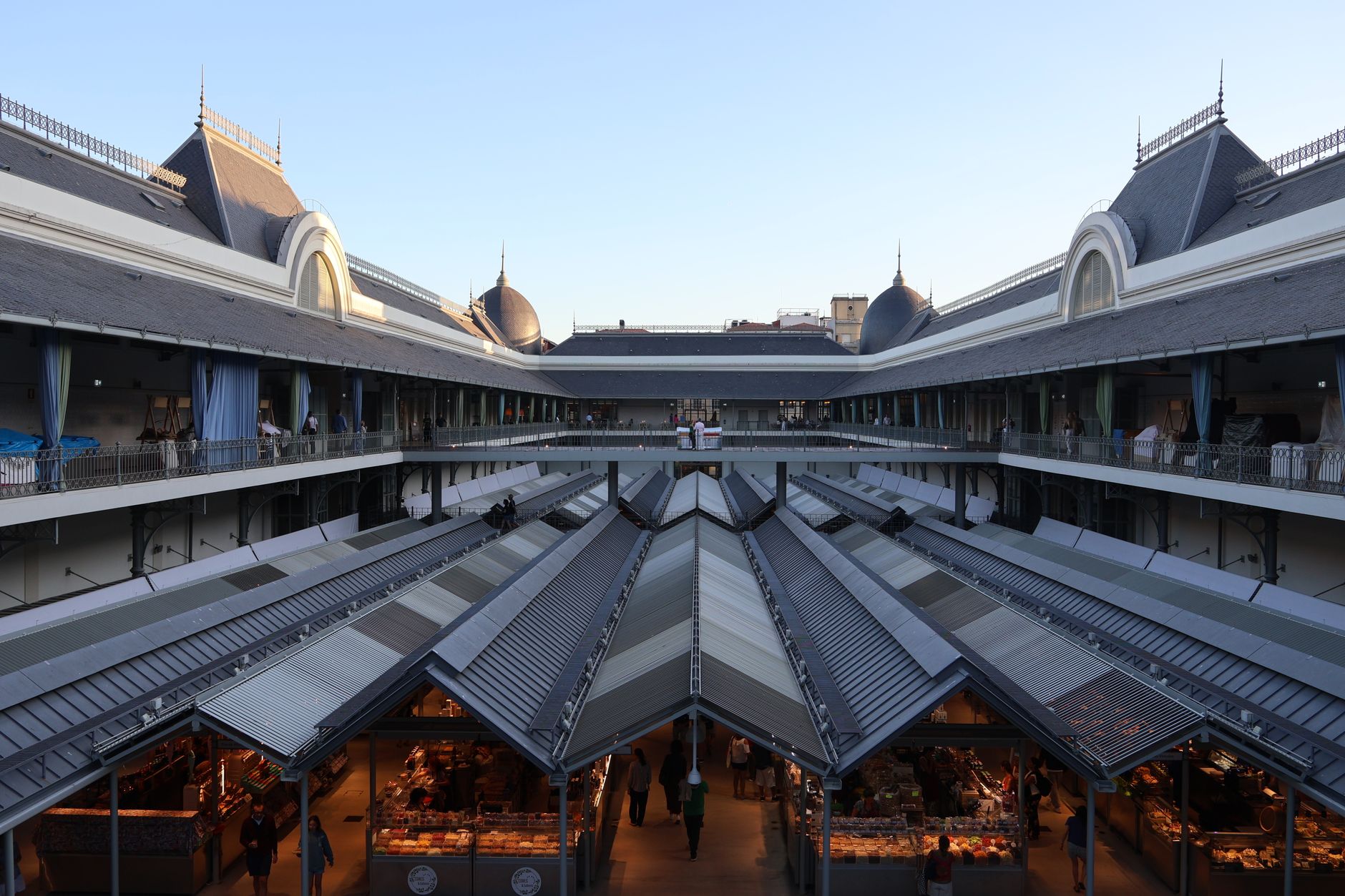
People who come back tend to mention the Musée National Adrien Dubouché in the same breath as the station — two buildings that make the case for Limoges better than any overview can. The covered market, the Halles Centrales, is worth an early morning: the iron-and-glass structure still does what it was built to do in 1889.
Experiences you don't want to miss



Deals in Limoges
Book directly at the provider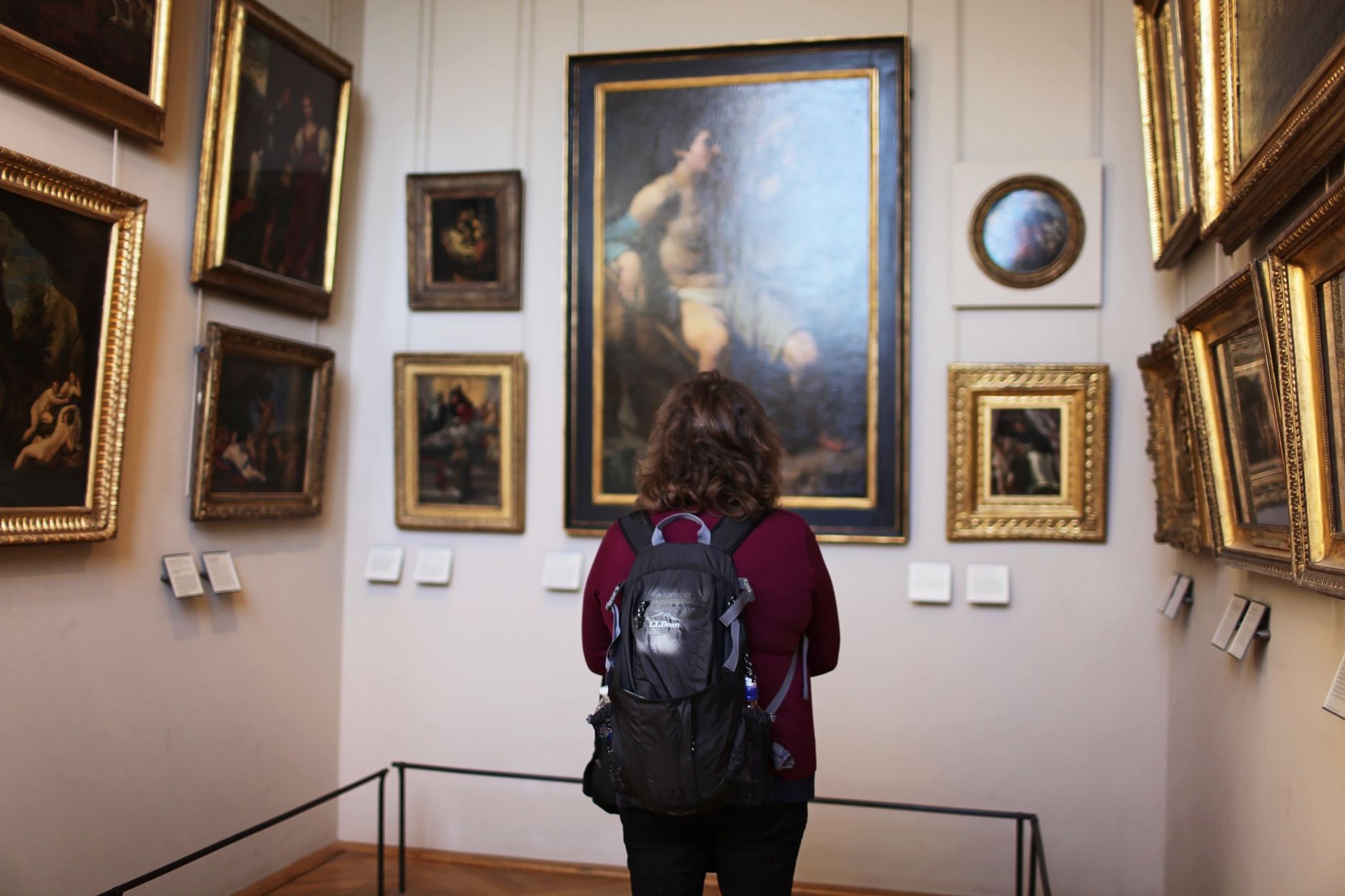

How Limoges came to be
The Romans founded Augustoritum here around 10 BC, drawn by the Vienne's first reliable ford. Saint Martial arrived around 250 to evangelize the region, and the abbey built over his tomb in the 9th century grew into a rival settlement alongside the bishop's town — two communities that spent the Hundred Years' War on opposite sides and didn't formally unite until 1792.
The city's second defining moment came in 1768, when kaolin was discovered at Saint-Yrieix-la-Perche, 30 kilometres to the south. The intendant Anne Robert Jacques Turgot seized on it, and the porcelain industry he helped establish made Limoges famous across the 19th century. In 2017 UNESCO recognized that legacy by admitting the city to its Creative Cities Network under Crafts and Popular Arts.
Who and what shaped it
People who shaped it
Landmark buildings
See Limoges in motion
Plan your visit
On the map
When to go
Winters are cold and grey, with January highs around 7°C — Atlantic currents keep hard freezes occasional rather than constant. Summers are warm and generally good for walking, though afternoon thunderstorms are common enough to carry a layer.
Right now
Background & history adapted from Wikipedia (CC BY-SA) · specs from Wikidata (CC0) · weather from Open-Meteo · map data © OpenStreetMap contributors · photos from Wikimedia Commons / Unsplash with per-image credit. No third-party reviews or social posts reproduced.