
Lauscha
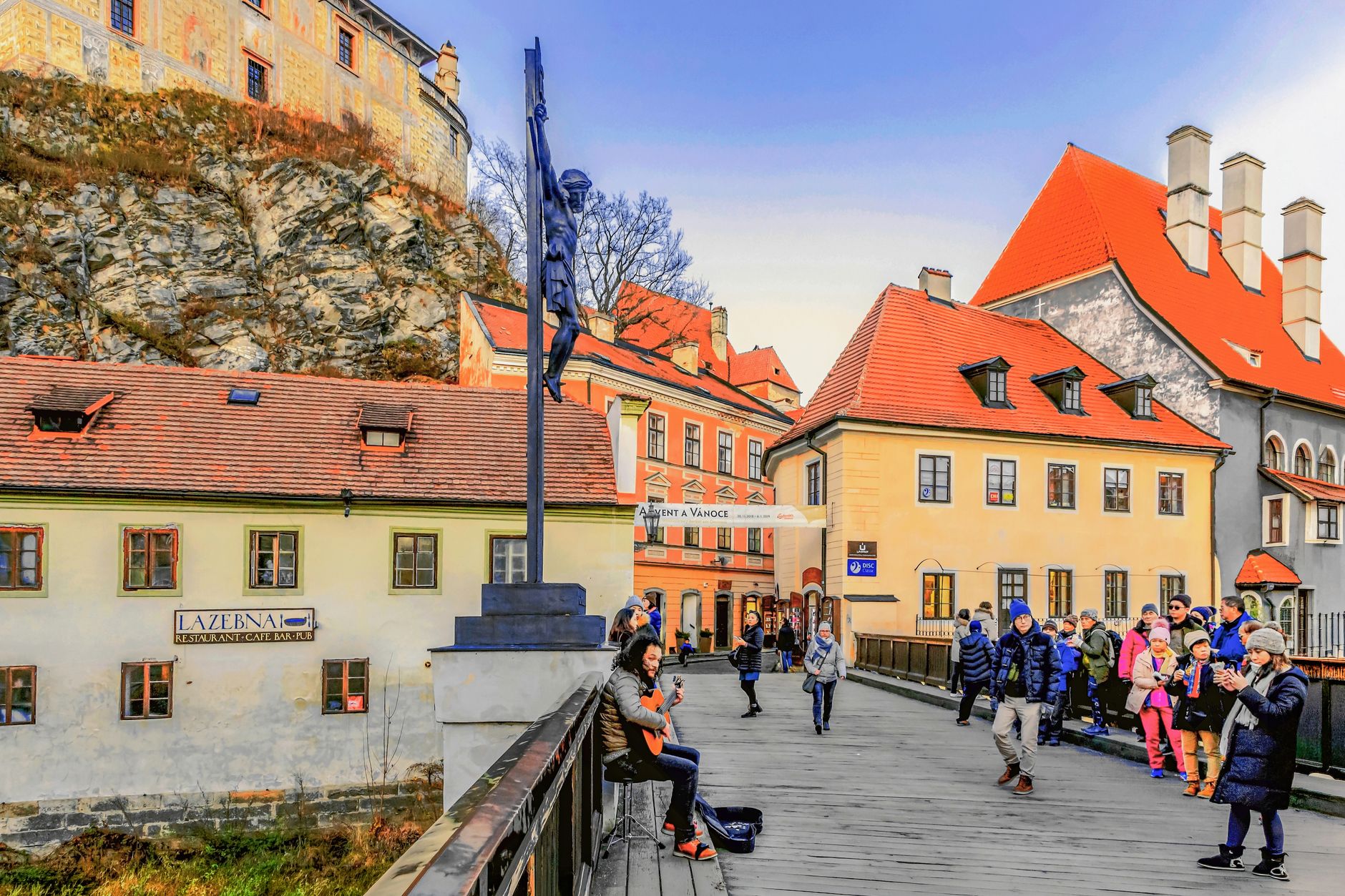

Lauscha sits in a fold of the Thuringian Forest at 611 metres above sea level, its slate-roofed houses stacked up the valley sides like an afterthought of gravity. What the town actually made here — and still makes, in small workshops that smell of hot glass and silver nitrate — is the Christmas tree bauble. Not as a figure of speech. The ornament hanging on your tree almost certainly has its design lineage in this one small German town.
The Farbglashütte, the oldest surviving glass hut in Lauscha, anchors the centre and houses both the Museum für Glaskunst and the tourist office on its second floor. Around it, a handful of working studios remain open most of the year, where you can watch a blower shape molten glass into a sphere in under a minute.
💛 What travellers fall for
People who come back tend to time a second visit for late autumn, when the workshops shift into full production and the Lauscha Christmas Market runs. The Glassblower Festival draws a crowd, but the real draw is stepping into one of the smaller family studios — the kind not listed anywhere — and watching someone do in thirty seconds what took Ludwig Müller-Uri years to perfect.
Deals in Lauscha
Book directly at the provider

How Lauscha came to be
On 10 January 1597, glassmakers Hans Greiner and Christoph Müller received a ducal concession from Duke Johann Casimir of Saxe-Coburg to establish a glassworks here. The forest provided fuel; the valley provided isolation; the craft provided everything else. For two and a half centuries the town made glass tubes, beads and lenses. Then, in 1847, a craftsman named Hans Greiner began blowing glass into fruit-shaped moulds and silvering the insides with a solution of silver nitrate and sugar water. The earliest recorded order for baubles dates to 1848.
By the 1870s Lauscha was shipping ornaments to Britain. In 1879 F.W. Woolworth began exporting them to America, and by 1890 the trade was enormous — running until the First World War interrupted it. The town passed through Saxe-Meiningen, the Weimar Republic, and four decades as part of East Germany's Bezirk Suhl before reunification in 1990 allowed around twenty private firms to re-establish themselves, many returning to hand-blown, hand-silvered production.
Who and what shaped it
People who shaped it
Landmark buildings
See Lauscha in motion
Plan your visit
On the map
When to go
Winters are cold and reliably snowy at this elevation — good for the ski slopes at Ernstthal, less good if you dislike driving on forest roads after dark. Autumn brings the foliage and the glassblowing season into alignment; summers are mild and green, the forest paths quiet.
Right now
Background & history adapted from Wikipedia (CC BY-SA) · specs from Wikidata (CC0) · weather from Open-Meteo · map data © OpenStreetMap contributors · photos from Wikimedia Commons / Unsplash with per-image credit. No third-party reviews or social posts reproduced.