
Langeoog
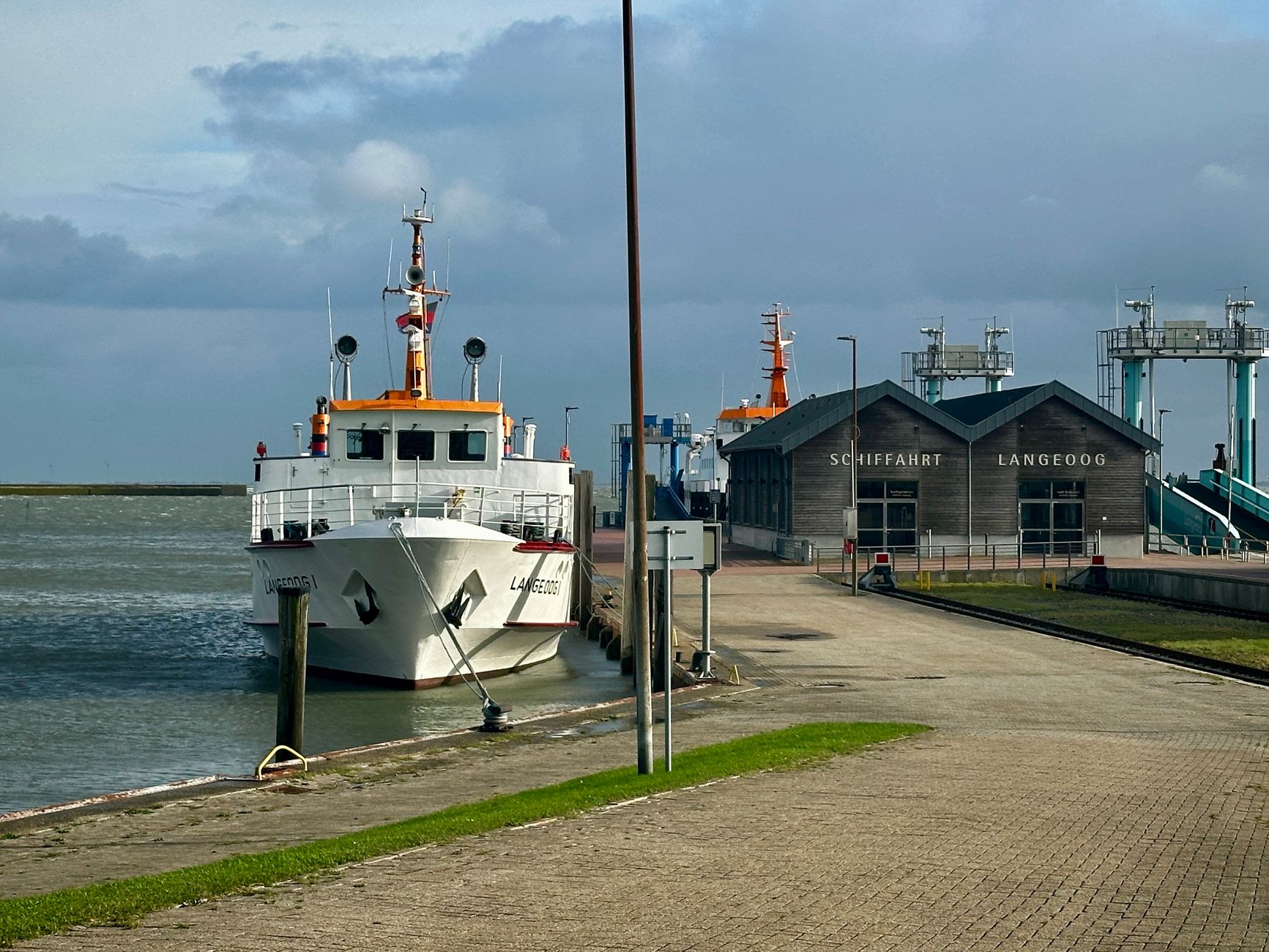
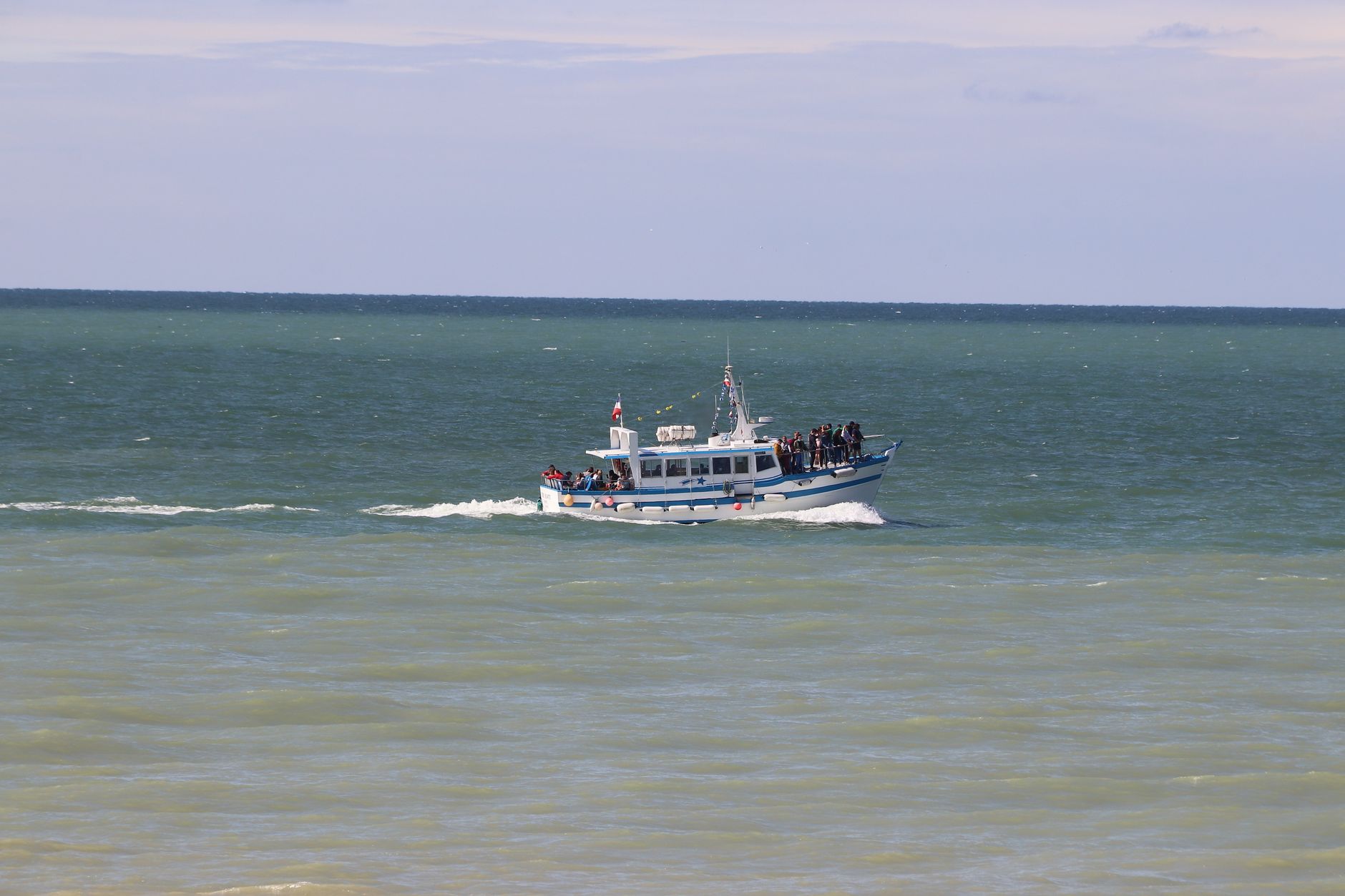
Langeoog is fourteen kilometres of beach and almost no cars. The island runs on bicycles, tractors, and a narrow-gauge railway that has been trundling passengers from the ferry pier to the village since 1901. You leave your car on the mainland at Bensersiel and board one of four ferries — the crossing takes about an hour — and by the time the dunes come into view, the mainland already feels like someone else's problem.
The water tower from 1909, eighteen metres of red brick, is the tallest thing on the skyline. The island's actual footprint shifts with every tide. Its dune cemetery holds, among others, the grave of Lale Andersen, the singer who gave the world 'Lili Marleen'.
💛 What travellers fall for
People who keep coming back tend to say the same thing about the dune cemetery — go in the late afternoon, when the light is low and the marram grass catches the wind. They also mention renting a bike from the village rather than walking from the station, and checking the ferry schedule the night before since it runs only five times a day.
Deals in Langeoog
Book directly at the provider


How Langeoog came to be
The name Langeoog appears in records as early as 1398, and for most of the centuries that followed it was a poor fishing settlement on a sandbar that the sea occasionally rearranged. The Christmas storm tide of 1717 split the island into three separate pieces. By 1830 the first paying guests were arriving, and the village began its slow conversion from subsistence fishing to tourism.
The twentieth century brought harder history. From 1940 the island was developed as an air base, and from 1941 onward, Soviet prisoners of war — 113 in total — were brought to perform forced labour alongside 250 French prisoners already on the island. The Dune Cemetery, established in 1945 at the foot of the Heerenhusdünen, holds their memorials alongside those of German soldiers and Baltic German evacuees.
Who and what shaped it
People who shaped it
Landmark buildings
See Langeoog in motion
Plan your visit
On the map
When to go
July through September is the most comfortable window, with daytime temperatures between roughly 18°C and 21°C, though August still brings rain on about half its days. Winter is genuinely cold and raw — averages hover between 1°C and 4°C in January — but the storms, which blow through frequently, rarely last more than four hours.
Right now
Background & history adapted from Wikipedia (CC BY-SA) · specs from Wikidata (CC0) · weather from Open-Meteo · map data © OpenStreetMap contributors · photos from Wikimedia Commons / Unsplash with per-image credit. No third-party reviews or social posts reproduced.