
Laguna Nichupté
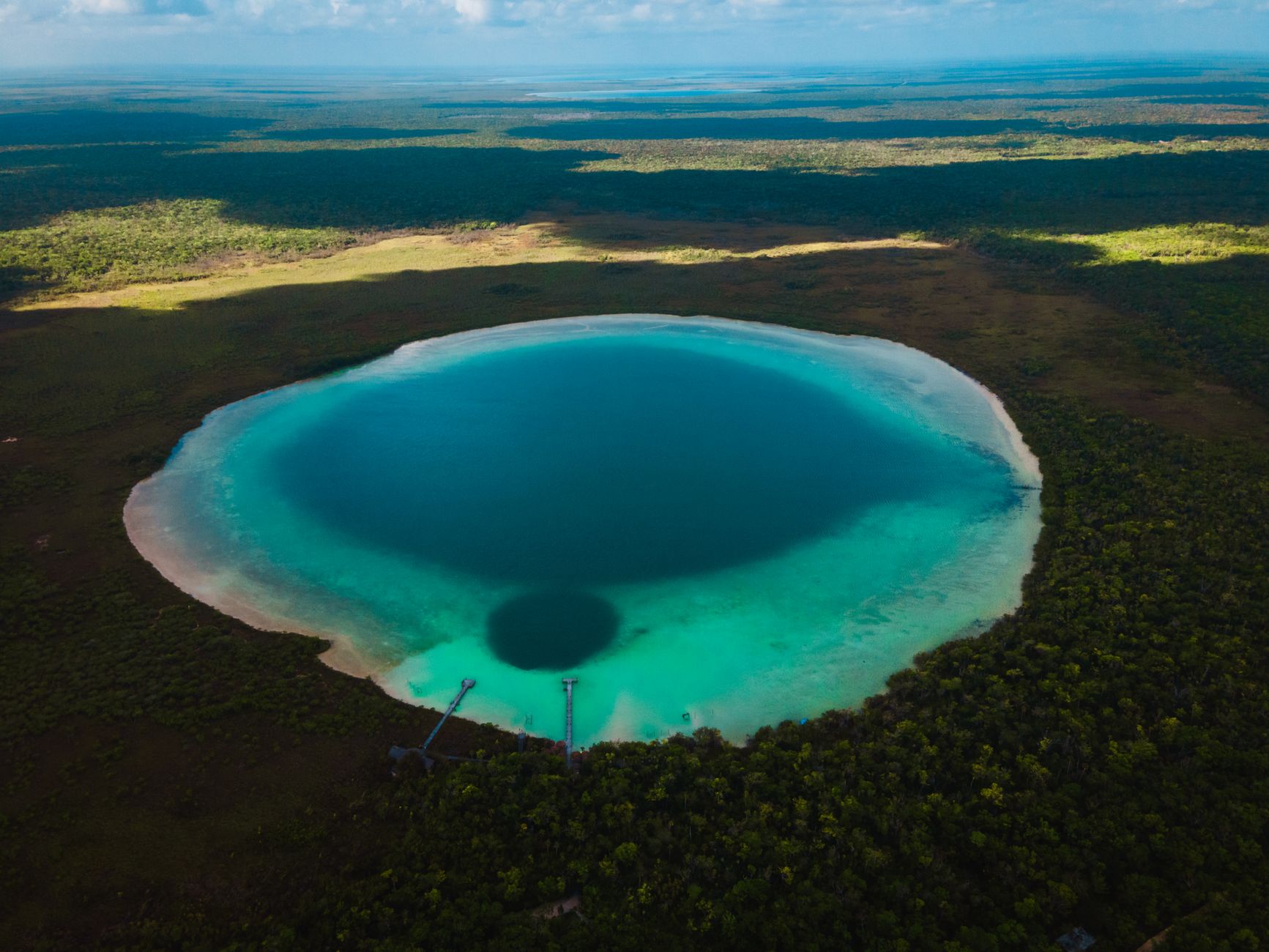
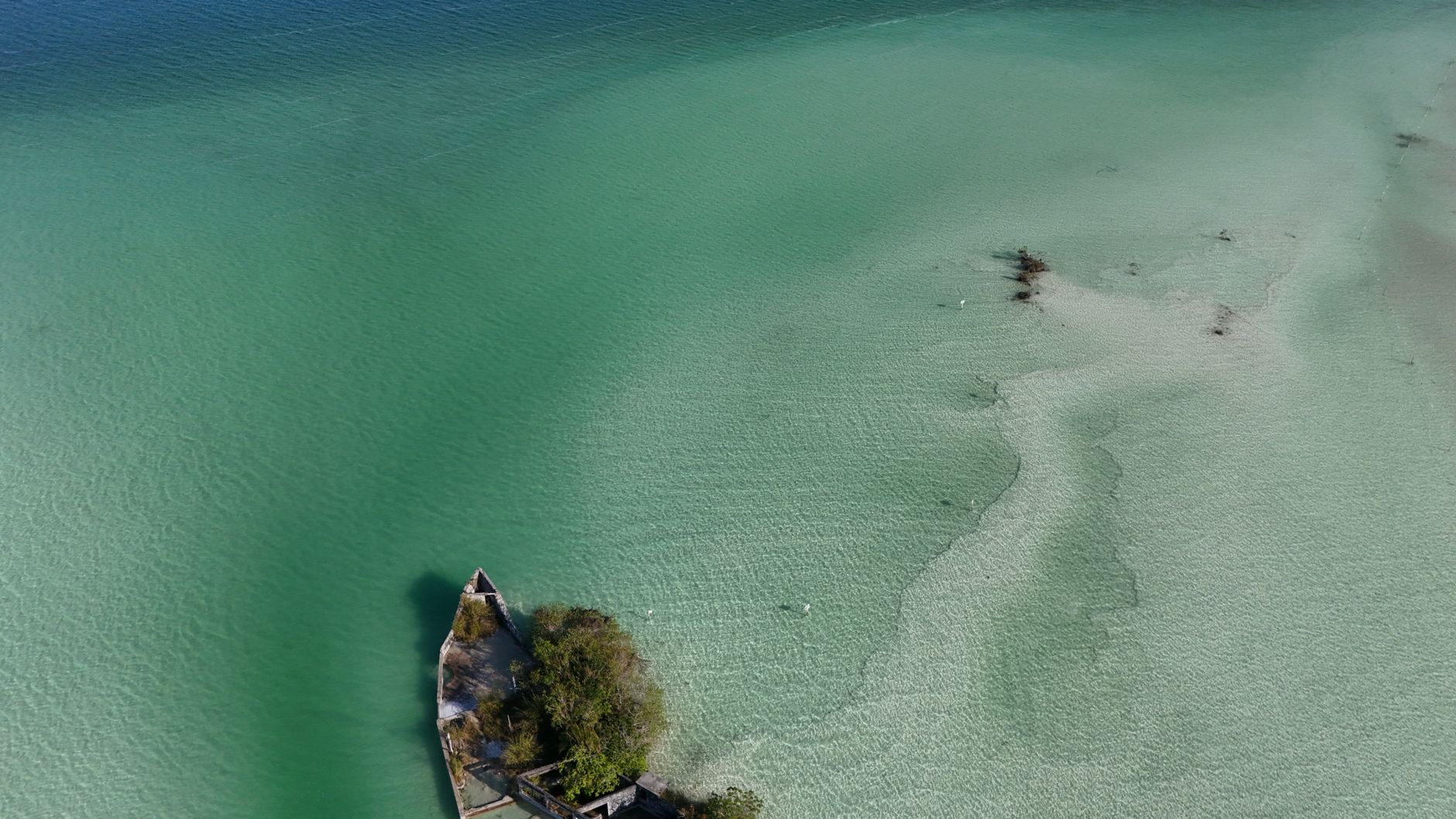
The name Nichupté comes from the Maya for "little grass" — a reminder of what this place was before the hotels arrived. Today the lagoon stretches across seven interconnected lakes behind the Hotel Zone, its shallow water rarely deeper than two meters, its mangrove edges still alive with 160 bird species and the occasional Morelet crocodile moving slow and deliberate through the roots.
The air here carries salt and the particular green smell of mangrove leaves, undercut in the evenings by frog song and cicadas. It is the quieter side of Cancún, separated from the Caribbean by a thin strip of land, and it rewards the kind of attention most visitors save for the beach.
💛 What travellers fall for
People who come back tend to book the nighttime bioluminescence tour rather than the daytime run — the water lights up around the paddle in a way that is genuinely hard to explain. They also tend to arrive at Lorenzillos or Harry's just before sunset, when the lagoon turns copper and the crocodiles are easiest to spot from the terrace.
Deals in Laguna Nichupté
Book directly at the provider


How Laguna Nichupté came to be
Laguna Nichupté entered the modern record in the 1970s, when urban planners building Cancún from scratch incorporated it into the city's master layout. To improve water flow between the lagoon system and the Caribbean, some 372,000 cubic meters of mangrove were dredged to create the Siegfried and Nichupté Channels — a transformation that would take decades to reckon with.
Hurricane Wilma hit in 2005 and stripped out significant portions of the remaining mangroves. Three years later, in 2008, Mexico's CONANP declared the area a protected flora and fauna zone — the Manglares de Nichupté — and a reforestation campaign began the same year. The newest landmark is the Nichupté Vehicular Bridge, an 11.2-kilometer concrete span with a 103-meter arch that opened in May 2026, connecting Downtown Cancún to the Hotel Zone directly across the lagoon.
Who and what shaped it
Landmark buildings
See Laguna Nichupté in motion
Plan your visit
On the map
When to go
December through April is the clearest stretch — warm days in the 75–90°F range, low humidity, and the kind of afternoon light that makes the lagoon look almost theatrical at sunset. Late summer into mid-fall brings heat, humidity, and occasional rain, though the crowds thin out considerably.
Right now
Background & history adapted from Wikipedia (CC BY-SA) · specs from Wikidata (CC0) · weather from Open-Meteo · map data © OpenStreetMap contributors · photos from Wikimedia Commons / Unsplash with per-image credit. No third-party reviews or social posts reproduced.