
La Rochelle
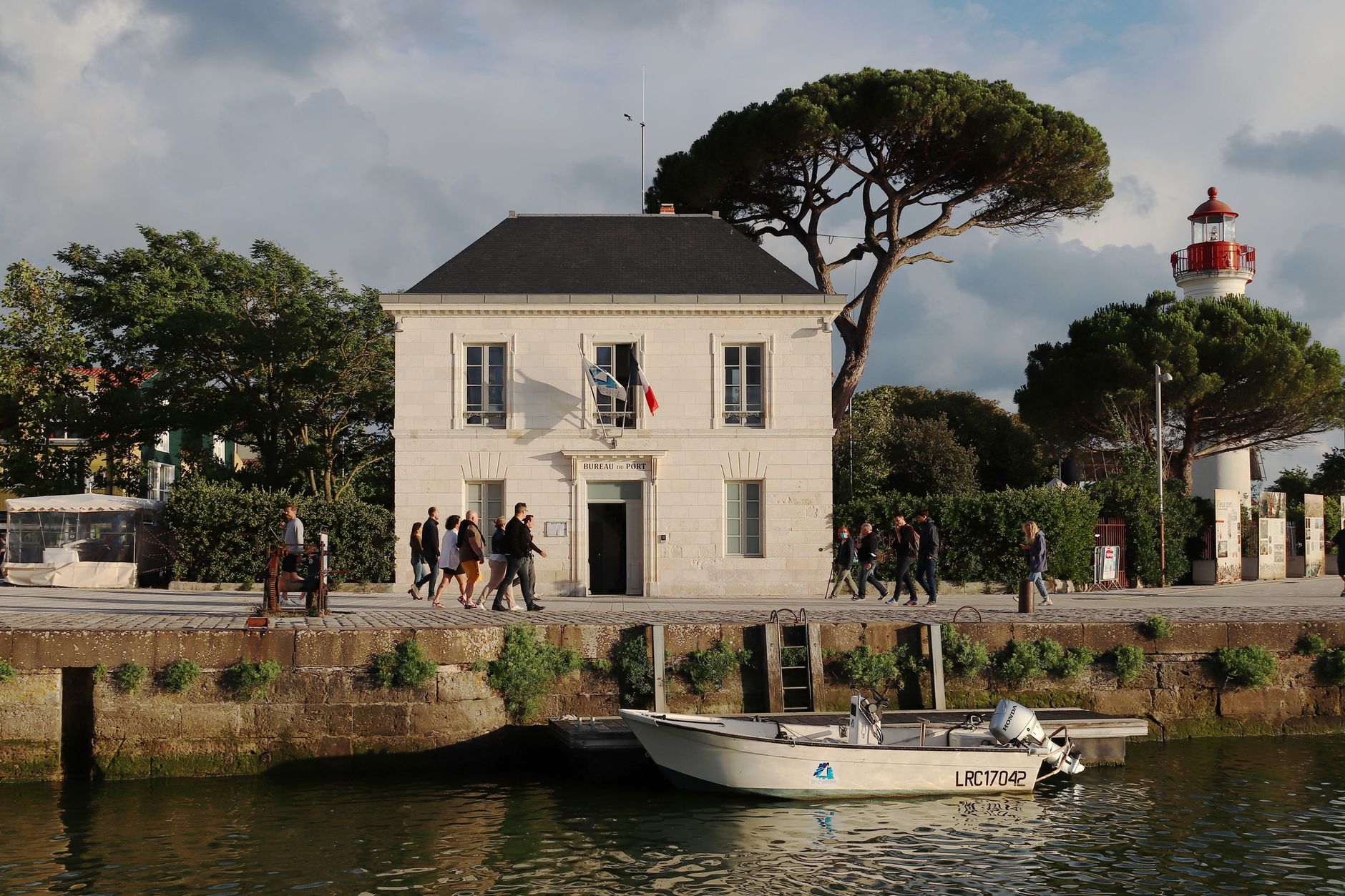
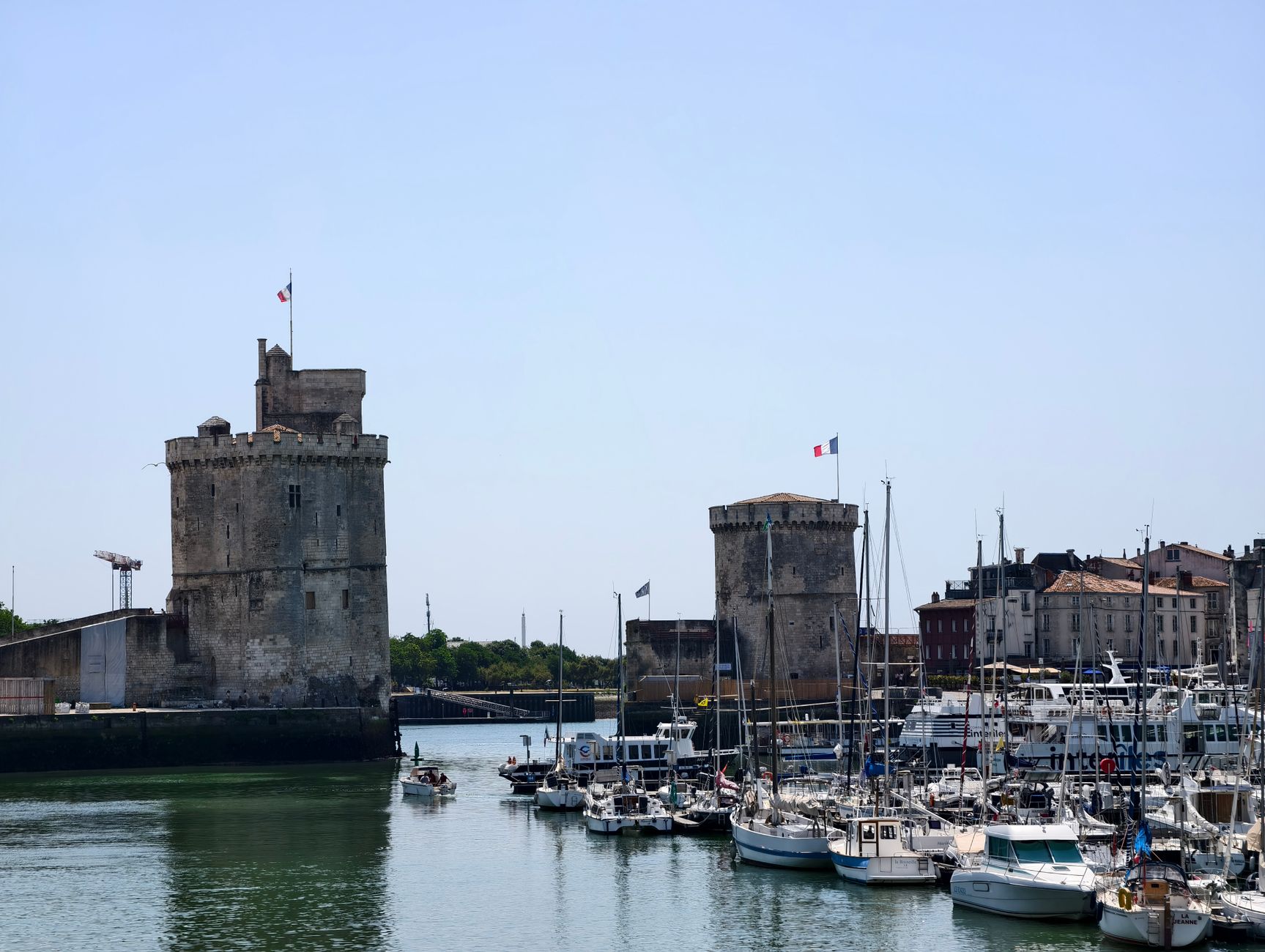
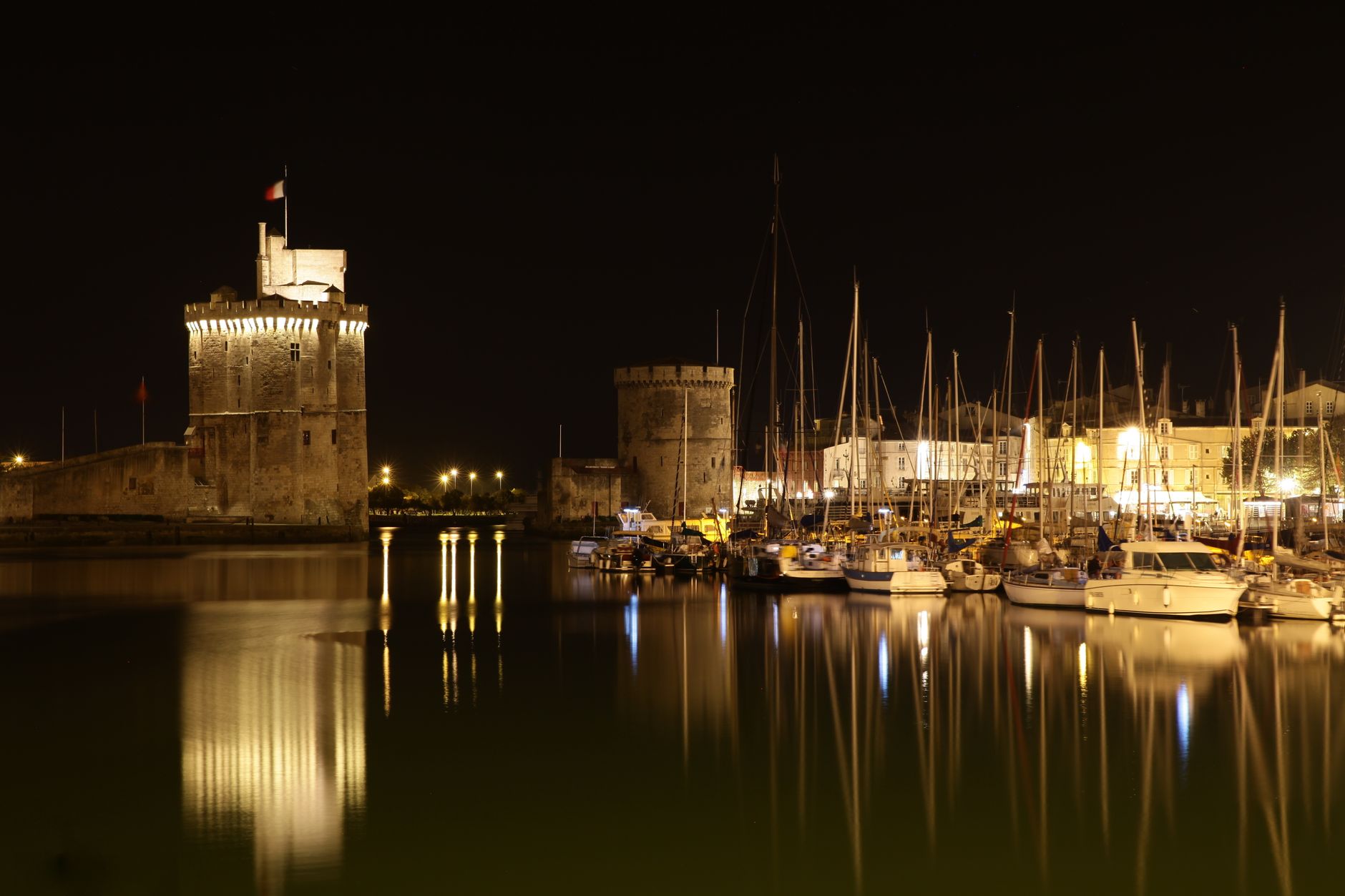
La Rochelle announces itself through stone and water. Three medieval towers stand at the mouth of the old port, and the chain that once stretched between two of them to seal the harbour against enemies is long gone — but the towers remain, each one a different shape, a different century, a different story. The city earned its name from a Latin diminutive meaning 'little rock', first recorded in 961, and there is something still compact and self-contained about it.
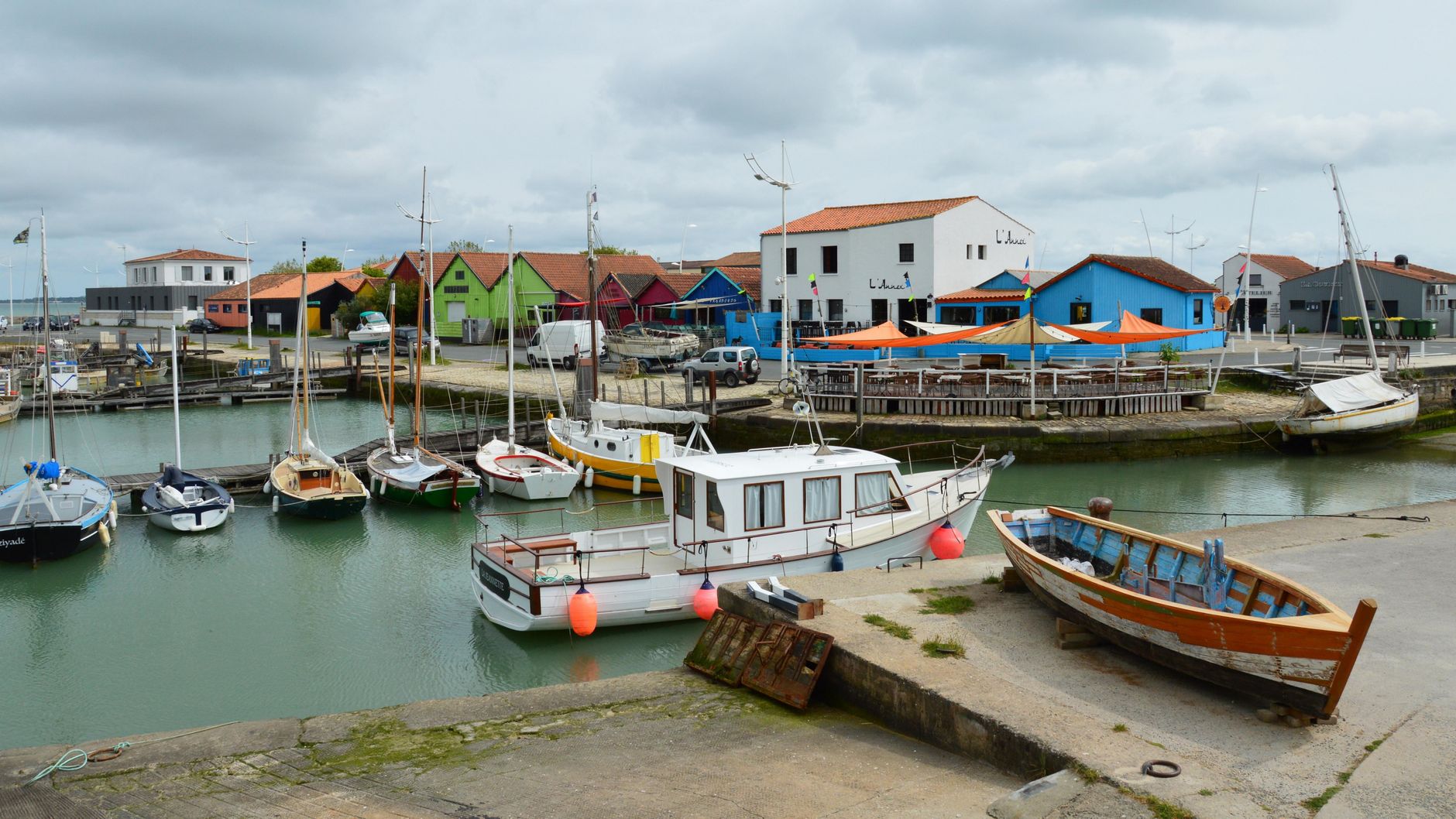
The arcaded streets of the old town, lined with 16th and 17th-century houses decorated with gargoyles and allegorical figures, pull you out of the sun and into shade without asking. At the port's edge, the largest marina in Europe stretches south — thousands of masts, the smell of rope and salt.
💛 What travellers fall for
People who come back tend to go straight to the Tour de la Lanterne on a quiet morning, before the queues. The 600-odd pieces of graffiti carved into the walls by imprisoned privateers and later soldiers are the kind of detail that stays with you. The combined tower ticket at 13 euros, which includes the water-bus crossing, earns its keep.
Experiences you don't want to miss




Deals in La Rochelle
Book directly at the provider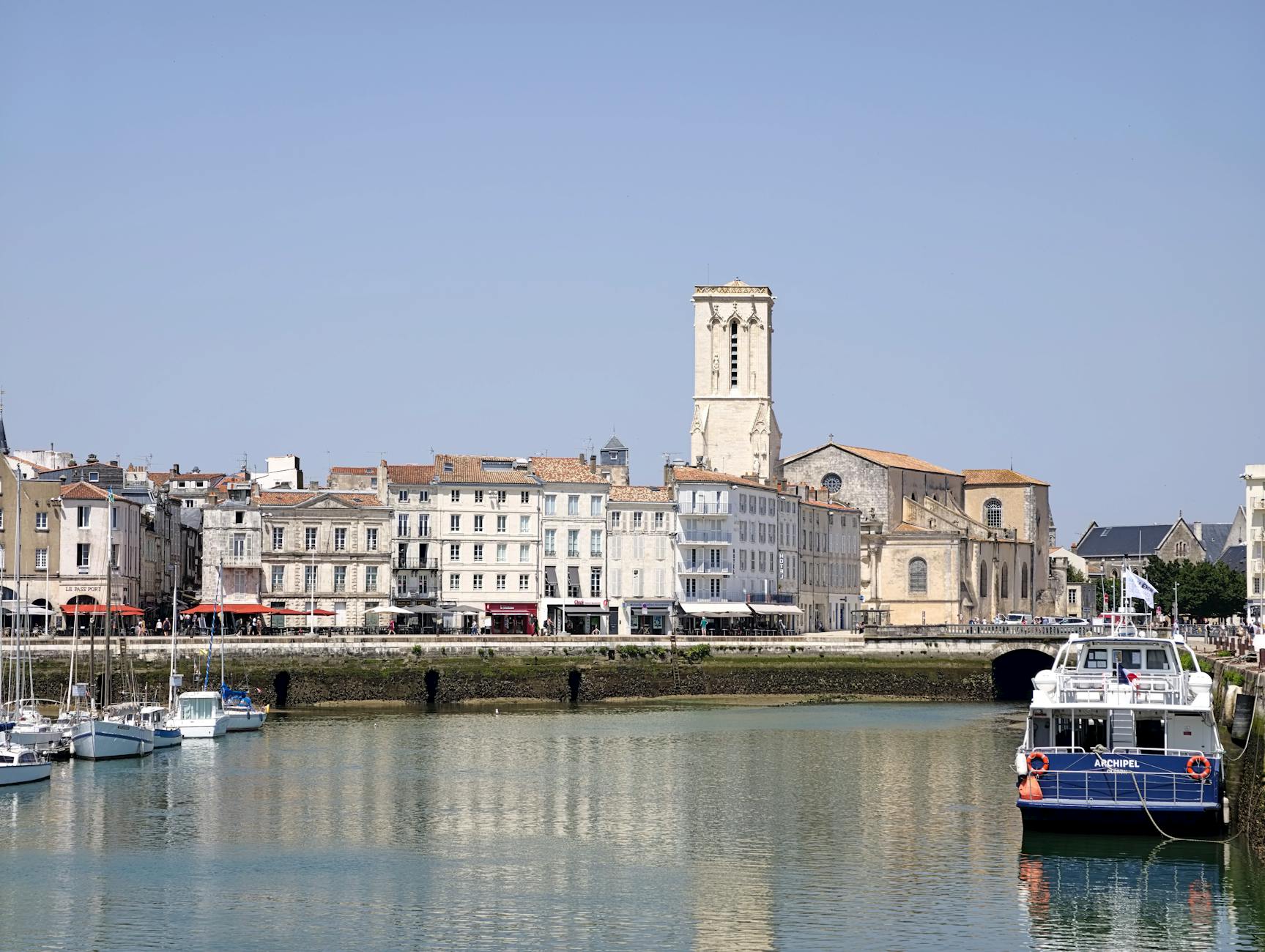

How La Rochelle came to be
In 1130, Duke Guillaume X of Aquitaine took the harbour settlement after defeating a local lord, and by 1137 he had made it a free port with the right to govern itself as a commune — unusual freedoms that shaped the city's independent character for centuries. La Rochelle became the Knights Templar's largest Atlantic base, and later a stronghold of French Protestantism.
That independence came at a cost. In 1627–28, Cardinal Richelieu's forces laid siege to the city for fourteen months. Of 25,000 inhabitants, only 6,000 survived the famine. The Huguenots who eventually fled after Louis XIV revoked the Edict of Nantes in 1685 carried the city's name with them: New Rochelle, near New York, was founded by those exiles in 1689.
Who and what shaped it
People who shaped it
Landmark buildings
See La Rochelle in motion
Plan your visit
On the map
When to go
Winters are mild by French Atlantic standards — January averages around 7°C, with rain and occasional wind but rarely hard cold. Summer peaks in August at just under 21°C, warm enough for the port and the beaches without the intensity of the south; June and September offer similar warmth with noticeably thinner crowds.
Right now
Background & history adapted from Wikipedia (CC BY-SA) · specs from Wikidata (CC0) · weather from Open-Meteo · map data © OpenStreetMap contributors · photos from Wikimedia Commons / Unsplash with per-image credit. No third-party reviews or social posts reproduced.