
La Libertad
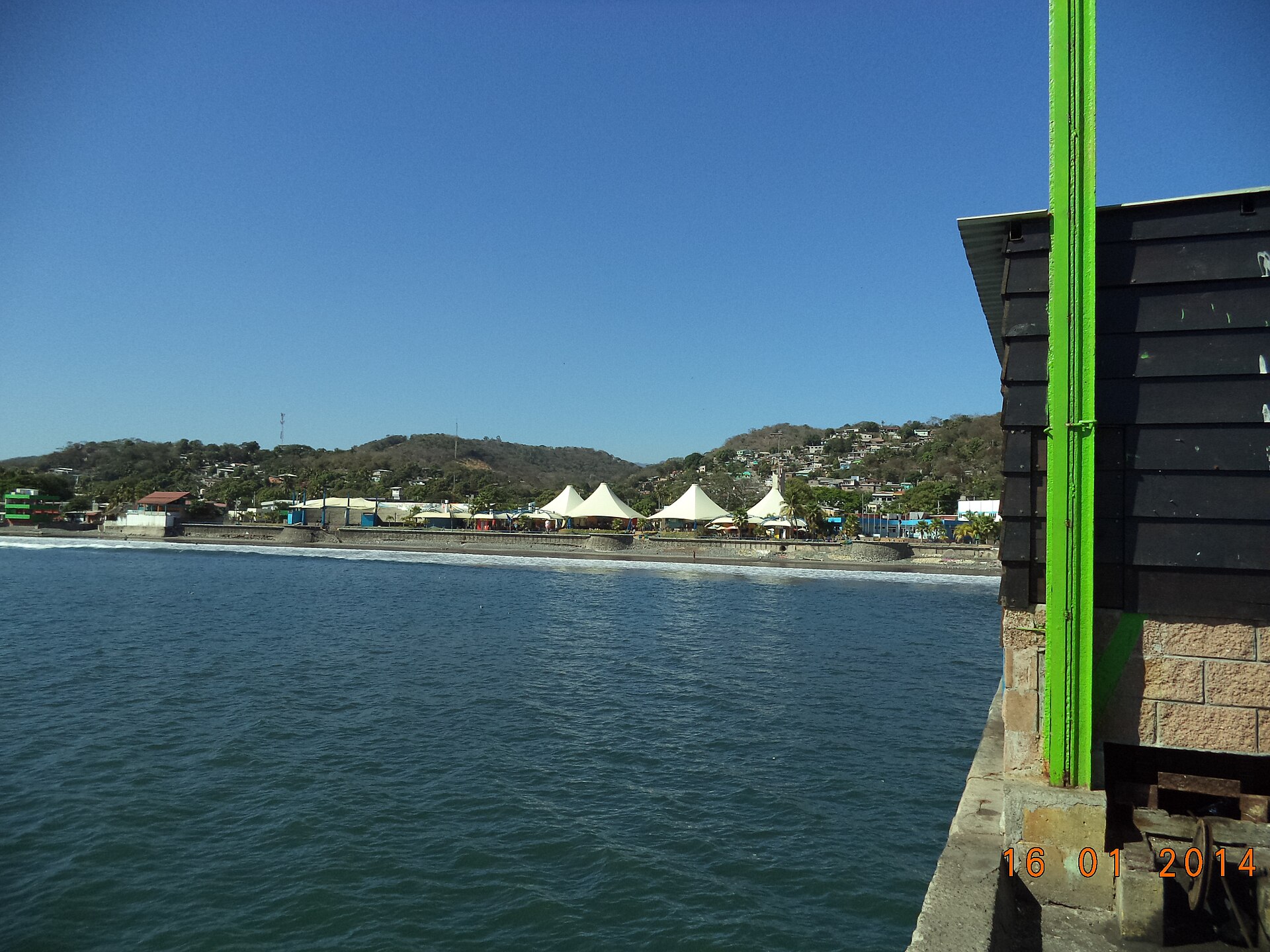
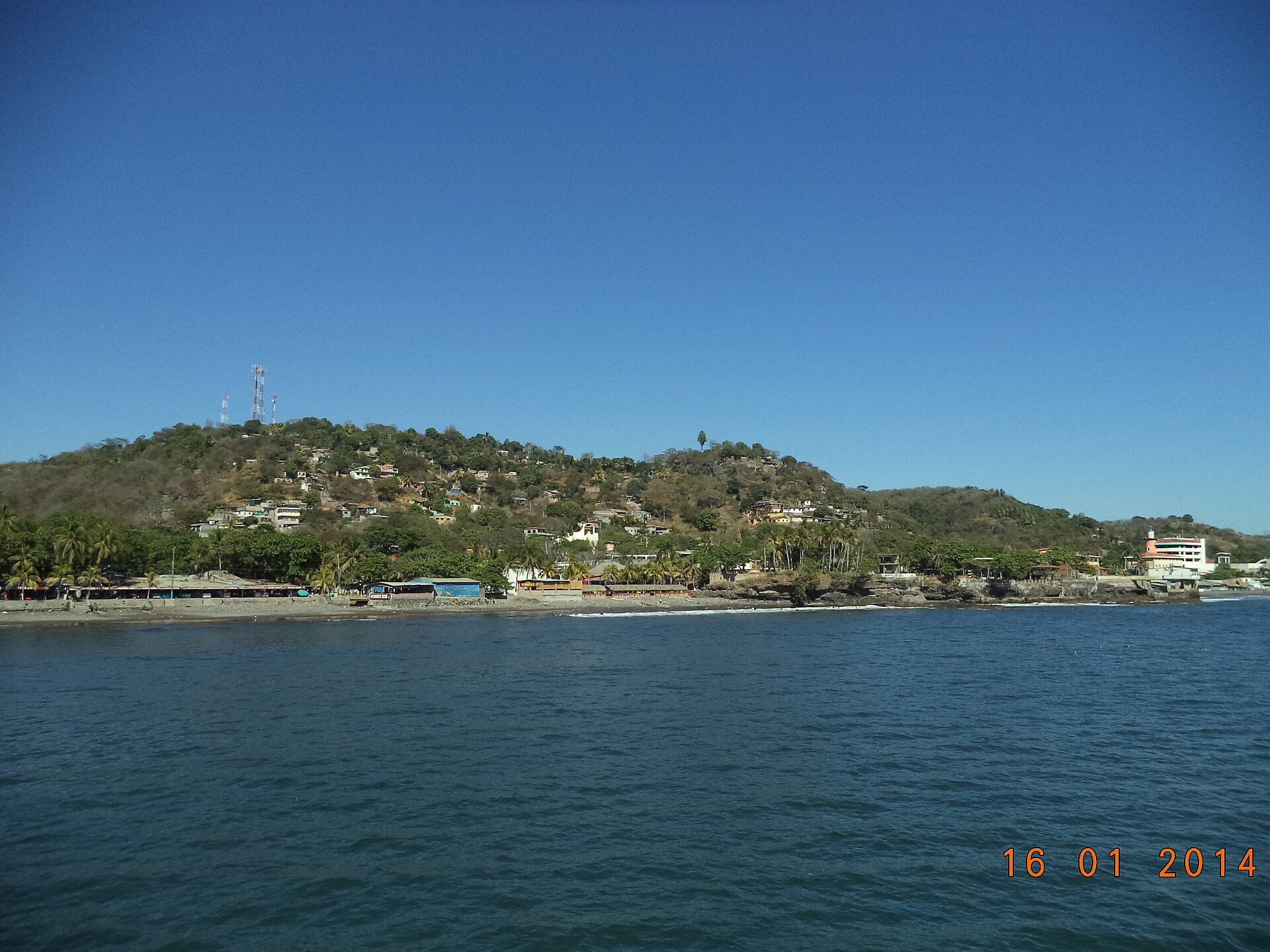
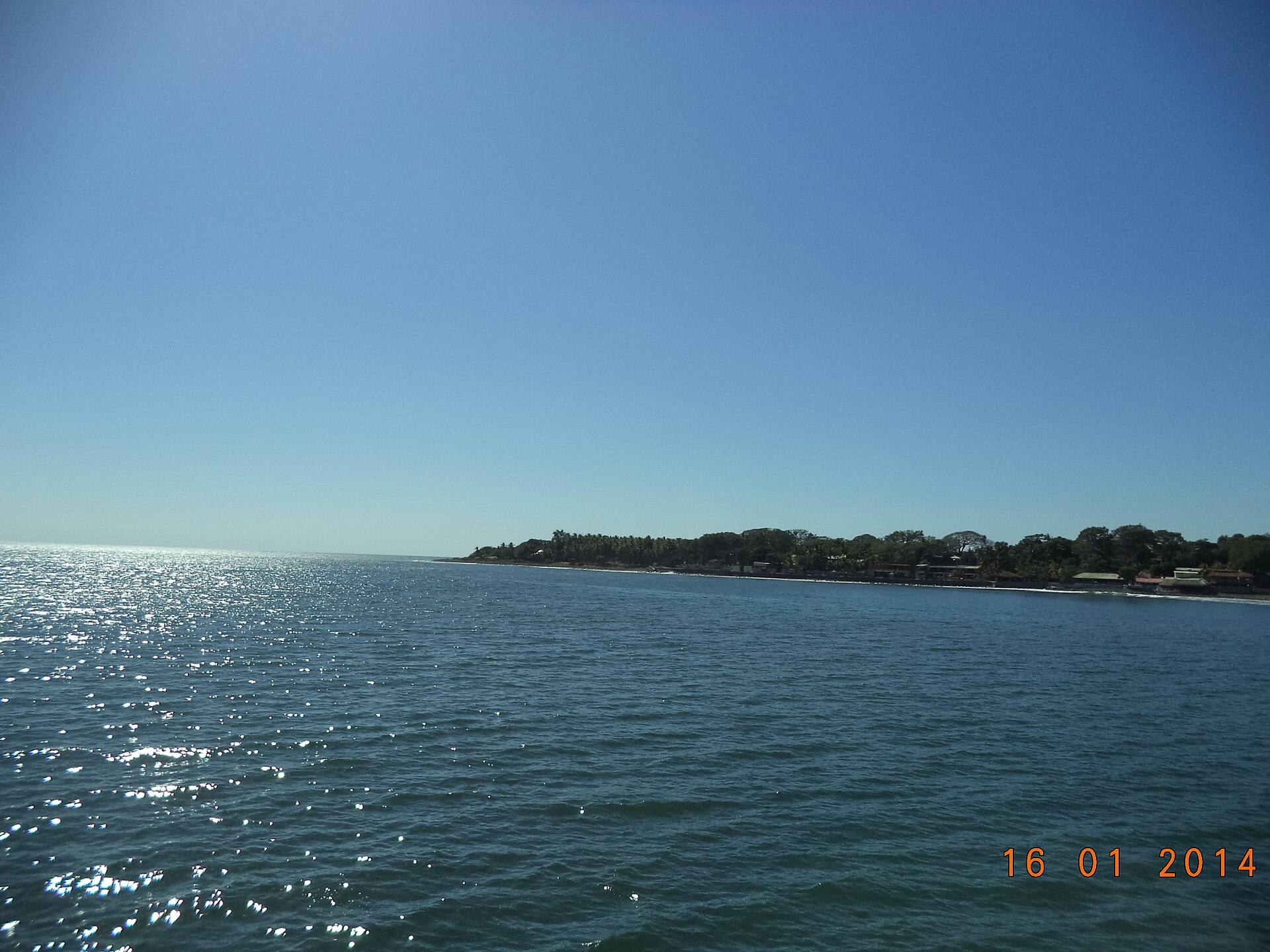
La Libertad is where El Salvador meets the Pacific — a working port town turned surf region that runs on morning fish markets, heavy swells, and the kind of unhurried waterfront life that resists being prettified. The wooden pier has stood in some form since 1869, and fishermen still unload snapper and blue crabs at its foot while vendors grill the catch a few meters away.
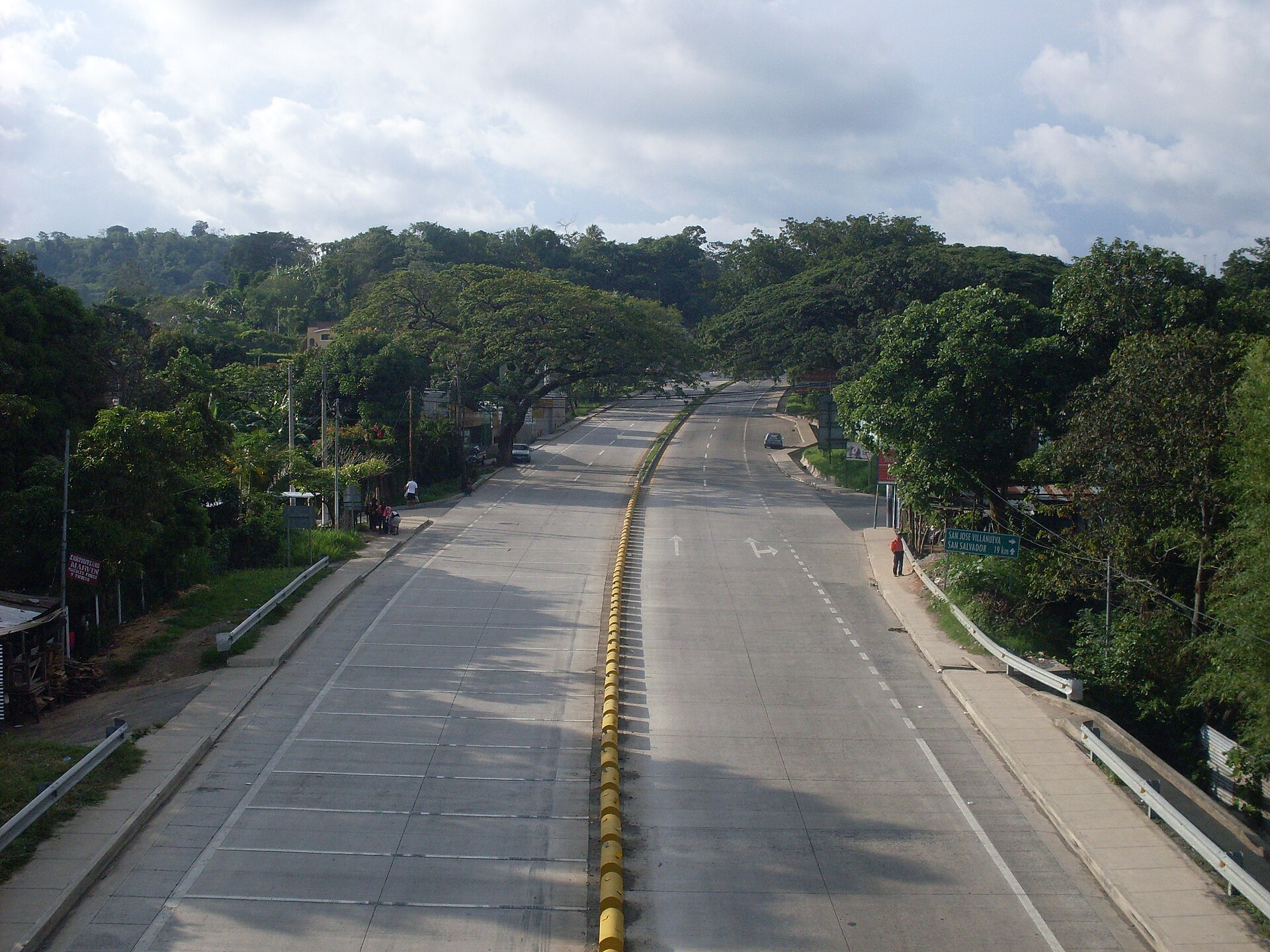
The region stretches along the coast west of the capital, anchored by the port city itself and a string of beach breaks — Punta Roca, Sunzal, El Zonte — that have drawn surfers since the 1970s. It is close enough to San Salvador for a day trip and substantial enough to hold you for several days.
💛 What travellers fall for
Regulars tend to time arrivals for early morning, when the fish market on the pier is at full noise and the day's catch is still iced down on the dock. The bus from Sunzal runs from 4:30am, costs a quarter, and gets you there before the crowds. For coffee and a quieter stretch of coast, El Zonte is the default second stop.
Experiences you don't want to miss


How La Libertad came to be
The area was recorded as the hacienda Tepeahua in 1770, its Nahuatl name meaning 'mountain of the oak trees.' On February 24, 1824, the Congress of the Federal Republic of Central America renamed it Puerto de La Libertad — the Port of Liberty — and in 1831 chartered it for commercial trade along the Pacific coast. The first steamboat arrived June 7, 1857.
The iron pier, central to the town's identity ever since, was contracted in 1867 and opened October 7, 1869 — the same year the telegraph line to San Salvador was inaugurated, connecting a town of 266 people to the capital. La Libertad was elevated to villa in 1874 and to ciudad in 1957. The pier was renovated in 2003; the Malecón boardwalk was developed between 2008 and 2010.
Who and what shaped it
People who shaped it
Landmark buildings
See La Libertad in motion
Plan your visit
On the map
When to go
Temperatures sit between 29°C and 31°C year-round, with December through March bringing lower humidity and reliable sunshine — January averages over ten hours of daylight. The wet season runs May through October, with September the heaviest month; the coast stays warm throughout, but afternoon downpours are routine by mid-year.
Right now
Background & history adapted from Wikipedia (CC BY-SA) · specs from Wikidata (CC0) · weather from Open-Meteo · map data © OpenStreetMap contributors · photos from Wikimedia Commons / Unsplash with per-image credit. No third-party reviews or social posts reproduced.