
Königstein
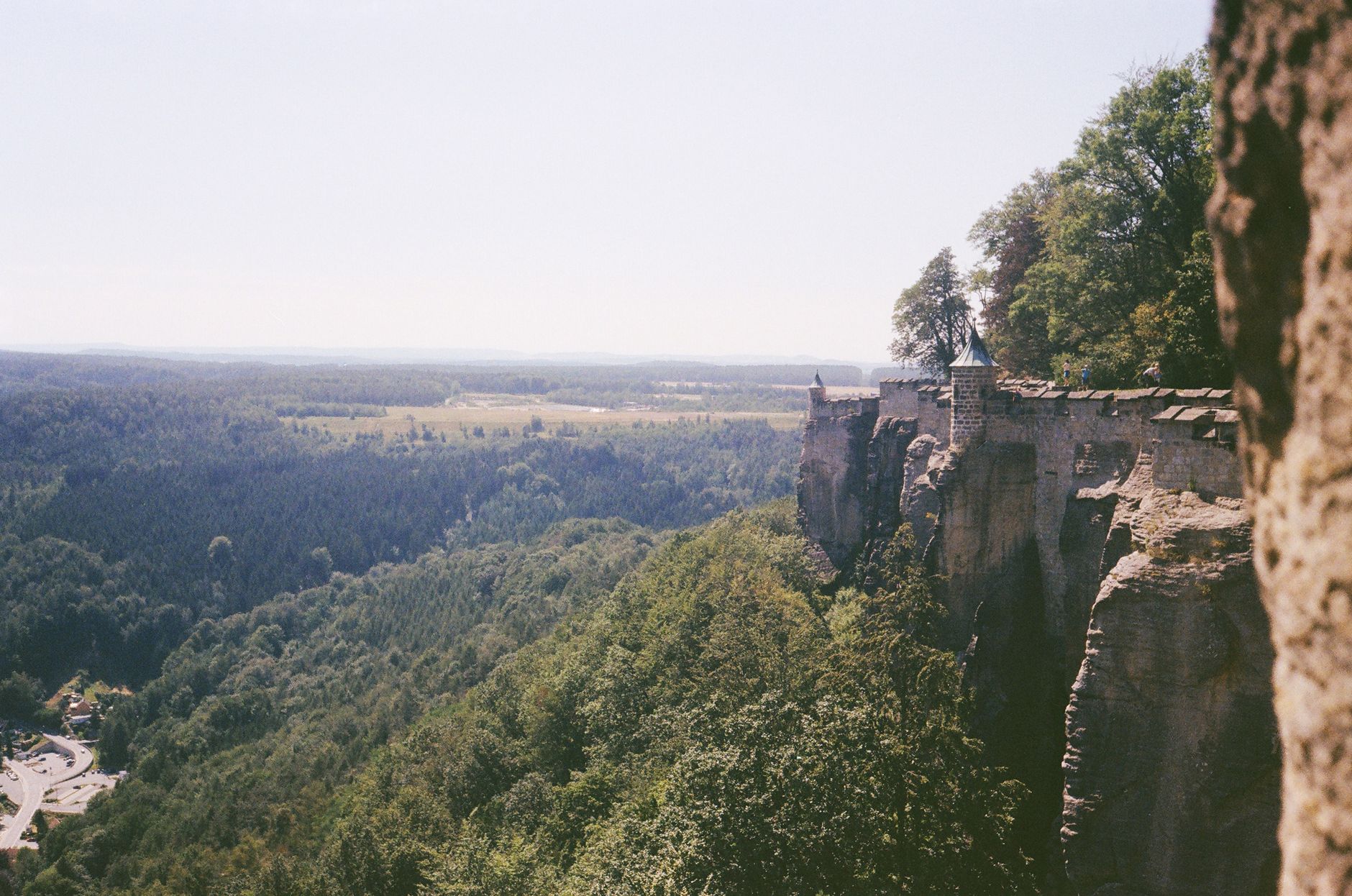
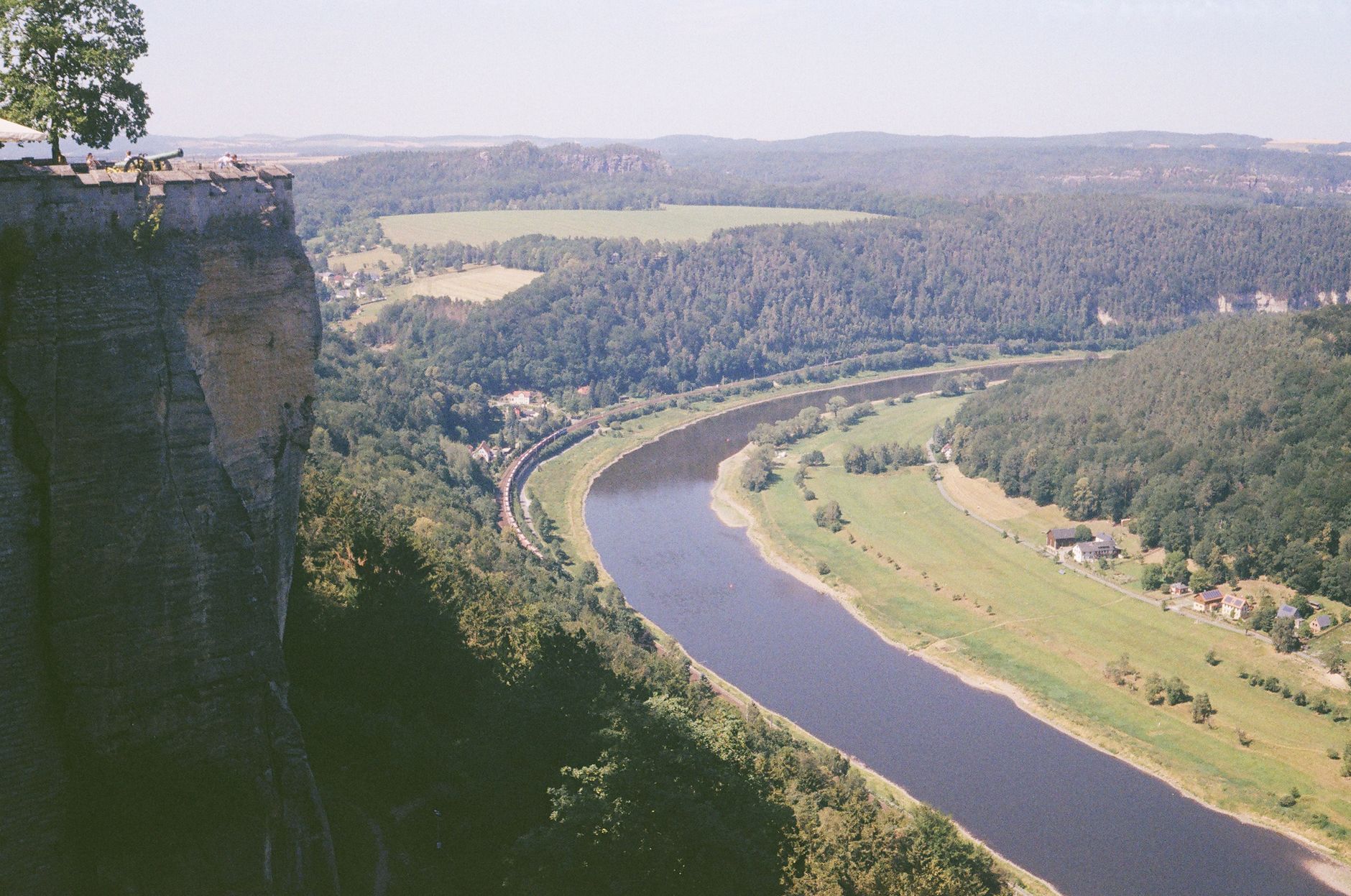
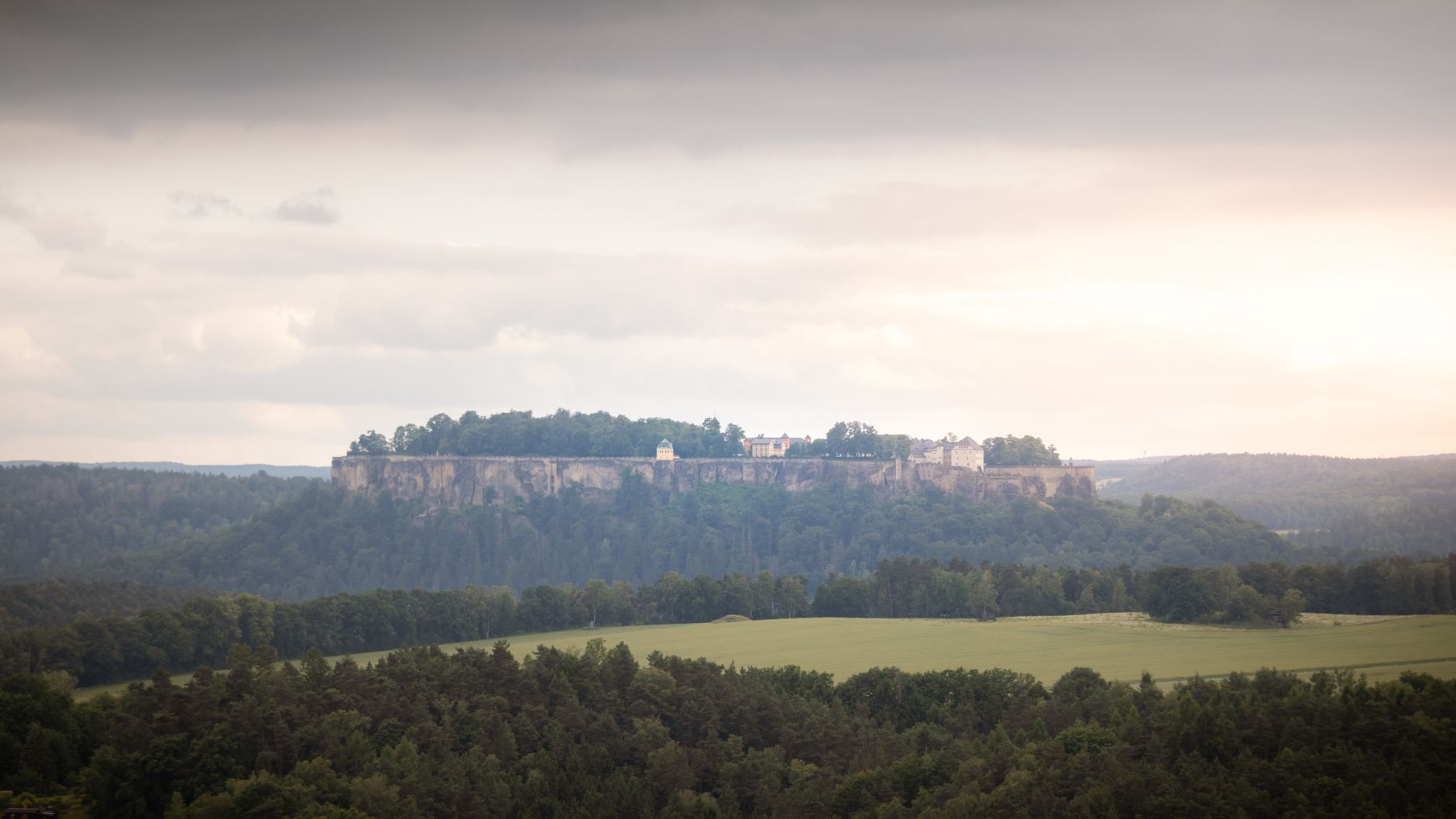

A sandstone plateau rising 240 metres above the Elbe carries more than fifty buildings, some over four centuries old, on its 9.5 hectares — and a well bored 152.5 metres straight down through solid rock, the deepest in Saxony. That well took six years to dig (1563–1569) and still draws attention the way extreme things do: quietly, once you understand the scale.
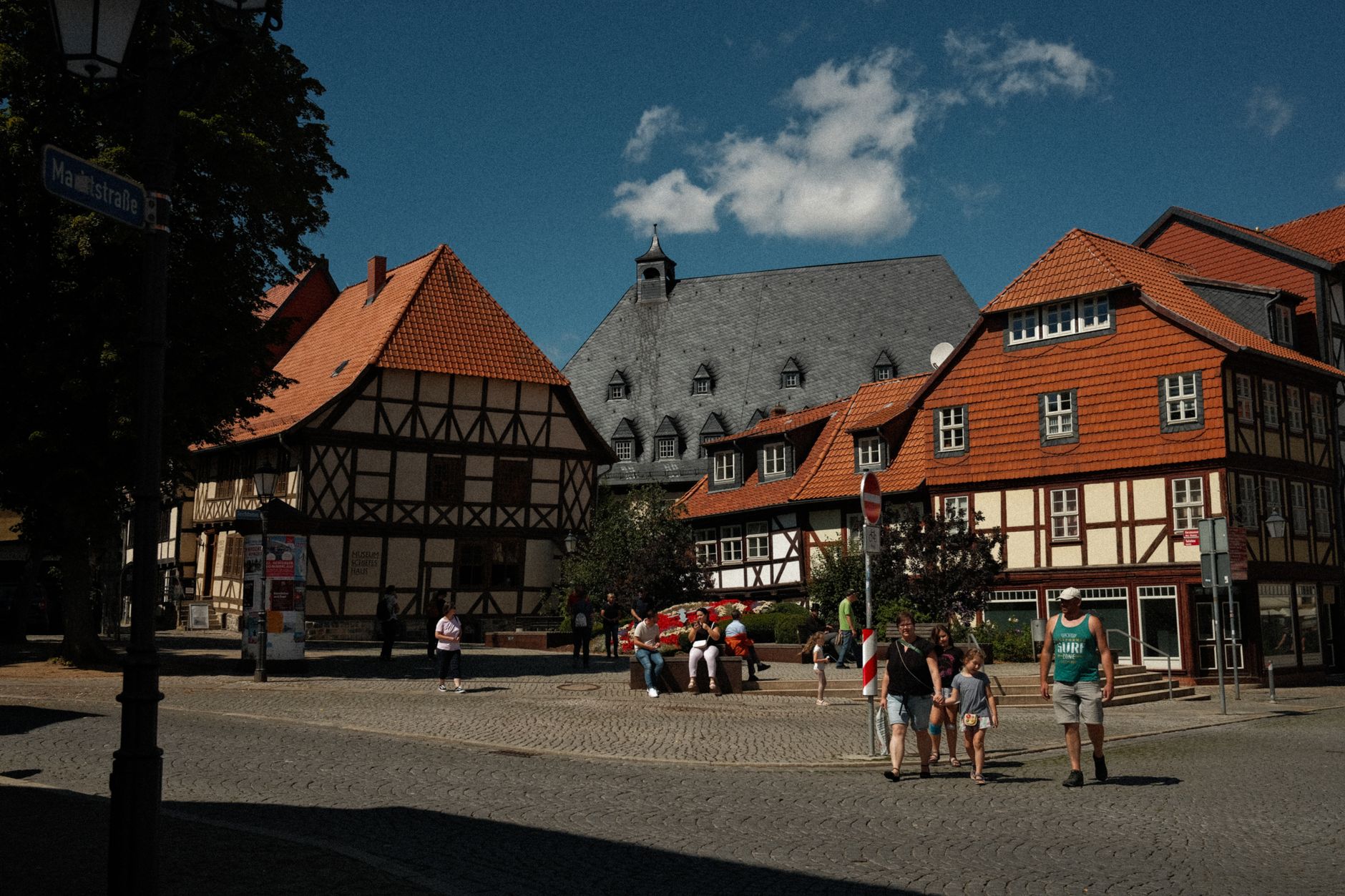
Königstein the town sits below, compact and easily walked, with an S-Bahn connection to Dresden and a landing stage for the old Elbe paddle steamers. Most people come for the fortress above, which is fair enough — it earned its reputation.
💛 What travellers fall for
People who return tend to go straight past the main gates to the Friedrichsburg tower for the Elbe valley view, then double back to the Old Armoury before the tour groups fill it. The shuttle from the car park is fine, but the 20-minute walk up repays the effort — you arrive with a sense of what the walls actually kept out.
Deals in Königstein
Book directly at the provider


How Königstein came to be
The rock appears in documents as early as 1233, when Wenceslas I of Bohemia granted it a royal charter; a Latin version of the name — Lapis regis, King's Stone — follows in 1241. A castle was probably here in the 12th century, and the garrison church at its core began as a Romanesque chapel around 1200. Saxony took possession in 1459 under the Treaty of Eger.
Between 1589 and the mid-17th century, successive electors turned it into the strongest fortification in Saxony, adding the Gatehouse, the Old Barracks (still the oldest preserved barracks in Germany), and the Christiansburg. August the Strong had a wine barrel of nearly 250,000 litres installed in the 1720s. From 1591 to 1922 it also served as a state prison — its inmates included the anarchist Mikhail Bakunin, SPD founder August Bebel, and the dramatist Frank Wedekind. French general Henri Giraud escaped from here in April 1942. Since 1955 the fortress has been an open-air military history museum.
Who and what shaped it
People who shaped it
Landmark buildings
See Königstein in motion
Plan your visit
On the map
When to go
Summers in Saxon Switzerland are warm and often clear, making the plateau views their best between May and September. Winter brings cold and occasional snow — atmospheric during the Advent market weekends, but the fortress is largely closed to casual visits outside those dates.
Right now
Background & history adapted from Wikipedia (CC BY-SA) · specs from Wikidata (CC0) · weather from Open-Meteo · map data © OpenStreetMap contributors · photos from Wikimedia Commons / Unsplash with per-image credit. No third-party reviews or social posts reproduced.