
Kom Ombo
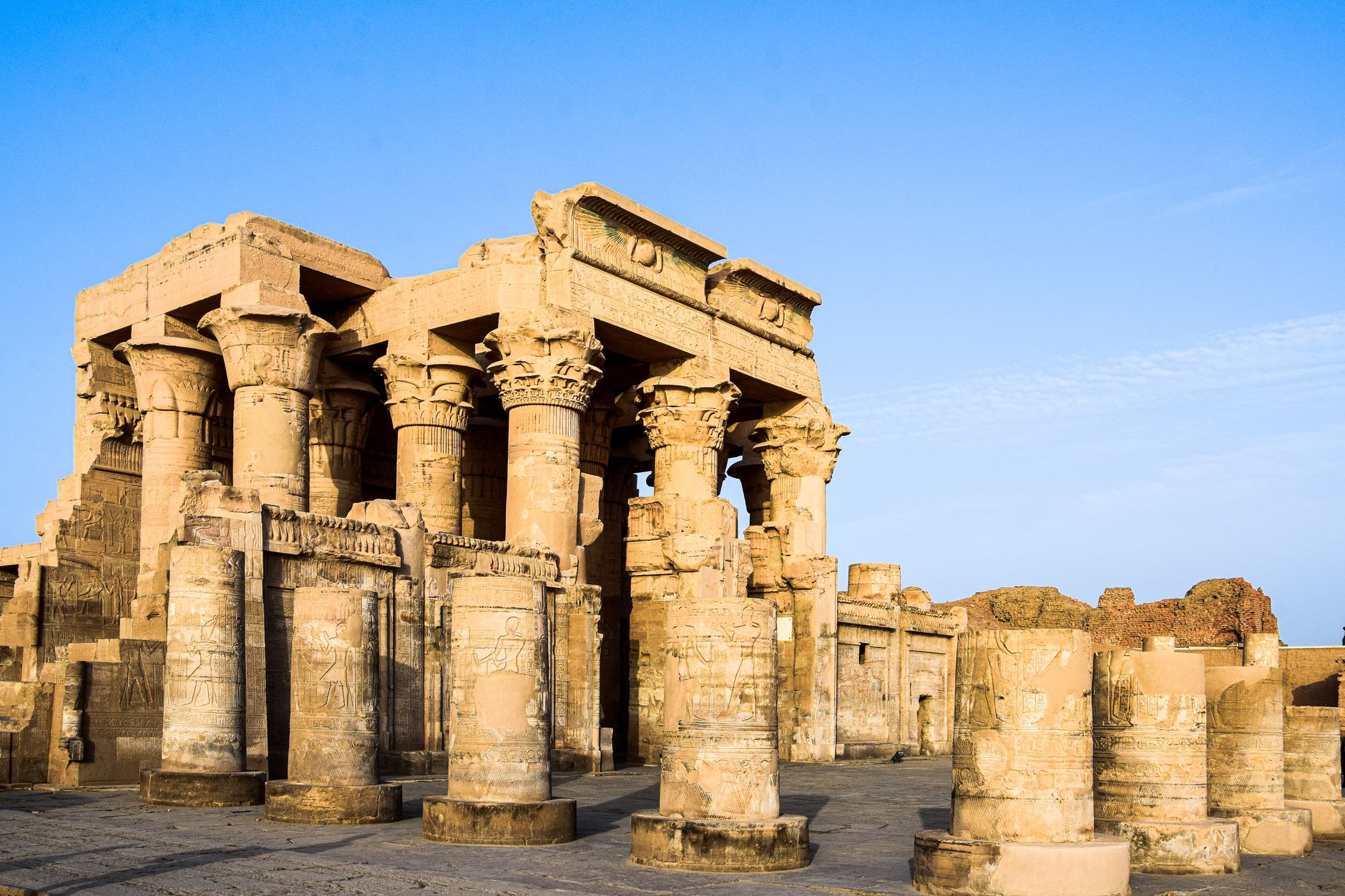
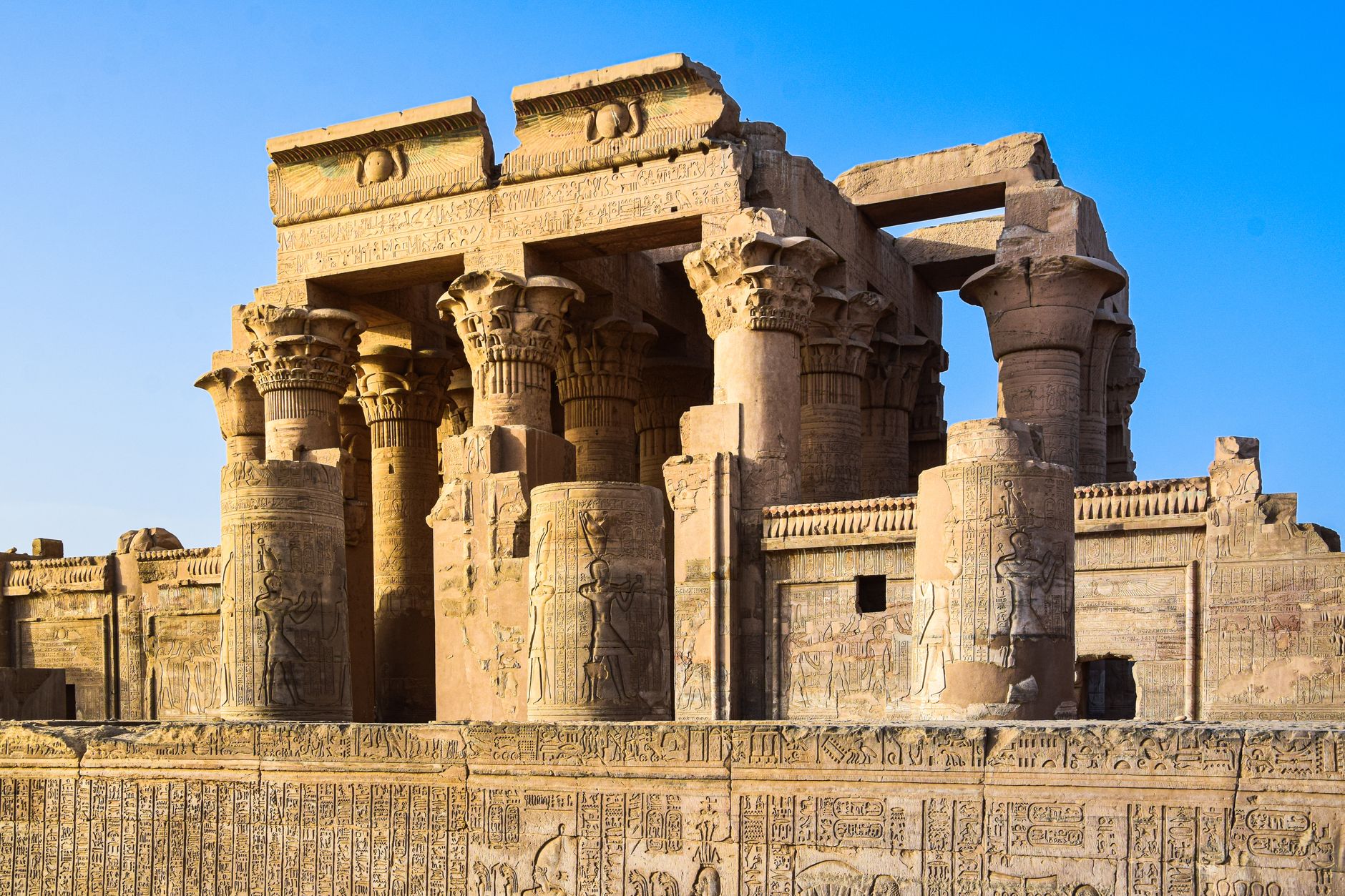
The thing that stops you at Kom Ombo is the symmetry. Every court, hall, and sanctuary runs in duplicate — one axis for Sobek the crocodile god, one for Haroeris the falcon — so the whole 165-metre complex reads like a sentence written twice, in case the gods disagreed. Built from locally quarried sandstone and limestone, construction began under Ptolemy VI around 180 BC and kept accumulating for well over a century, each king adding columns, reliefs, and dedications.
The temple sits right on the east bank of the Nile, and cruise boats dock close enough that you step off onto the path. That proximity shapes everything: the light on the carved walls at dusk, the sound of the river, and the fact that most visitors have exactly ninety minutes before the horn sounds.
💛 What travellers fall for
People who've been more than once tend to linger on two things: the Roman-period engraving of surgical instruments — scalpels, forceps, a dilator — carved into a wall with a matter-of-factness that somehow makes it stranger, not less so. And the Crocodile Museum, opened in 2012, where 22 mummified crocodiles are arranged from hatchlings to a five-metre adult. Go there last, when the cruise crowds thin.
Deals in Kom Ombo
Book directly at the provider
How Kom Ombo came to be
The site's ancient Egyptian name was NBU — Gold — which tells you something about how the valley's rulers valued this bend in the river. A New Kingdom temple stood here before the Ptolemies arrived, though little of it survived. Ptolemy VI Philometor began the current structure around 180 BC; successive kings extended it, with Ptolemy XIII responsible for the inner and outer hypostyles completed between 51 and 47 BC. During the Greco-Roman period the city served as metropolis and capital of the first Upper Egyptian Nome.
Roman additions followed Ptolemaic construction, layering dedications and reliefs across the sandstone walls. The site was largely buried under sand and debris until 1893, when French archaeologist Jacques de Morgan cleared and partially restored what you see today.
Who and what shaped it
People who shaped it
Landmark buildings
See Kom Ombo in motion
Plan your visit
On the map
When to go
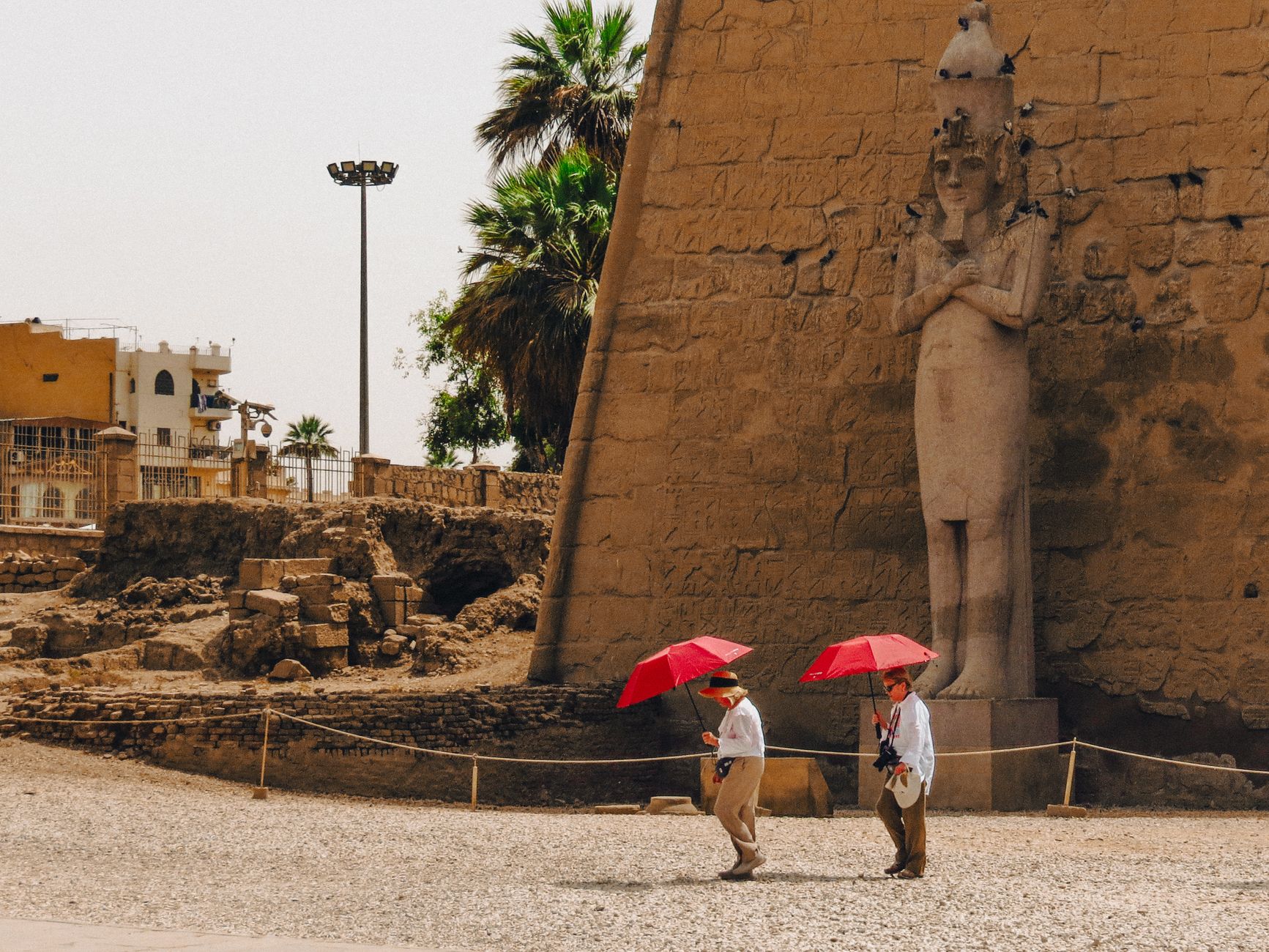
Winter visits (December through February) are the clear choice — days reach 20–25°C and evenings are cool but manageable. Spring warms quickly toward 35°C by May. Summer is extreme: temperatures regularly hit 40–45°C by midday, and the site offers little shade.
Right now
Background & history adapted from Wikipedia (CC BY-SA) · specs from Wikidata (CC0) · weather from Open-Meteo · map data © OpenStreetMap contributors · photos from Wikimedia Commons / Unsplash with per-image credit. No third-party reviews or social posts reproduced.