
Klosters
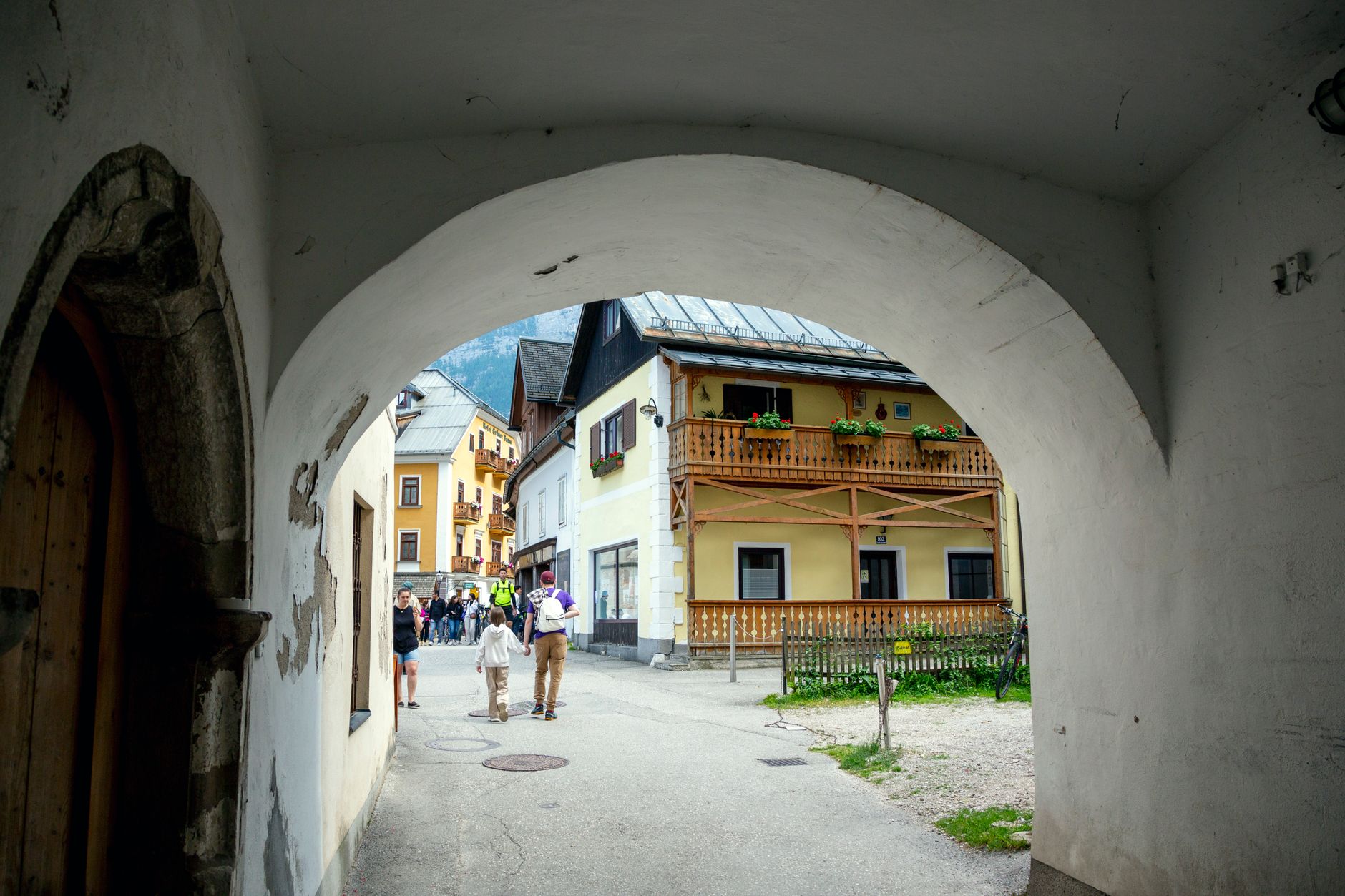
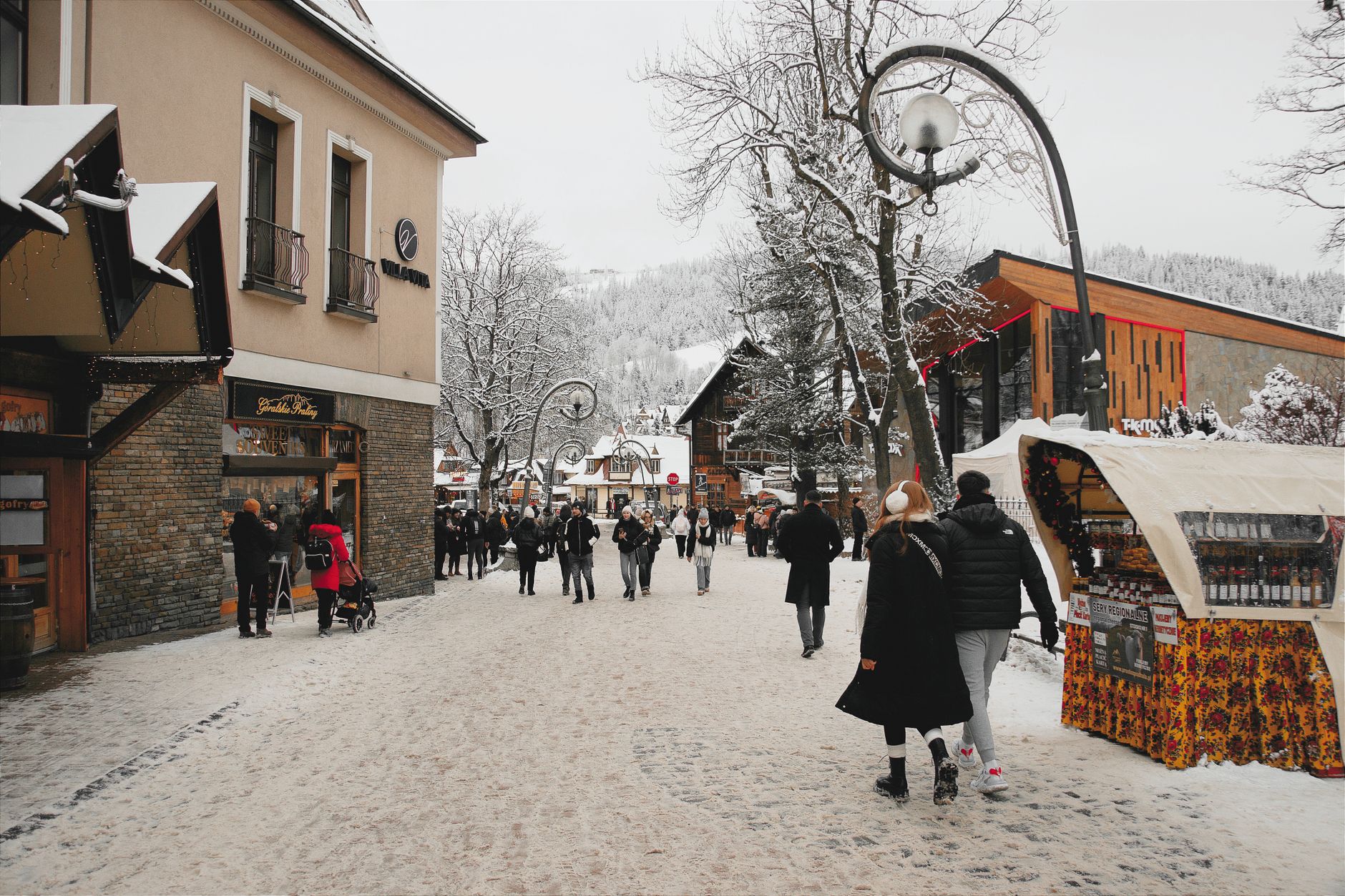
The Sunniberg Bridge is the first thing that tells you Klosters takes structure seriously. Christian Menn's cable-stayed span curves through the valley entrance on a 500-metre radius, its four pillars angled slightly outward — a world first — and it carries you into a village that has been quietly doing things its own way since a Premonstratensian monastery put it on the map in 1222.
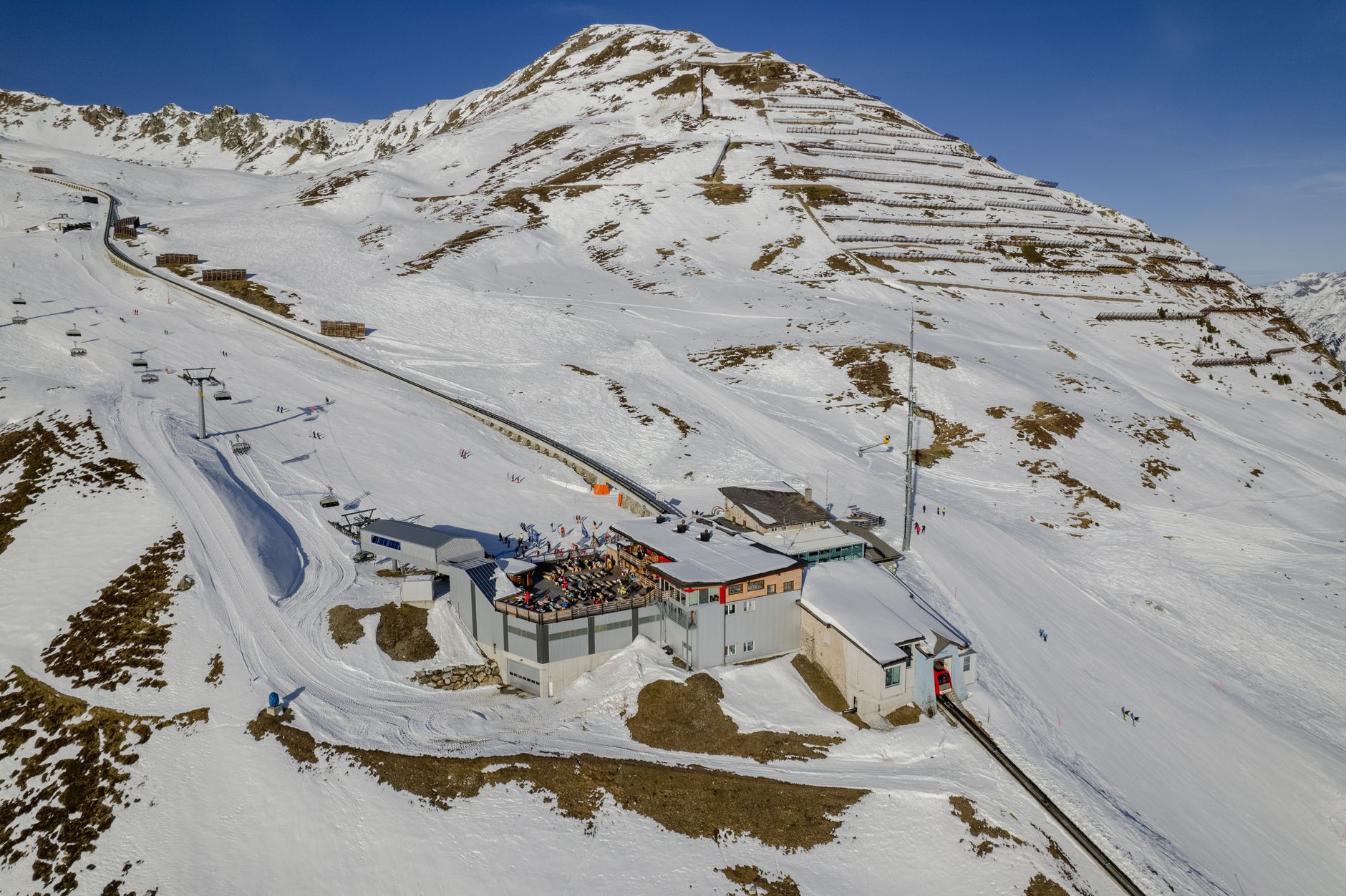
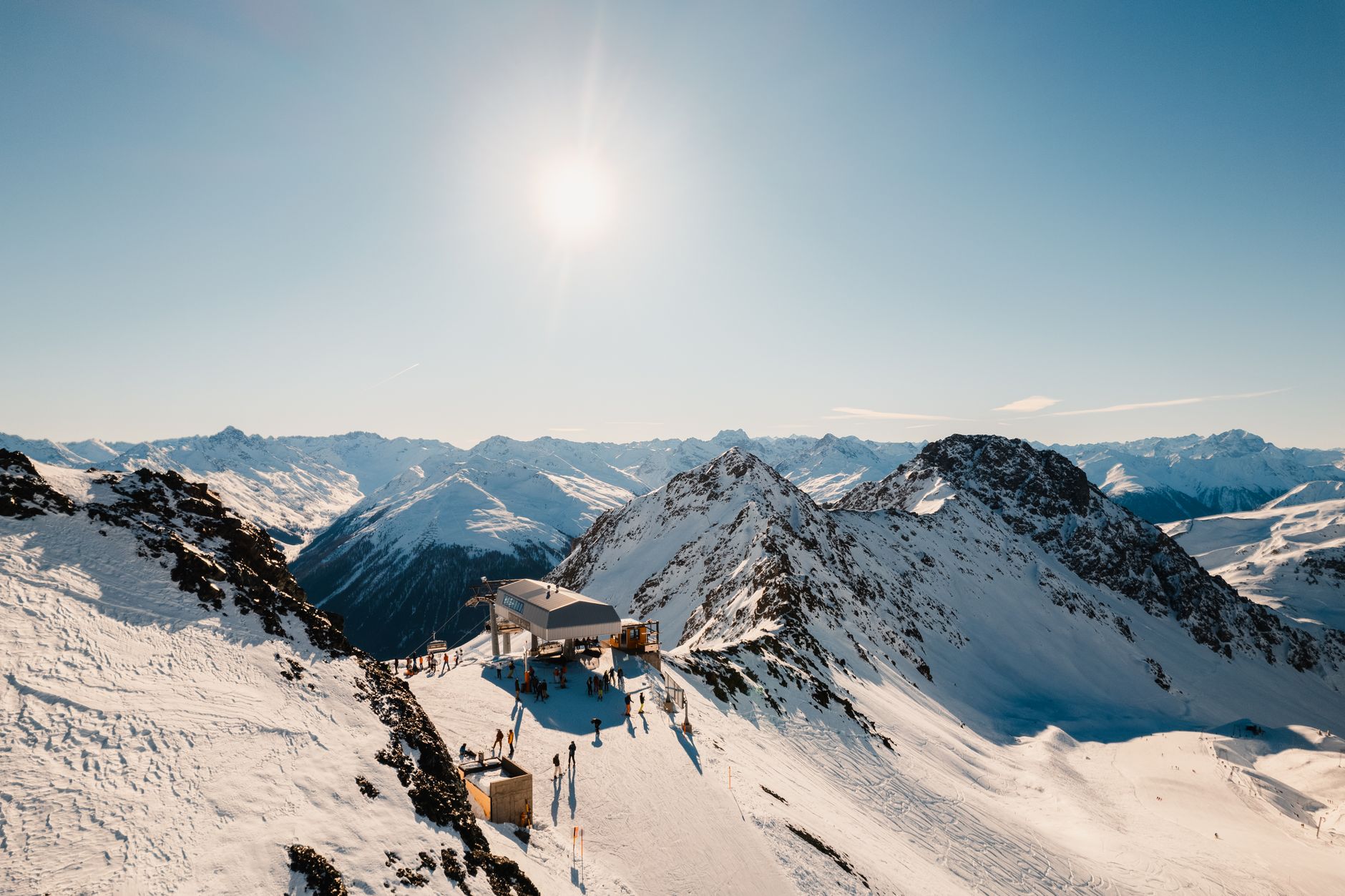
Klosters sits at 1,124 metres in the Prättigau valley, lower and less showy than its neighbours, with a working Co-op and a train station that connects to Zurich in under two and a half hours. The ski terrain runs to 2,844 metres; the Gotschnabahn cable car leaves from the town centre, a short walk from the platform.
💛 What travellers fall for
People who come back tend to mention the same few things: breakfast at Chesa Grischuna before the lifts open, the way the larch buildings on the old streets go almost black in winter light, and the Nutli Hüschi — a 1565 Walser house that nobody has felt the need to improve. The village rewards the unhurried.
Deals in Klosters
Book directly at the provider

How Klosters came to be
The name comes from the Latin claustrum — monastery — and the place has been shaped by successive arrivals ever since. A Premonstratensian house, daughter church to Churwalden abbey, was documented here in 1222, and the St. Jakob Church that stands today, with its surviving Romanesque tower and Augusto Giacometti stained glass, dates its current form to 1492. In the 14th and 15th centuries, Walser settlers moved down from Upper Valais and left their mark in the log-cabin Strickbau technique still visible in the sun-blackened larch walls of the 1565 Nutli Hüschi.
The Reformation dissolved the monastery in 1525. Klosters and the neighbouring community of Serneus merged in 1865, and the municipality shortened its name again in 2021. In 2022 it marked 800 years since that first written record — a long run for a place that still feels more like a working village than a resort.
Who and what shaped it
People who shaped it
Landmark buildings
See Klosters in motion
Plan your visit
On the map
When to go
Winter brings reliable snow at altitude, with the ski area reaching 2,844 metres; the valley floor at 1,124 metres can be milder and occasionally rainy, so layers matter. Autumn is the quiet season — forests in colour, light at a lower angle, and almost no queues.
Right now
Background & history adapted from Wikipedia (CC BY-SA) · specs from Wikidata (CC0) · weather from Open-Meteo · map data © OpenStreetMap contributors · photos from Wikimedia Commons / Unsplash with per-image credit. No third-party reviews or social posts reproduced.