
Kivukoni


Kivukoni means 'a crossing place' in Swahili, and the name still holds. At the waterfront known as Kivukoni Front, the Kigamboni Ferry loads and unloads in five-minute bursts across the channel, dhows drift in with the morning catch, and the fish market — also called Mzizima — fills with restaurateurs and home cooks haggling over snapper and kingfish before the heat of the day sets in.
This is where Dar es Salaam faces the sea. Two Gothic cathedrals rise within a few streets of each other, the president's residence sits behind its gates, and the Central Bank anchors the financial weight of the country. Embassies cluster here in numbers that seem improbable for a single ward, lending Kivukoni a particular mix of the administrative, the devotional and the deeply ordinary.
💛 What travellers fall for
People who return tend to get to the fish market early — before seven if possible — and follow whoever looks like they know what they're buying. The BRT from Ubungo is the cleanest way in, and the TSH 100 ferry crossing to Kigamboni at day's end is worth taking just for the view back at the waterfront as the light drops.
Deals in Kivukoni
Book directly at the provider
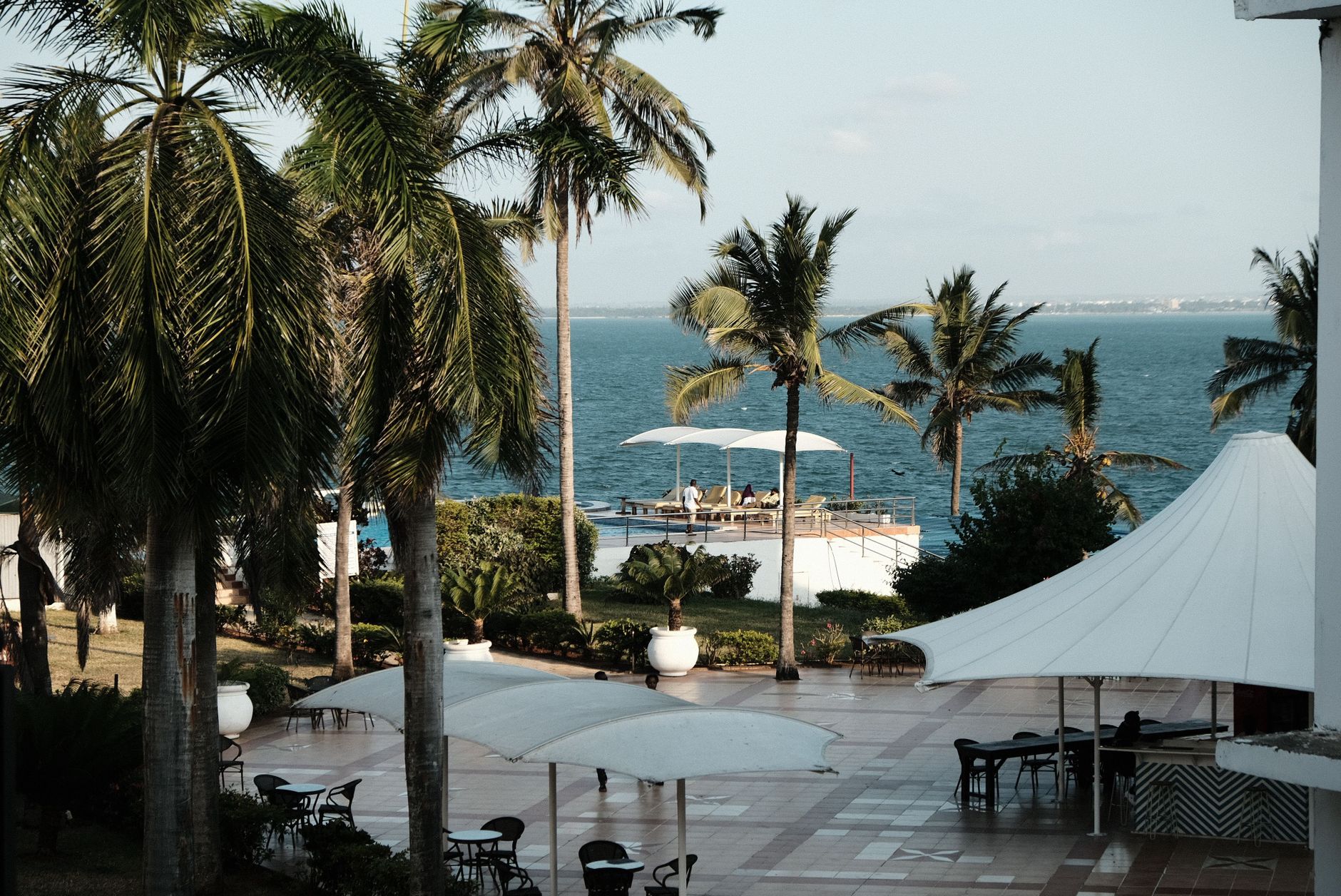

How Kivukoni came to be
The Zaramo people have long held this stretch of coast as ancestral territory, and the name Kivukoni points to its oldest function: a place where people and goods crossed water. When the Germans established Dar es Salaam as a trading port in the late nineteenth century, Kivukoni became the architectural expression of that colonial ambition. The Azania Front Lutheran Cathedral went up between 1899 and 1902; St. Joseph's Cathedral, begun under German Benedictine missionaries in 1897, was completed in 1902 and consecrated in 1905. The Botanical Garden had already opened in 1893.
After the First World War, the Askari Monument was unveiled in 1927 to commemorate the African soldiers who served in the British Carrier Corps. The National Museum — originally a memorial to King George V — opened to the public in 1940, having been established in 1934, and expanded in 1963. Julius Nyerere founded Kivukoni College in 1961, with Colin Leys as its first principal, cementing the ward's role in the intellectual and political life of the new Tanzanian state.
Who and what shaped it
People who shaped it
Landmark buildings
See Kivukoni in motion
Plan your visit
On the map
When to go
June through September are the driest months and the most comfortable for walking the waterfront — July averages around 24°C and sees relatively little rain. If you come between March and May, expect the heaviest rains, with April regularly delivering over 200 mm.
Right now
Background & history adapted from Wikipedia (CC BY-SA) · specs from Wikidata (CC0) · weather from Open-Meteo · map data © OpenStreetMap contributors · photos from Wikimedia Commons / Unsplash with per-image credit. No third-party reviews or social posts reproduced.